
Concentration improvement Math Worksheets for Ages 4-8
6 filtered results
Difficulty Level
Grade
Age
-
From - To
Subject
Activity
Standards
Enhance your child's focus and mathematical skills with our expertly designed concentration improvement math worksheets for ages 4-8. These engaging activities are tailored to captivate young learners' attention while boosting their cognitive abilities. Our printable worksheets incorporate colorful visuals, fun puzzles, and age-appropriate math problems that keep kids entertained and immersed in learning. Perfect for home or classroom use, these resources help children develop essential concentration skills that enhance their overall academic performance. Unlock your child’s potential by integrating our concentration improvement math worksheets into their daily learning routine today.
Favorites
With answer key
Interactive
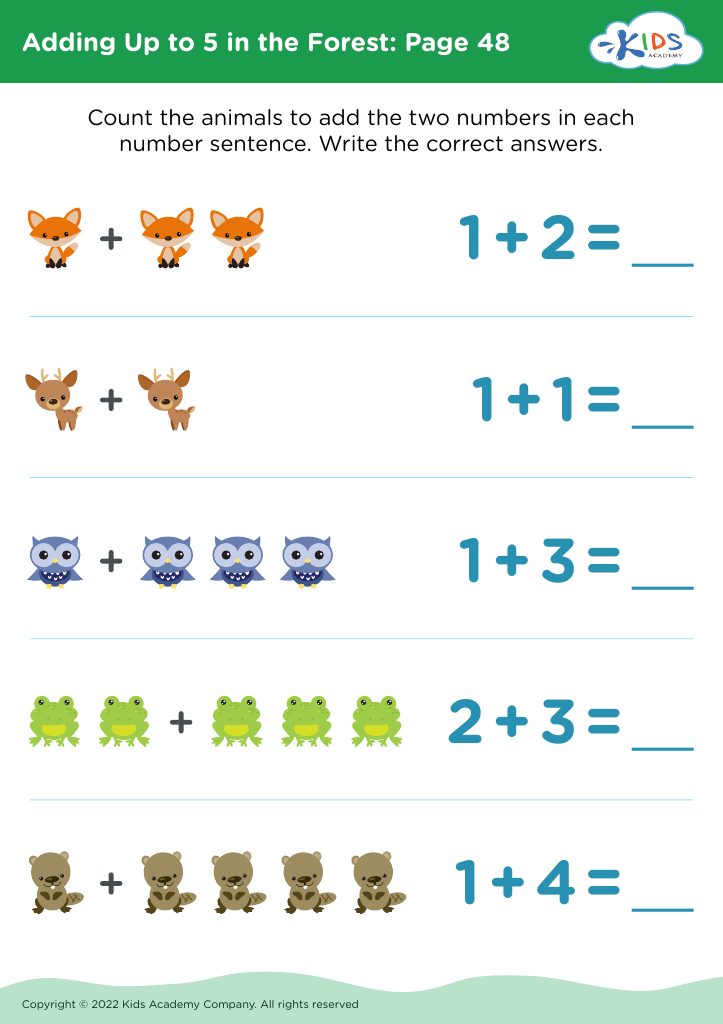
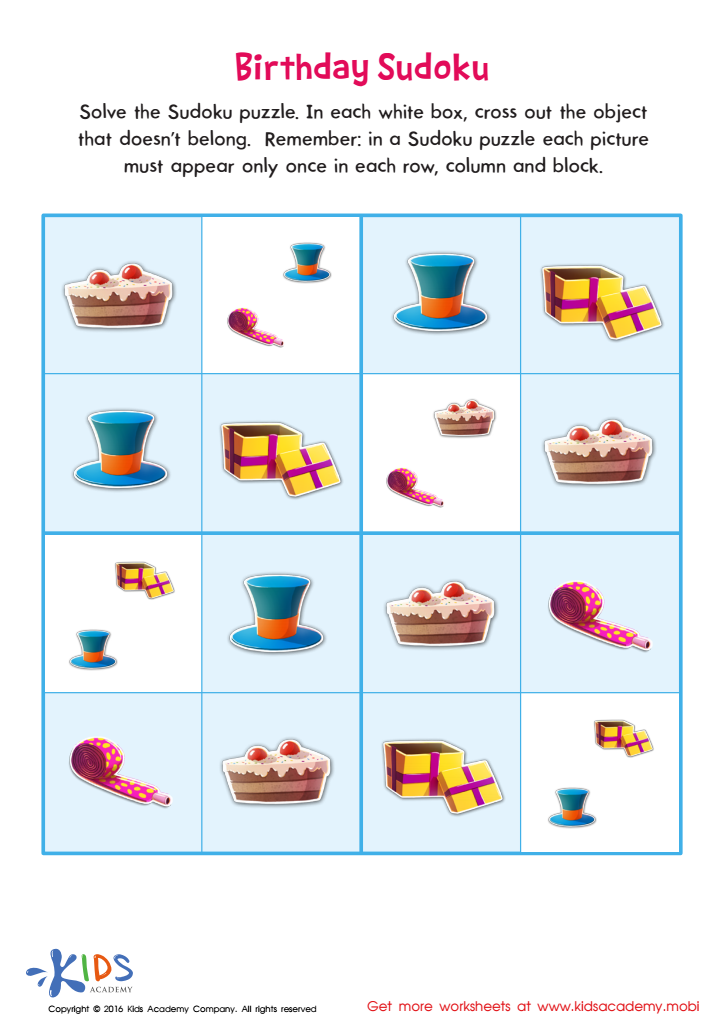
Birthday Sudoku Sorting Worksheet
With this Sudoku printable, your child will have fun and strengthen their problem-solving skills.
 Assign to My Students
Birthday Sudoku Sorting Worksheet
Worksheet
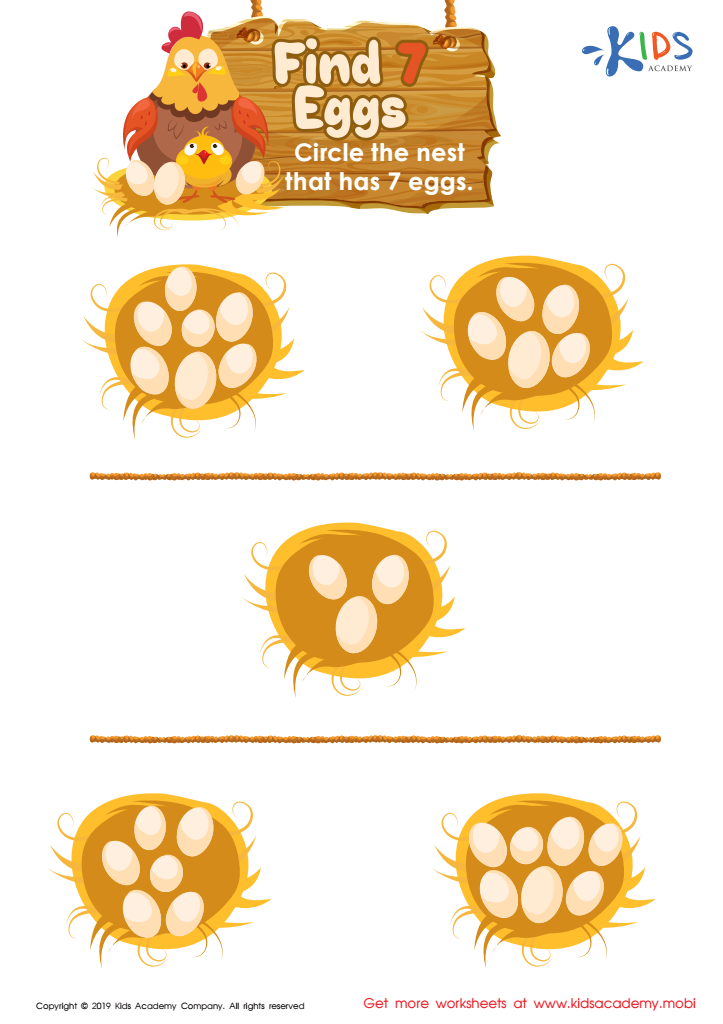
Find 7 Eggs Worksheet
Mama chicken needs help counting her eggs! Have your child use one-to-one number representation to count and circle the nests that have seven eggs with this free and fun worksheet. Picture representation is a great way to start building math skills. Download this PDF and make math time fast and enjoyable!
Find 7 Eggs Worksheet
Worksheet
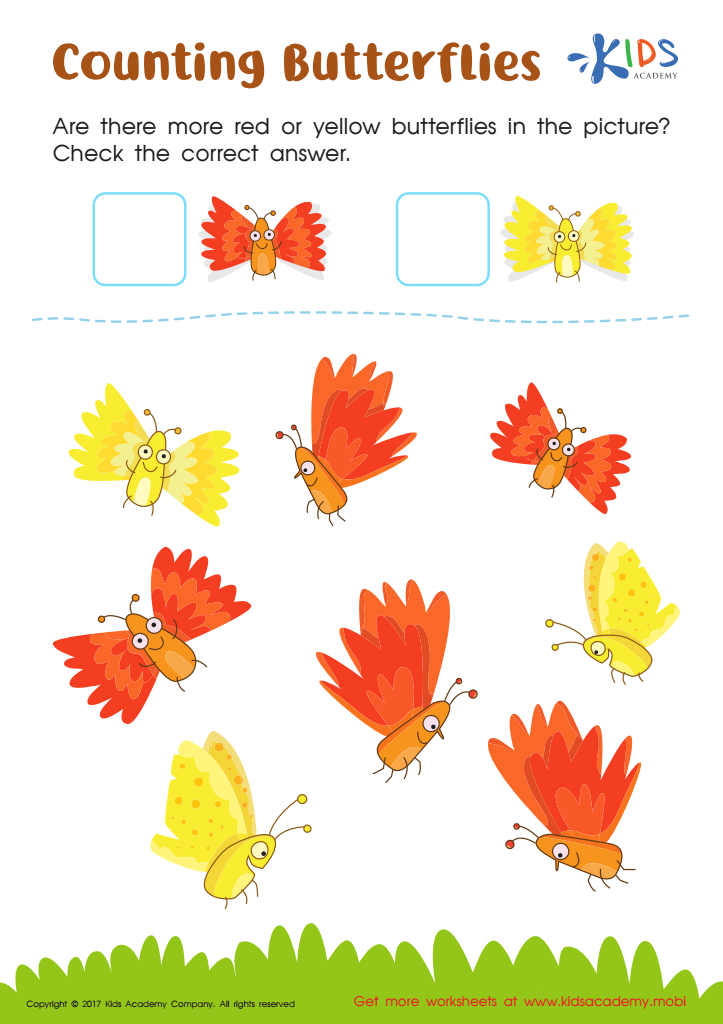
Counting Butterflies Worksheet
Count and compare the butterflies in the picture with your child. How many are red, and how many are yellow? Stimulate thinking and counting skills while having fun. Check the answers when you're done.
Counting Butterflies Worksheet
Worksheet
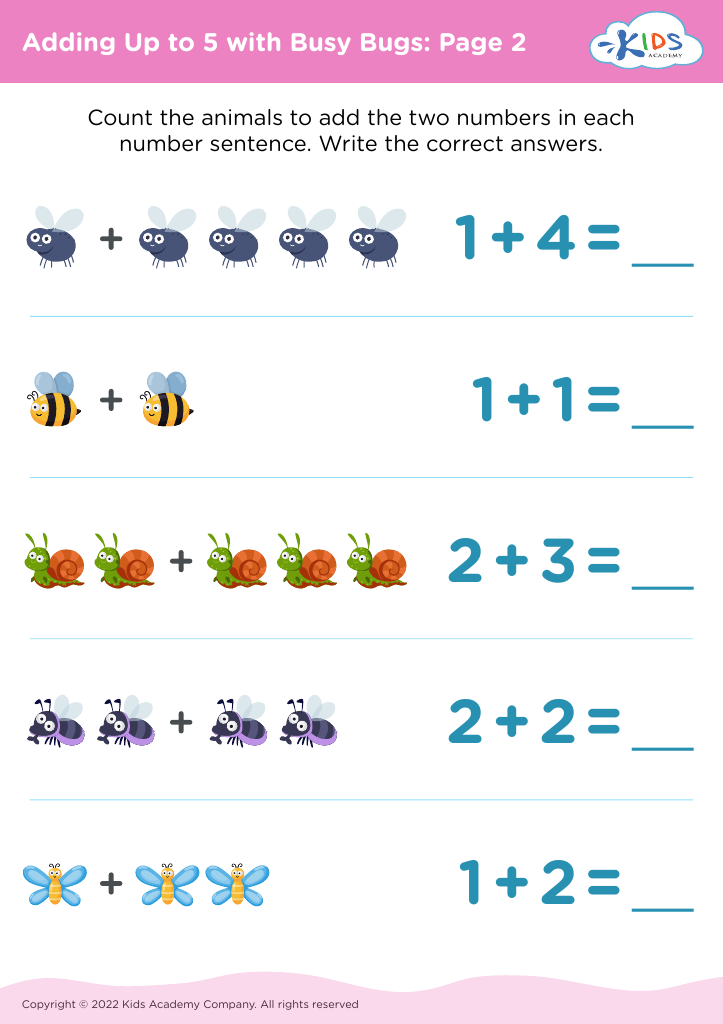
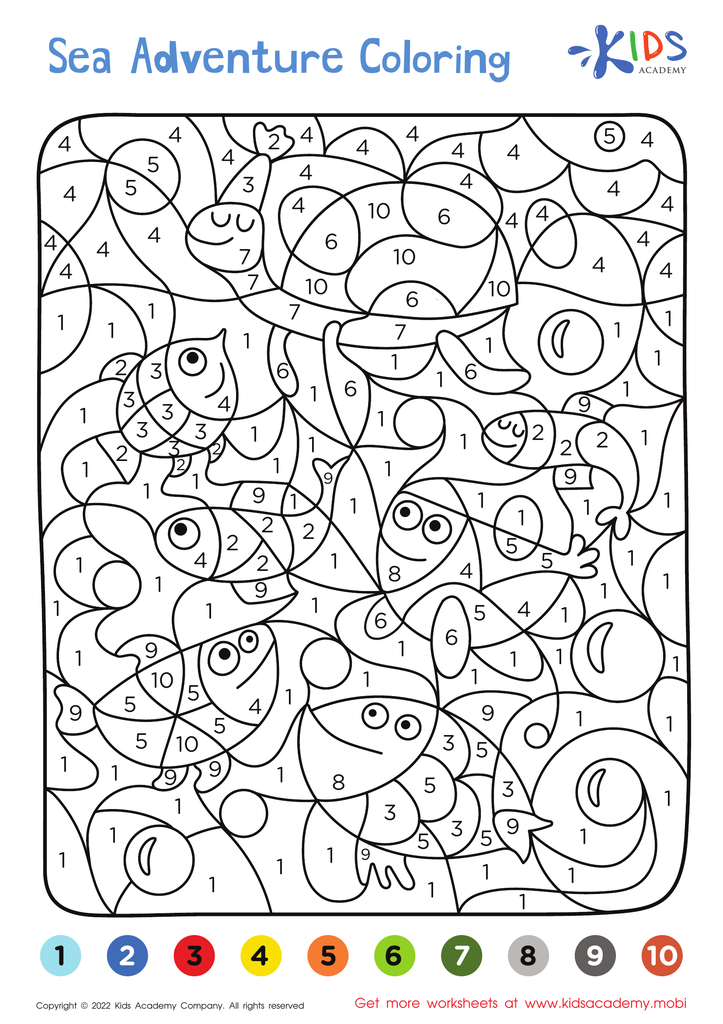
Sea Adventure – Coloring by Numbers
Unlock a sea adventure with a free coloring by numbers PDF page! Download now to get creative and fill the page with vibrant colors.
Sea Adventure – Coloring by Numbers
Worksheet
Join Kids Academy for Free
Who is primarily going to use this learning content?


.jpg)
.jpg)
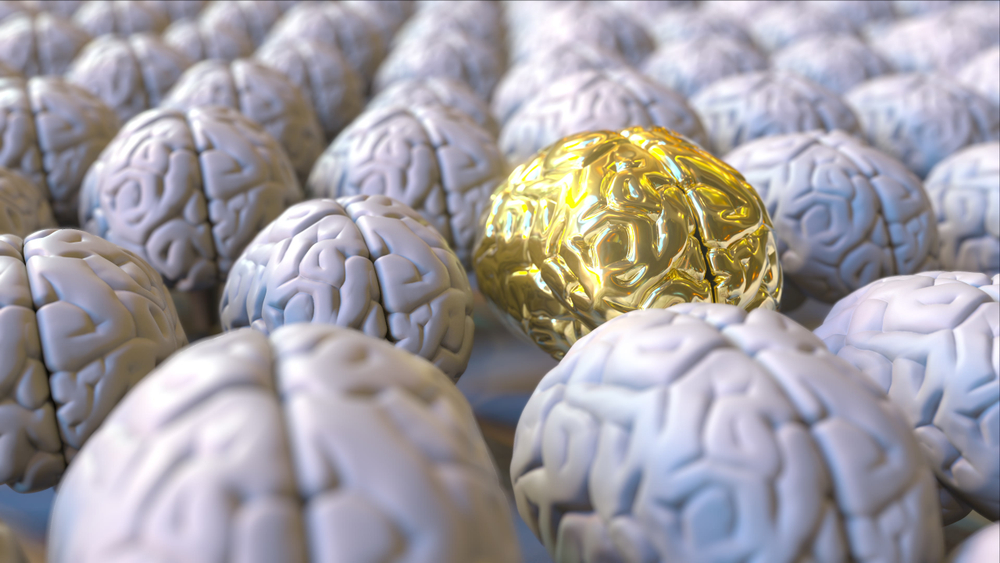

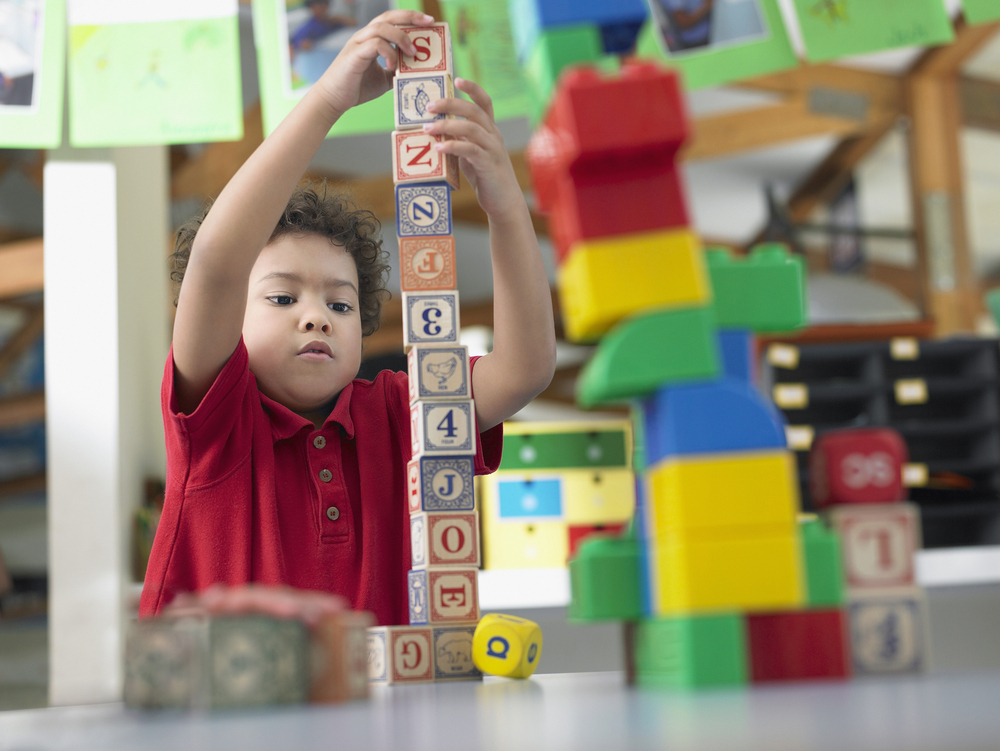
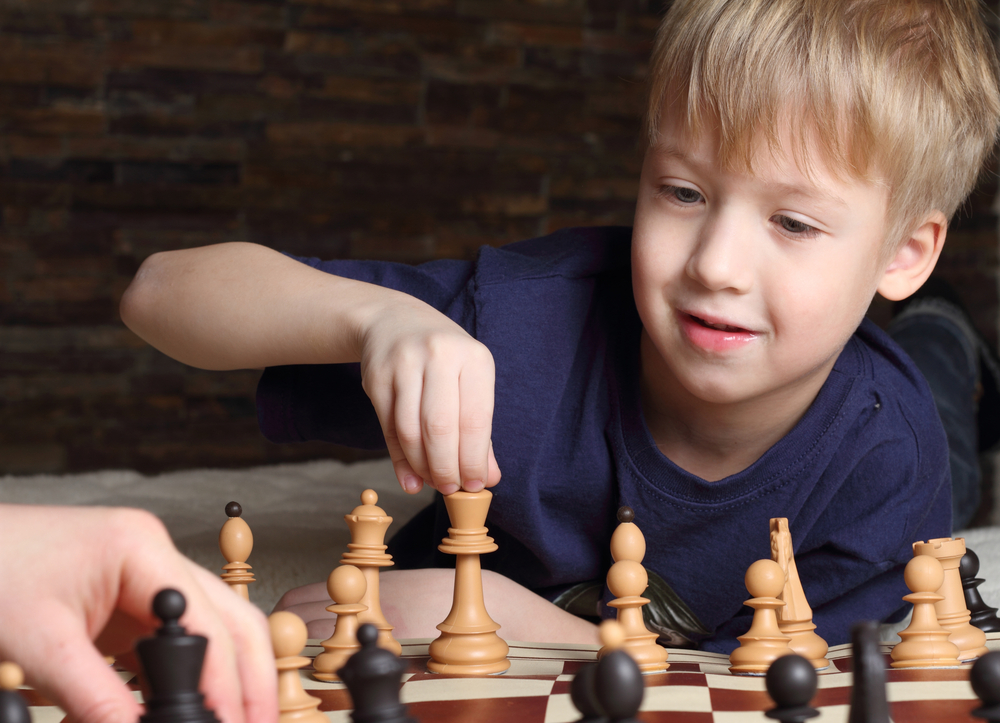
Improving concentration in math for children aged 4-8 is crucial for several developmental and lifelong learning reasons. First, strong concentration skills help young children absorb fundamental mathematical concepts and skills, such as counting, addition, and subtraction, which are the building blocks for more complex problem-solving and logical reasoning.
Second, math is inherently cumulative. If young students can't focus, they may miss foundational lessons, leading to difficulties in understanding more advanced math later on. Enhancing concentration helps ensure a solid mathematics foundation, reducing frustration and boosting confidence in their abilities.
Additionally, when children learn to concentrate on math, they also develop their attention spans and persistence in other areas. These skills are transferable, benefiting every subject they study and daily tasks they manage, setting them up for success both academically and personally.
Furthermore, as math games and interactive activities often used to improve concentration are fun and engaging, they help cultivate a positive attitude towards learning. This positive engagement can lead to a lifelong love of math and learning, crucial in a world increasingly driven by technology and analytical skills.
In summary, improved concentration in math fosters early academic success, builds essential life skills, and encourages a positive approach to lifelong learning interventions essential for holistic development.








