Counting skills Math Worksheets for Ages 4-8 - Page 20
459 filtered results
-
From - To

Night Sky Numbers Worksheet
 Assign to My Students
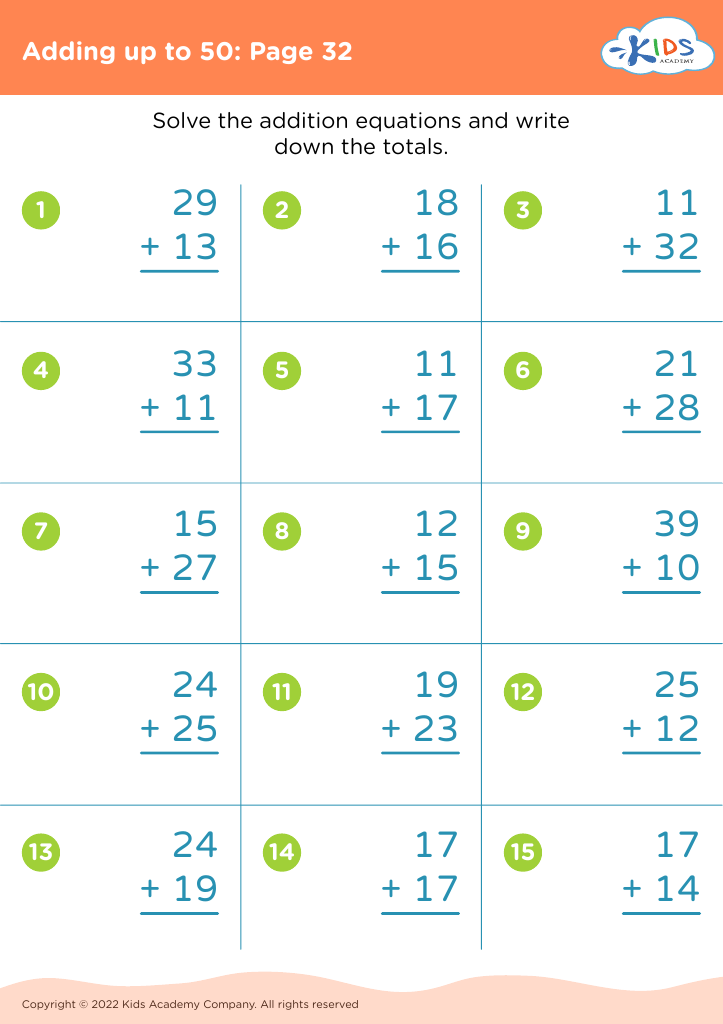
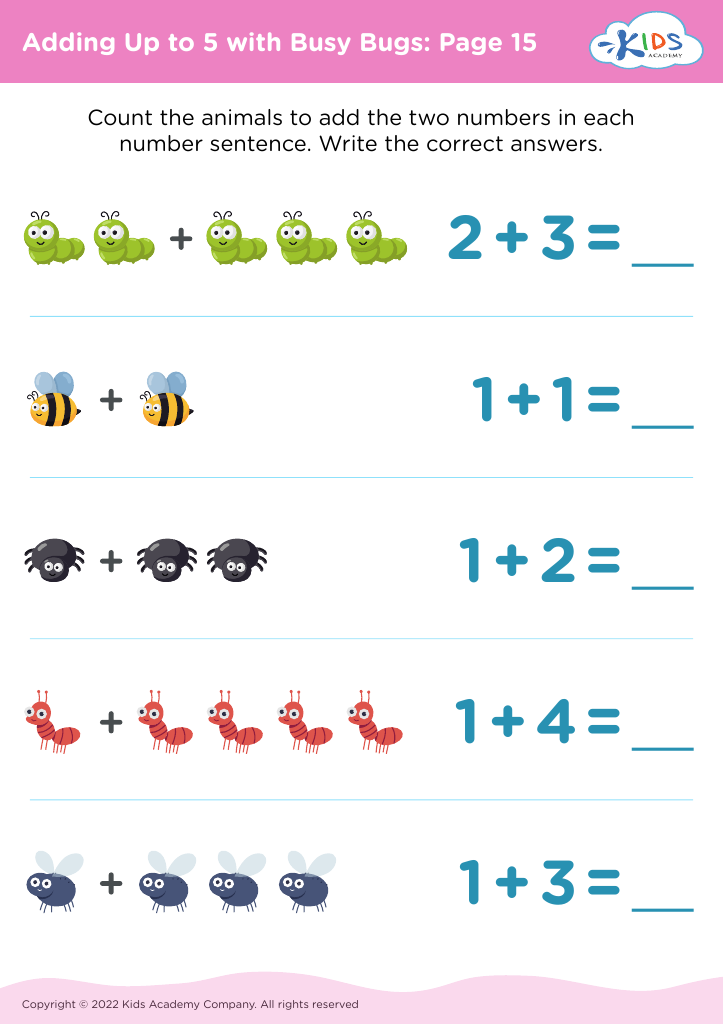






Counting skills are foundational for children's mathematical development and have far-reaching implications for their academic success and everyday life. For children ages 4-8, developing strong counting skills lays the groundwork for more complex mathematical concepts such as addition, subtraction, and understanding number relationships. Counting helps children develop number sense, an essential proficiency that enables them to recognize patterns, make comparisons, and solve problems.
From a practical standpoint, everyday activities—like cooking, shopping, or organizing toys—offer opportunities for children to apply counting skills, reinforcing their value and applicability. When parents and teachers engage children in counting activities, they not only promote numerical fluency but also improve children's focus, memory, and critical thinking abilities.
Furthermore, strong counting skills can boost a child's confidence in math, reducing anxiety around the subject as they progress in their education. Early mastery of these skills can positively influence their performance in later grades, where math concepts become more complex. By investing time and resources into counting skills, both parents and teachers foster a positive learning environment that cultivates lifelong learners and problem solvers. Ultimately, a focus on these early math skills paves the way for children's academic success and prepares them for future challenges.








