Develop inference skills Math Worksheets for Ages 4-8
3 filtered results
-
From - To
Develop your child’s math inference abilities with our specially designed worksheets for ages 4-8. Our collection at Kids Academy offers engaging activities that promote critical thinking and logical reasoning. Each worksheet guides young learners through fun puzzles and challenges, enhancing their problem-solving skills while building essential math foundations. By interpreting clues and making predictions, children develop the ability to draw conclusions and improve their mathematical understanding. Perfect for at-home practice or classroom enrichment, these worksheets ensure a solid footing in inference skills, setting young minds on a path to academic success. Explore our comprehensive resources today!
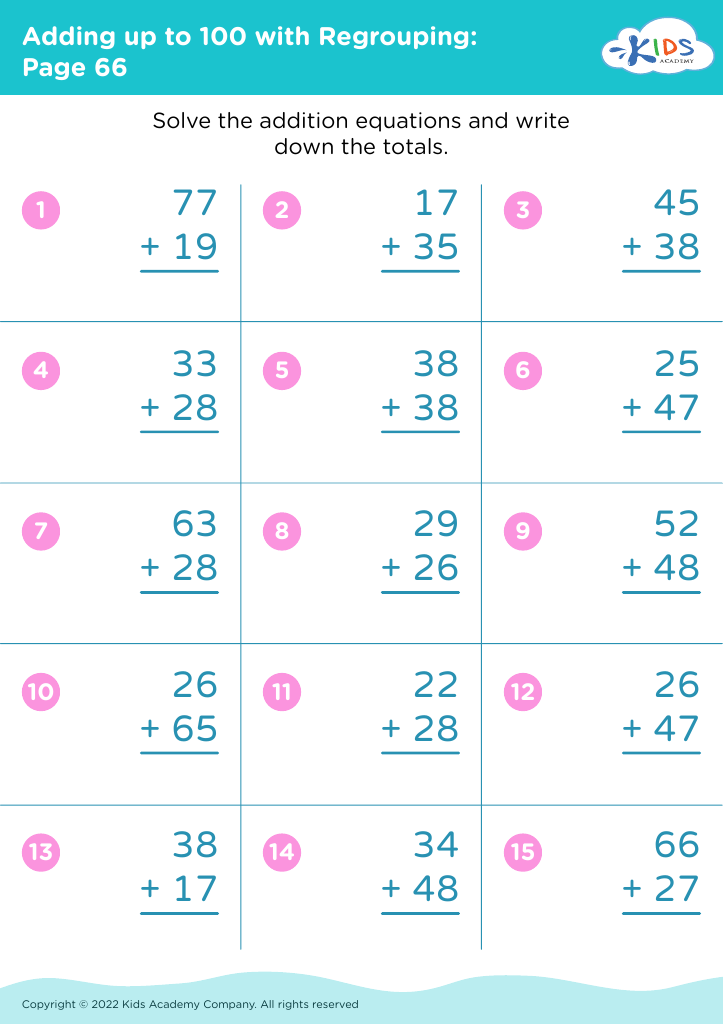
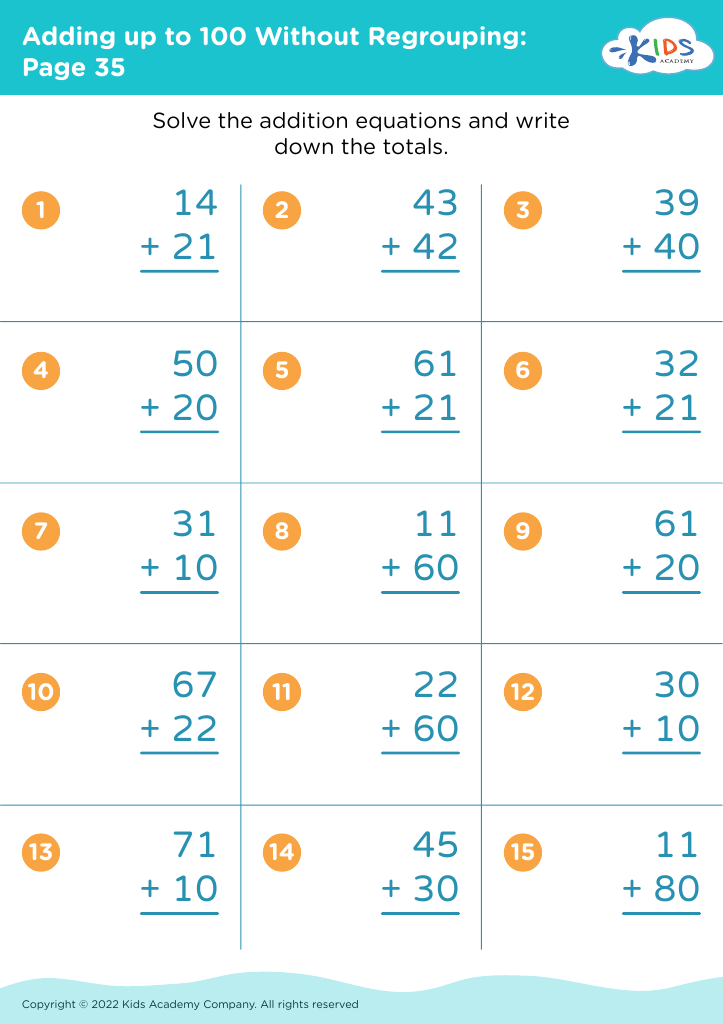
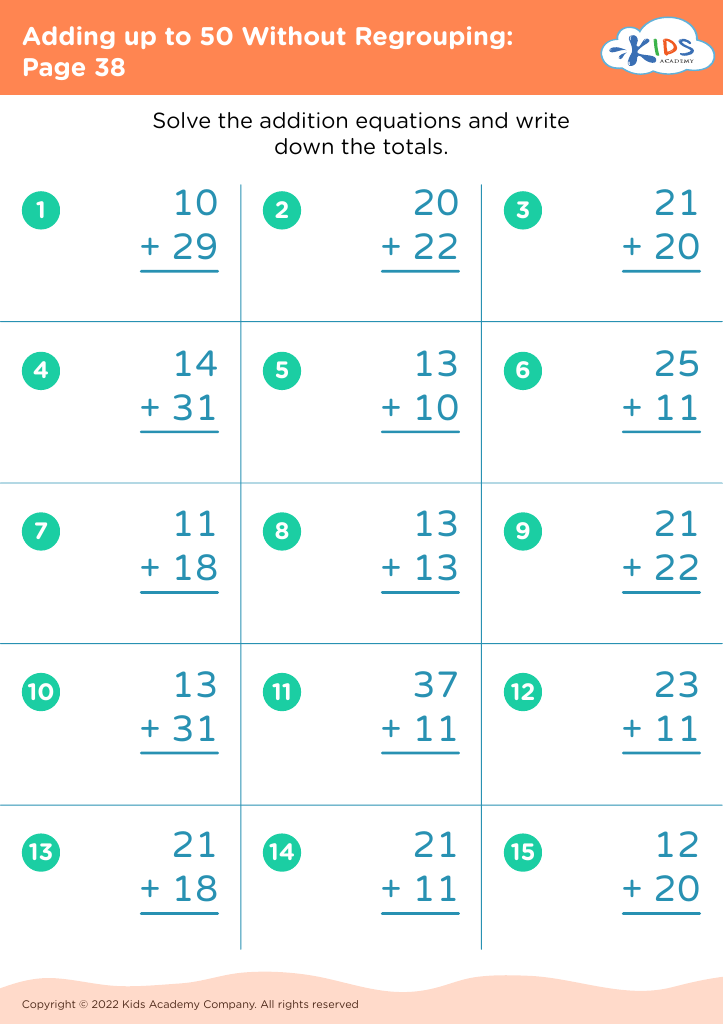






Developing inference skills in math for children aged 4-8 is crucial for several reasons. Firstly, these skills lay the foundation for higher-order thinking. When young learners are taught to infer, they begin to connect the dots between different pieces of information, which is a key component of problem-solving. This cognitive ability is fundamental not just in math, but across all subjects and life situations where critical thinking is necessary.
Secondly, inference skills boost comprehension and retention. By drawing conclusions from given data, children are more engaged and are likely to remember the material better. This improved focus and memory reinforce their learning and understanding of core mathematical concepts.
Additionally, inference skills enhance math literacy. Children learn early on that numbers and equations are not just isolated figures. They see how math applies to real-world scenarios, improving their ability to grasp complex concepts as they progress through their education. For example, understanding patterns, predictions, and logical sequences are all inference-based skills critical for advanced math topics.
Parents and teachers should care about nurturing these skills because they build confidence and encourage a positive attitude toward learning. Children who are skilled in making inferences are curious, motivated learners who are better prepared for future academic challenges.








