Developing logical thinking Math Worksheets for Ages 4-8
7 filtered results
-
From - To
Welcome to our collection of Developing Logical Thinking Math Worksheets for Ages 4-8! These engaging and interactive worksheets are designed to enhance critical thinking skills and problem-solving abilities in young learners. Designed to align with early educational standards, each worksheet incorporates fun themes and colorful visuals to captivate children's attention while they learn foundational math concepts like patterns, sorting, and sequencing. As children work through these activities, they’ll develop essential logical reasoning skills that will support their overall academic success. Perfect for classroom use or at-home learning, our worksheets not only make math enjoyable but also foster a love for learning!
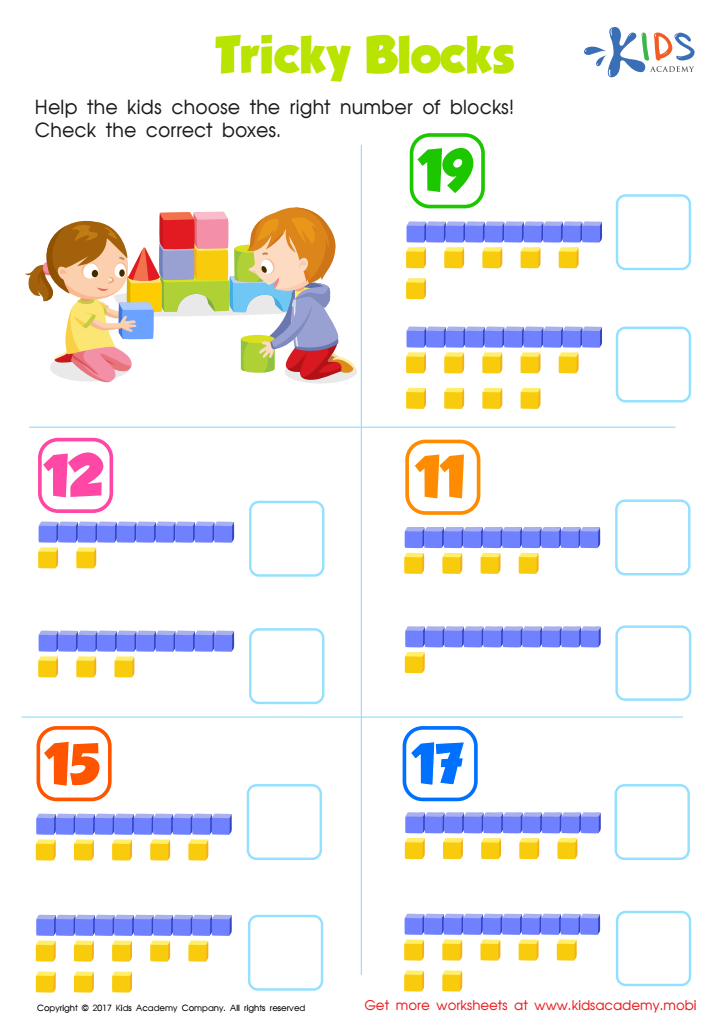
Tricky Blocks Worksheet
 Assign to My Students
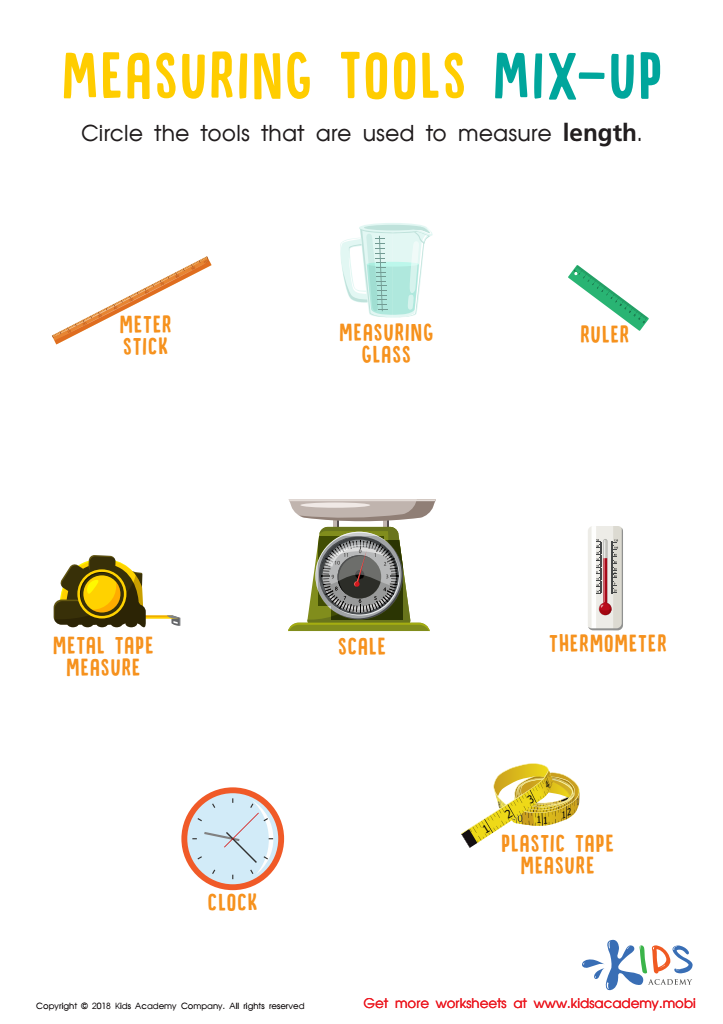
Measuring Tools Mix–up Worksheet
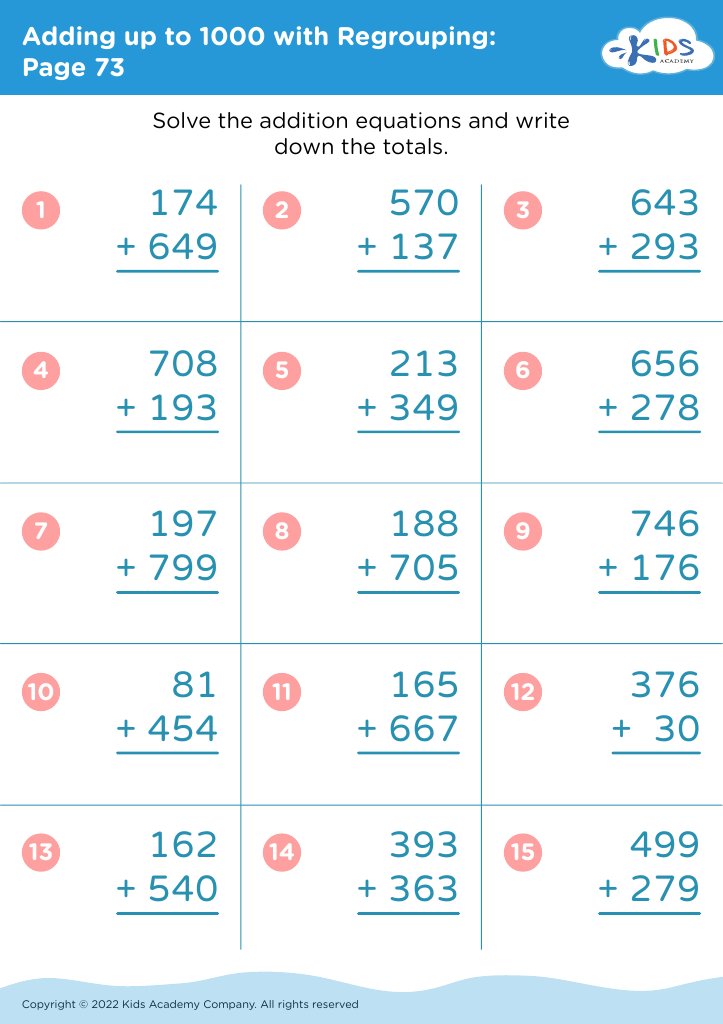
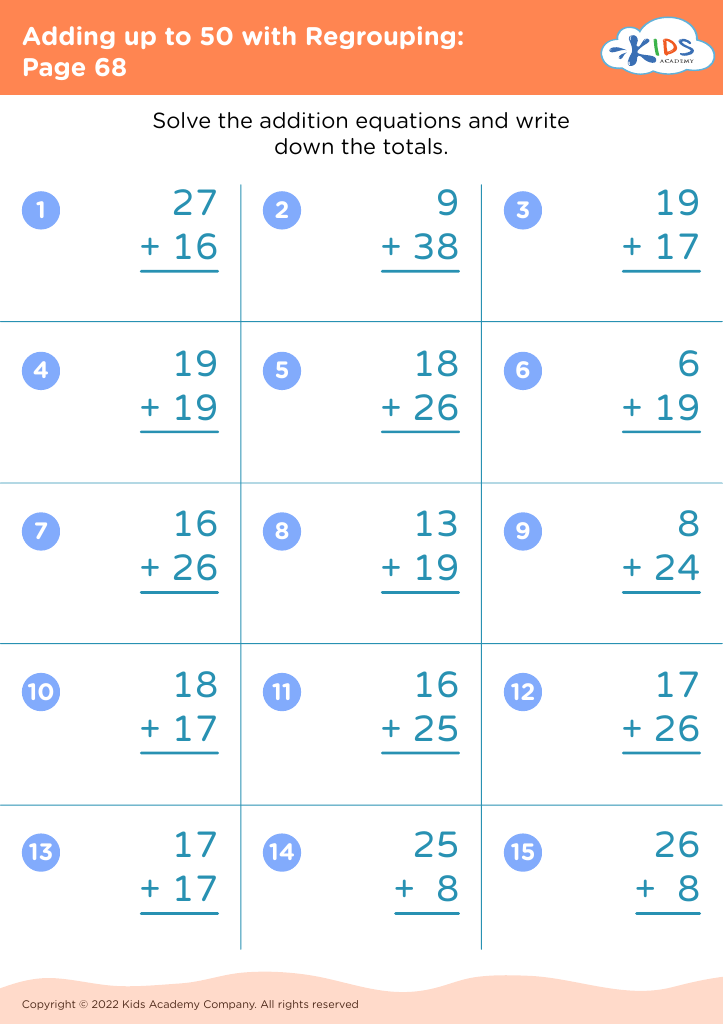
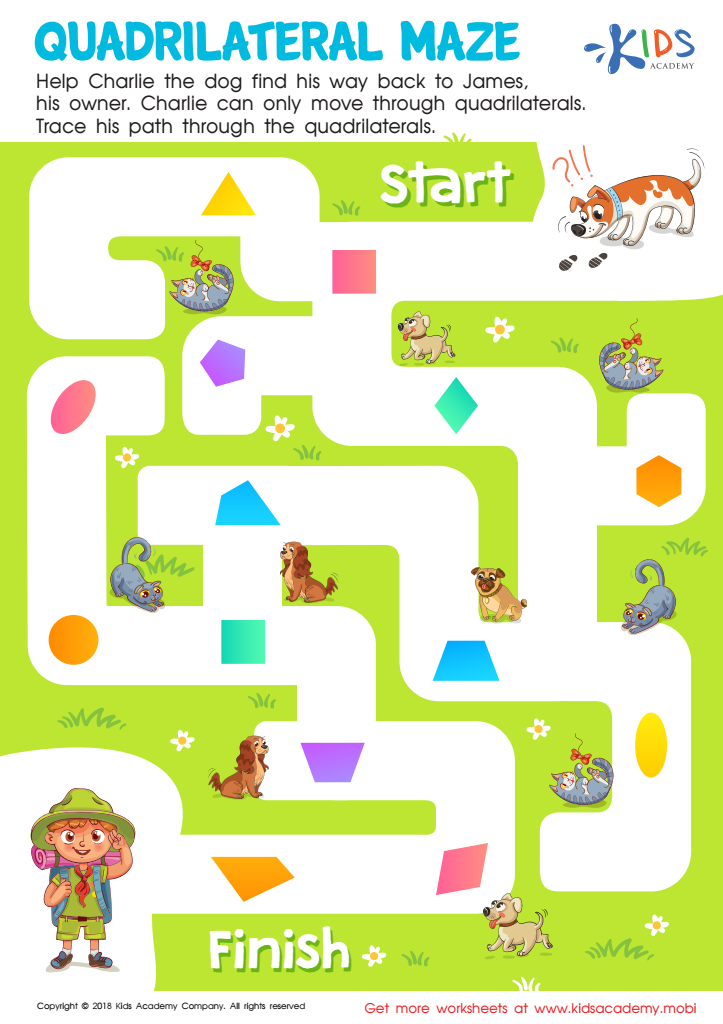
Quadrilateral Maze Worksheet
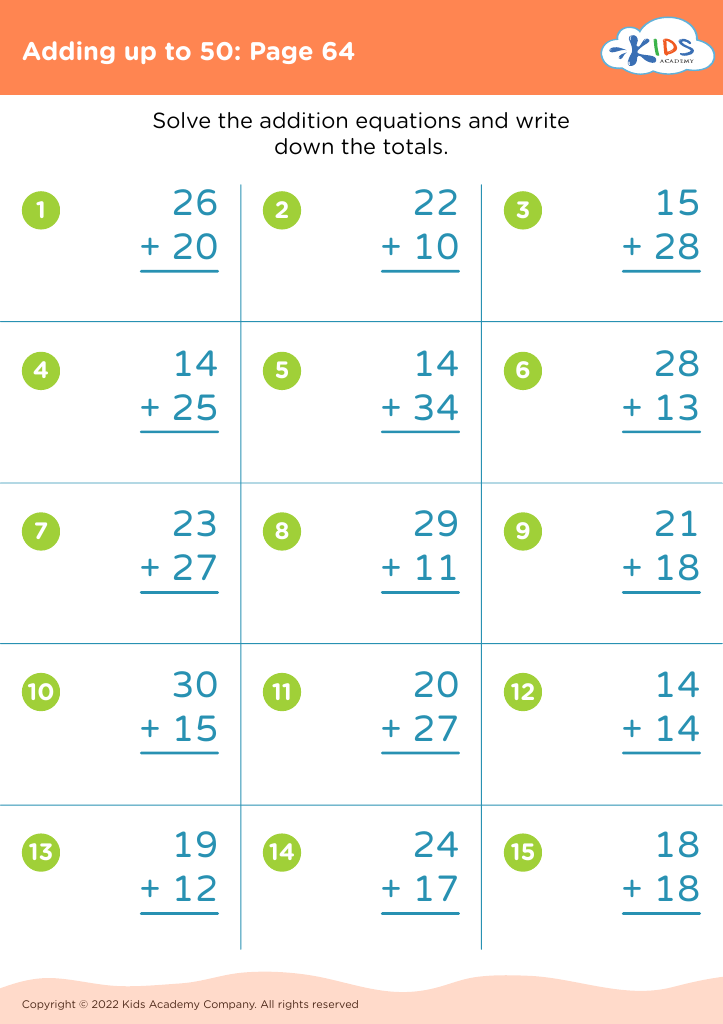
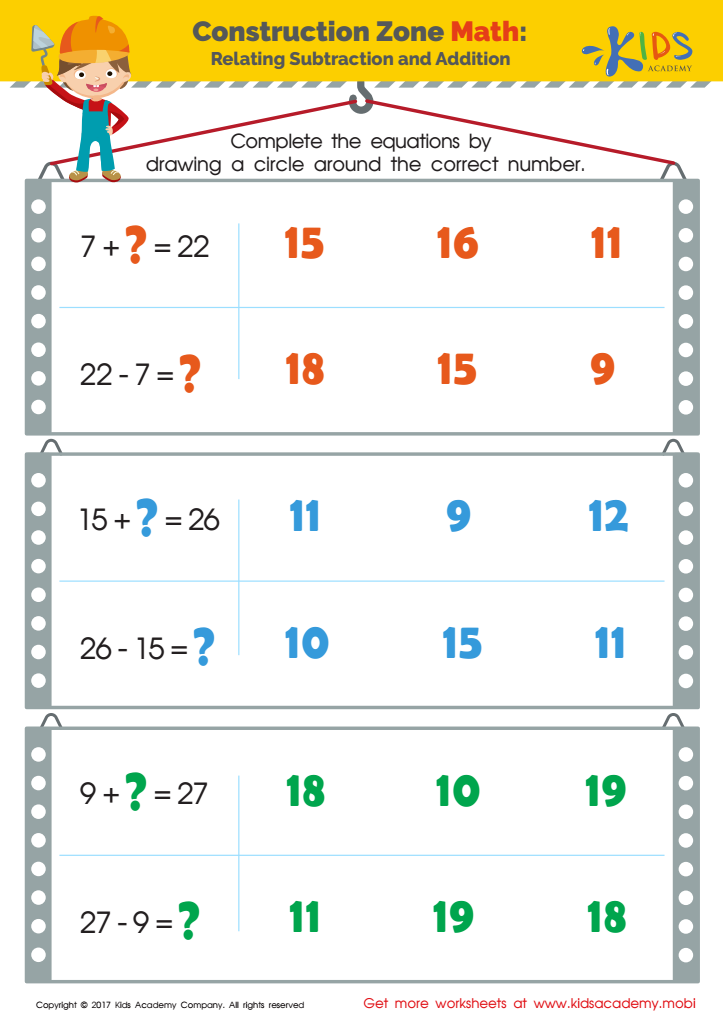
Related Addition and Subtraction Facts Worksheet


.jpg)





Developing logical thinking skills in children aged 4-8 is crucial for a variety of reasons. First, early math concepts serve as the foundation for later mathematical understanding. Engaging in logical thinking and problem-solving activities helps young learners grasp essential skills such as counting, pattern recognition, and basic arithmetic, which are vital in their academic journey.
Moreover, fostering these skills enhances critical thinking and reasoning abilities. As children learn to analyze situations, identify solutions, and draw conclusions, they become more adept at tackling challenges not only in math but across all subjects. This ability encourages exploration, creativity, and innovation, essential traits in today’s rapidly changing world.
Furthermore, logical thinking nurtures persistence and resilience. Children will face challenges in mastering concepts and will learn to approach problems methodically rather than giving up. This inner strength builds confidence and a love for learning.
Lastly, logical thinking skills are valuable beyond the classroom, as they prepare children for real-world decision-making. Parents and teachers play an essential role in fostering these skills through engaging activities and encouragement. Supporting logical thinking ensures a solid foundation for a child's academic success and life skills, ultimately shaping them into capable and confident individuals.








