
Improve fine motor skills Math Worksheets for Ages 4-8
3 filtered results
Difficulty Level
Grade
Age
-
From - To
Subject
Activity
Standards
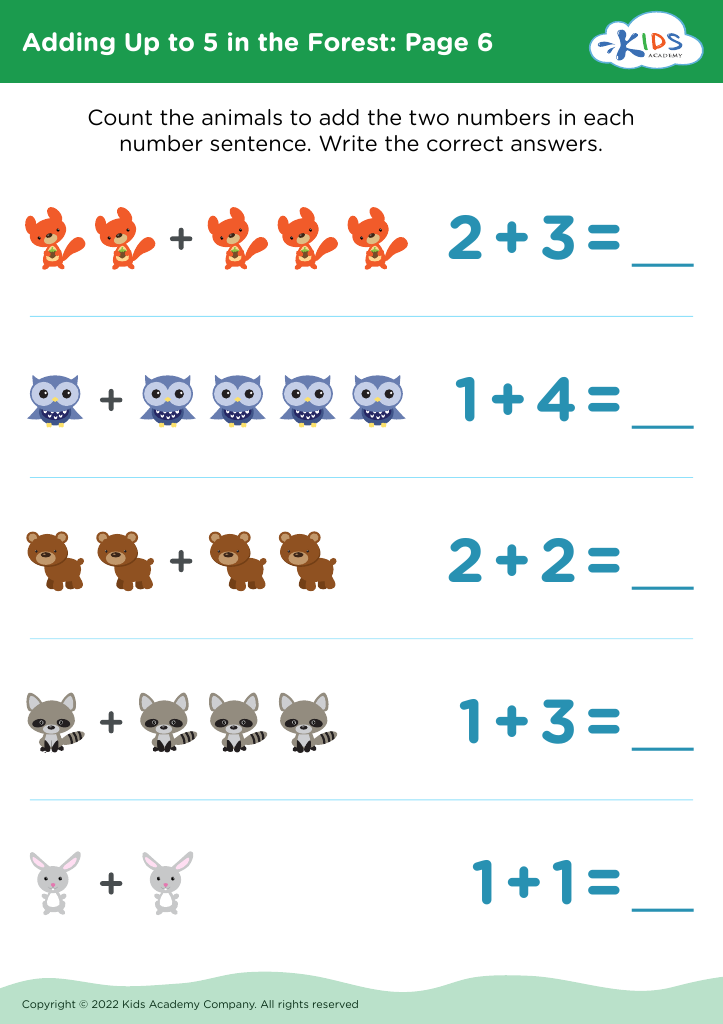
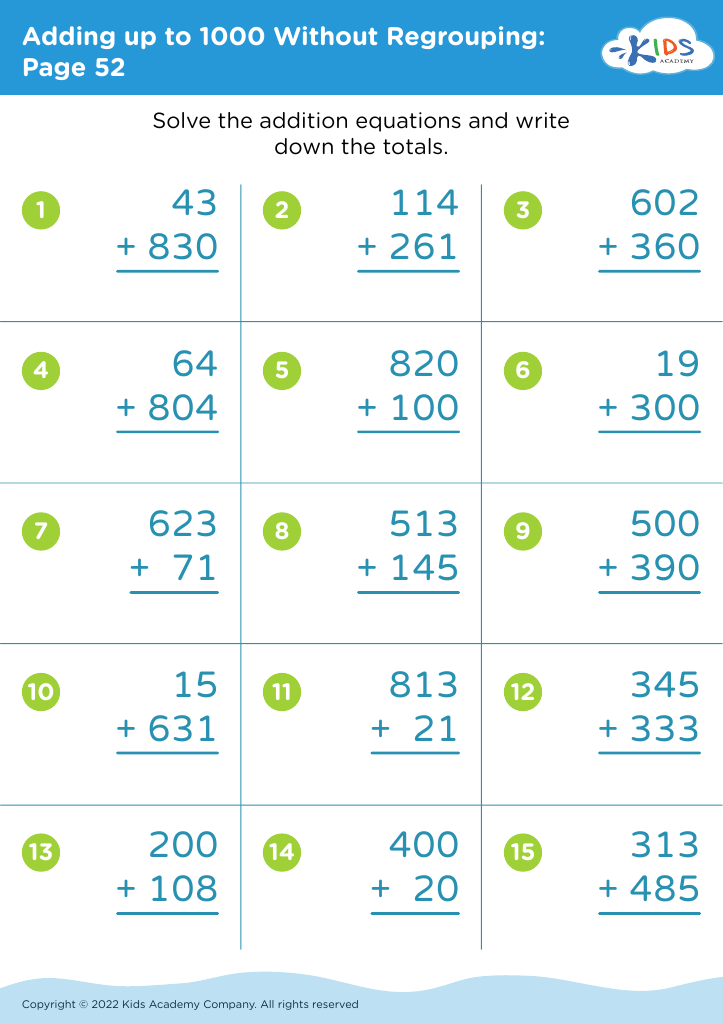
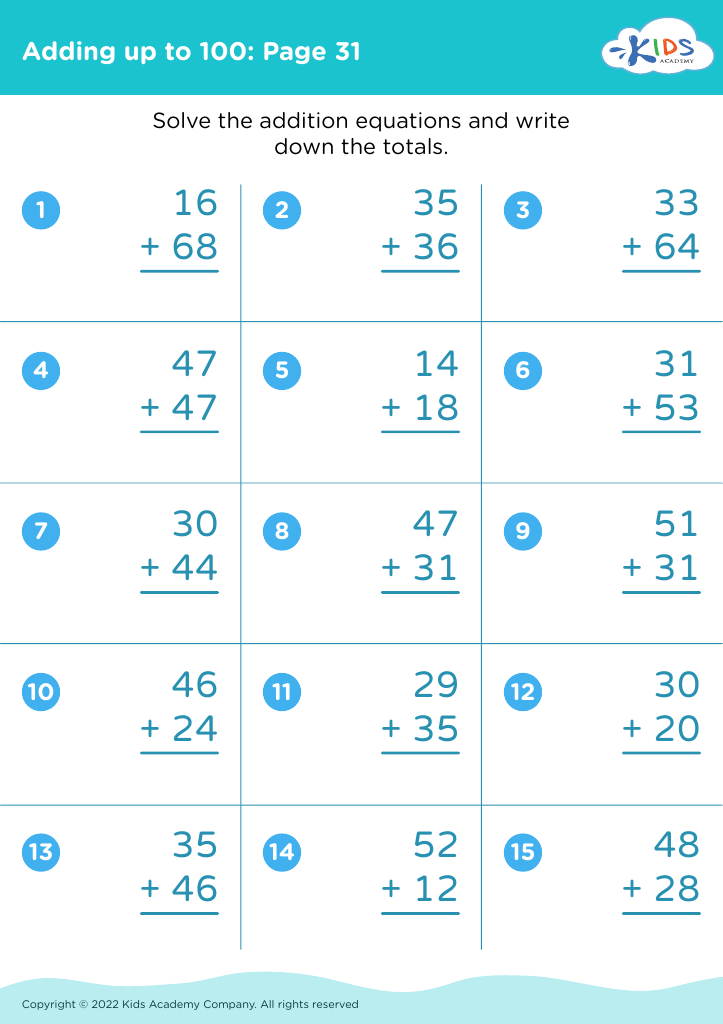
Enhance your child's fine motor skills and math abilities with our engaging worksheets, designed for children ages 4-8. Our printable resources at Kids Academy blend fun and education, helping young learners develop crucial hand-eye coordination through tracing, drawing, and cutting activities. Each worksheet incorporates age-appropriate math concepts, such as counting, addition, and subtraction, to build foundational skills. Perfect for at-home learning or classroom use, these activities foster both cognitive and motor development. Unlock your child's potential with our expert-created resources, ensuring a balanced approach to early childhood education. Start today with Kids Academy!
Favorites
With answer key
Interactive
Join Kids Academy for Free
Who is primarily going to use this learning content?








Fostering fine motor skills in children aged 4-8 is crucial for multiple aspects of their development, particularly in enhancing their ability to learn math. Fine motor skills involve the coordination of small muscles, usually in the hands and fingers, and development in this area can significantly impact a child’s academic journey.
Math at this age is more than memorizing numbers; it's also about engaging in activities that require precision and coordination. Tasks like drawing shapes, writing numbers, and handling small objects like counting beads or coins demand fine motor skills. Strengthening these abilities enables children to participate more efficiently in math-related activities.
Moreover, fine motor skill development influences neurological growth. Fine-tuned hand-eye coordination can bolster cognitive tasks related to problem-solving and logical thinking—core components of math learning. Engaging in activities like threading beads, using tweezers to sort objects, or playing with activities that require pinching and grasping not only improves dexterity but also boosts focus and concentration.
By fostering fine motor skills, parents and teachers alike help open pathways for concentration, persistence, and precision—skills that are indispensable in math education and beyond. Early investment in these skills provides children with the foundational tools needed for effective learning and academic success throughout their educational careers.








