Learn new vocabulary Math Worksheets for Ages 4-8
4 filtered results
-
From - To
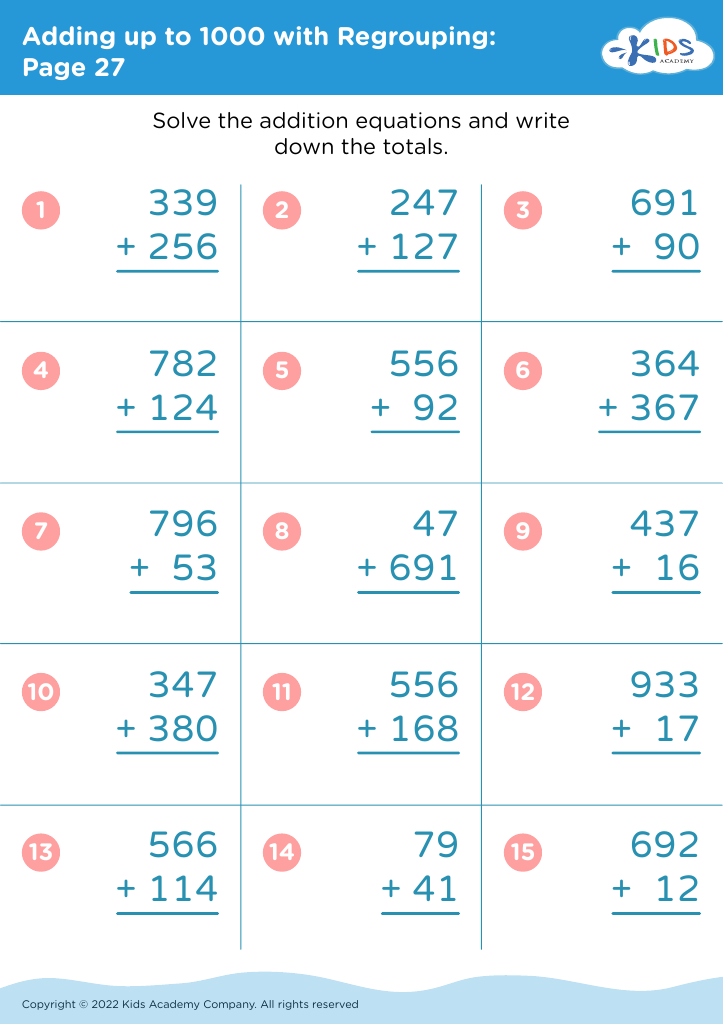
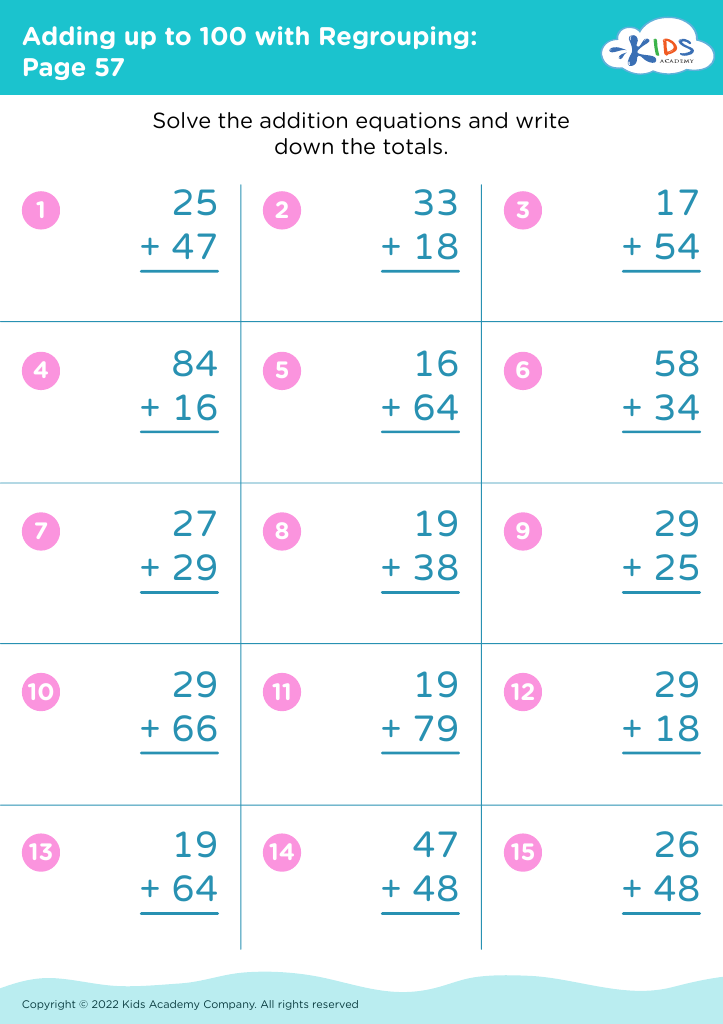
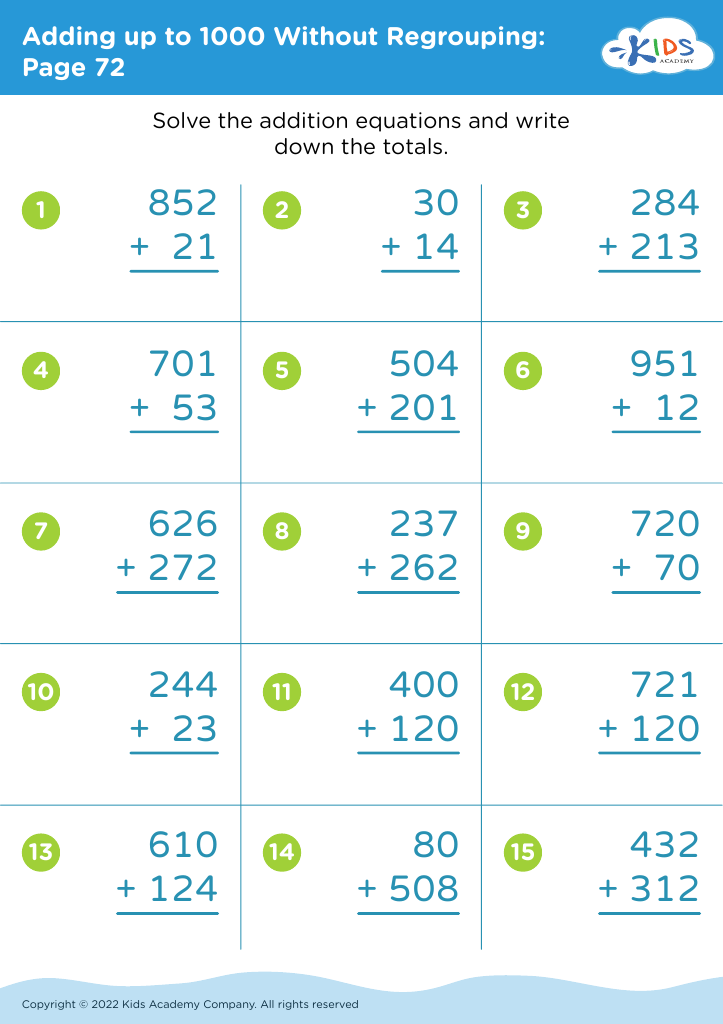
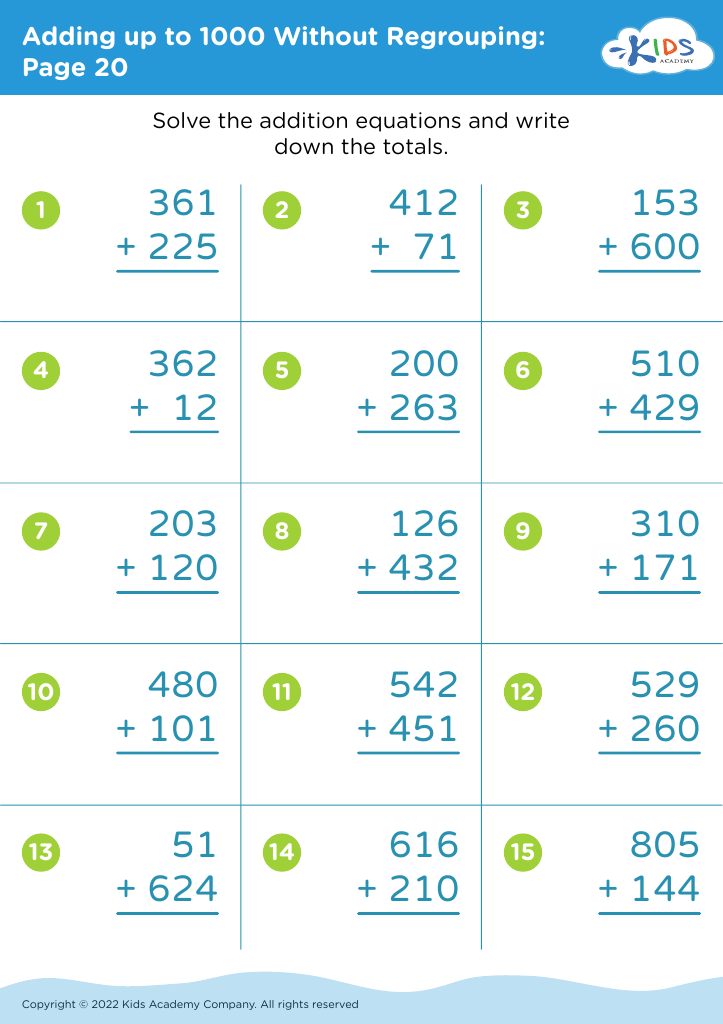
Enhance your child’s learning experience with our engaging "Learn New Vocabulary Math Worksheets" designed specifically for ages 4-8. These interactive printables help young learners master essential math vocabulary while building their foundational skills. Each worksheet incorporates fun activities and colorful visuals that make learning exciting and accessible. Whether your child is identifying shapes, counting numbers, or exploring basic operations, these worksheets will reinforce their understanding and boost their confidence. Ideal for both classroom and home use, our resources are perfect for helping children develop a strong mathematical vocabulary that sets the stage for future success. Start enriching your child’s learning journey today!








Ensuring young learners aged 4-8 acquire new math-related vocabulary is paramount for their cognitive and language development. Vocabulary such as "addition," "subtract," "greater than," and "equal" not only facilitates mathematical understanding but also enhances critical thinking and problem-solving skills. When children grasp these concepts, they build a solid foundation for future learning.
Parents and teachers play crucial roles in this process. By introducing math vocabulary in engaging ways—through stories, games, and real-life applications—they make learning interactive and enjoyable. This approach can help children connect math to their daily experiences, thus fostering a positive attitude towards the subject.
Moreover, strong math vocabulary skills are linked to better performance in standardized tests and overall academic achievement. As cognitive development is closely interrelated with language acquisition, helping students articulate mathematical concepts will boost their confidence in communicating their thoughts and tackling challenges.
Investing time in expanding young children's math vocabulary can lead to lifelong skills that equip them for higher-level math and logic, which ultimately supports their educational journey. By prioritizing this essential aspect of learning, parents and teachers can vastly influence a child’s academic trajectory and attitudes towards math.








