Letter recognition Math Worksheets for Ages 4-8
5 filtered results
-
From - To
Discover engaging Letter Recognition Math Worksheets designed for children ages 4-8! Our diverse collection supports early learners in mastering the essentials of letter recognition while integrating fun math concepts. Each worksheet features vibrant illustrations and age-appropriate activities that captivate young minds and enhance their understanding of letters and numbers. These worksheets foster essential skills through a mix of tracing, identifying, and matching exercises, promoting both literacy and numeracy. Ideal for parents and teachers, our resources aim to create a positive learning experience, allowing children to thrive in their foundational educational journey. Explore our worksheets and watch your child's confidence grow!
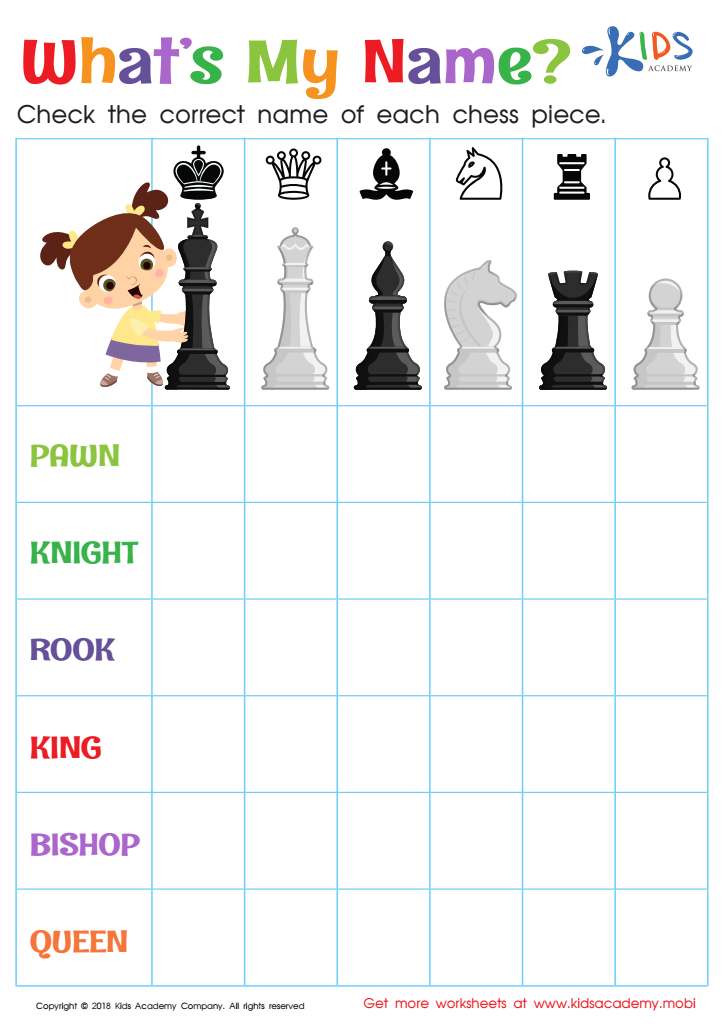
What's My Name? Worksheet
 Assign to My Students
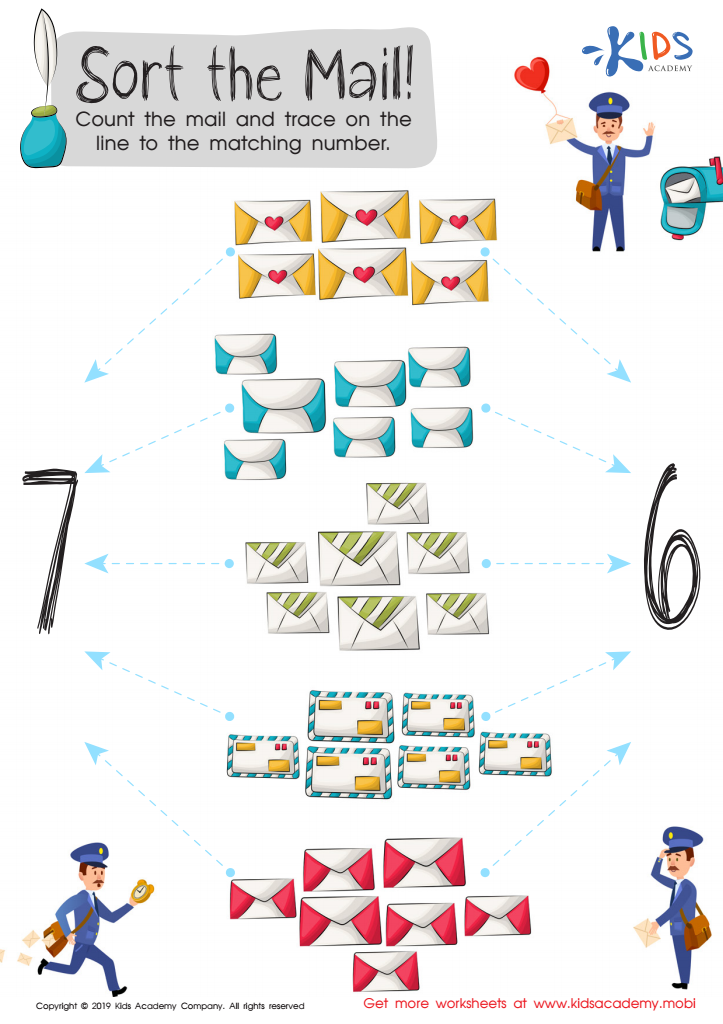
Sort the Mail Worksheet






Letter recognition is a fundamental skill for children ages 4-8, serving as the foundation for reading and writing. Parents and teachers should prioritize this skill because it plays a crucial role in literacy development, cognitive growth, and overall academic achievement. At this age, children are naturally curious and eager to learn, making it an ideal time to introduce letters and their sounds.
When children can recognize letters, they gain confidence, which promotes a love for reading and learning. Recognizing letters helps in the development of phonemic awareness, a precursor to successful reading. Additionally, understanding that letters represent sounds aids in early writing skills, enriching children's communication abilities.
Moreover, letter recognition is closely tied to daily life experiences—recognizing letters in signs, food packaging, or books enhances children's engagement with their environment, fostering their social and emotional development.
Teachers and parents should engage with children through interactive activities, games, and storytelling to make learning enjoyable and effective. By valuing letter recognition, adults can set their children on a path to successful literacy, laying the groundwork for lifelong learning and academic success in our text-driven world.








