Letter Tracing Practice Math Worksheets for Ages 4-8
3 filtered results
-
From - To
Welcome to our engaging "Letter Tracing Practice Math Worksheets" designed specifically for children ages 4-8! These fun and educational worksheets provide a perfect blend of literacy and numeracy skills, helping young learners refine their letter formation while engaging with basic math concepts. Your child will enjoy tracing letters and numbers, enhancing their fine motor skills, and building confidence in their handwriting abilities. Each worksheet features colorful illustrations and activities to keep kids motivated and excited about learning. Download our printable worksheets today to support your child’s journey in becoming both a skilled writer and an enthusiastic little mathematician!
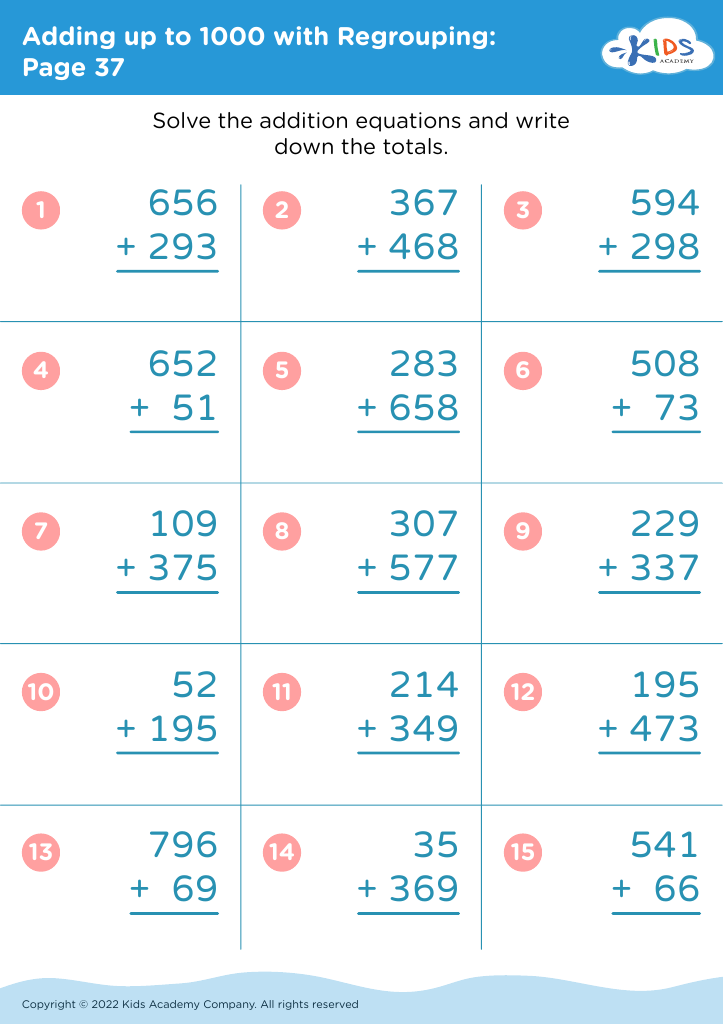
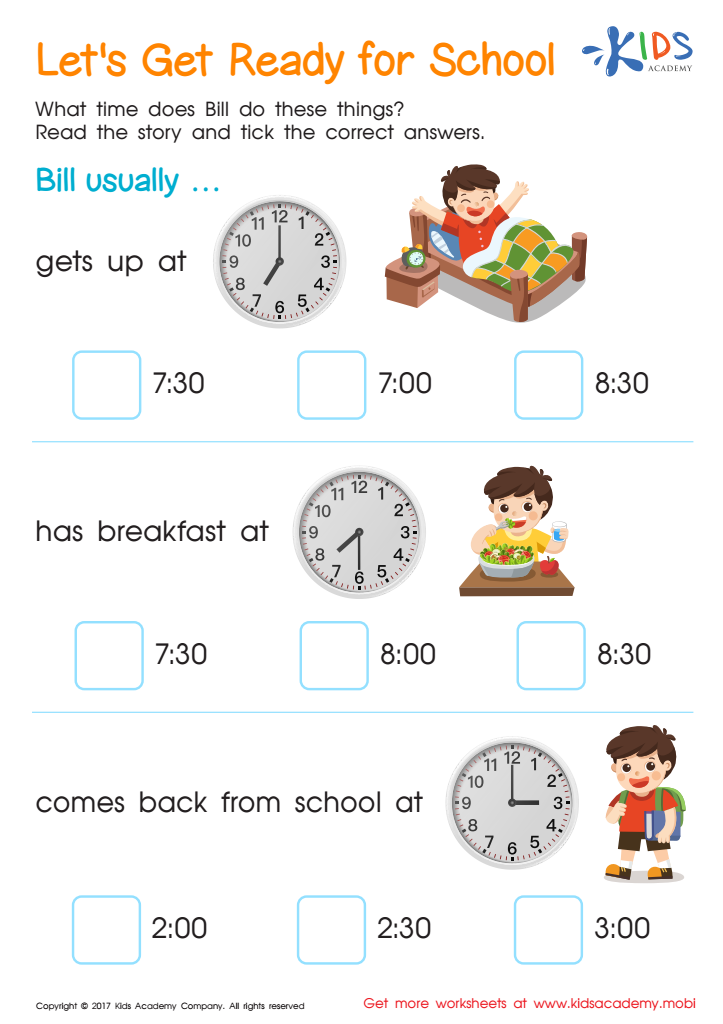
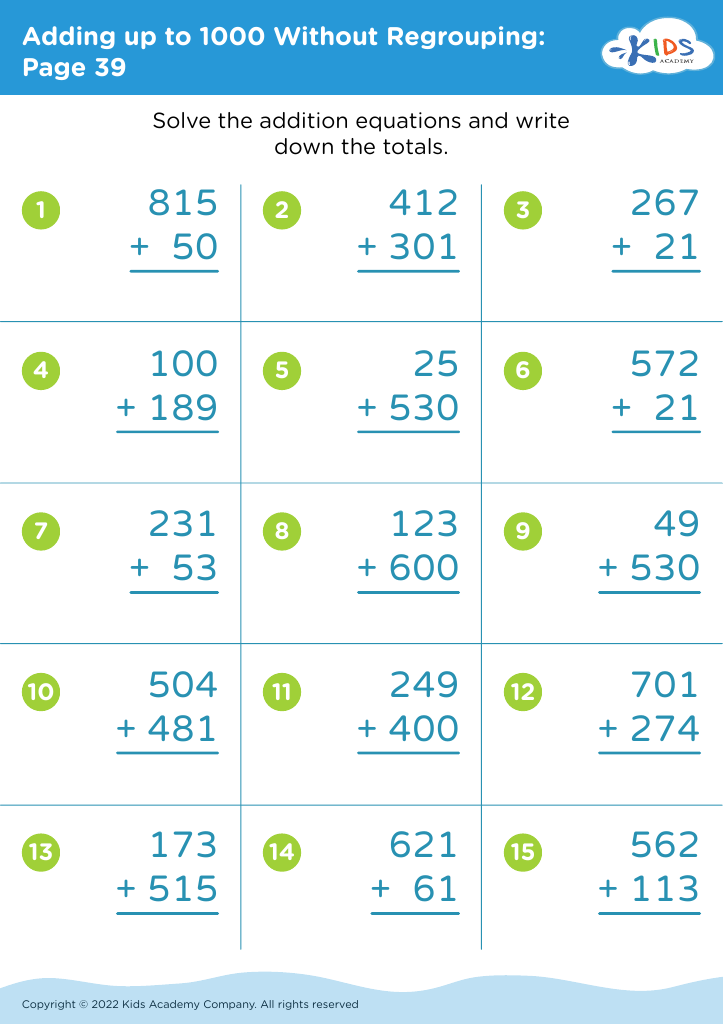
Lets Get Ready For School Time Printable
 Assign to My Students








Parents and teachers should prioritize letter tracing practice for children ages 4-8 as it plays a crucial role in foundational literacy and fine motor skills development. At this age, children are actively developing their handwriting abilities and learning to recognize letters, which are essential for reading and writing readiness. Letter tracing combines visual recognition with physical movement, reinforcing letter shapes and promoting muscle memory in hand movements.
Additionally, letter tracing can enhance cognitive skills by engaging children in a structured activity that requires focus and concentration. It fosters discipline and patience as they work to master each letter. This practice also supports early math skills; by integrating numbers and basic math symbols with letter tracing, children can start to see the relationships between letters, numbers, and sounds.
Moreover, letter tracing can be a fun, interactive experience when parents and teachers encourage a positive learning environment. Incorporating engaging materials, such as workbooks or sensory activities, keeps children motivated. This engaging approach not only bolsters educational skills but also builds confidence in their abilities, setting the stage for future academic success. Investing time in letter tracing helps create a strong literacy foundation essential for lifelong learning.








