Mathematical reasoning Math Worksheets for Ages 4-8 - Page 2
63 filtered results
-
From - To
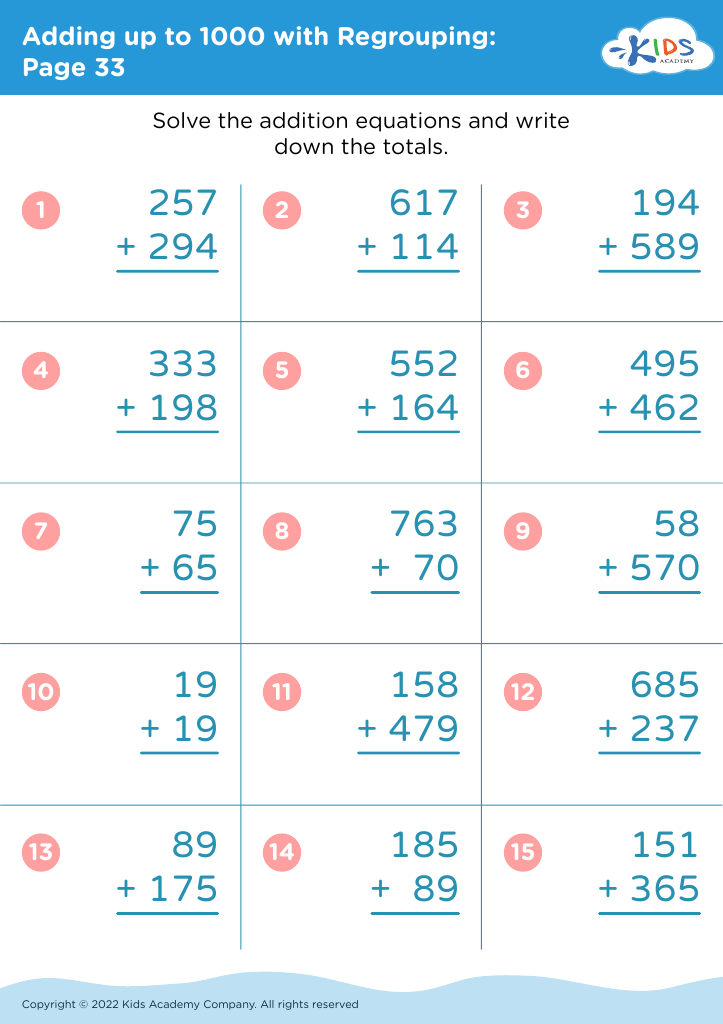
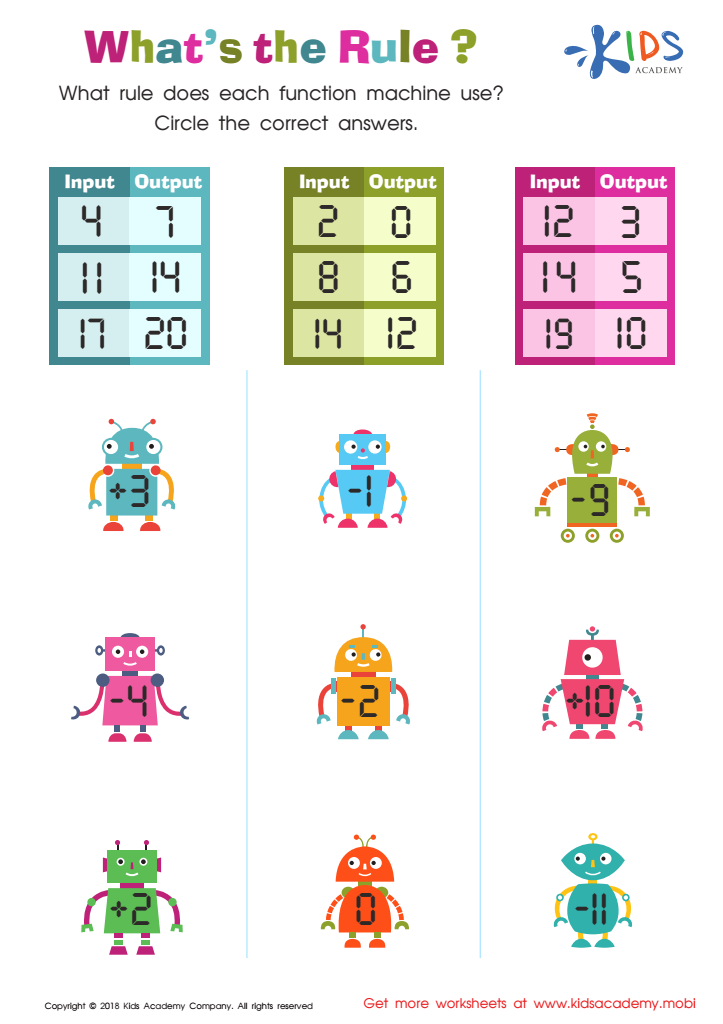
What's the Rule Worksheet
 Assign to My Students
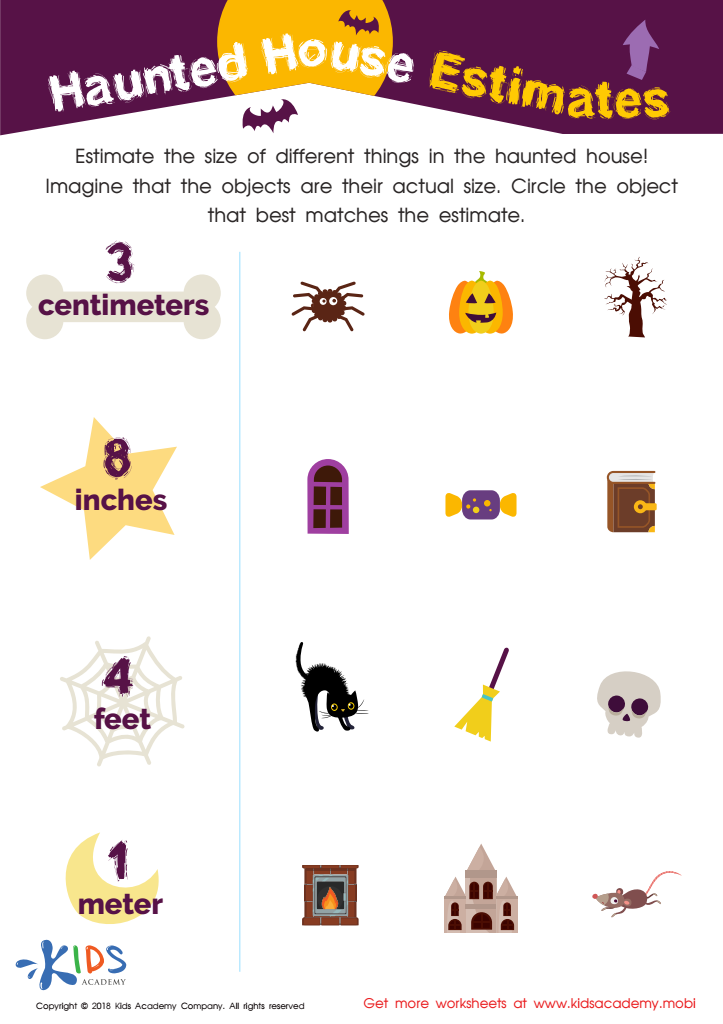
Haunted House Estimates Worksheet
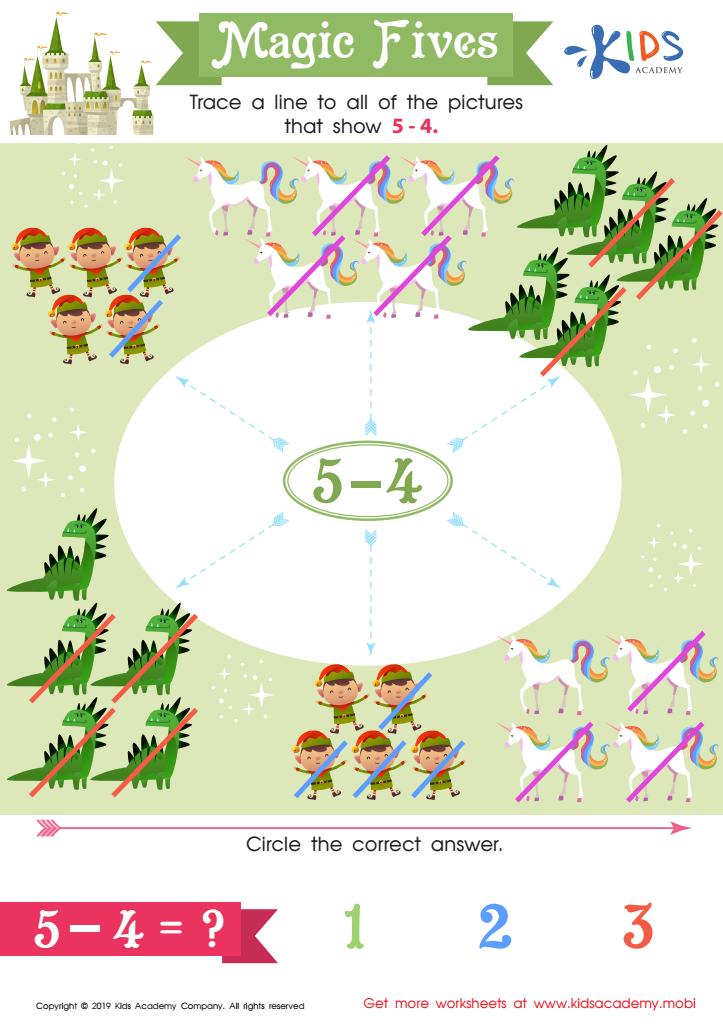
Magic Fives Worksheet
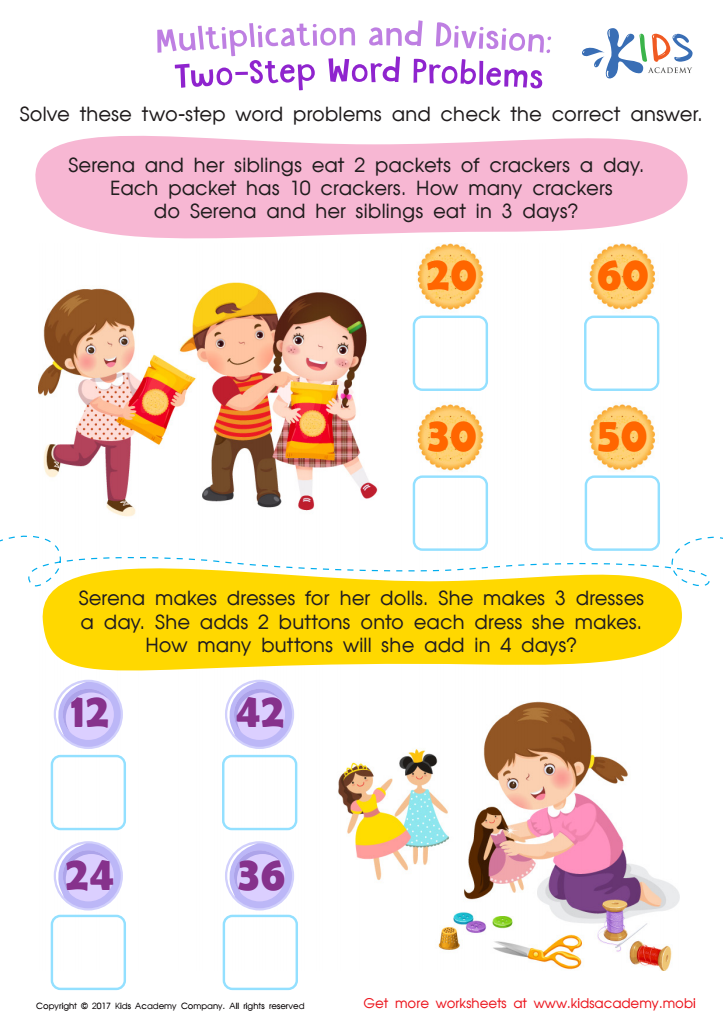
Two Step Word Problems Worksheet
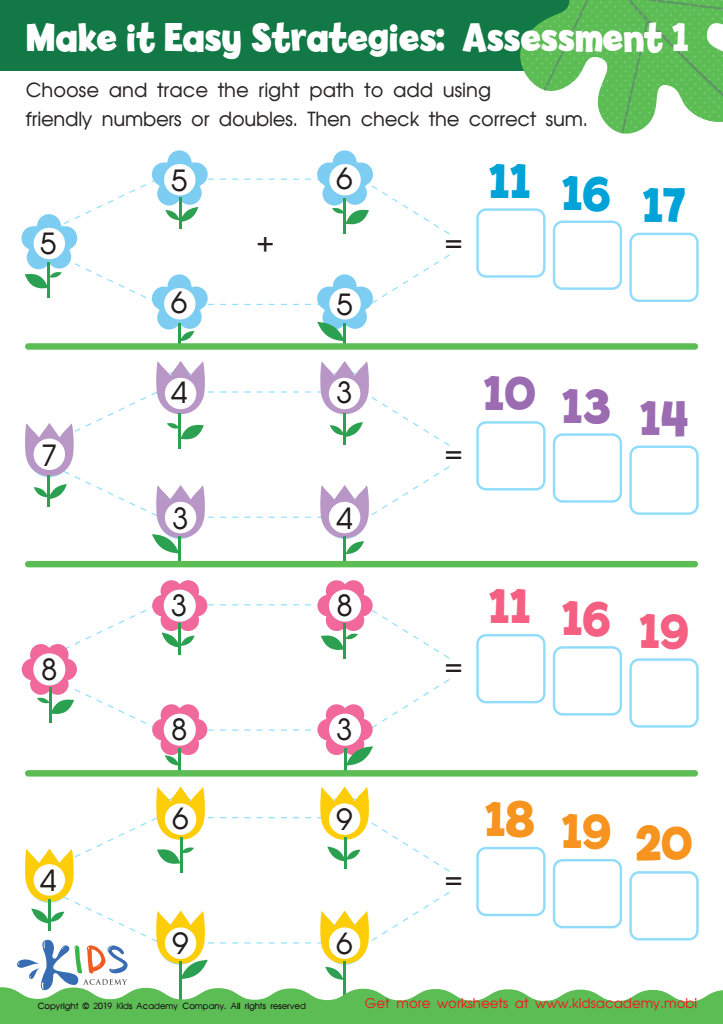
Make it Easy Strategies: Assessment 1 Worksheet
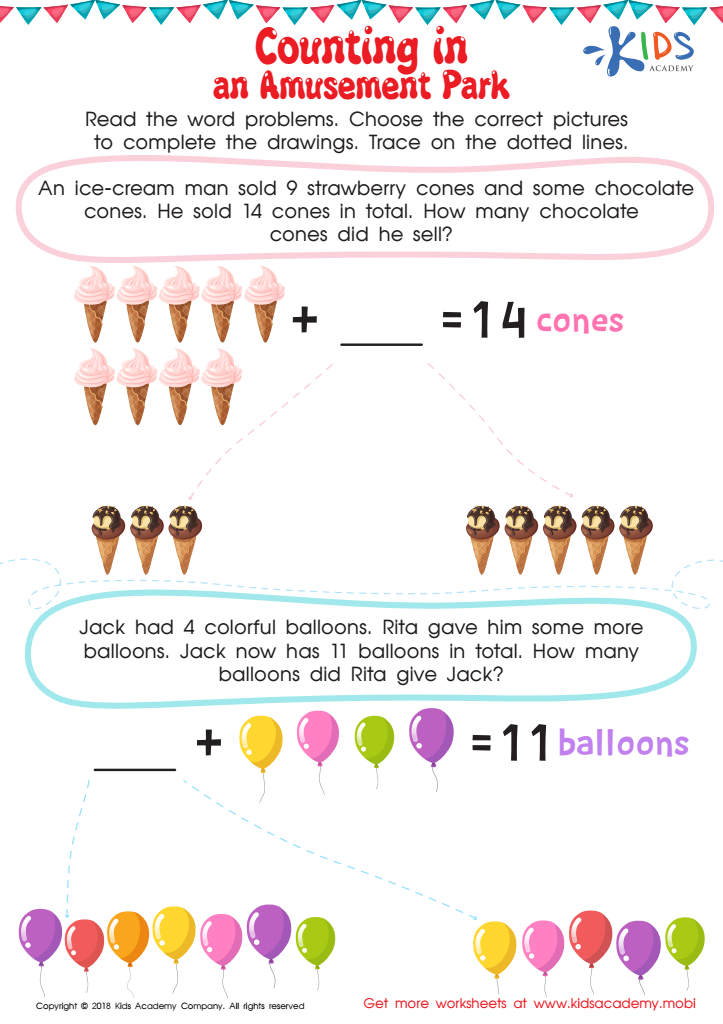
Counting in an Amusement Park Worksheet
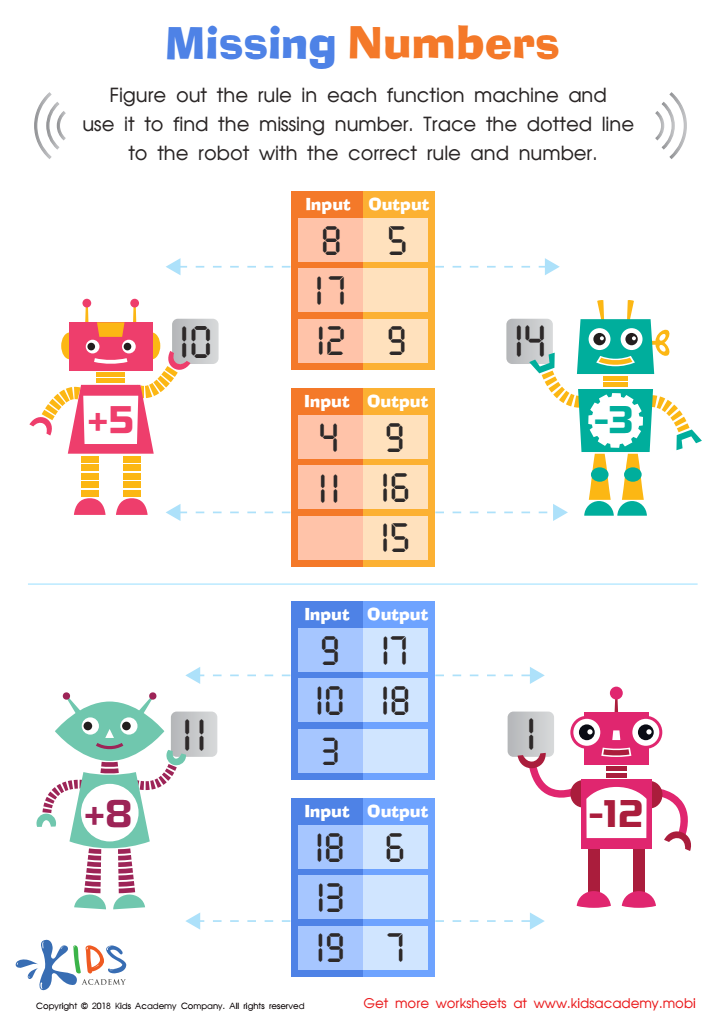
Missing Numbers Worksheet
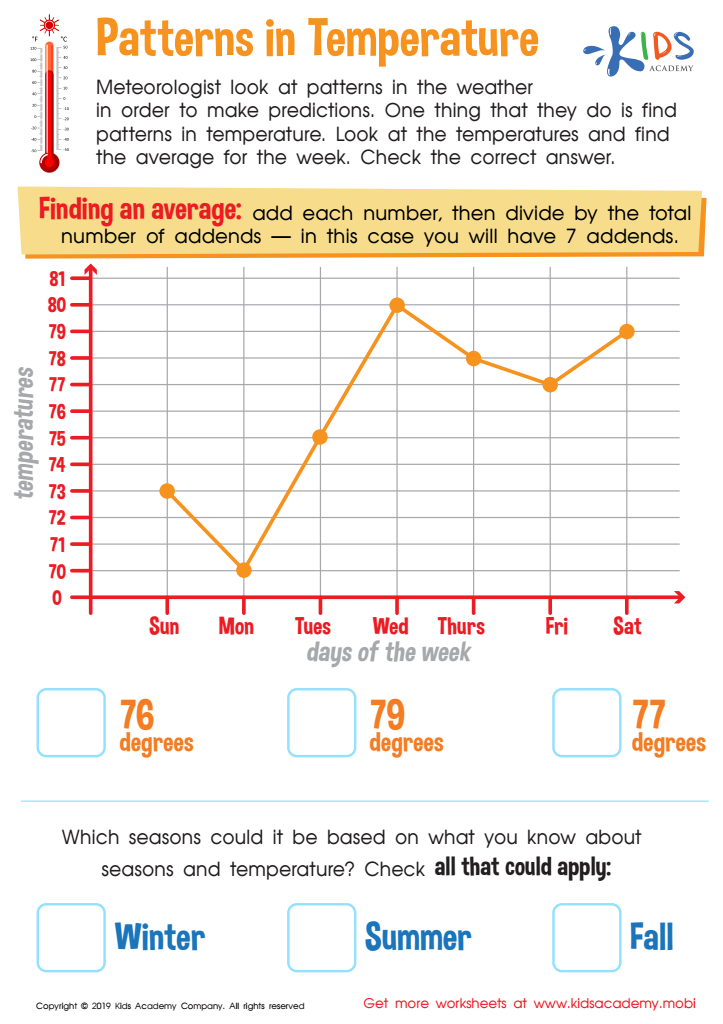
Patterns in Temperature Worksheet
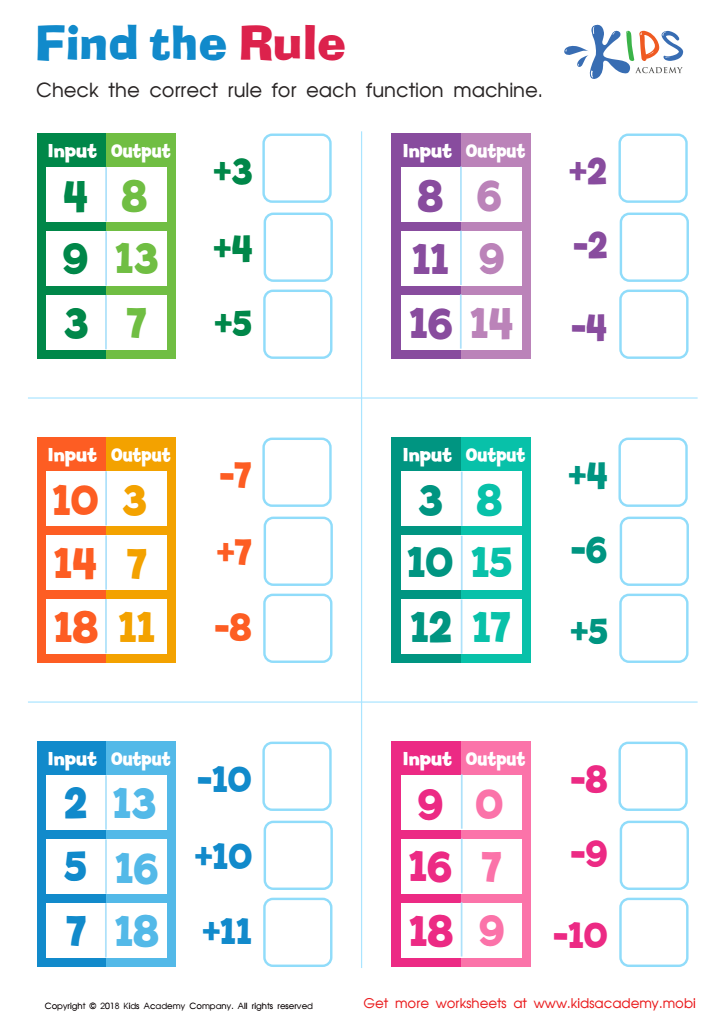
Find the Rule Worksheet
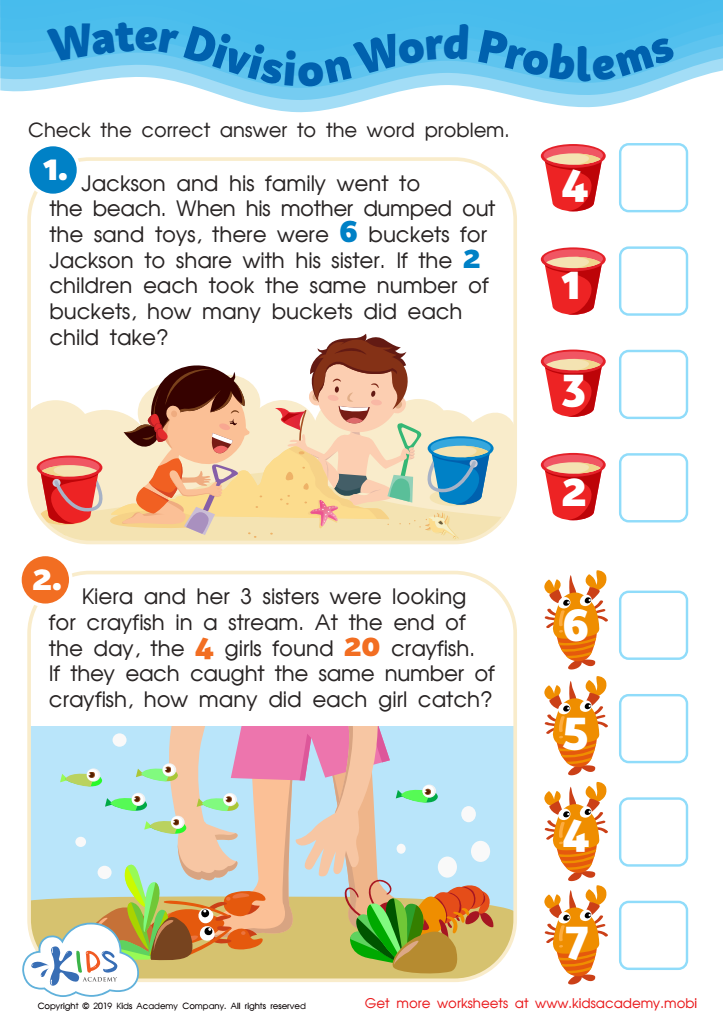
Water Division Word Problems Worksheet
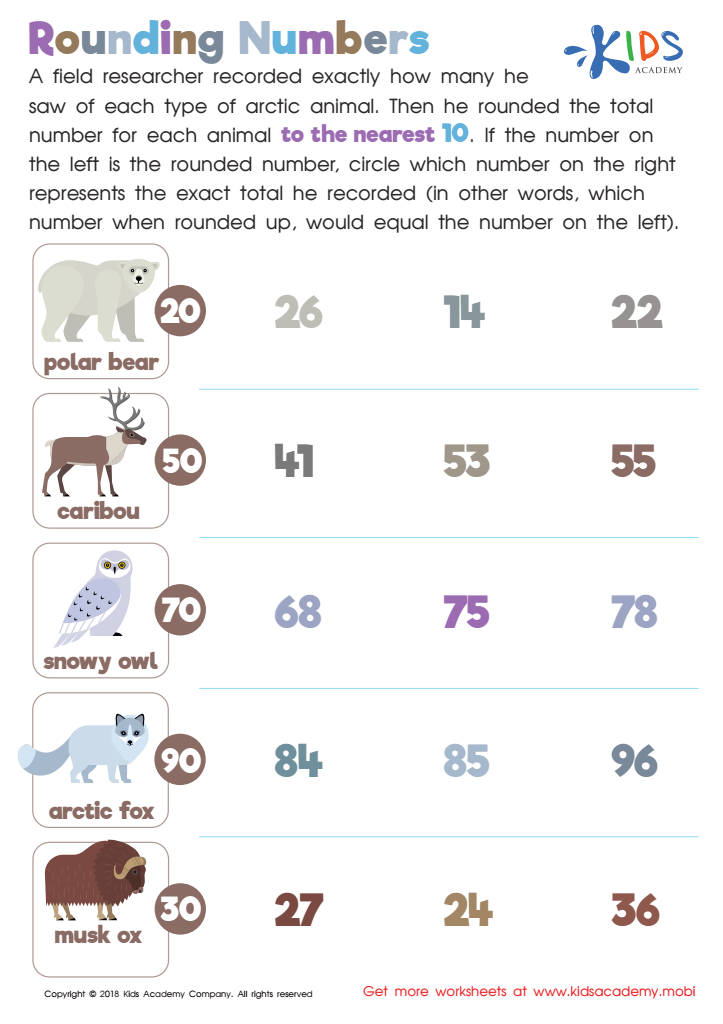
Rounding Numbers Worksheet
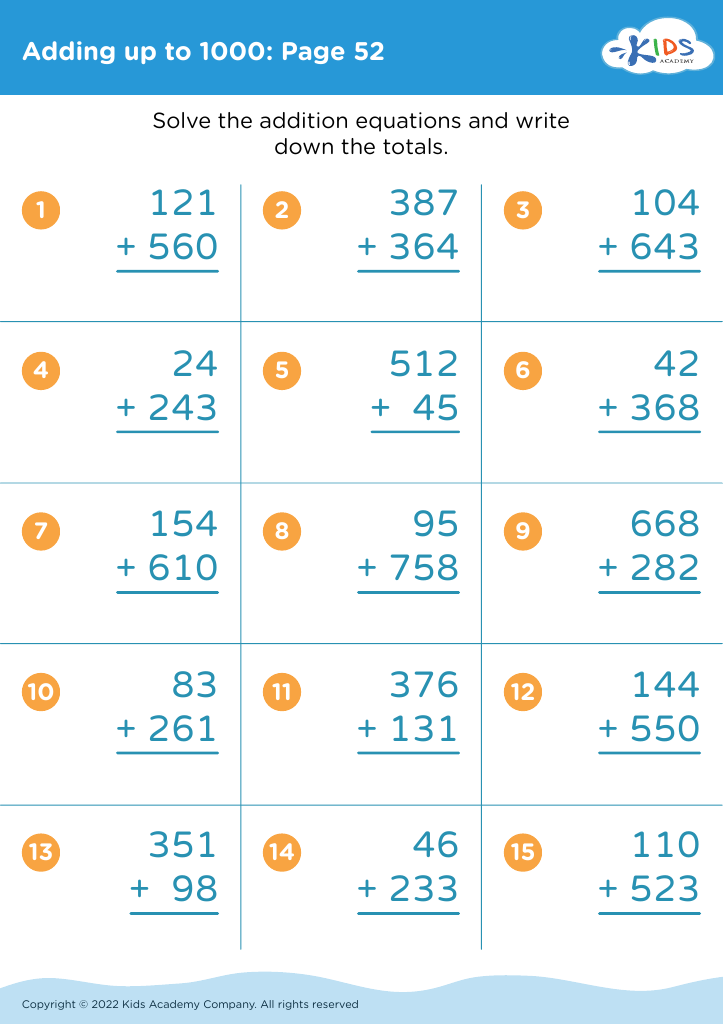
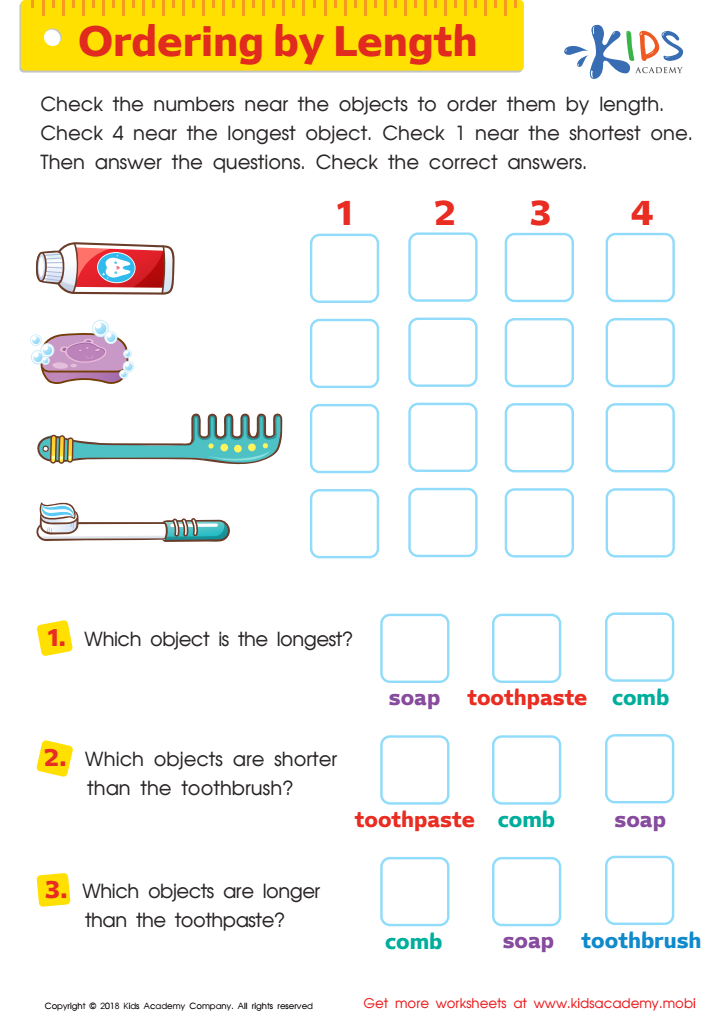
Ordering by Length Worksheet
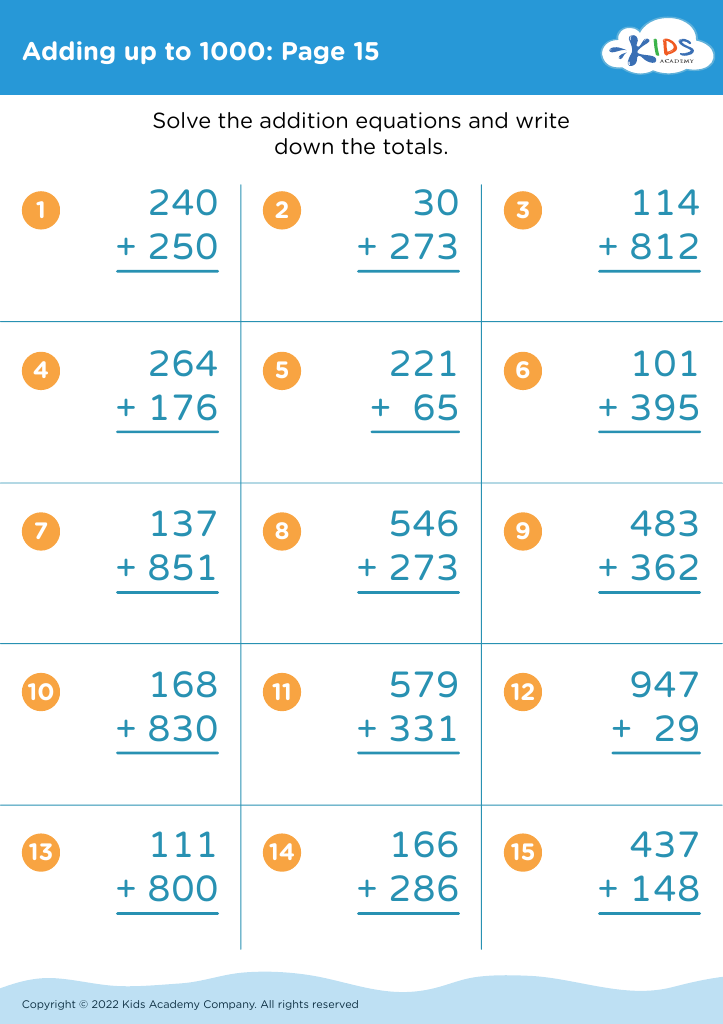
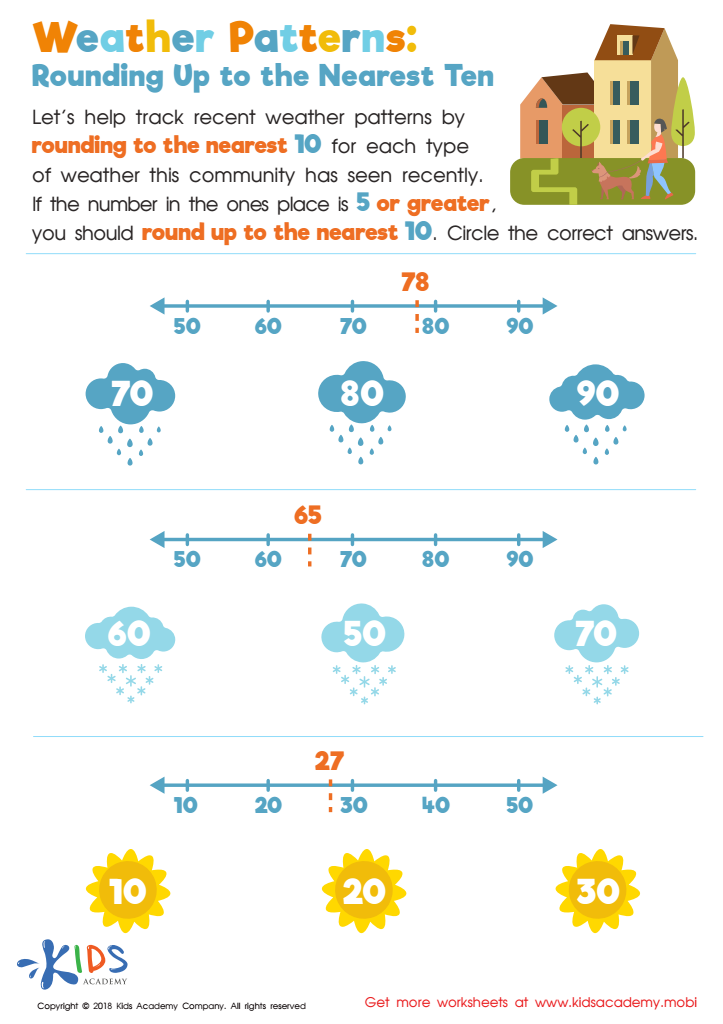
Weather Patterns Worksheet
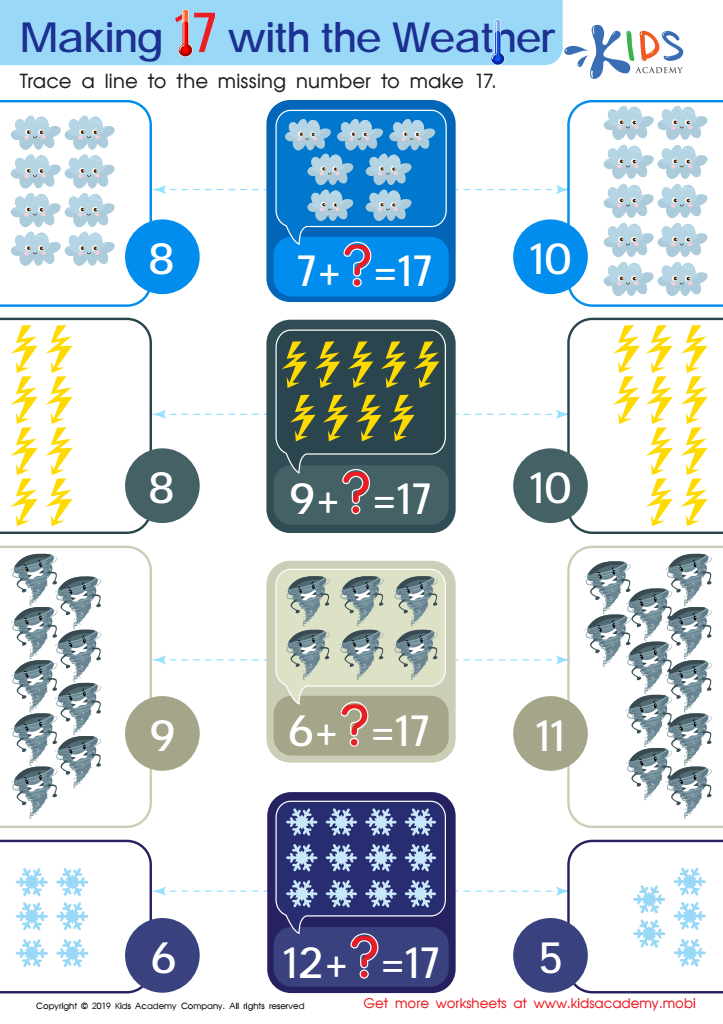
Making 17 with the Weather Worksheet
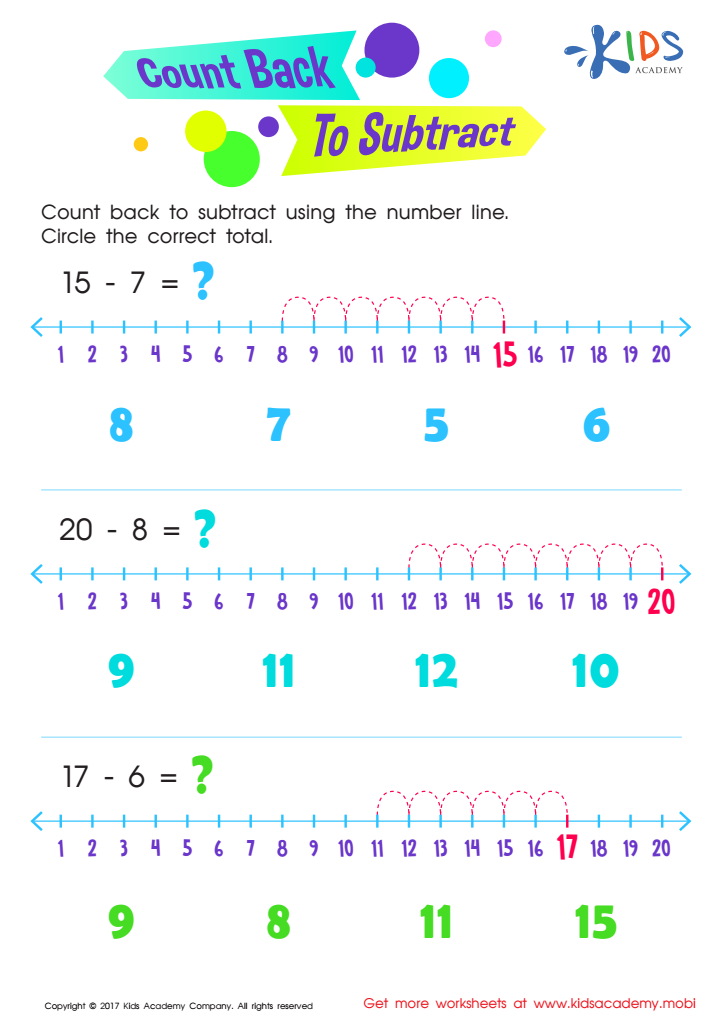
Count Back to Subtract Substraction Worksheet
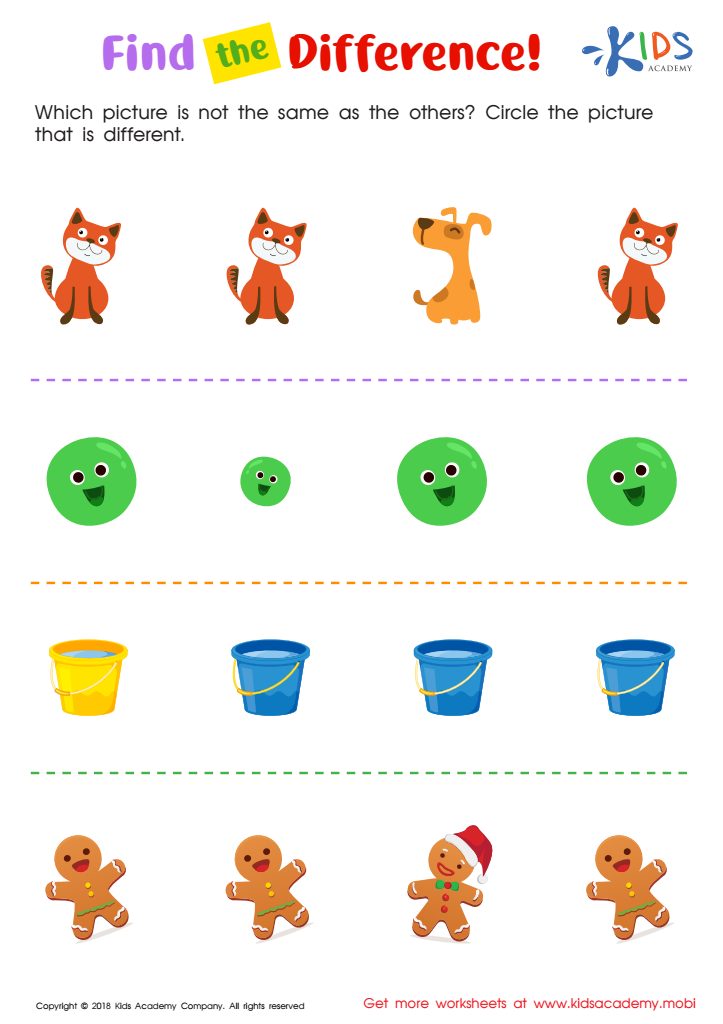
Find the Difference Worksheet
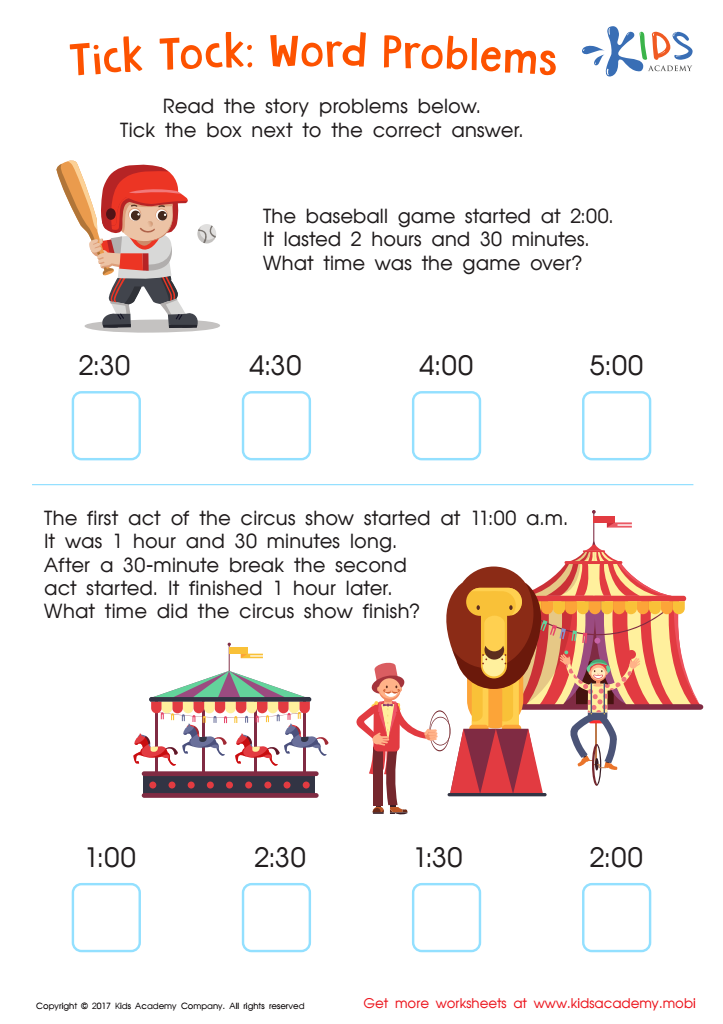
Tick Tock Word Problems Time Worksheet
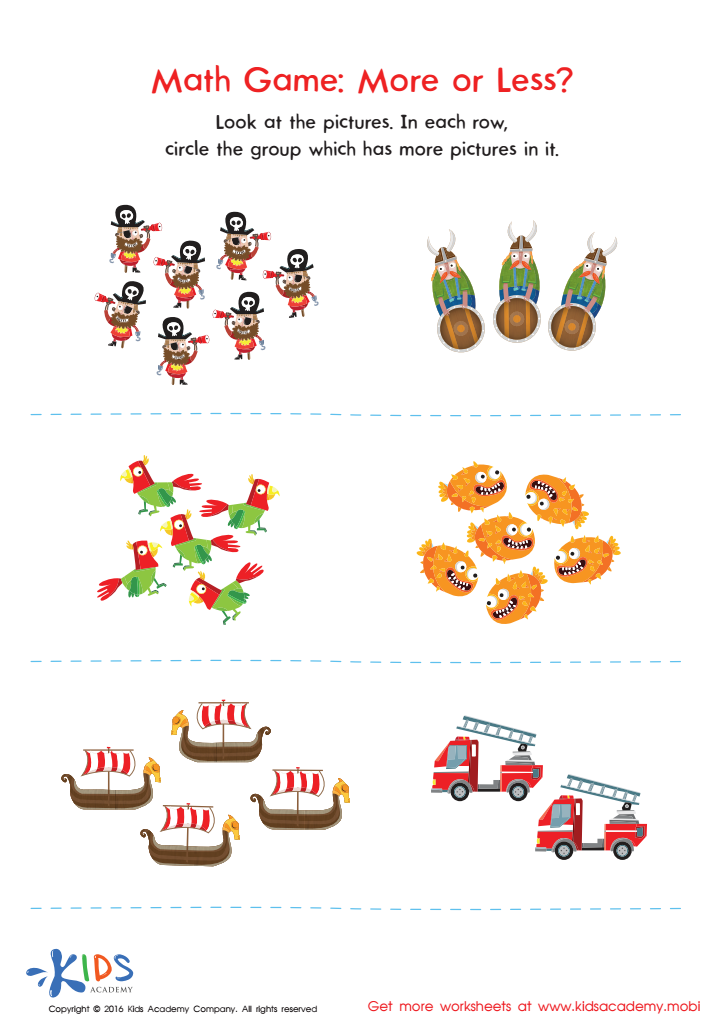
More or Less Worksheet
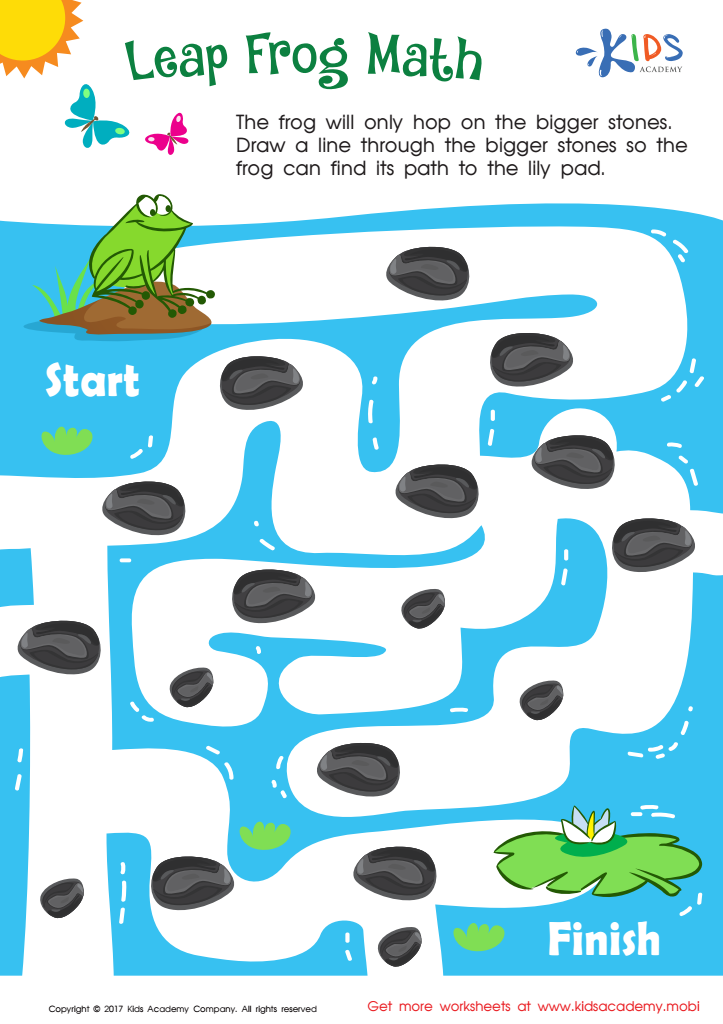
Math Puzzle Worksheet
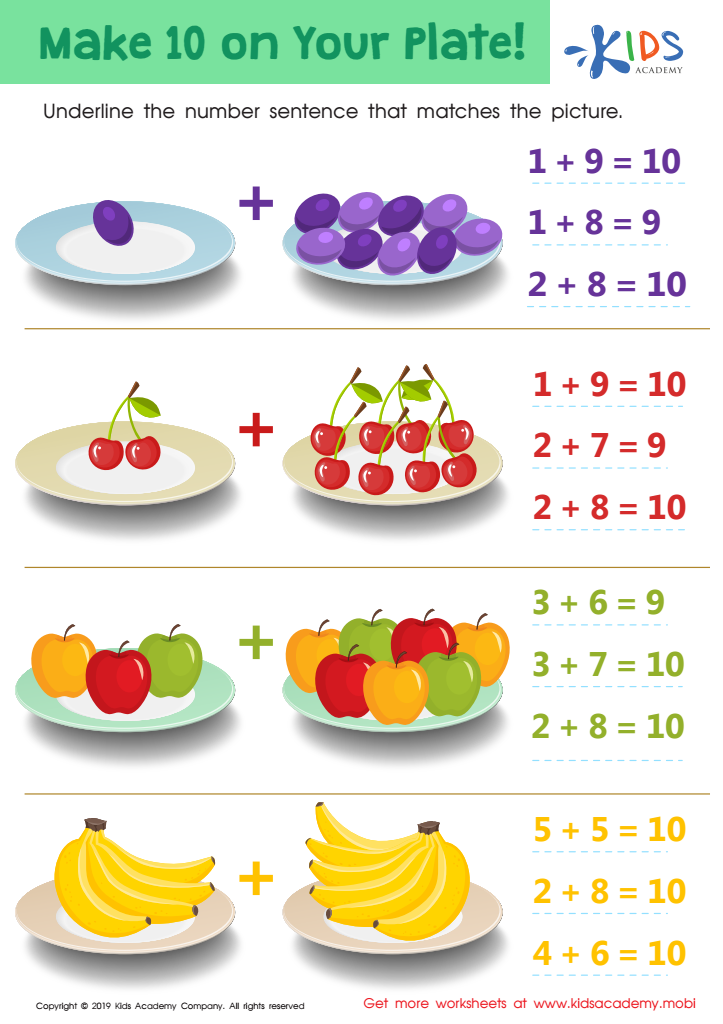
Make 10 on Your Plate! Worksheet








Mathematical reasoning is a cornerstone of early education that lays the foundation for critical thinking and problem-solving. For children ages 4-8, this skill is vital as it helps them make sense of the world around them. Parents and teachers should prioritize mathematical reasoning because it goes beyond rote memorization; it encourages children to understand concepts, recognize patterns, and make connections between numbers and everyday life.
Engaging in mathematical reasoning cultivates a child's ability to think logically and analytically. For instance, when children are encouraged to explain their thought processes while solving a math problem, they develop confidence and a deeper understanding of numerical relationships. This skill is essential not only in math but also in reading comprehension and scientific inquiry.
Moreover, fostering a strong foundation in mathematical reasoning can significantly impact a child's future academic success. It aids in building resilience, as children learn to tackle challenges and approach problems creatively. By nurturing this foundational skill, parents and teachers set children on a path toward lifelong learning. Ultimately, investing in mathematical reasoning at an early age promotes cognitive development, enhances academic achievement, and prepares children for a world increasingly driven by technology and data.








