Number identification Math Worksheets for Ages 4-8
13 filtered results
-
From - To
Discover our engaging Number Identification Math Worksheets designed specifically for children ages 4-8. These worksheets aim to help young learners recognize and understand numbers through fun and interactive activities. With a variety of exercises, kids will practice number tracing, counting, and matching while building a solid foundation in math. Our colorful and visually appealing worksheets keep children motivated and excited to learn. Ideal for both classroom use and home study, these resources are perfect for reinforcing number skills and enhancing early math development. Explore our collection to support your child's mathematical journey today!
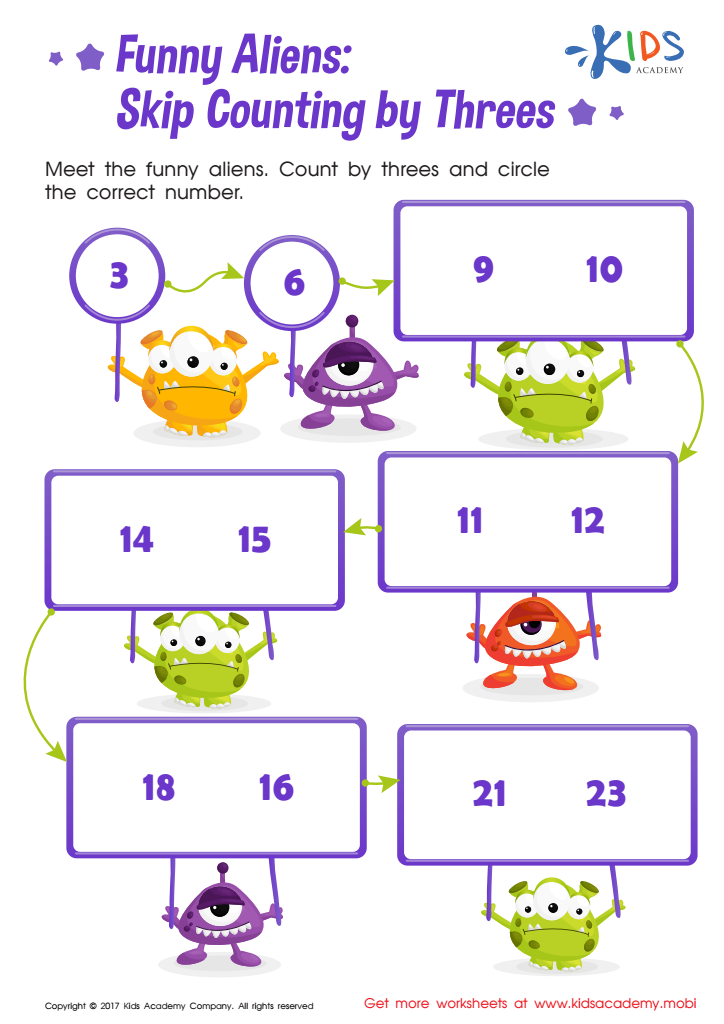
Skip Counting by 3s: Funny Aliens Printable
 Assign to My Students
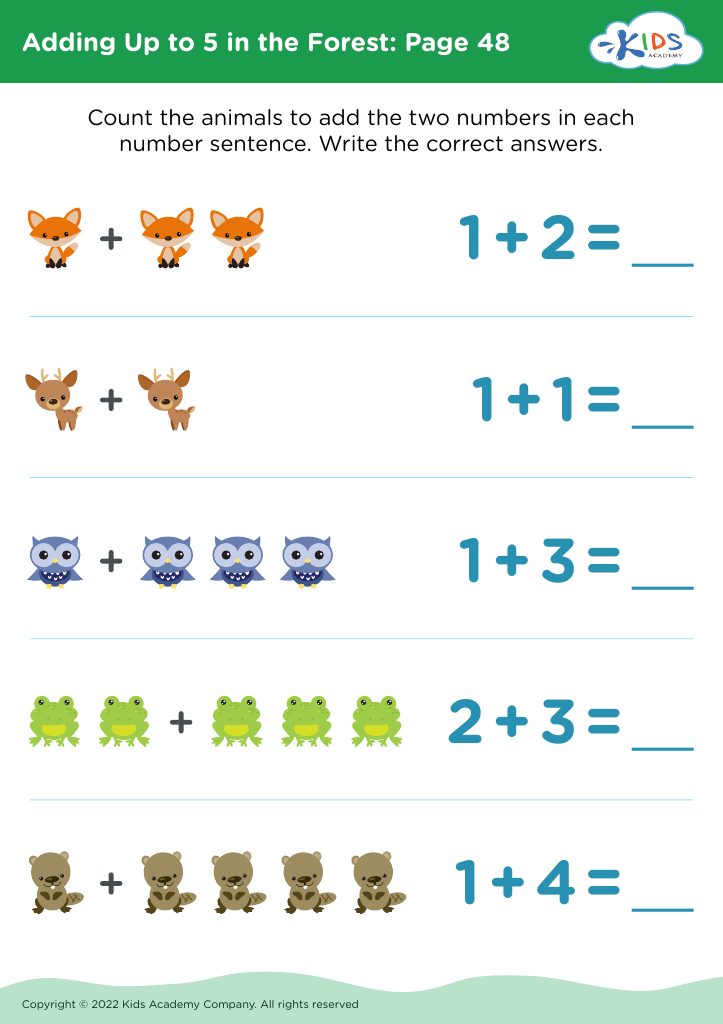
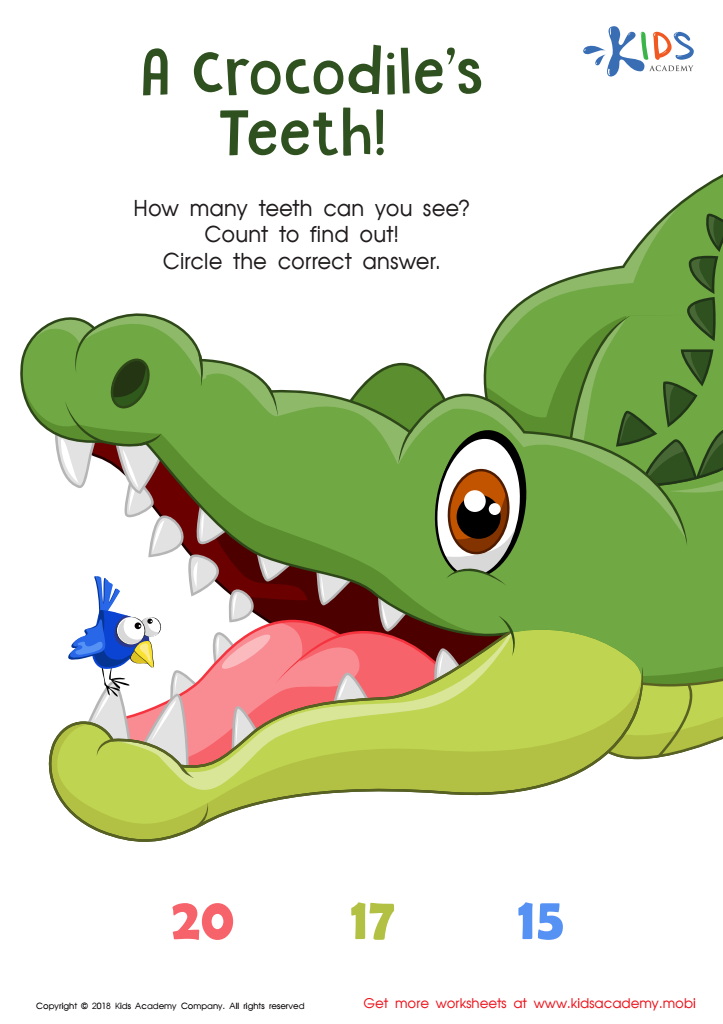
A Crocodile's Teeth Worksheet
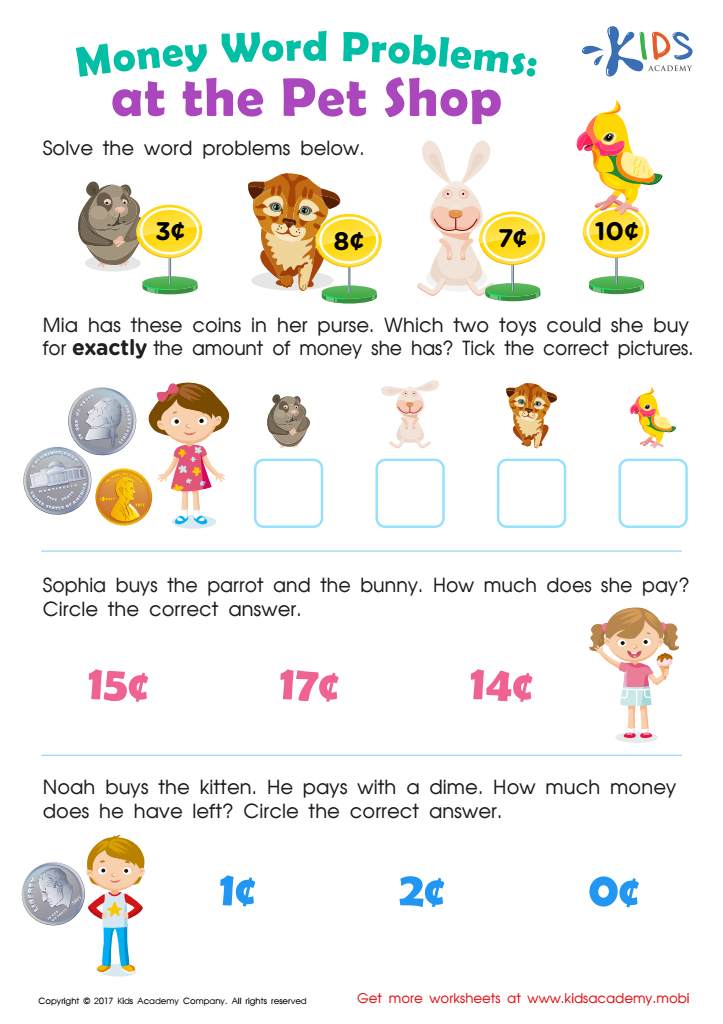
Pet Shop Worksheet
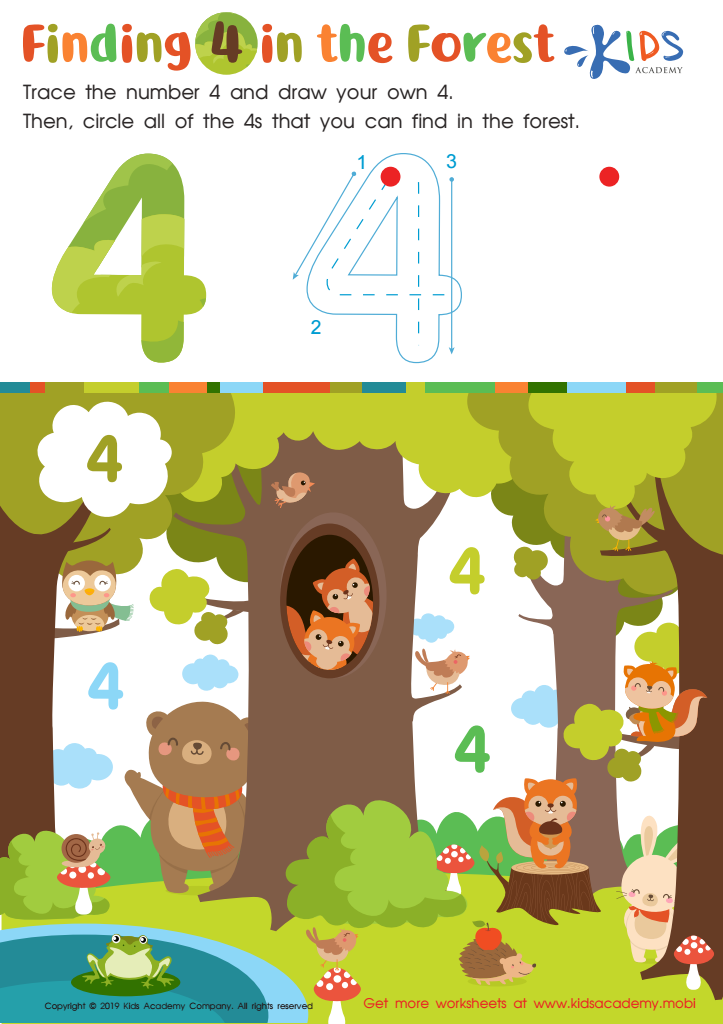
Finding 4 in the Forest Worksheet
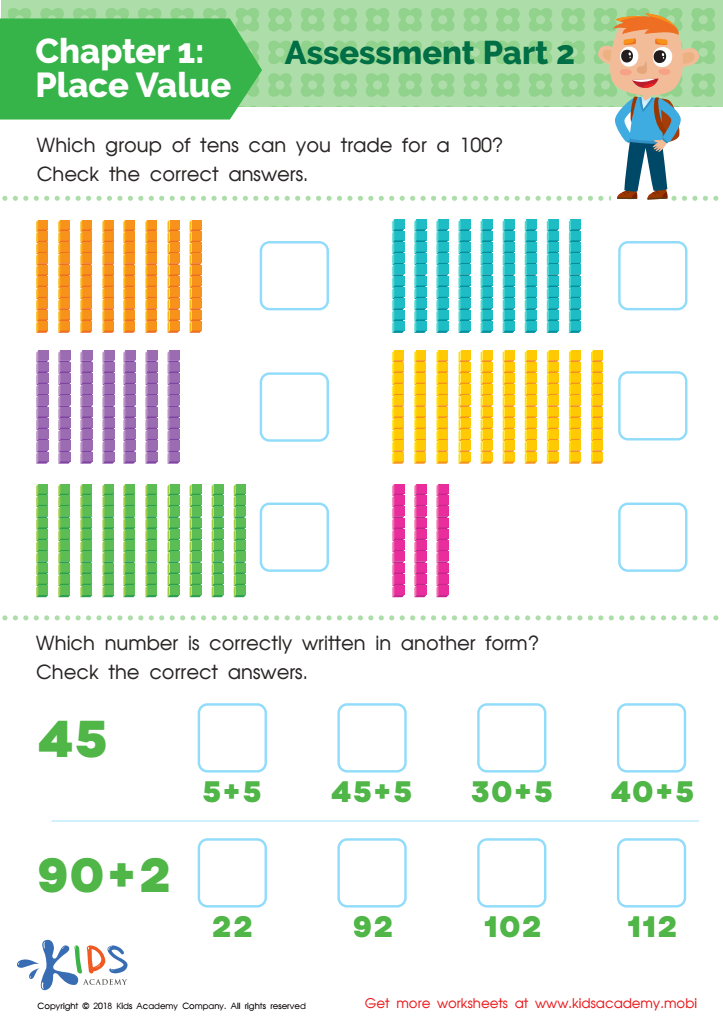
Place Value: Chapter 2 Worksheet
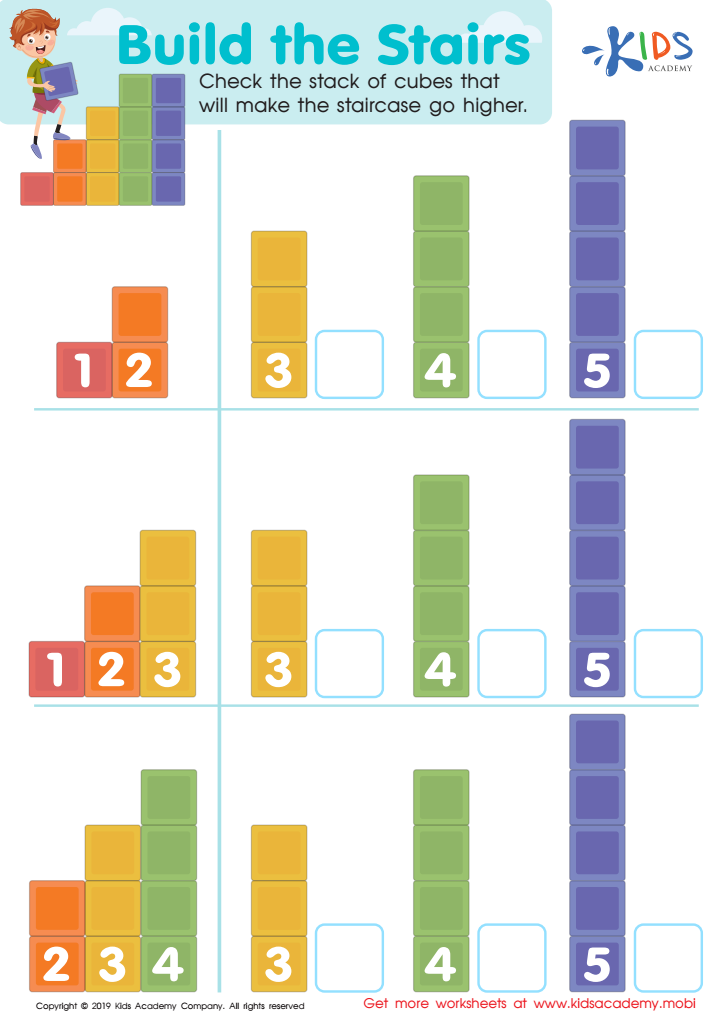
Build the Stairs Worksheet
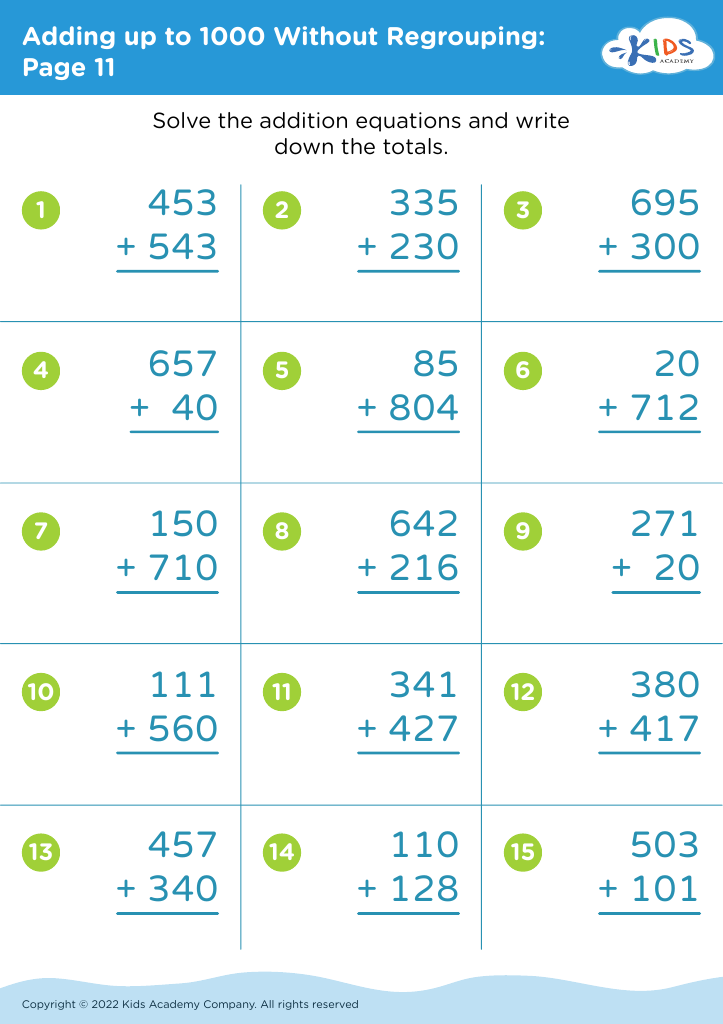
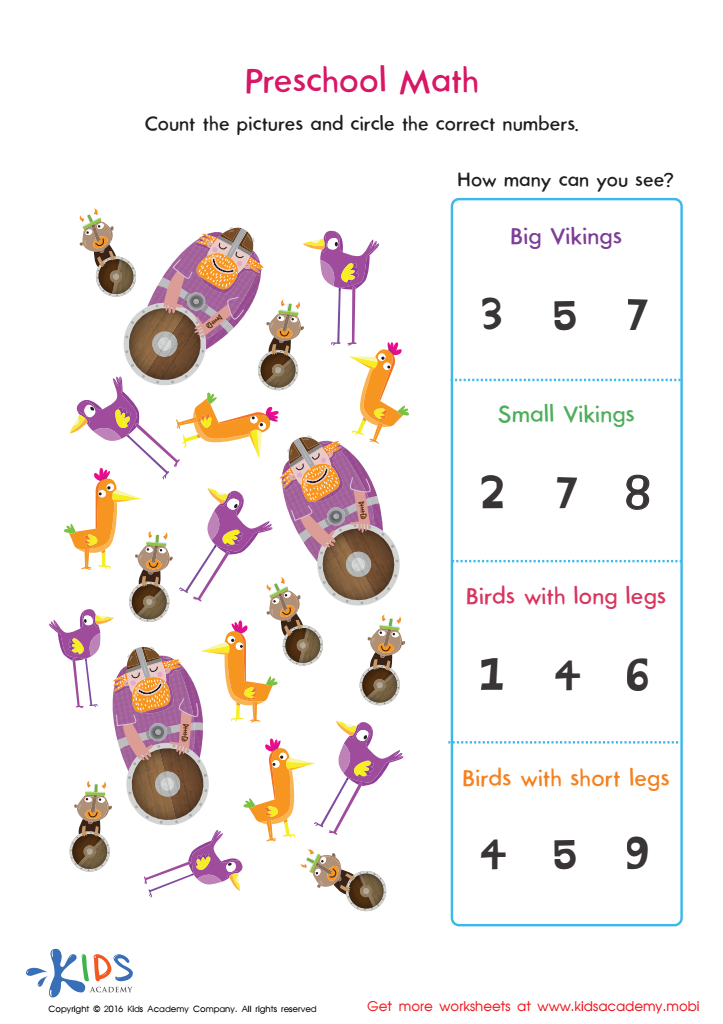
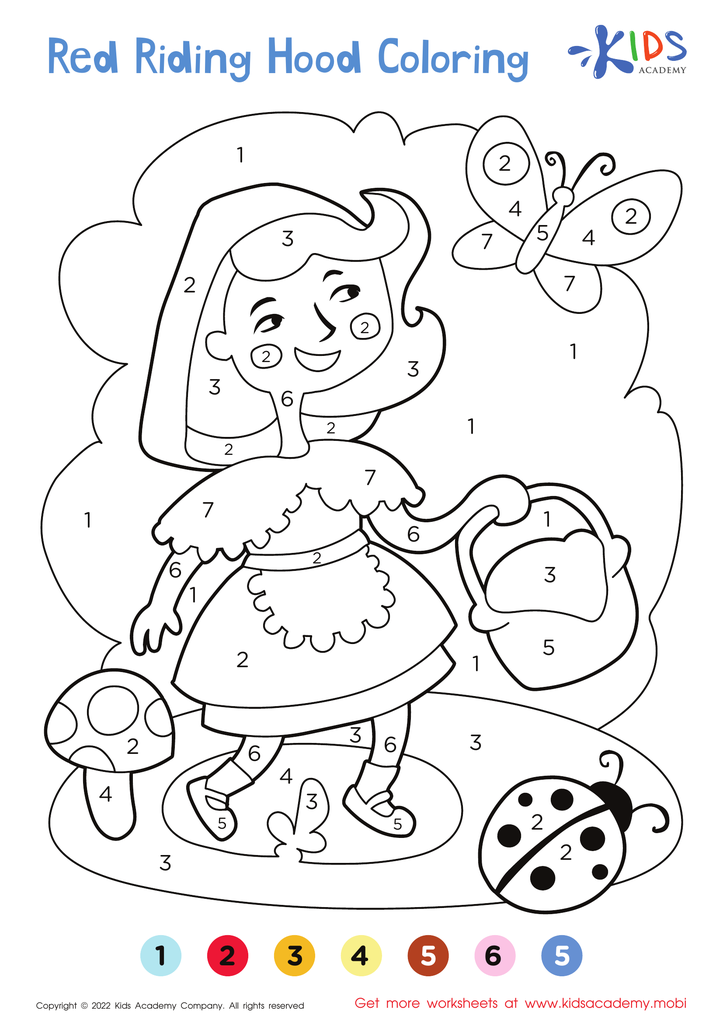
Little Red Riding Hood – Coloring by Numbers








Number identification is a crucial skill for young children aged 4-8, laying the foundation for future mathematical learning. Parents and teachers should care about this skill for several reasons. Firstly, number identification boosts children’s confidence and encourages a positive attitude towards math, making them more willing to engage with mathematical concepts. This early exposure sets the stage for complex ideas in later years.
Secondly, understanding number identification enhances cognitive development. It helps children improve their counting abilities and understand numerical relationships, empowering them to tackle more advanced math skills like addition, subtraction, and problem-solving. Furthermore, these skills are intertwined with essential daily activities, such as shopping or measuring, making them practical and relevant beyond the classroom.
Additionally, a strong numerical foundation can aid in reducing math anxiety as children enter formal schooling, promoting greater academic success. Collaborative math experiences between parents and children, as well as teacher-led activities, not only strengthen number recognition but also foster important social skills.
In essence, nurturing number identification during these formative years benefits cognitive development, instills confidence, prepares children for future academic challenges, and enhances everyday life skills, forming a well-rounded approach to learning math.








