Problem-solving abilities Math Worksheets for Ages 4-8 - Page 3
59 filtered results
-
From - To

Sweet Shop – Counting Coins Worksheet
 Assign to My Students
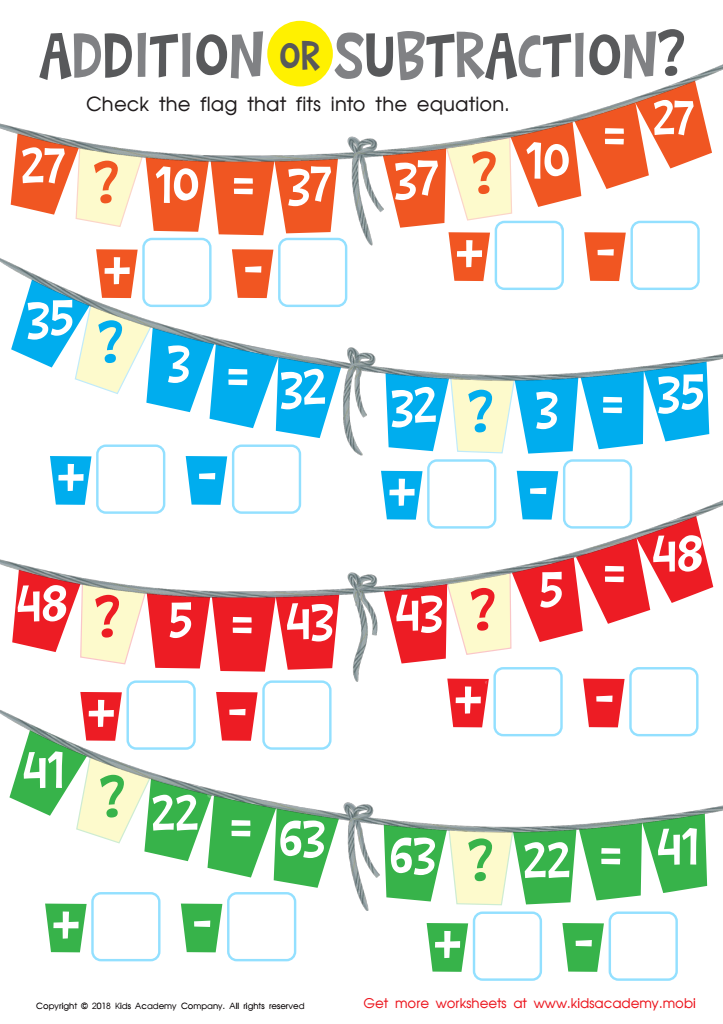
Addition or Subtraction? Worksheet
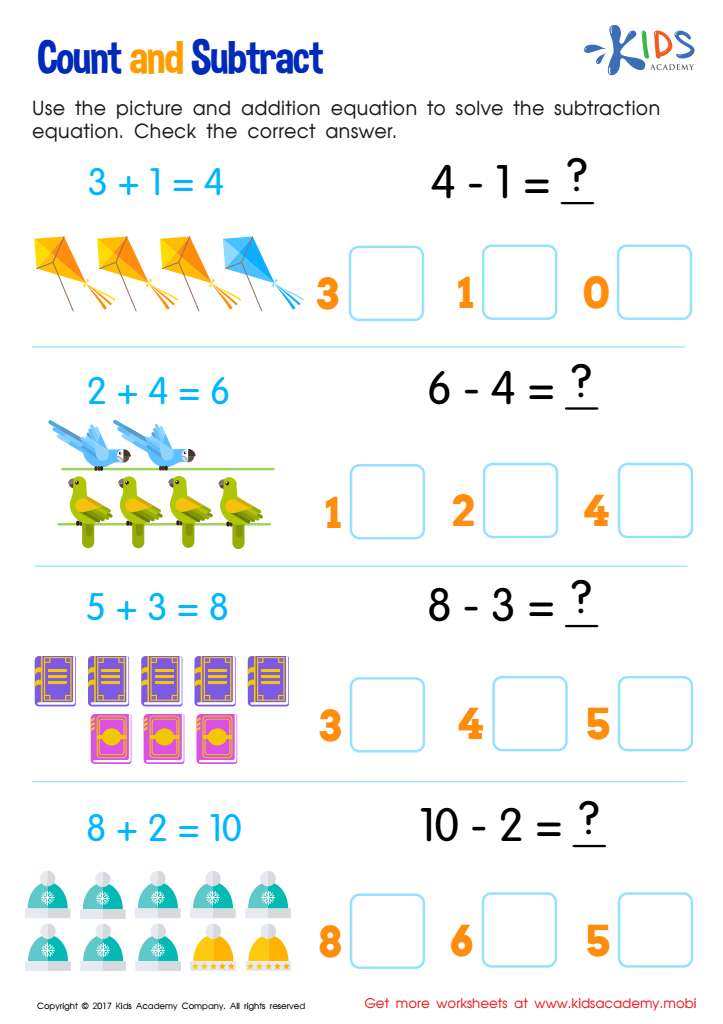
Count and Subtract Worksheet
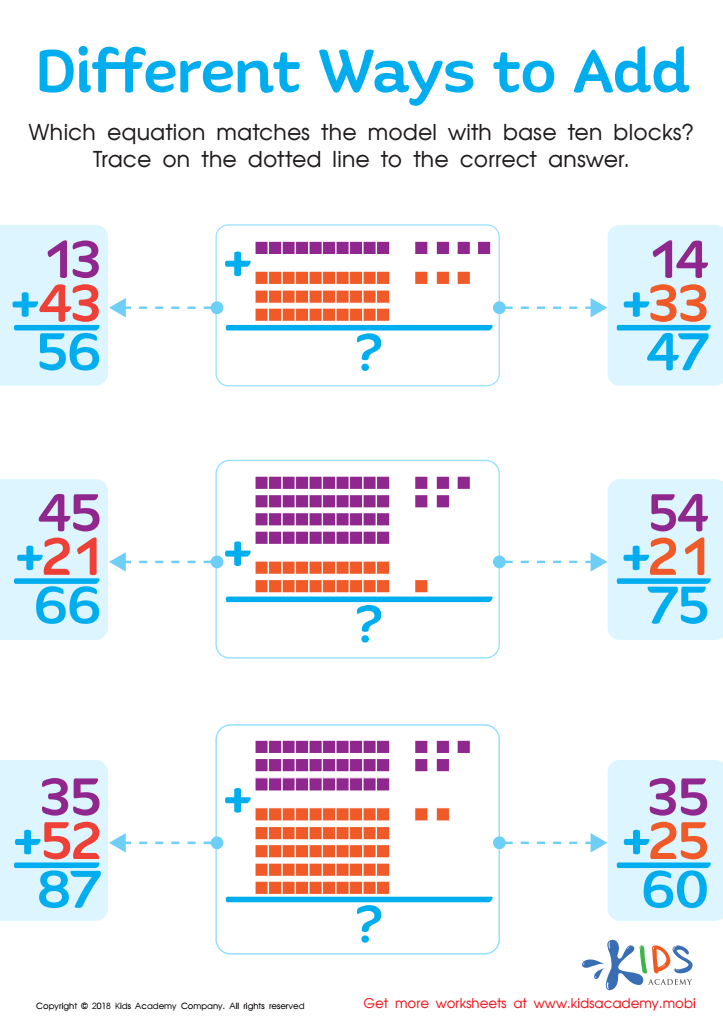
Different Ways to Add Worksheet

Sudoku Worksheet
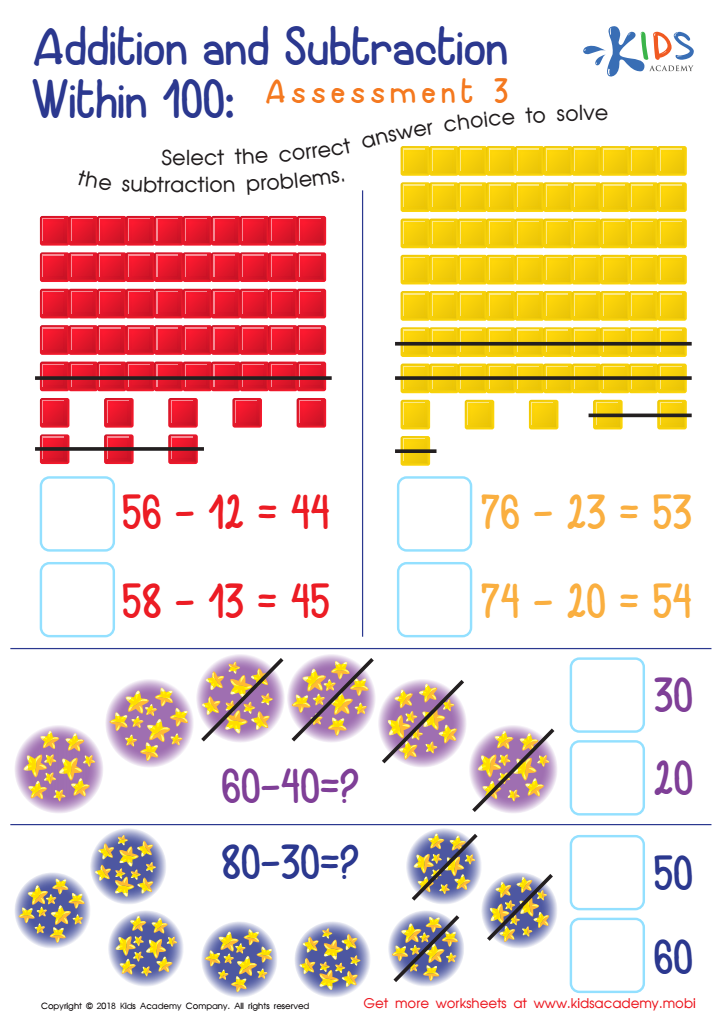
Addition and Subtraction Within 1: Assessment 3 Worksheet
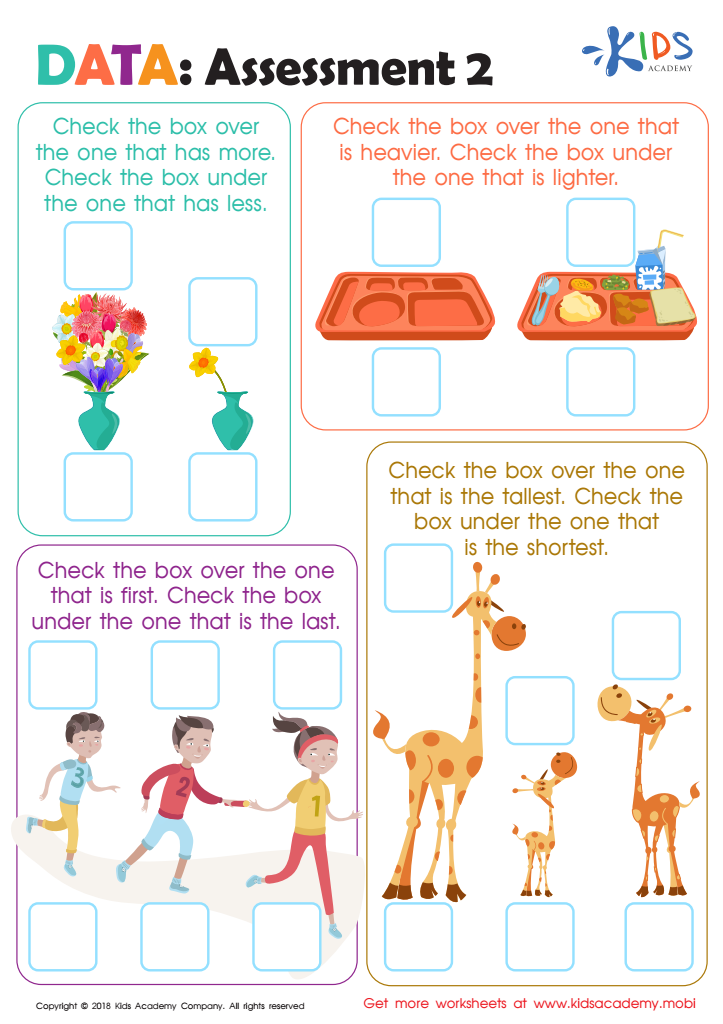
Data: Assessment 2 Worksheet
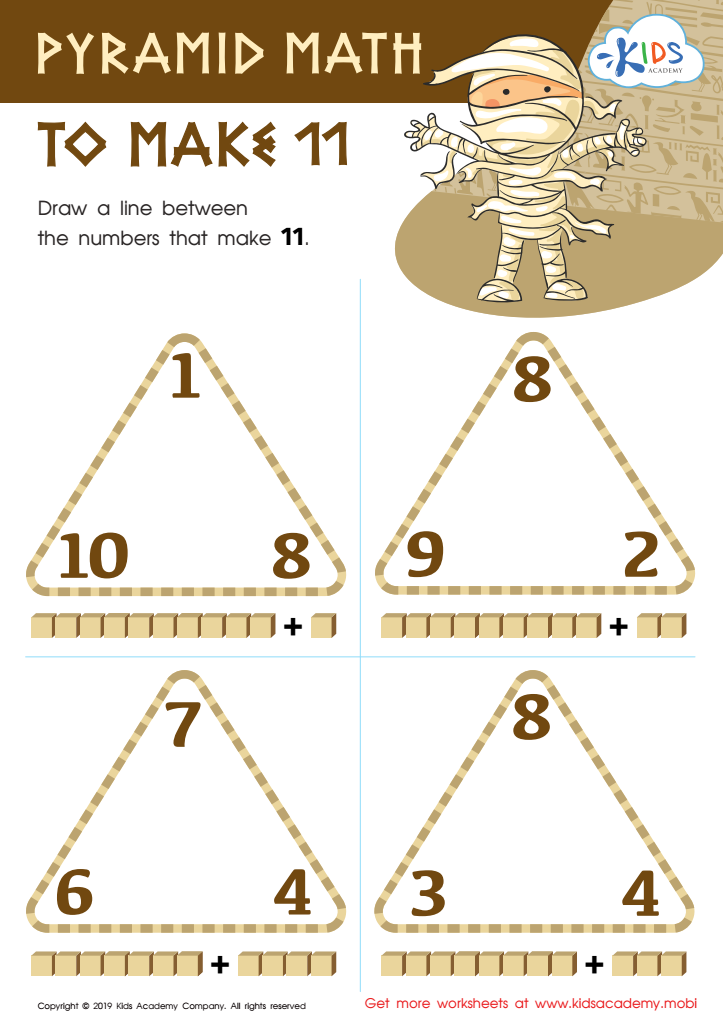
Pyramid Math to Make 11 Worksheet
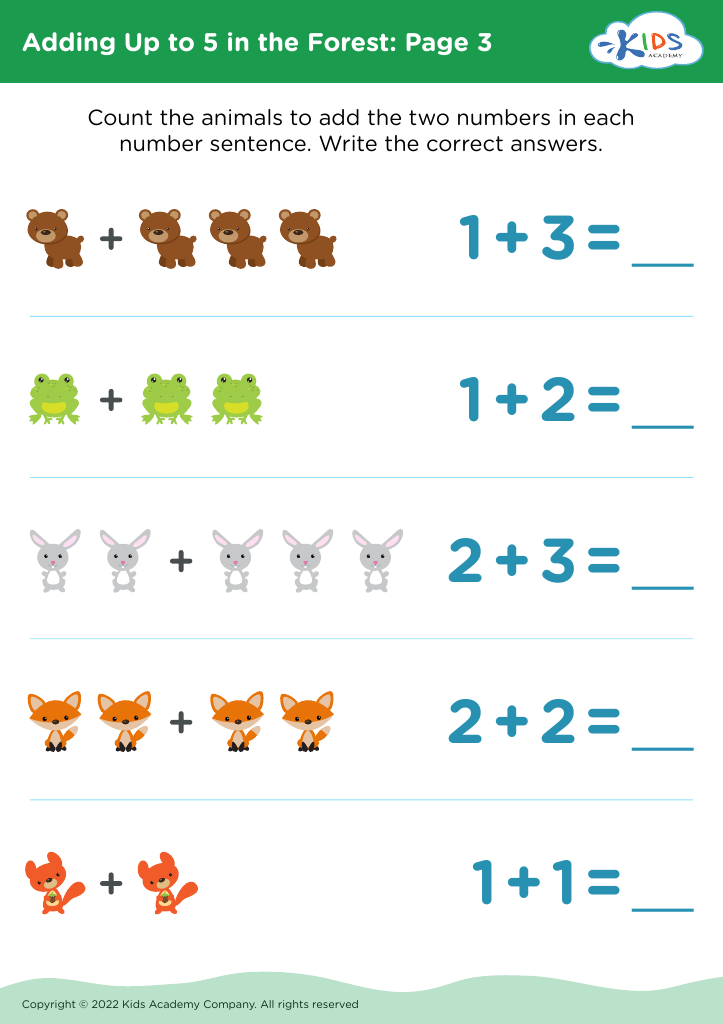








Problem-solving abilities in math are vital for children ages 4-8 as they lay the foundation for critical thinking and lifelong learning. At this developmental stage, kids are naturally curious, and nurturing their problem-solving skills helps harness that curiosity in productive ways. Engaging in math challenges allows youngsters to develop perseverance, enhancing their ability to tackle unfamiliar or difficult tasks with confidence. This resilient attitude carries over into many facets of their lives, making them more adaptable learners.
Moreover, early problem-solving practice helps children understand basic math concepts like addition, subtraction, patterns, and number recognition. It's not merely about arriving at the correct answer; it's about understanding the process. This foundational understanding is crucial for more advanced mathematics and other subjects that require analytical thinking.
Group activities that focus on problem-solving also foster social skills. Kids learn to communicate their ideas, listen to others, and collaborate on finding solutions. These teamwork opportunities build both academic and emotional intelligence.
Finally, incorporating such skills early on aligns with curricular goals and standardized assessment requirements, positioning children for academic success. Therefore, nurturing problem-solving abilities in math from ages 4-8 offers immediate and long-term benefits, equipping children with essential skills for all areas of life.








