Problem Solving Math Worksheets for Ages 4-8 - Page 2
34 filtered results
-
From - To
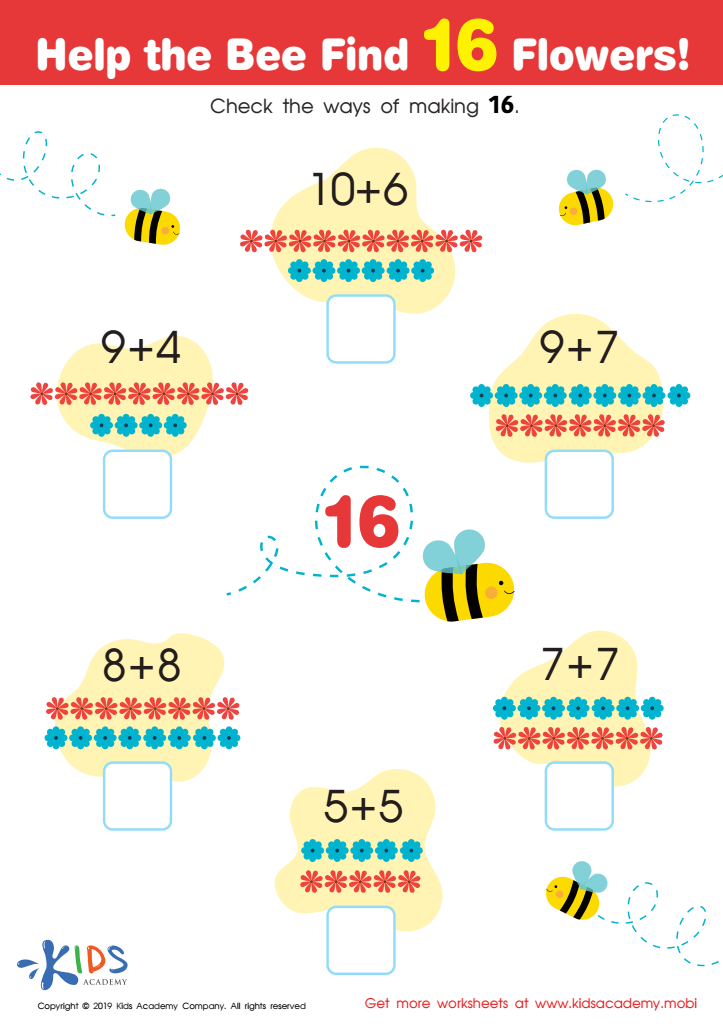
Help the Bee Find 16 Flowers Worksheet
 Assign to My Students
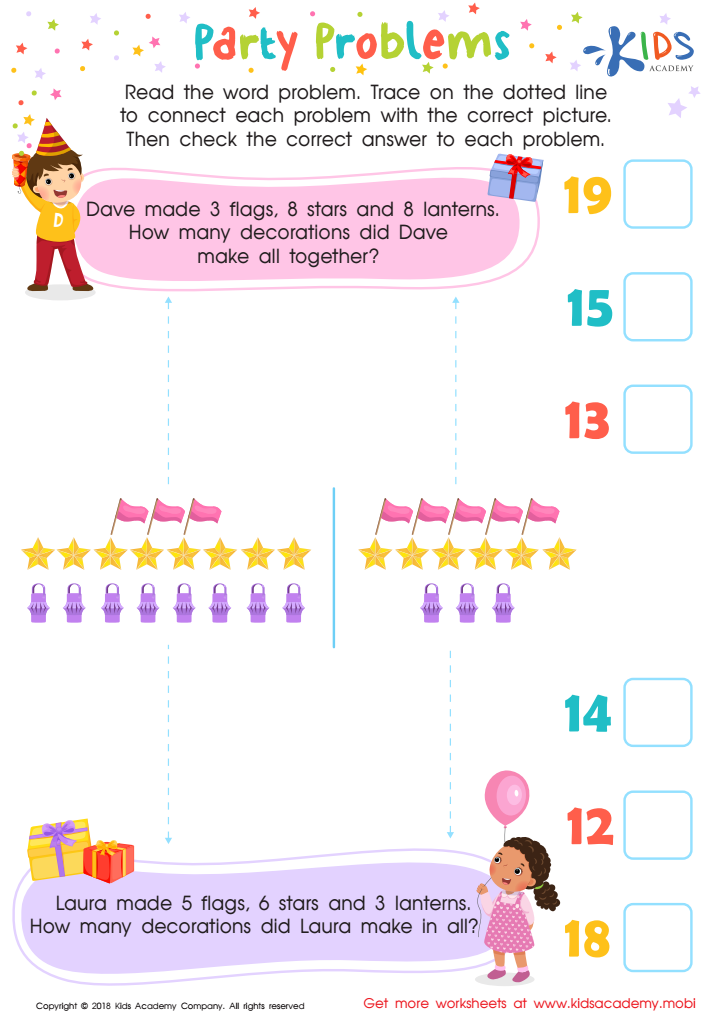
Party Problems Worksheet
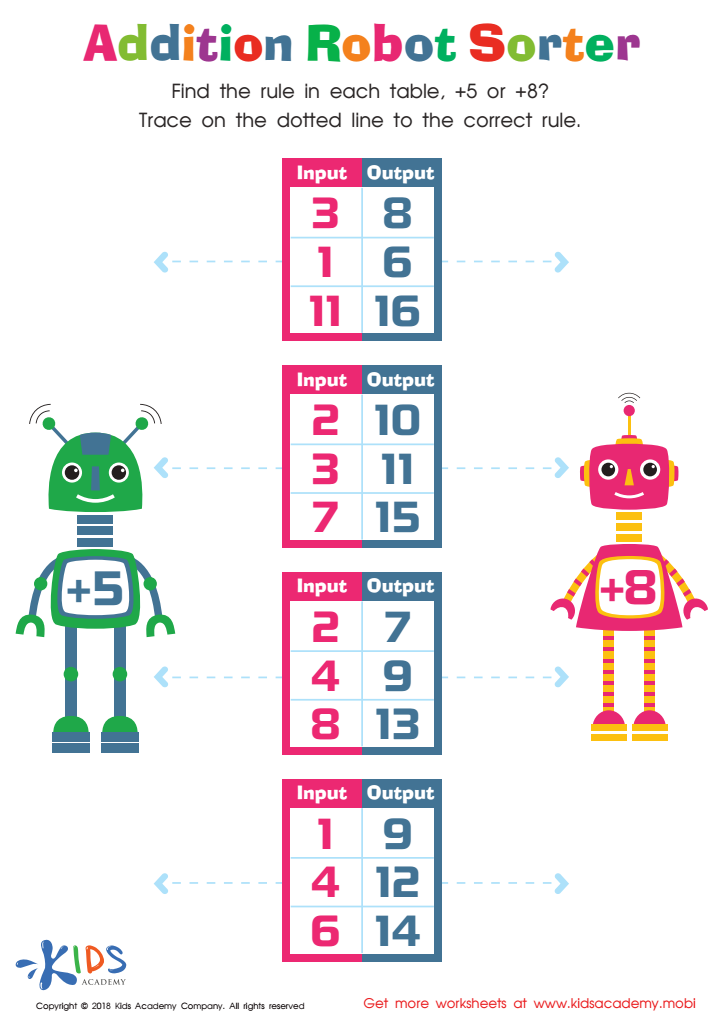
Addition Robot Sorter Worksheet
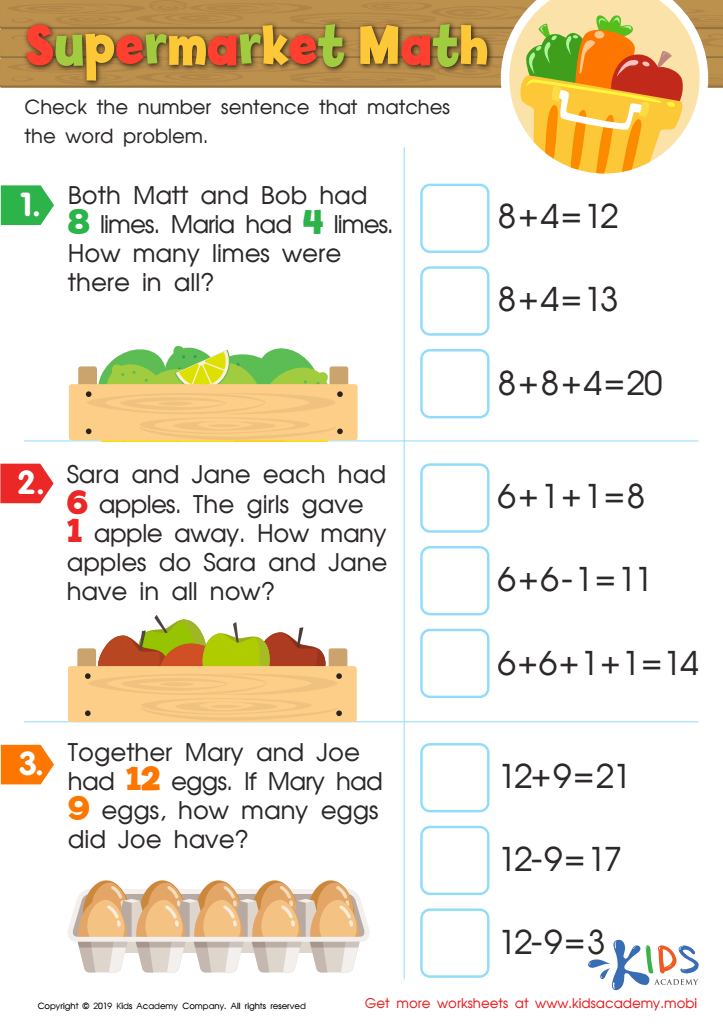
Supermarket Math Worksheet
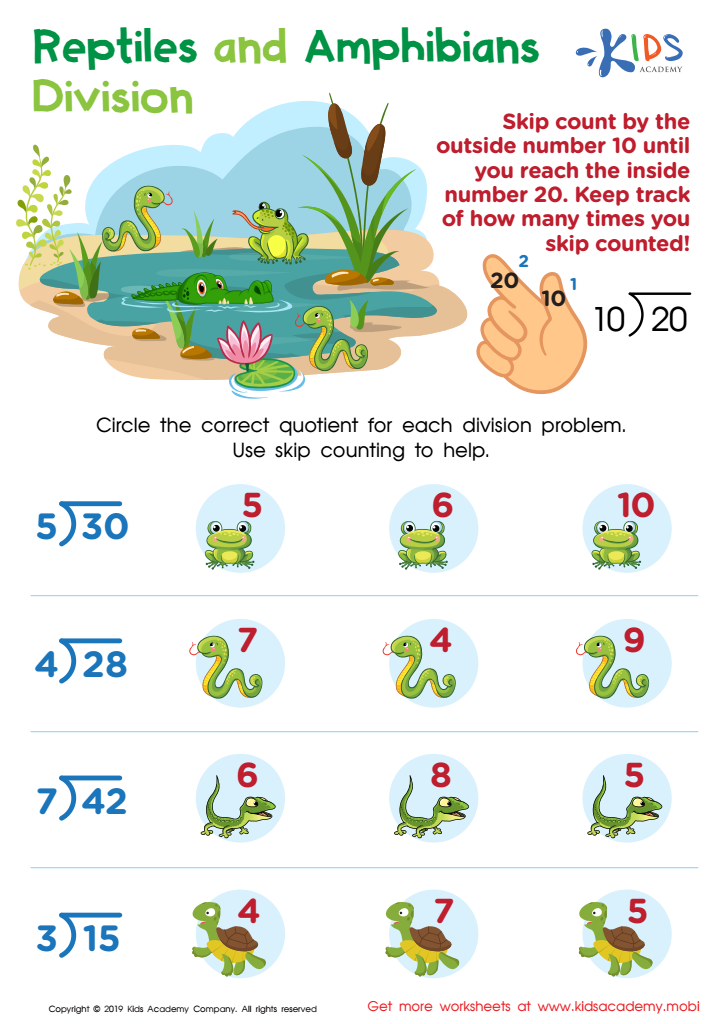
Reptile and Amphibians Division Worksheet
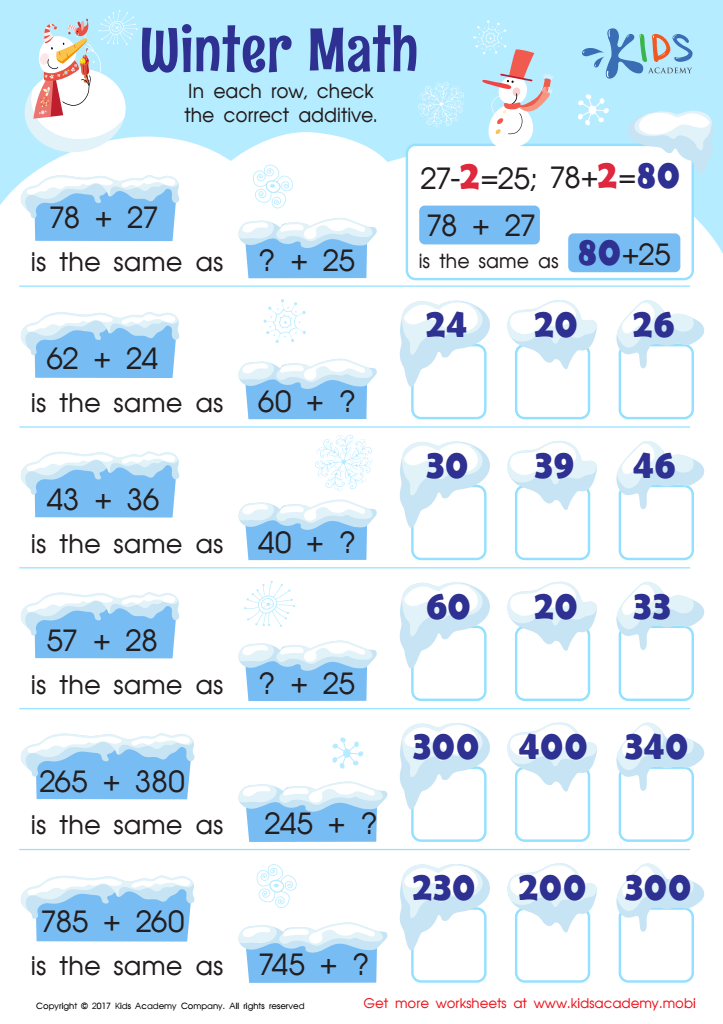
Free Addition Worksheet
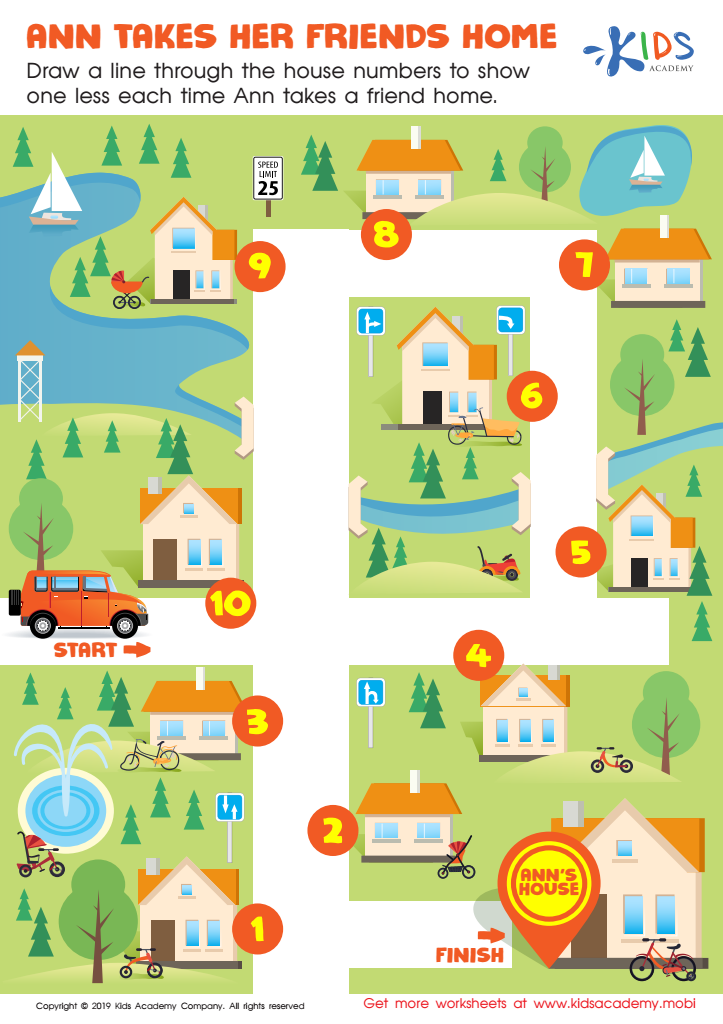
Ann Takes her Friends Home Worksheet








Parents and teachers should care about Problem Solving Math for ages 4-8 because it lays the foundation for critical thinking and analytical skills vital for lifelong learning. At this age, children are naturally curious and eager to explore, making it an ideal time to introduce math in a playful and engaging manner. Problem solving encourages them to think creatively and develop resilience as they encounter various challenges.
Through problem-solving activities, kids learn to approach mathematical concepts not simply as formulas to memorize but as strategies to track down solutions to real-world situations. This enhances their reasoning skills and promotes independence in learning.
Additionally, early exposure to problem-solving math helps build confidence in children, as they see their ability to navigate challenges grow. It promotes collaboration when kids work together on math problems, fostering social skills and teamwork.
Moreover, establishing strong math foundations can improve performance in later grades, minimizing the fear or anxiety often associated with math. By prioritizing problem-solving mathematics, parents and teachers support a holistic approach to education that cultivates well-rounded, capable thinkers ready to tackle future challenges. Ultimately, nurturing these skills now sets the stage for success in school and beyond.








