Spatial awareness Math Worksheets for Ages 4-8 - Page 2
32 filtered results
-
From - To
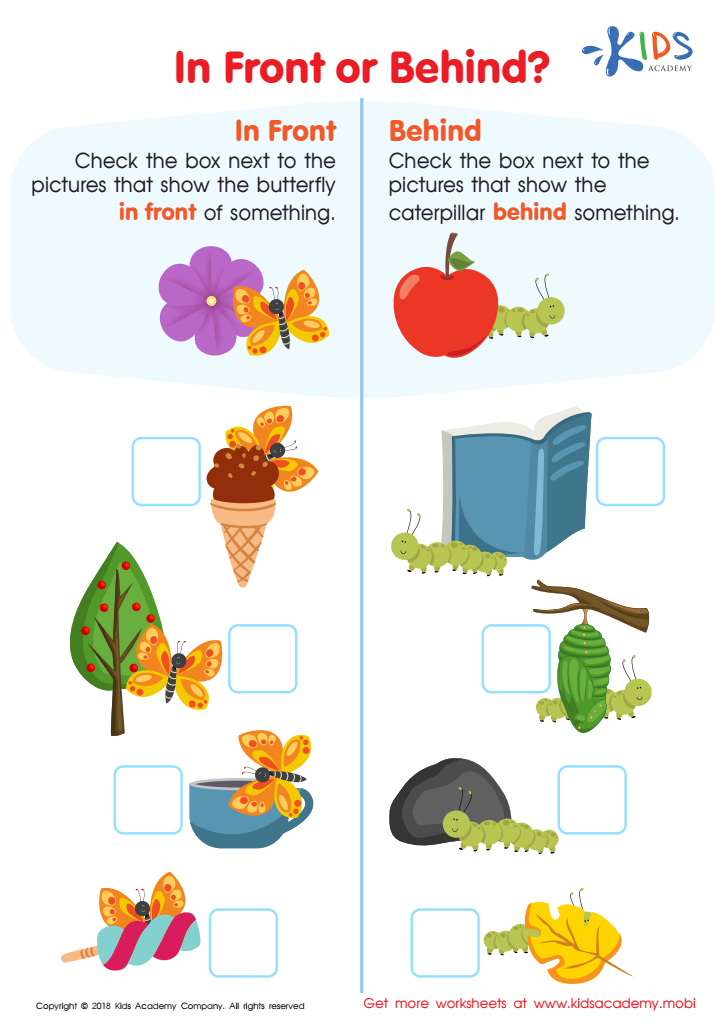
In Front or Behind Worksheet
 Assign to My Students
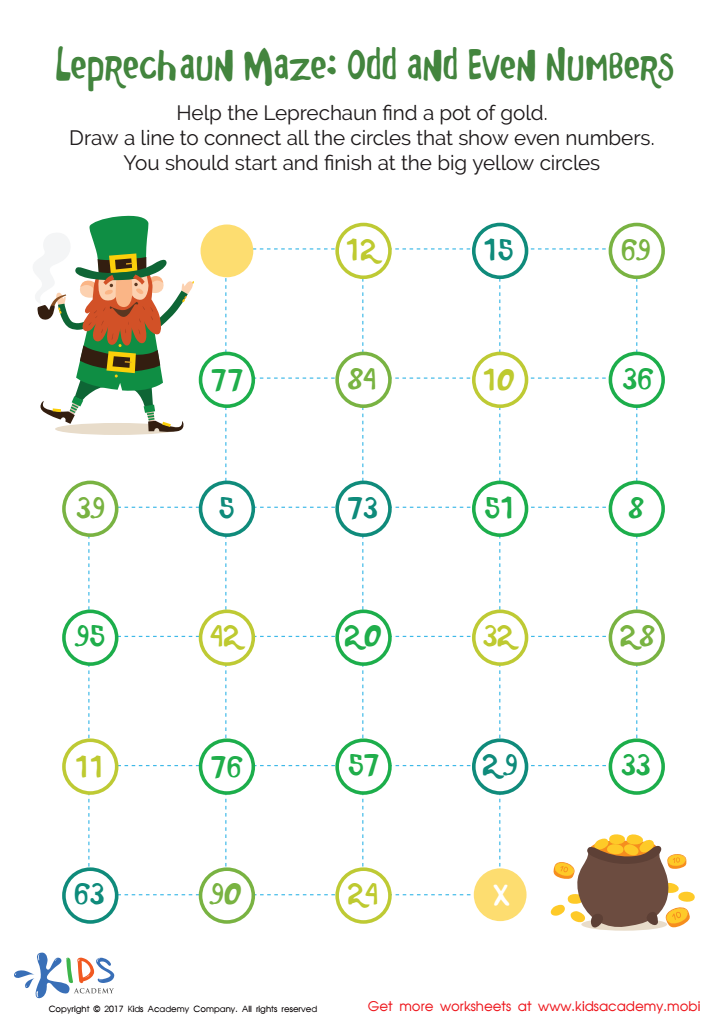
Leprechaun Maze Printable
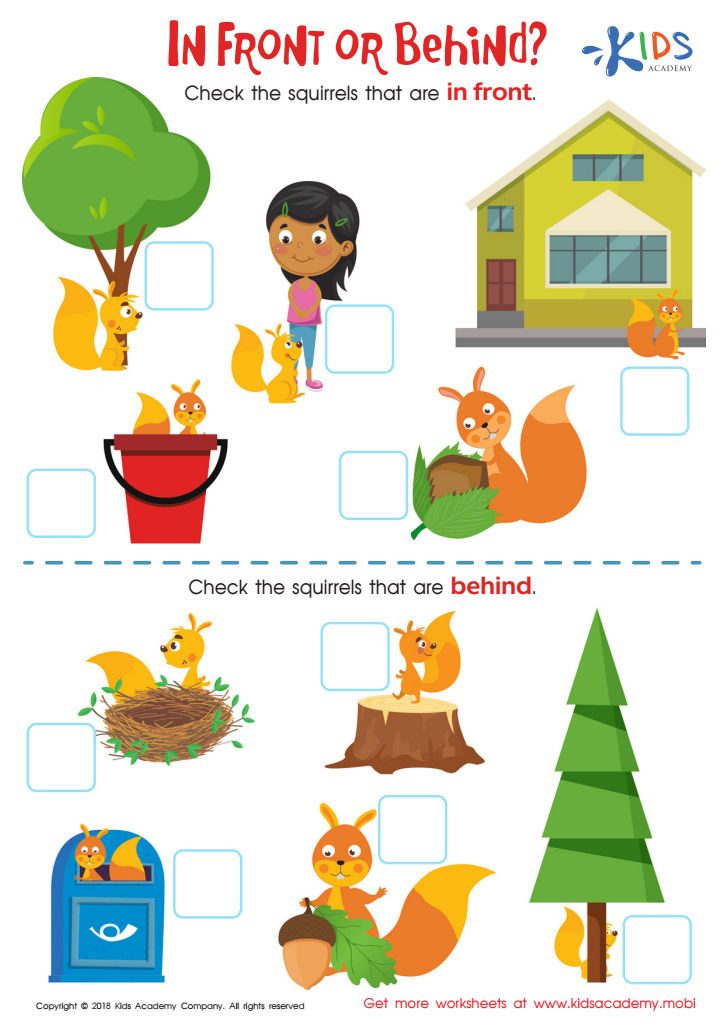
In Front or Behind: Part 2 Worksheet
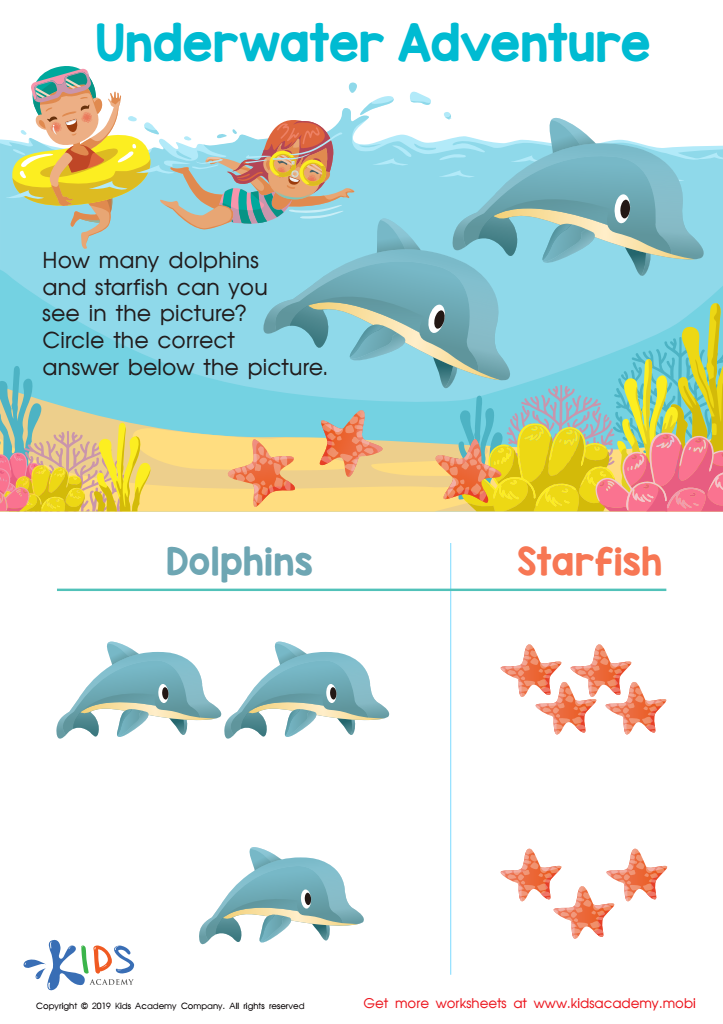
Underwater Adventure Worksheet
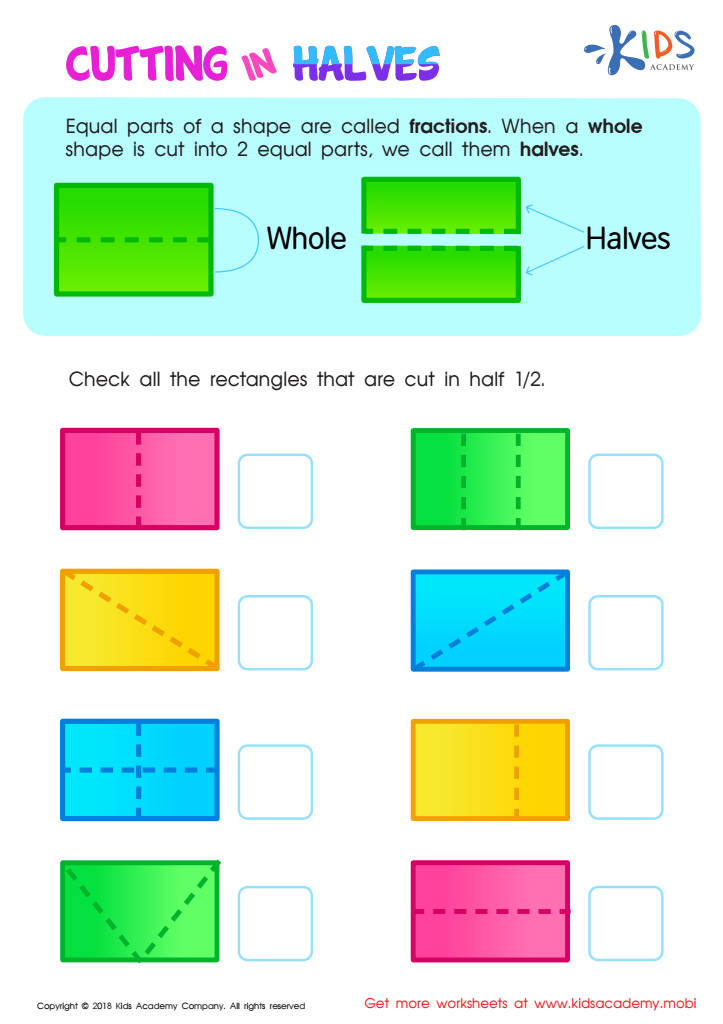
Cutting in Halves Worksheet
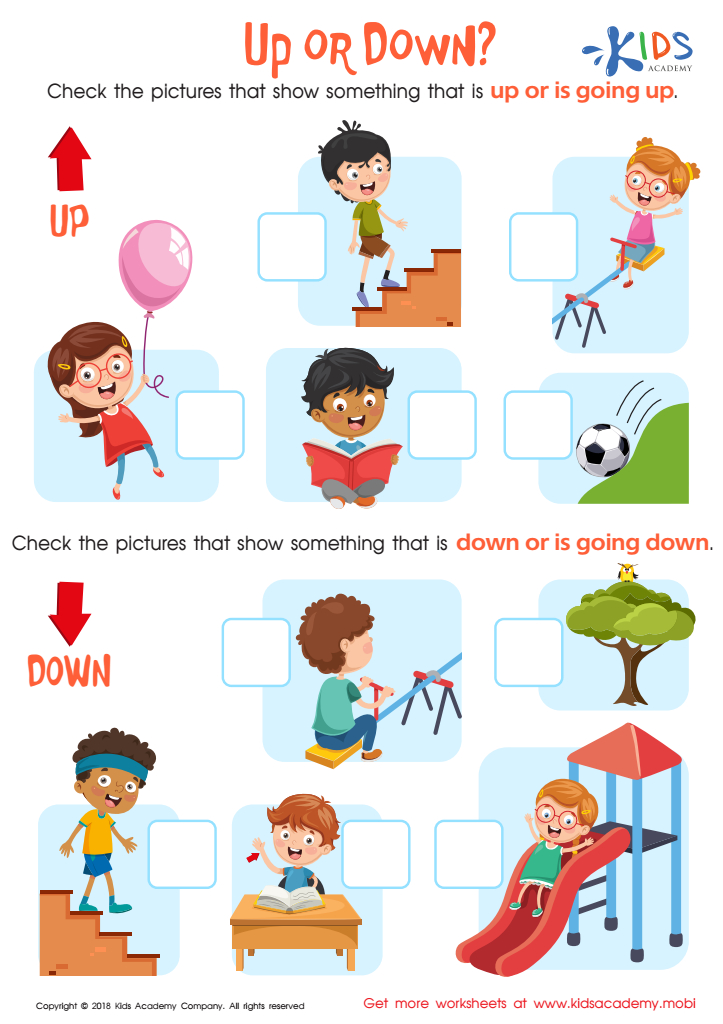
Up or Down Worksheet







Spatial awareness is a critical cognitive skill that significantly contributes to a child's overall math proficiency, particularly for children aged 4-8. Understanding spatial concepts enables young learners to visualize and manipulate objects, which is fundamental in geometry and measuring. Parents and teachers should prioritize spatial awareness because it lays the groundwork for problem-solving and logical reasoning, both essential cuboids for academic success in mathematics.
Children who develop strong spatial skills tend to excel in various math-related tasks, including pattern recognition, classification, and even basic arithmetic. Engaging activities like puzzles, building blocks, and even drawing can enhance spatial reasoning. These activities not only make learning enjoyable but also encourage collaboration and communication among peers, nurturing social skills alongside cognitive development.
Moreover, spatial awareness is connected to everyday life situations, such as reading maps or understanding the layout of environments, giving children valuable skills they will use throughout their lives. By nurturing spatial awareness from an early age, parents and teachers empower children to approach mathematics with confidence, setting a strong foundation for future mathematical concepts and fostering a love for learning.








