Spatial Orientation Math Worksheets for Ages 4-8
4 filtered results
-
From - To
Explore our engaging Spatial Orientation Math Worksheets designed for children ages 4-8. These worksheets help young learners develop critical spatial awareness skills, essential for early math success. Through fun activities and colorful visuals, children will enhance their ability to think about shapes, directions, and positions in space. From identifying patterns to understanding the relationship between objects, our worksheets provide a comprehensive approach to spatial reasoning. Perfect for both classroom use and at-home learning, these resources provide an interactive and enjoyable way for kids to build a strong math foundation. Begin your child's journey to spatial mastery today with our thoughtfully crafted materials!
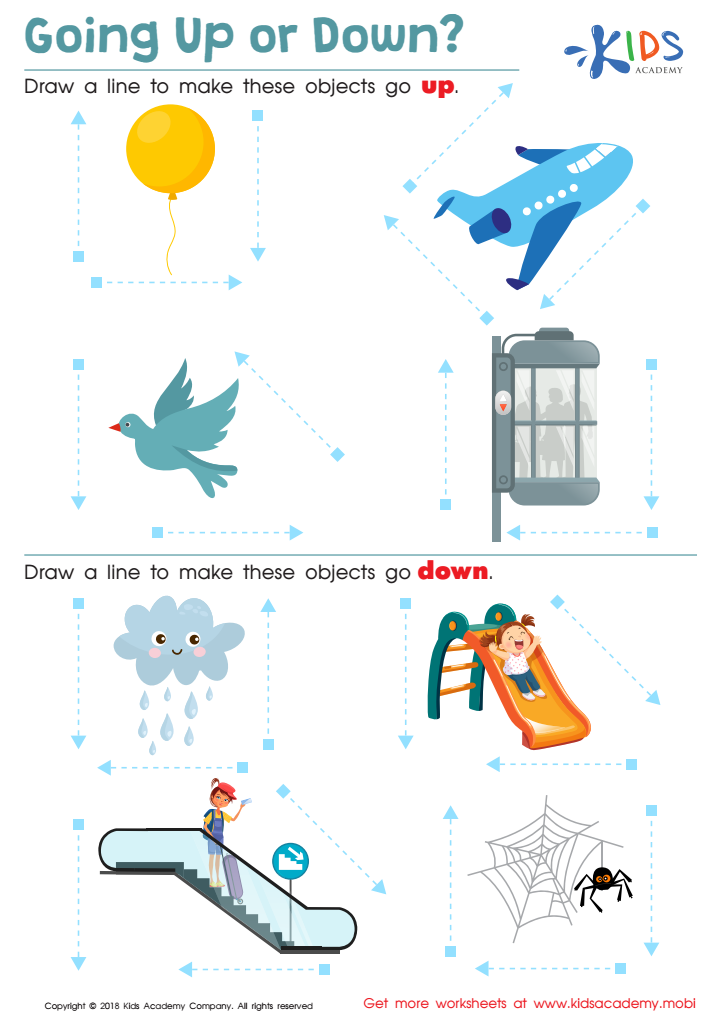
Going up or Down? Worksheet
 Assign to My Students
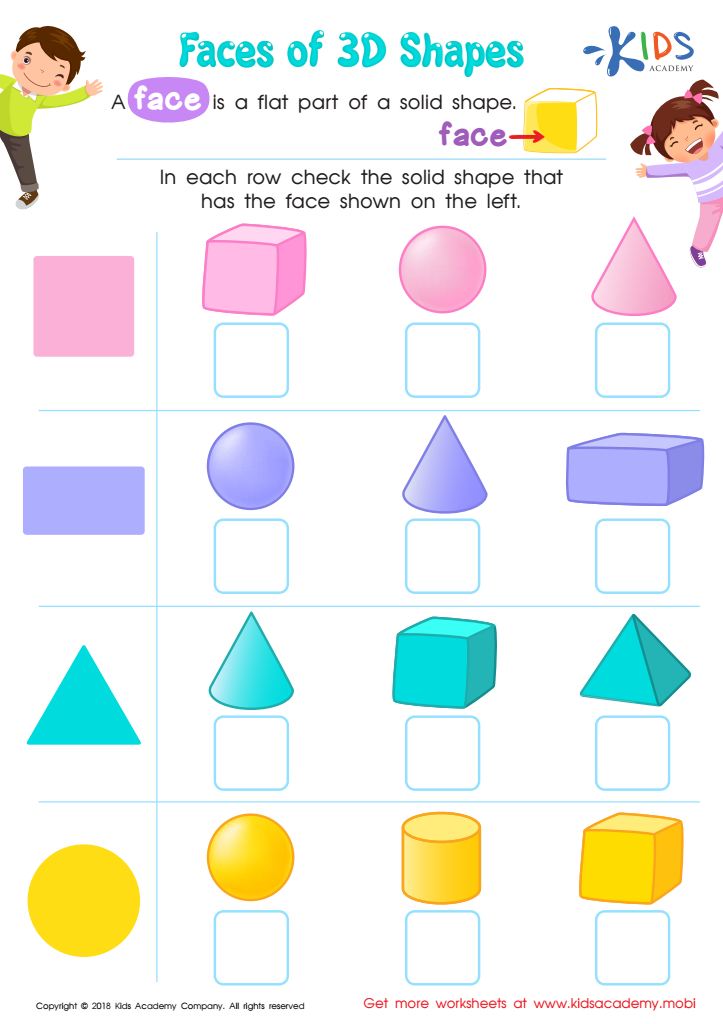
Faces of 3D Shapes Worksheet
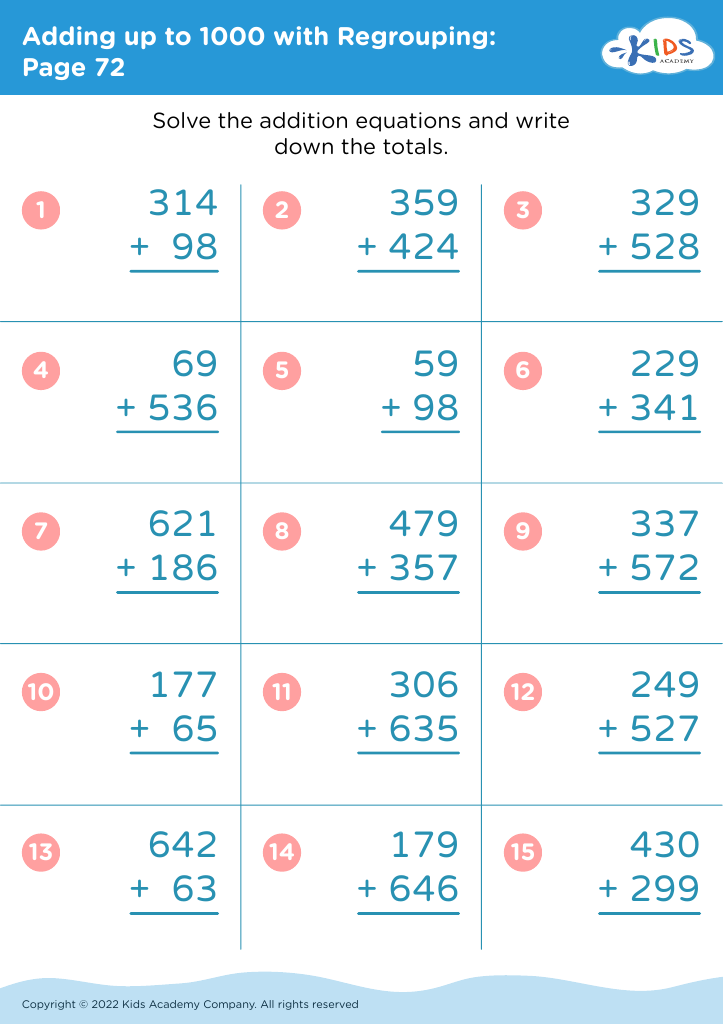
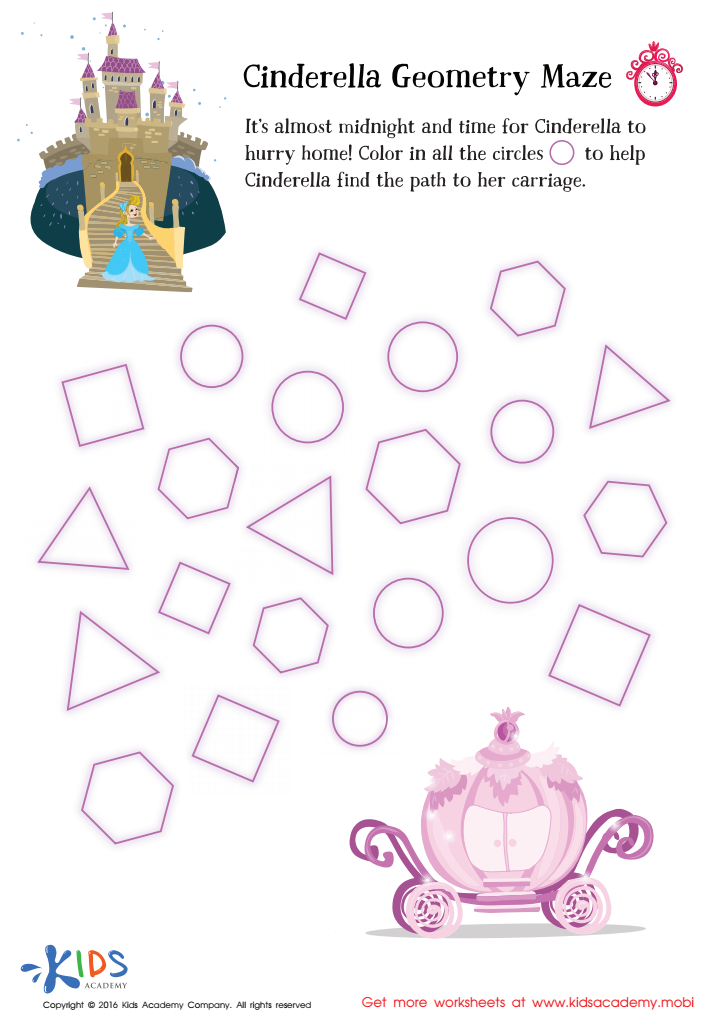
Cinderella Geometry Maze Worksheet


.jpg)





Spatial orientation math—concepts involving the understanding of space, position, and movement—holds significant importance for children aged 4-8, laying the groundwork for essential cognitive skills. Firstly, spatial reasoning contributes to early math development, influencing skills such as problem-solving and critical thinking. Understanding spatial relationships helps children grasp geometric shapes, sizes, and form—skills fundamental to later math education.
Moreover, spatial orientation enhances children's abilities to interpret and navigate their environment, fostering independence and confidence. For instance, identifying directions, such as left and right, supports effective communication and helps them engage with the world around them. When parents and teachers intentionally incorporate spatial tasks like puzzles, block building, and navigation games into learning, they not only stimulate cognitive development but also make learning playful and engaging.
Beyond immediate educational benefits, strong spatial reasoning skills are instrumental in STEM fields, openly linking to future academic growth and career opportunities in science, technology, engineering, and mathematics. By nurturing spatial understanding during these formative years, parents and educators equip children not just with math skills, but also with essential life skills that will support their overall growth, self-confidence, and adaptability in our increasingly complex world.








