Understanding numerical values Math Worksheets for Ages 4-8
4 filtered results
-
From - To
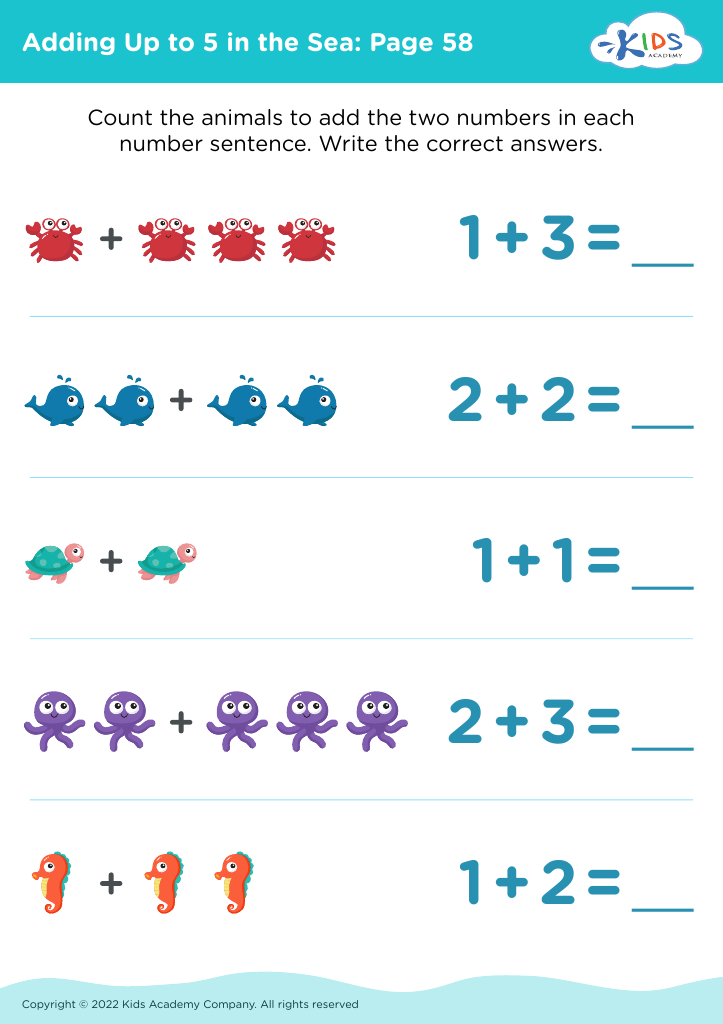
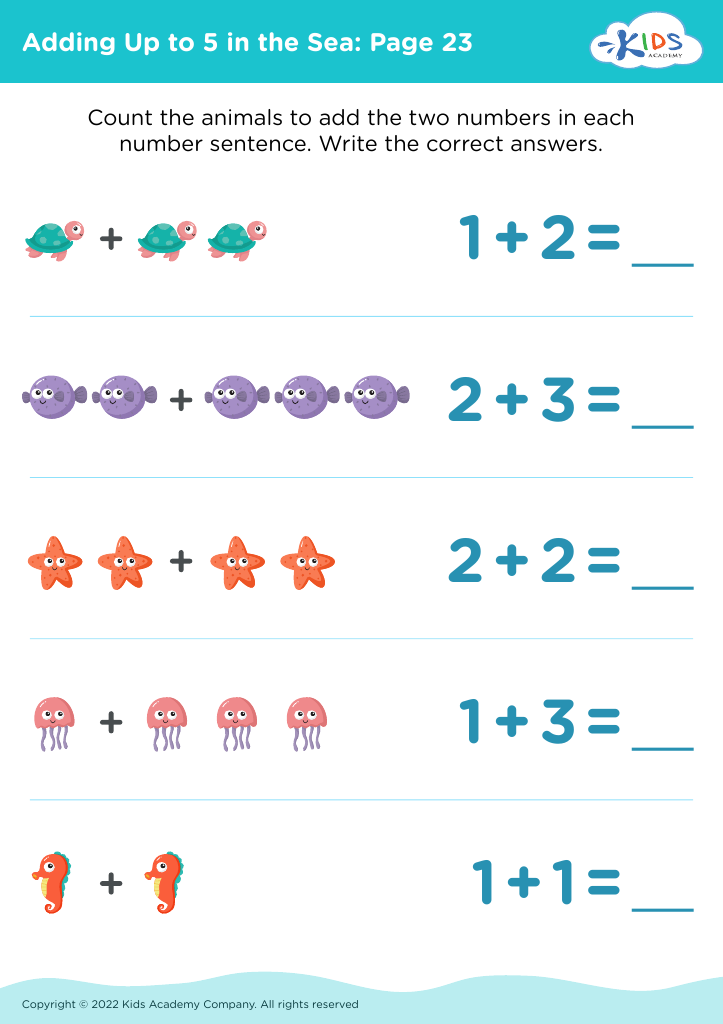
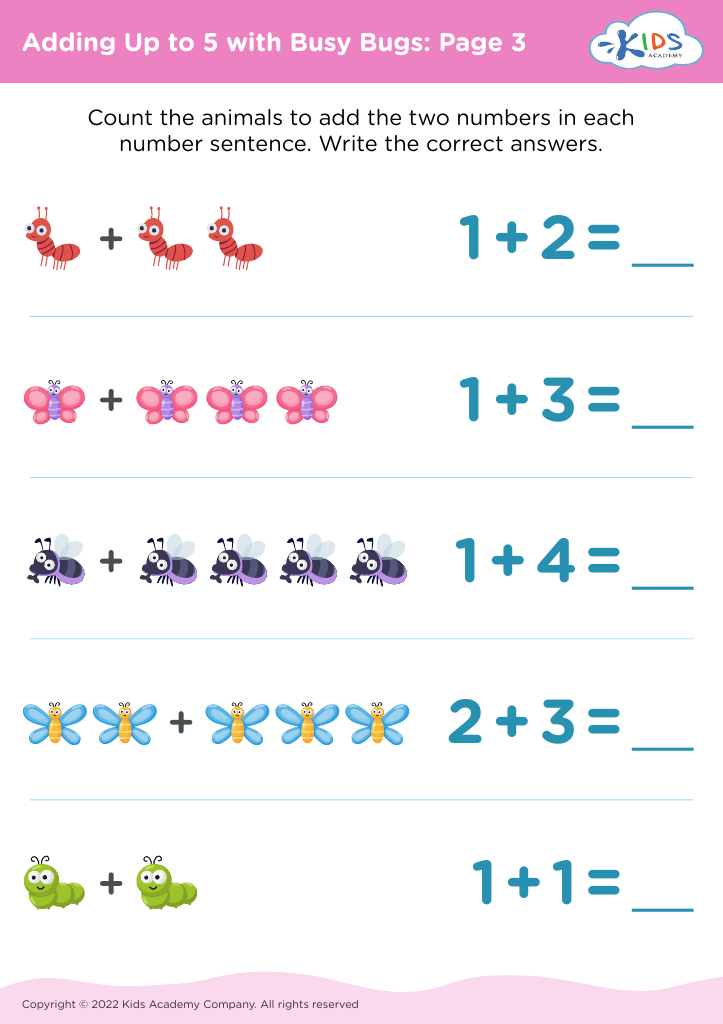
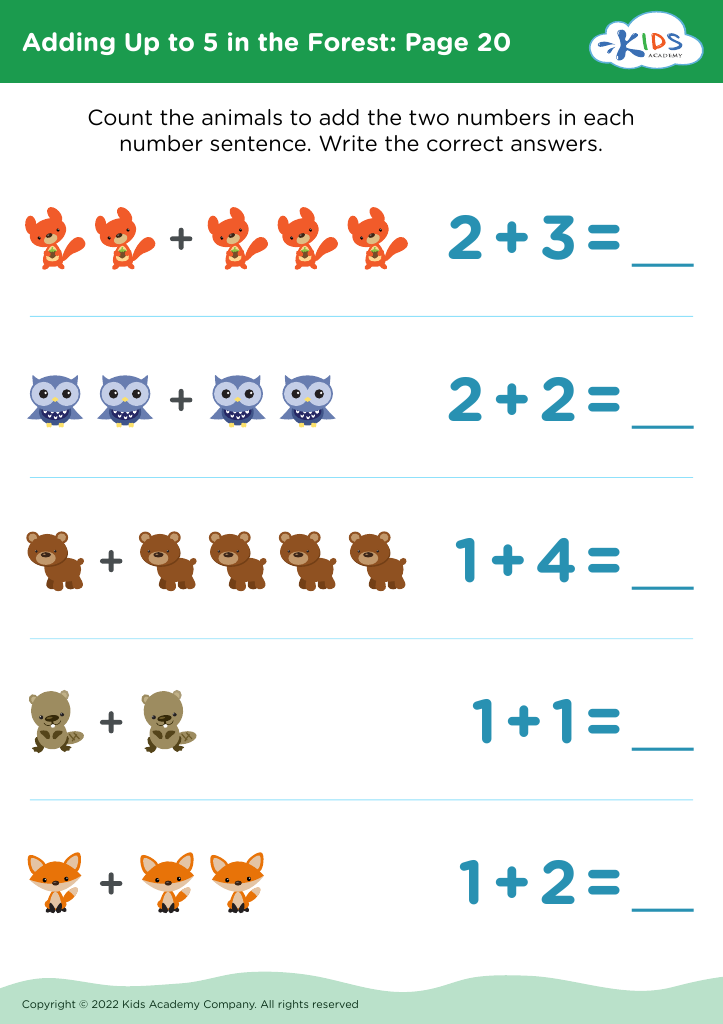
Introduce your child to the joys of numbers with our "Understanding Numerical Values Math Worksheets for Ages 4-8". Designed by educational experts, these engaging activities help young learners recognize and understand numerical values, paving the way for math success. Each worksheet combines fun illustrations with easy-to-follow exercises, fostering number sense and boosting confidence. As kids progress, they'll enhance their counting, addition, and subtraction skills, all while developing a solid foundation in early math concepts. Perfect for both classroom and at-home learning, these worksheets make mastering numbers a delightful adventure for young minds. Explore the collection today!








Understanding numerical values at a young age serves as a critical foundation for a child's educational journey. For children aged 4-8, grasping basic mathematical concepts is essential for several reasons. Firstly, early numeracy skills are directly linked to later academic achievement. When children understand counting, number recognition, and basic operations, they are better prepared for more complex concepts in math and other STEM (Science, Technology, Engineering, Mathematics) fields.
Secondly, math is intertwined with everyday life. From counting toys to understanding time, numerical literacy helps children navigate their immediate world, fostering independence and confidence. For instance, simple activities like setting the table can become learning opportunities when children are asked to count placements or measure ingredients for a recipe.
Early exposure to math also supports cognitive development. Engaging with numbers enhances problem-solving skills, analytical thinking, and logical reasoning. These cognitive abilities transcend math, contributing to better performance in tasks that require critical thinking and decision-making.
Moreover, early positive experiences with math can shape a child's attitude towards the subject. Encouraging curiosity and providing supportive learning environments can help mitigate math anxiety, making math a fun and enjoyable experience. For parents and teachers, fostering an early love and understanding of numerical values sets children on a path of lifelong learning and success.








