Vocabulary enhancement Math Worksheets for Ages 4-8 - Page 2
46 filtered results
-
From - To
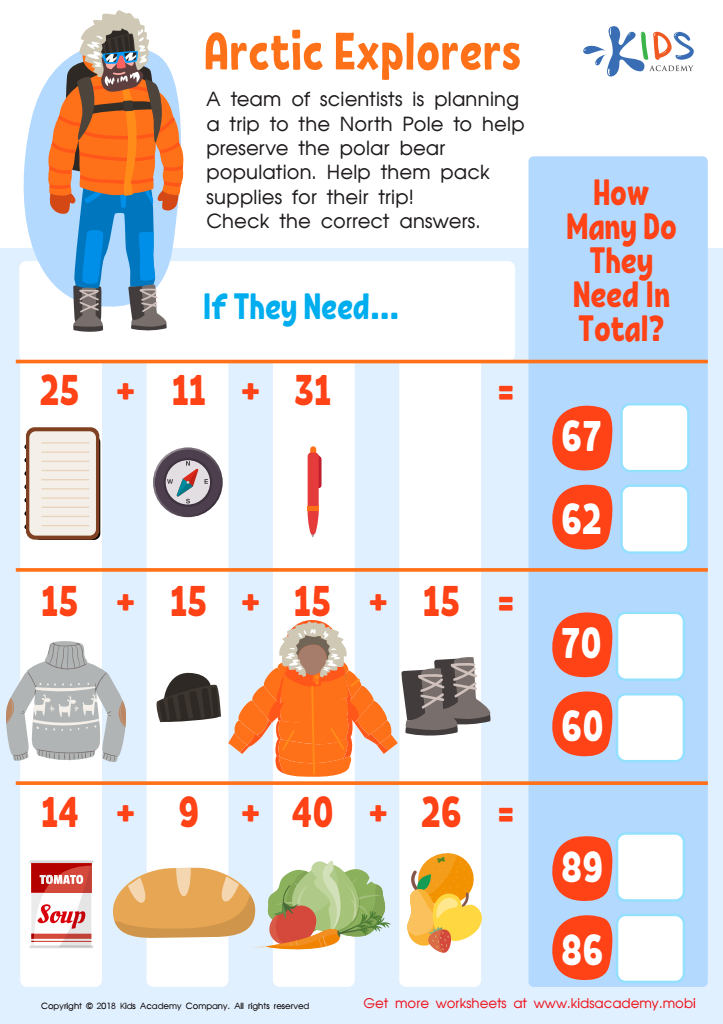
Arctic Explorers Worksheet
 Assign to My Students
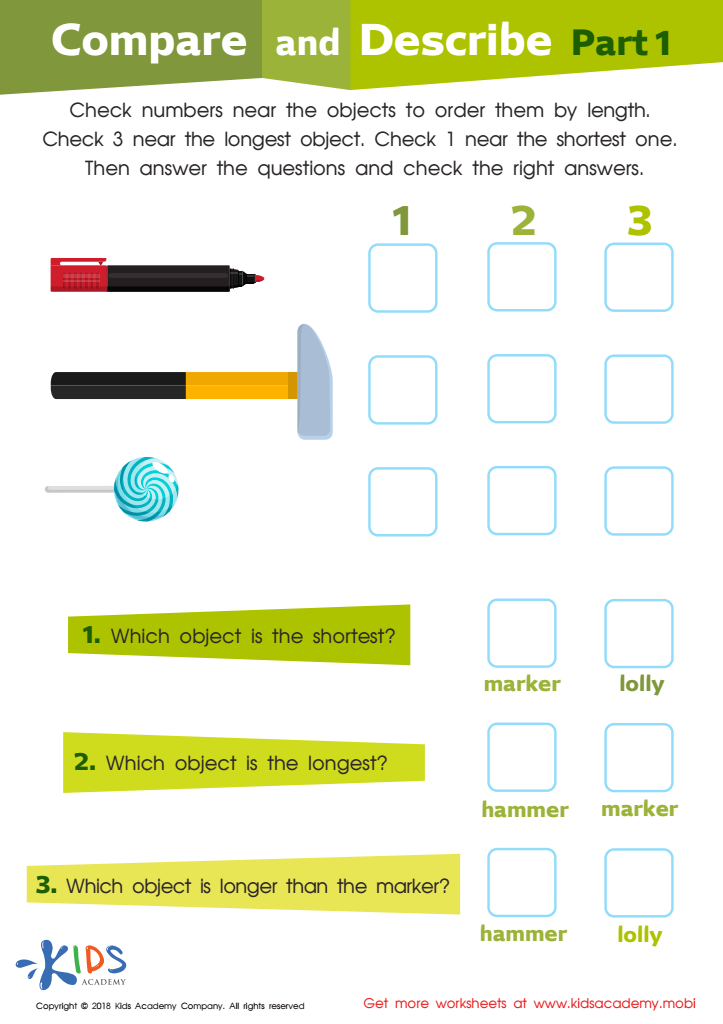
Compare and Describe: Part 1 Worksheet
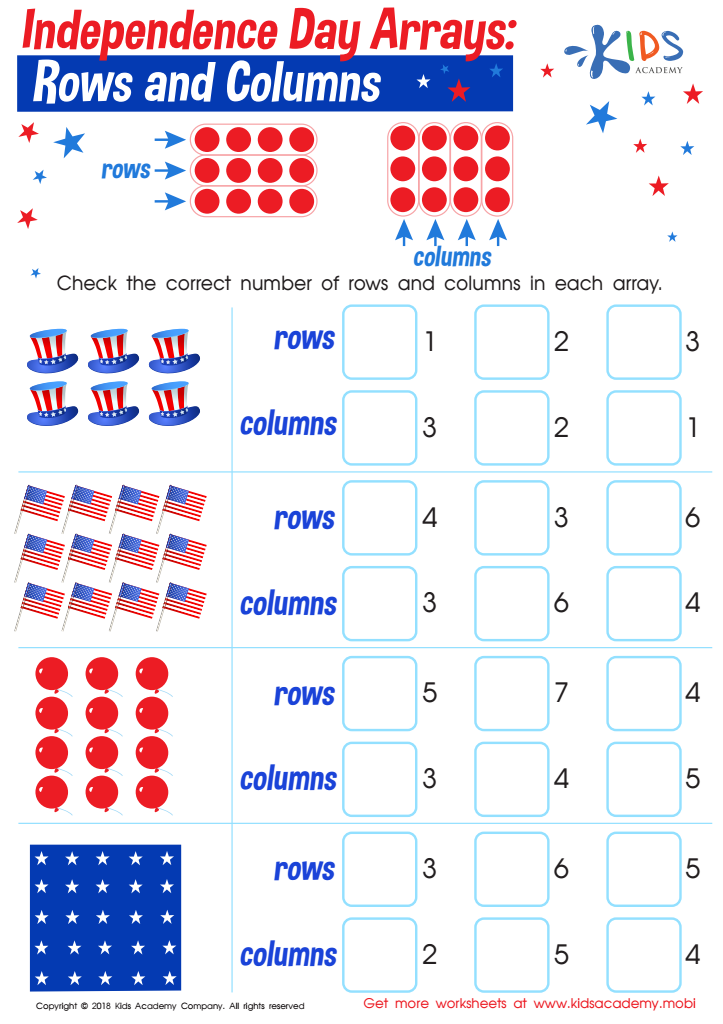
Independence Day Arrays: Rows and Columns Worksheet
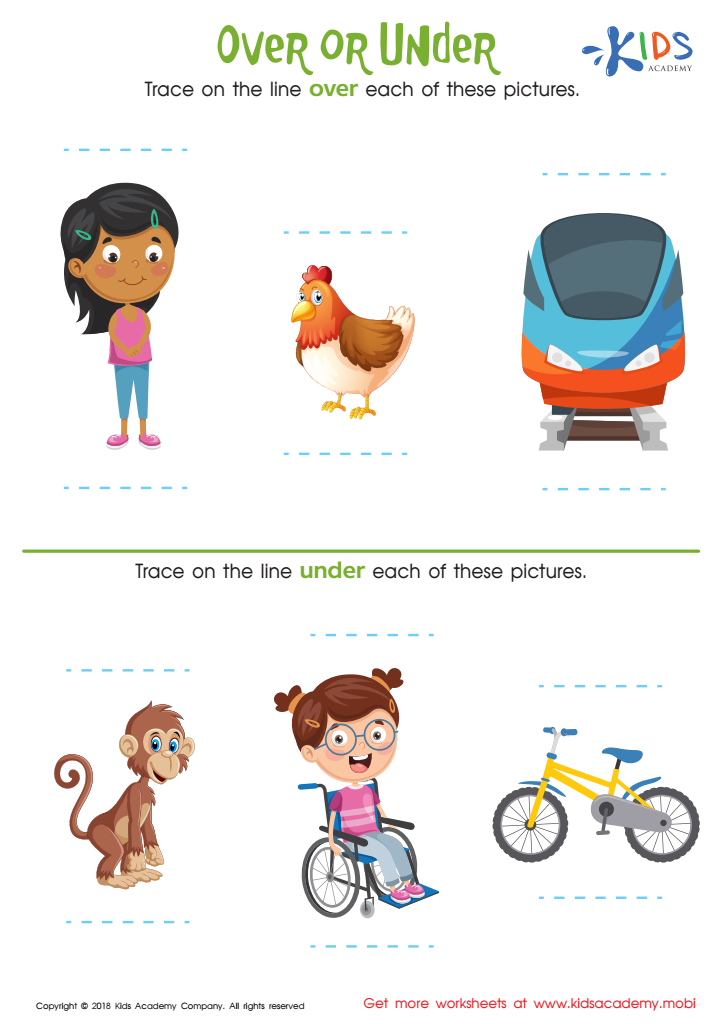
Over or Under Worksheet
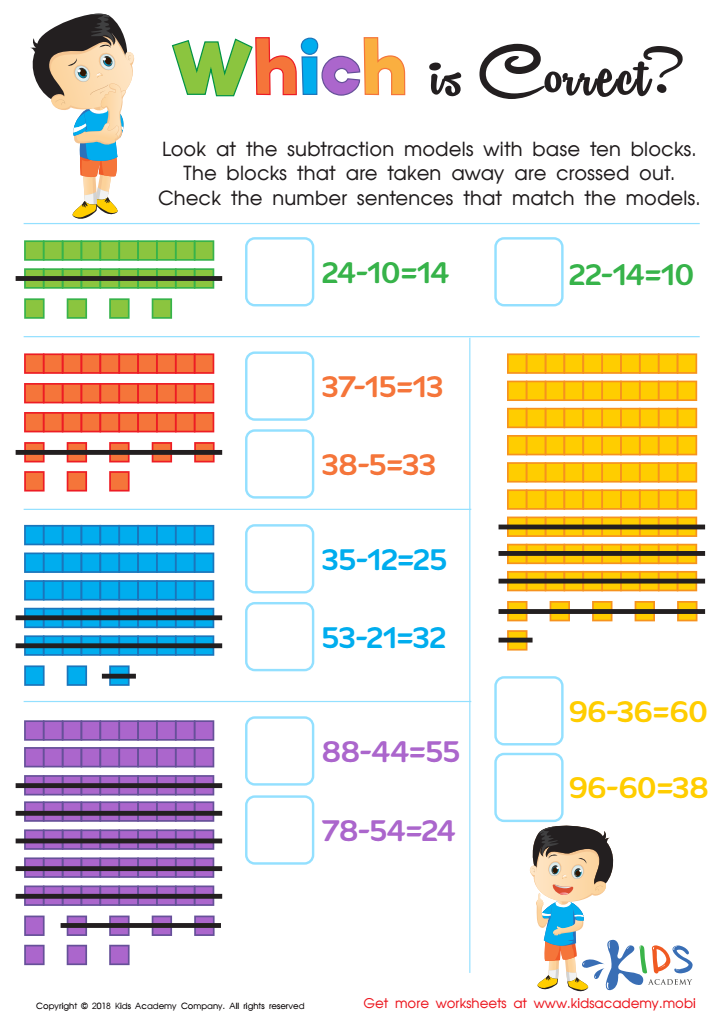
Which Is Correct? Math Worksheet
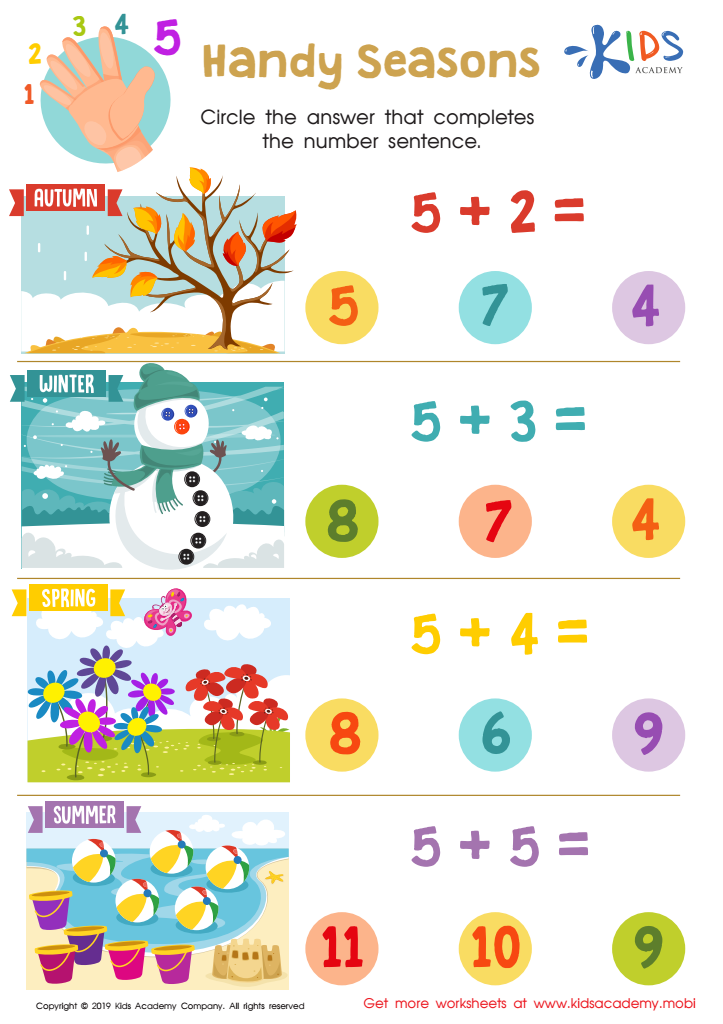
Handy Seasons Worksheet
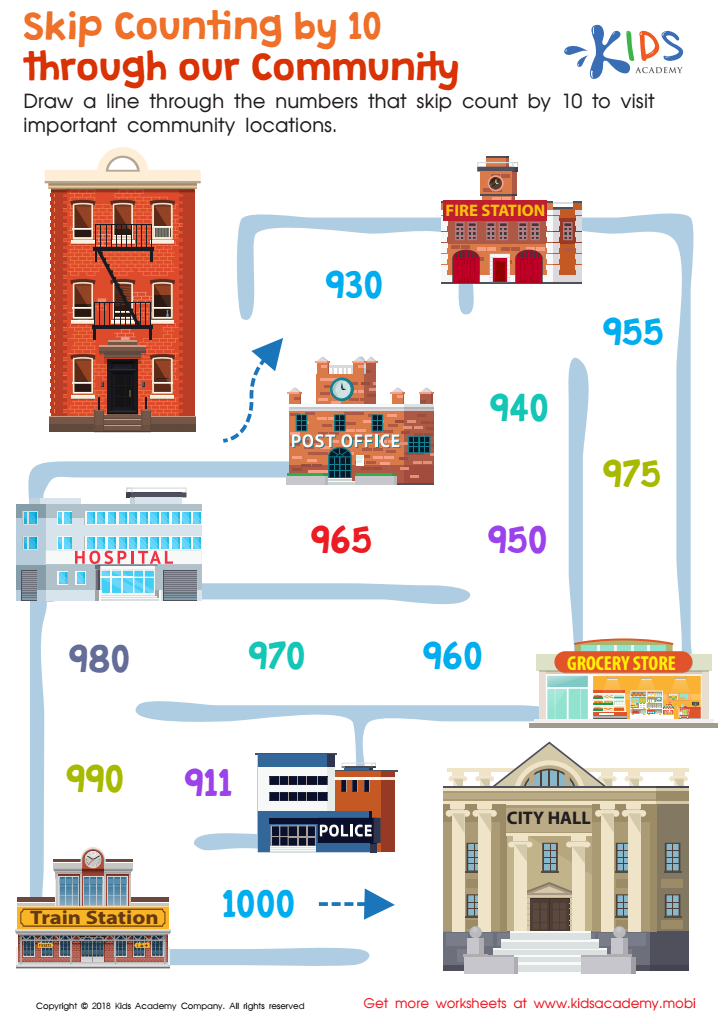
Skip Counting by 10 Through Our Community Worksheet
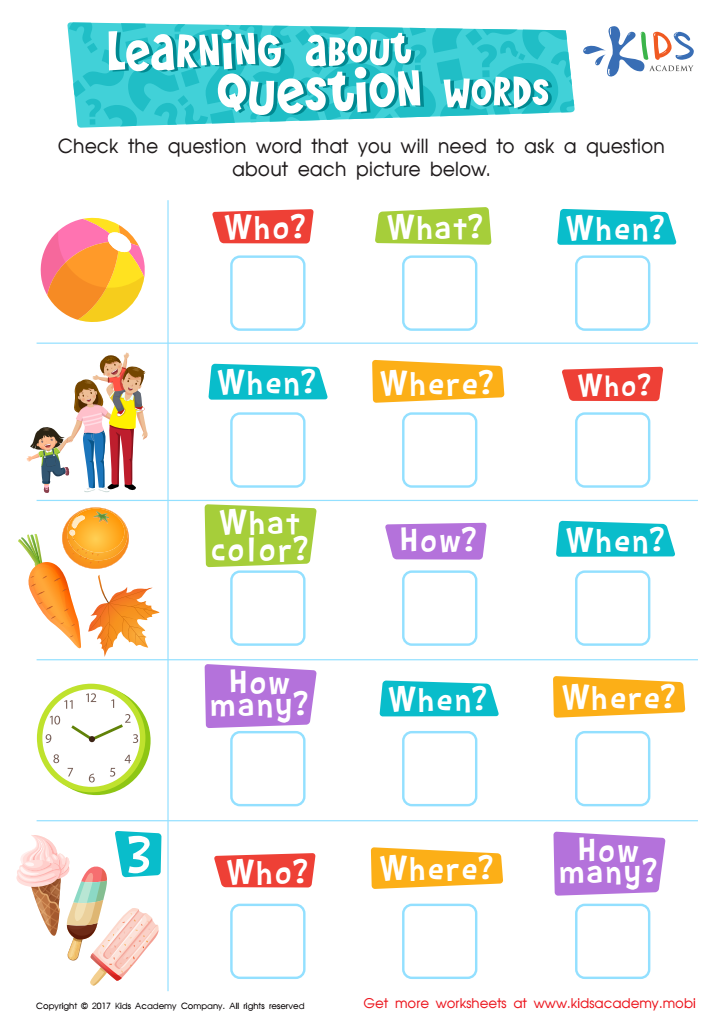
Learning about Question Words Worksheet
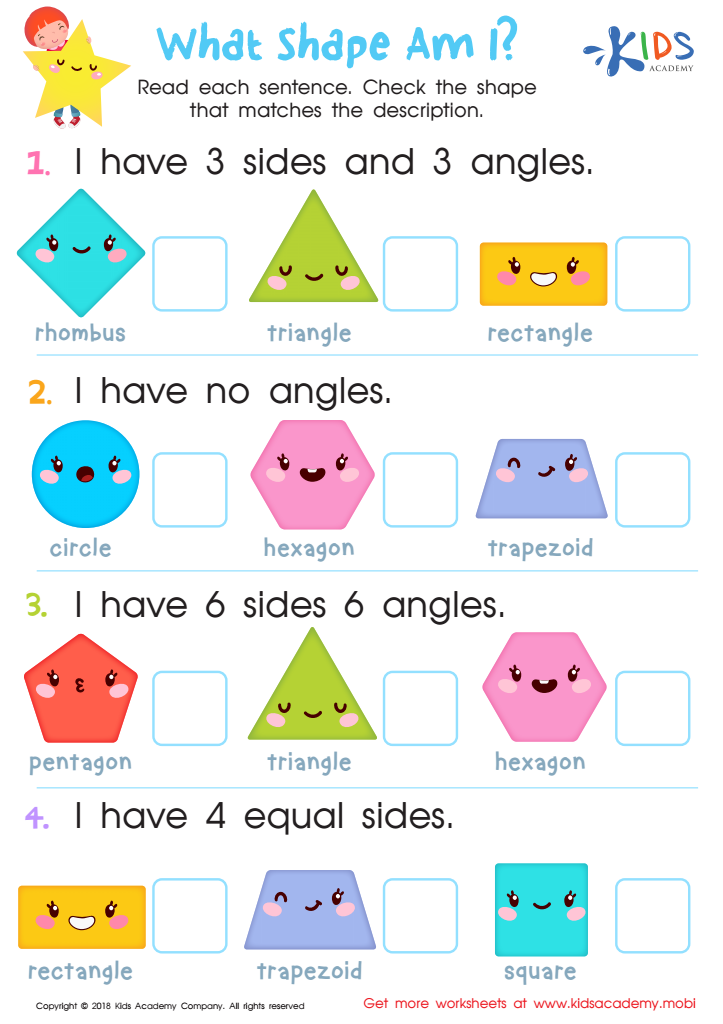
What Shape Am I? Worksheet
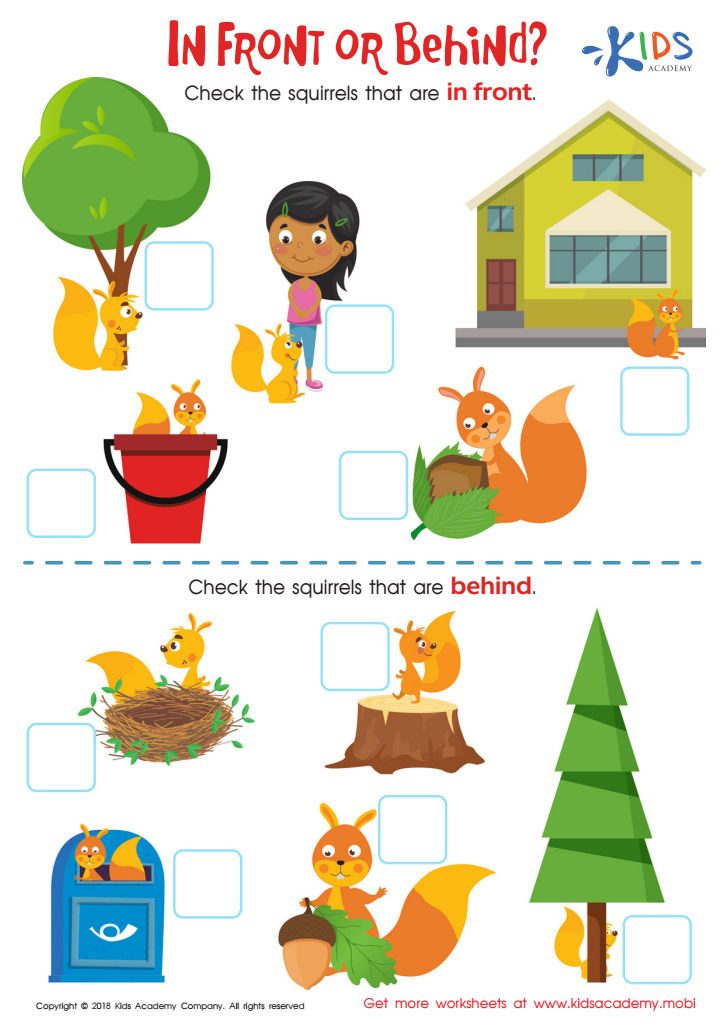
In Front or Behind: Part 2 Worksheet
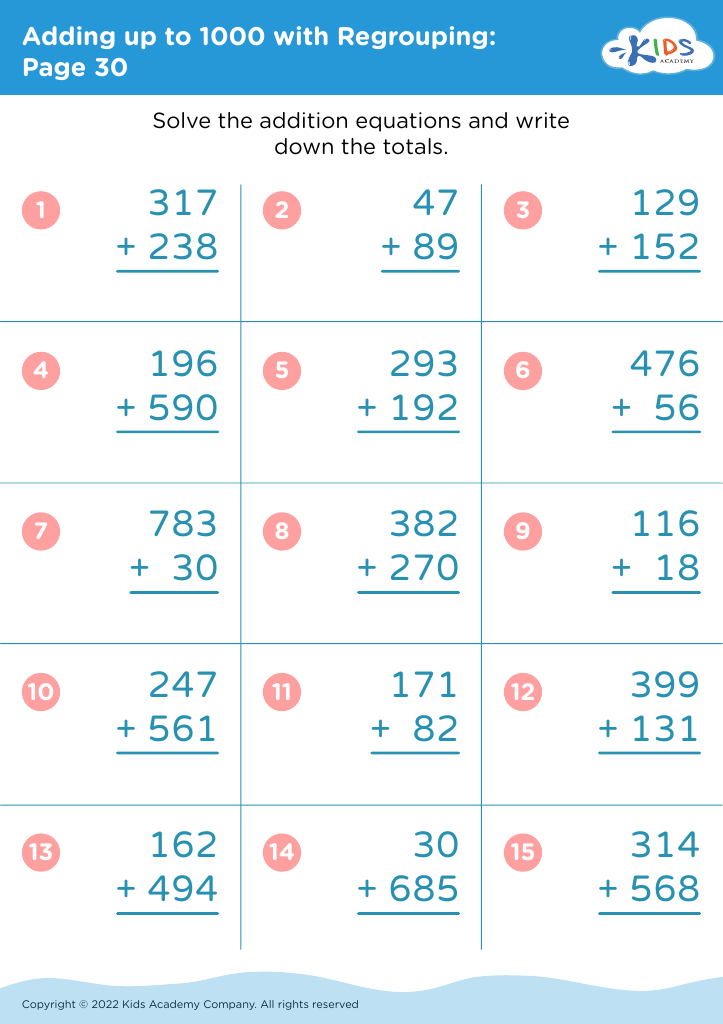
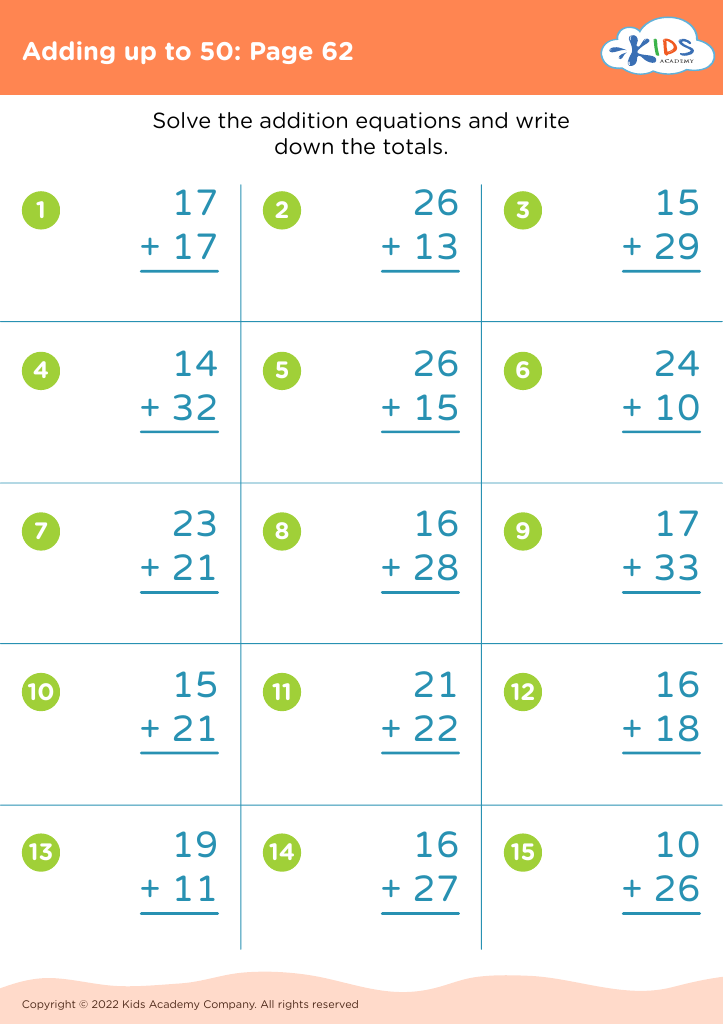
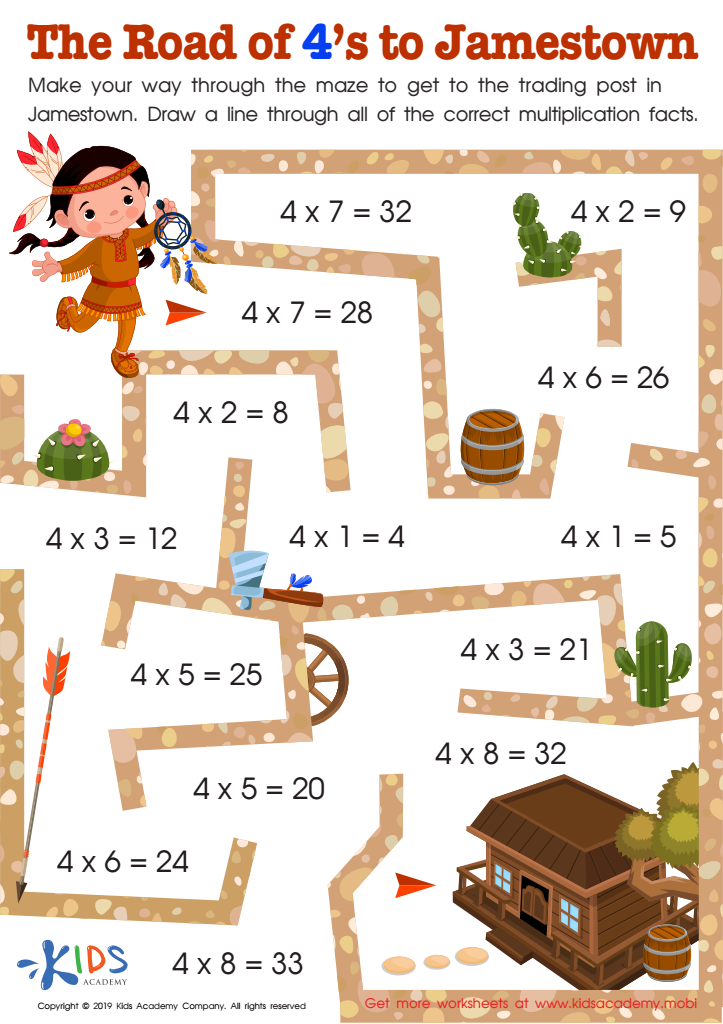
The Road of 4’s to Jamestown Worksheet
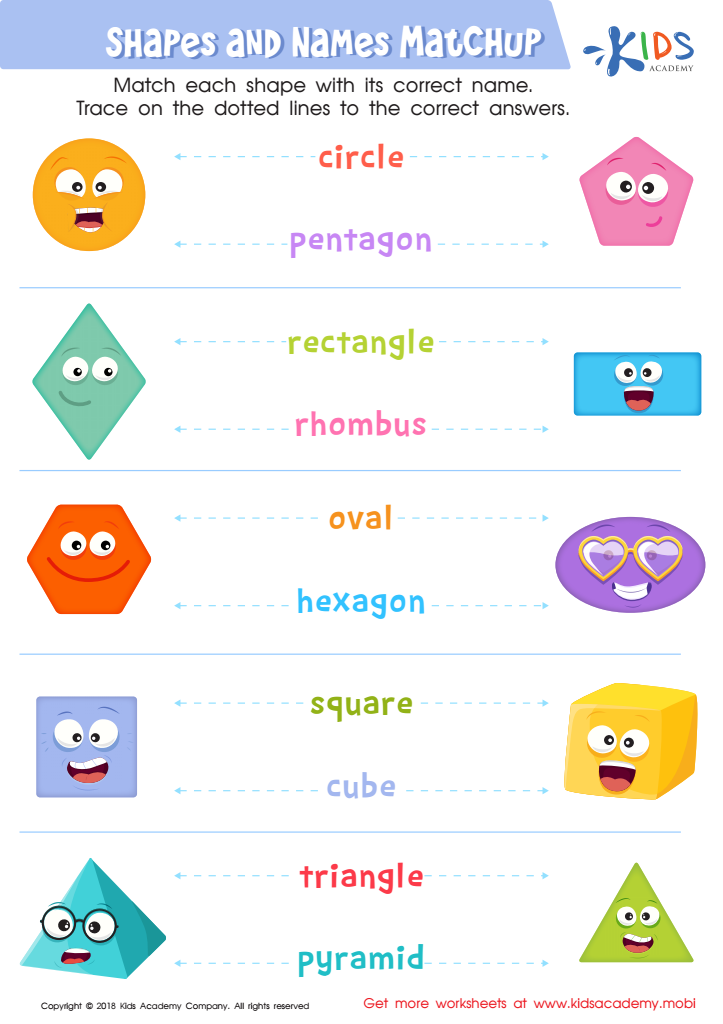
Shapes and Names Matchup Worksheet
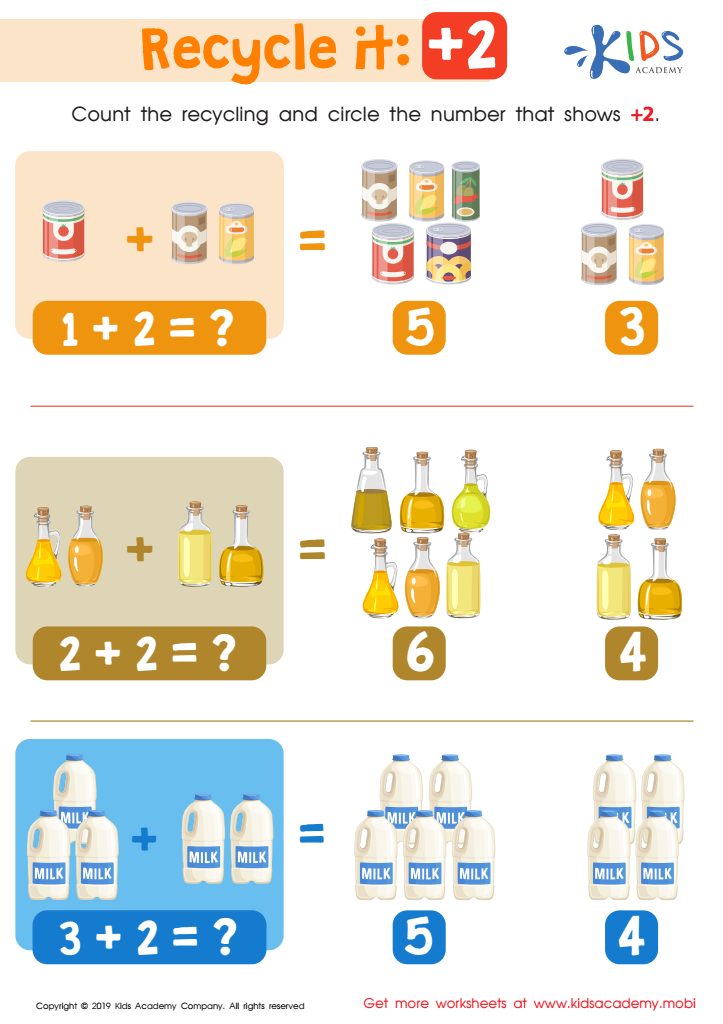
Recycle It: +2 Worksheet
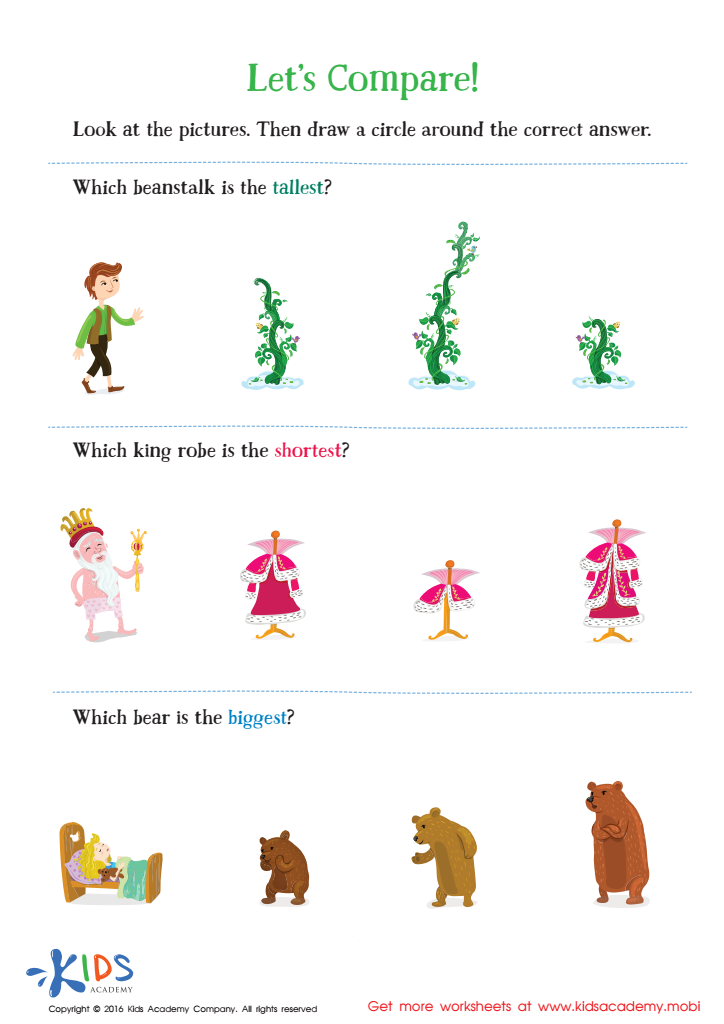
Fairy Tale Worksheet: Let's Compare
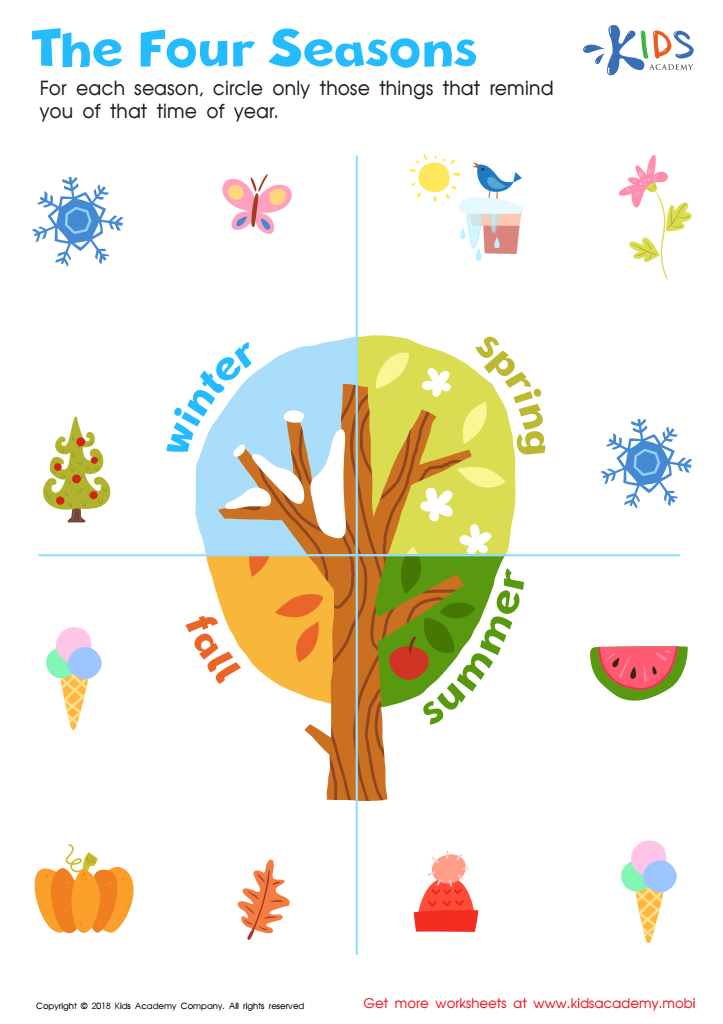
The Four Seasons Worksheet
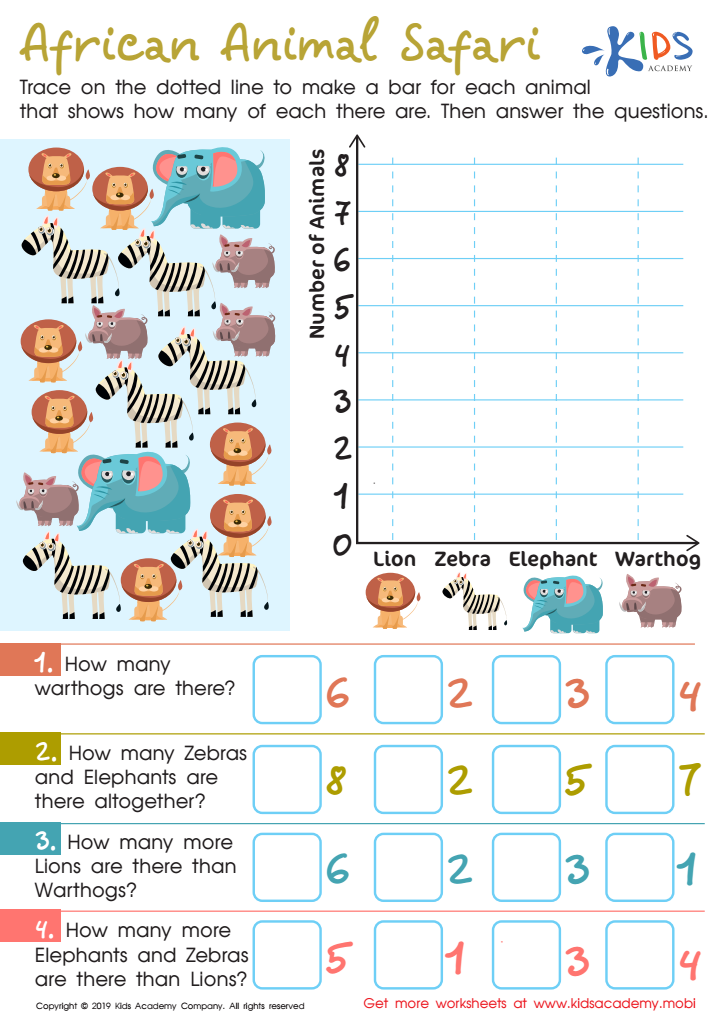
African Animal Safari Worksheet
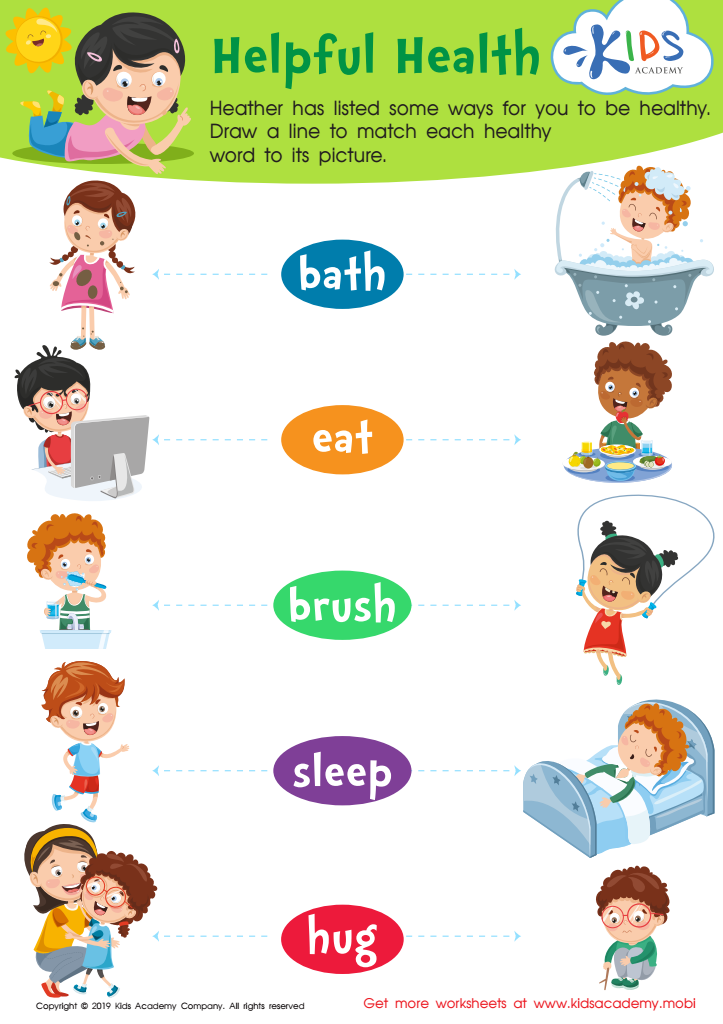
Helpful Health Worksheet
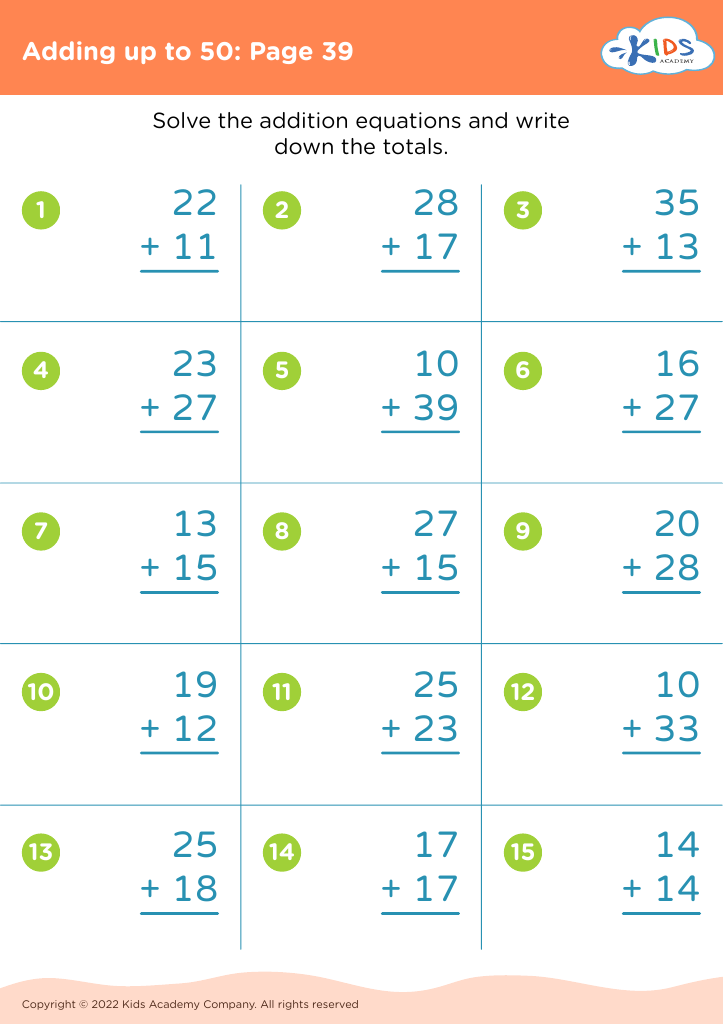








Vocabulary enhancement in math for ages 4-8 is crucial for several key reasons. Firstly, strong math vocabulary helps young children grasp complex mathematical concepts with greater ease. When children understand terms like "more," "less," "equal," or "add," they can articulate their thinking better and solve problems more effectively. This foundation is critical as math concepts build on one another: understanding basic terms prepares children for more advanced topics.
Secondly, enhanced math vocabulary supports overall language development. Discussing math fosters communication skills, critical thinking, and the ability to follow multi-step instructions. This dual development is particularly beneficial for young children, whose cognitive abilities are rapidly expanding.
Additionally, a robust math vocabulary bridges the gap between concept and application. Children who know the words that describe math problems and their solutions can more readily apply their knowledge in practical situations, enhancing their critical thinking ability.
Lastly, fostering a strong mathematical vocabulary from an early age can positively impact attitudes toward math. When children can understand and describe what they’re doing, they’re more likely to enjoy the subject and feel confident in their abilities, leading to sustained interest and better performance in future academic endeavors.
By prioritizing math vocabulary enhancement, parents and teachers set the stage for both immediate and long-term educational success across various disciplines.








