
Color Identification Matching Worksheets for Ages 4-8
3 filtered results
Difficulty Level
Grade
Age
-
From - To
Subject
Activity
Standards
Introduce your child to the vibrant world of colors with our Color Identification Matching Worksheets, designed for ages 4-8. These engaging printables improve color recognition, matching skills, and fine motor development. Each worksheet fosters creativity and cognitive growth, allowing young learners to connect colors in fun and interactive ways. With a variety of themes and pictures, kids remain entertained while learning essential pre-math concepts and enhancing their observation skills. Perfect for home or classroom use, these worksheets provide an excellent foundation for your child’s educational journey. Cultivate confidence and color mastery with our thoughtfully crafted activities!
Favorites
With answer key
Interactive
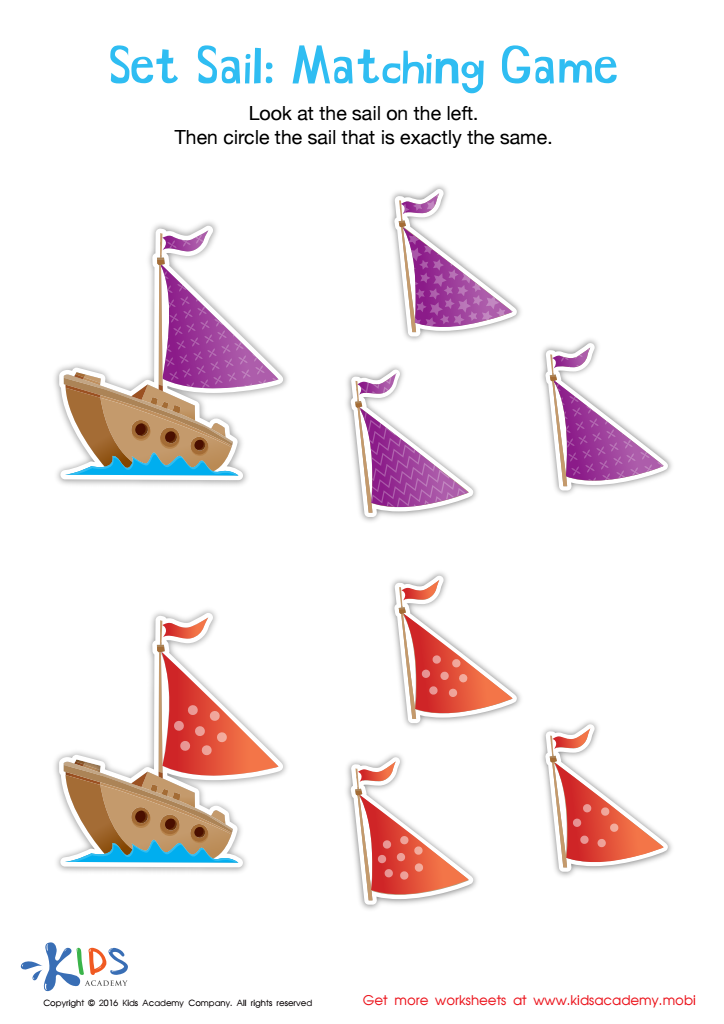
Set Sail Worksheet
Set sail with this fun matching game for toddlers! Kids will love finding the same pattern on the sails, improving their problem-solving and counting skills. Enjoy this bright and engaging worksheet!
 Assign to My Students
Set Sail Worksheet
Worksheet
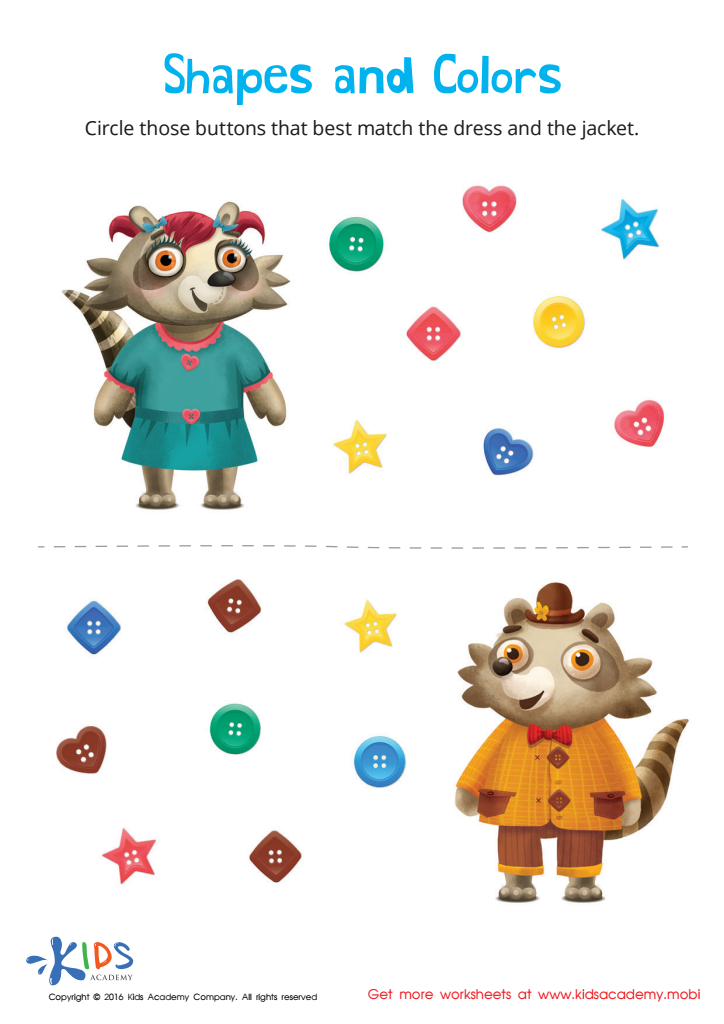
Matching: Shapes and Colors Worksheet
Help Mr. and Mrs. Raccoon find the right buttons to match their shirts! Kids will identify shapes and colors and learn to match them correctly.
Matching: Shapes and Colors Worksheet
Worksheet
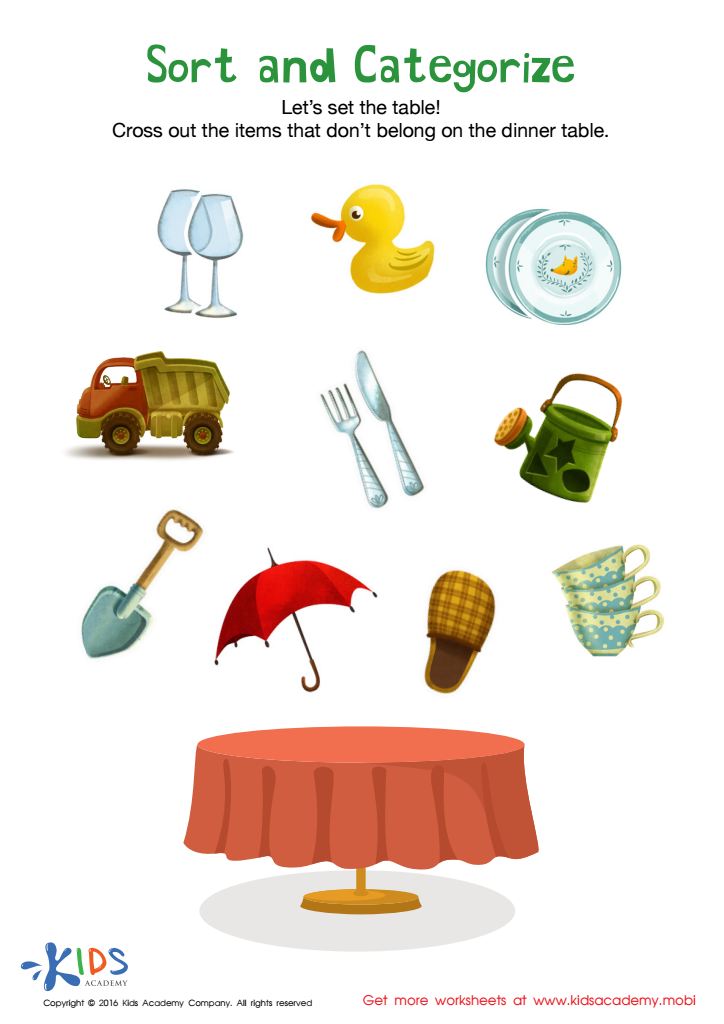
Join Kids Academy for Free
Who is primarily going to use this learning content?



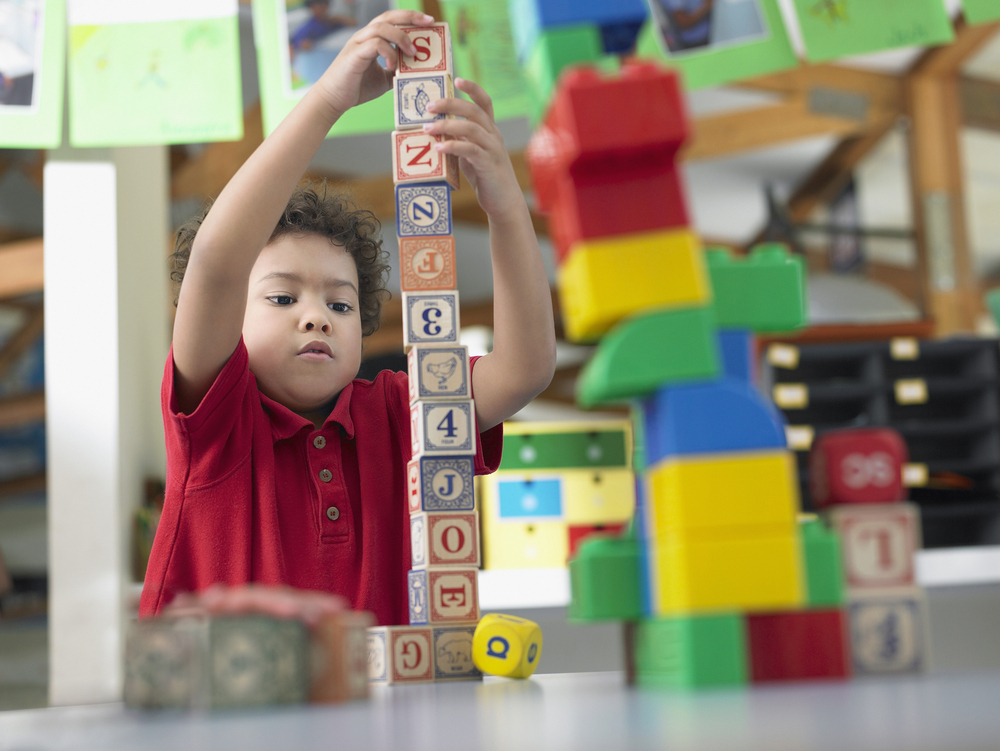
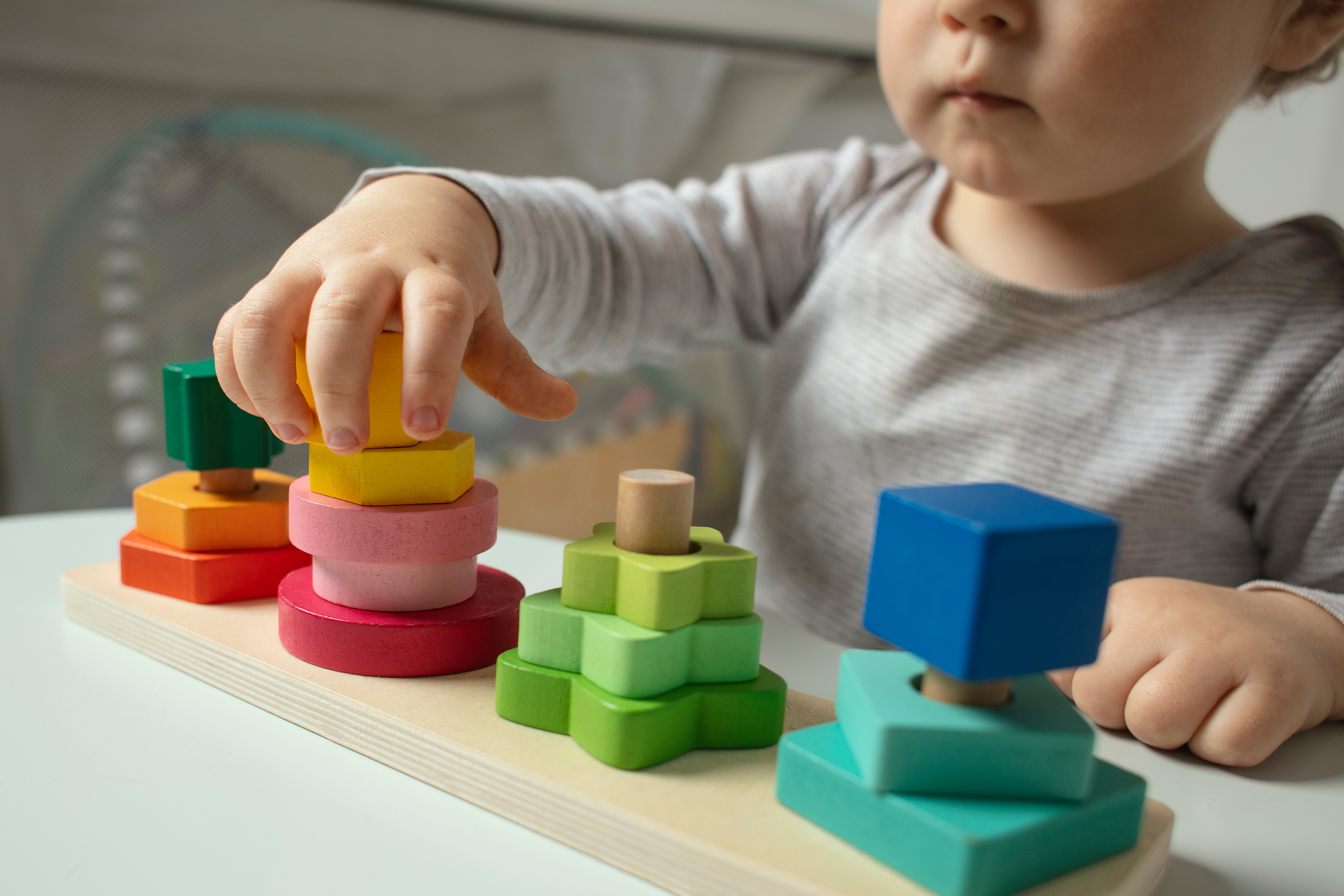


Color Identification Matching is essential for children aged 4-8 because it plays a critical role in their cognitive and developmental milestones. This activity supports early learning by enhancing a child's ability to distinguish and categorize colors, which is a fundamental skill in cognitive development. Recognizing and naming colors help children develop their vocabulary and linguistic abilities, enabling them to describe and interact with the world around them more accurately.
Moreover, activities centered around color matching sharpen a child’s memory and attention to detail, which are key in problem-solving and logical thinking. It lays the foundation for future mathematical skills as they learn patterns, classification, and sequencing.
Engaging in color identification also boosts fine motor skills as children manipulate objects to match colors, thereby improving hand-eye coordination. Socially and emotionally, children gain self-confidence when they successfully complete color-matching tasks, fostering a sense of achievement and encouraging a love for learning.
For parents and teachers, color identification matching serves as a fun and interactive way to engage children. It provides opportunities to bond while assessing their development and identifying any potential learning challenges early on. Hence, being proactive in encouraging this activity can set the stage for lifelong learning and development.








