Interpreting data Measurement Worksheets for Ages 4-8
5 filtered results
-
From - To
Welcome to our educational resources page for "Interpreting Data Measurement Worksheets," designed specifically for children ages 4-8. Our engaging worksheets help young learners develop critical skills in data interpretation through fun activities related to measurements and comparisons. With colorful visuals and relatable contexts, children will explore concepts like height, weight, and volume, enhancing their ability to analyze and understand data. These resources not only support early math skills but also encourage data literacy crucial for future learning. Perfect for both classroom and home use, our worksheets provide a wonderful way for kids to learn while having fun with measurements!
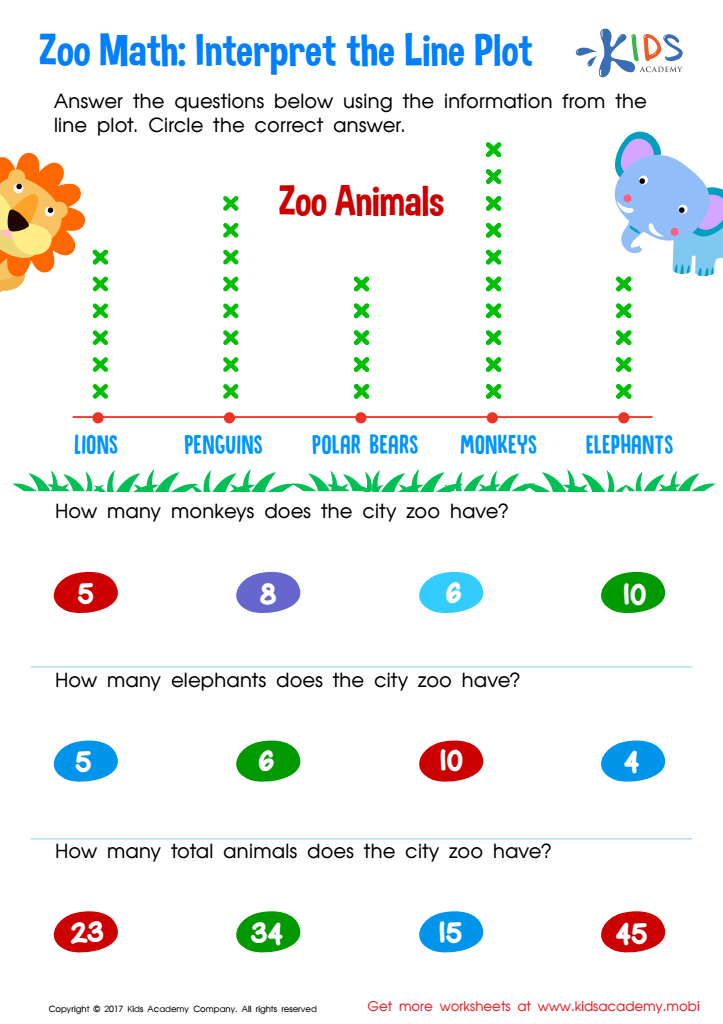
Interpret Line Plot Worksheet
 Assign to My Students
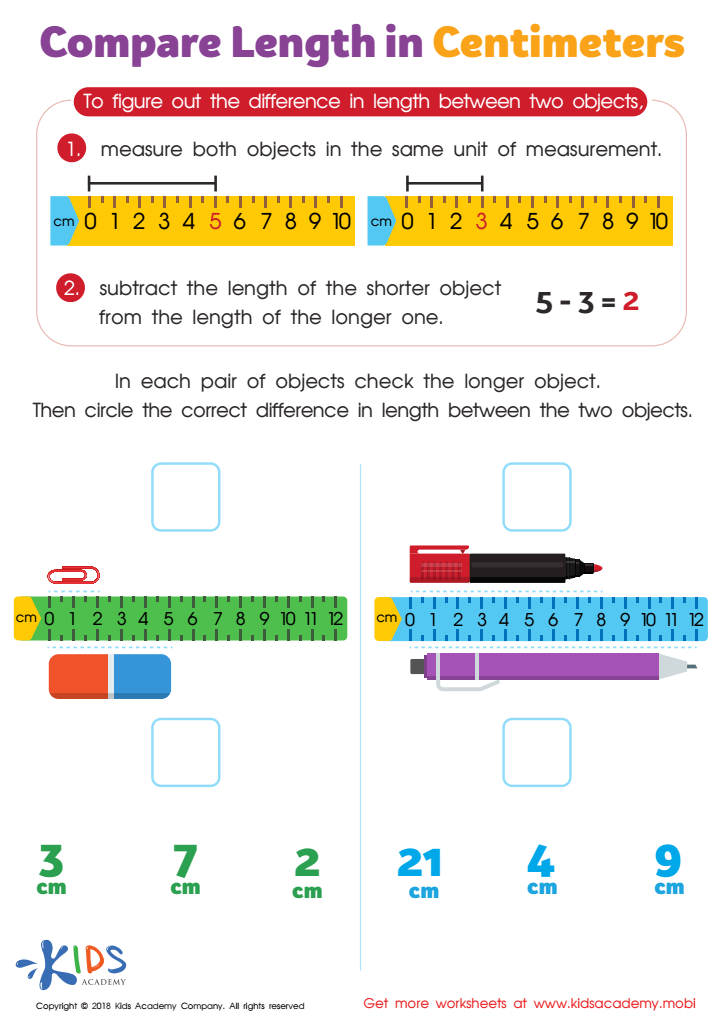
Compare Length in Centimeters Worksheet
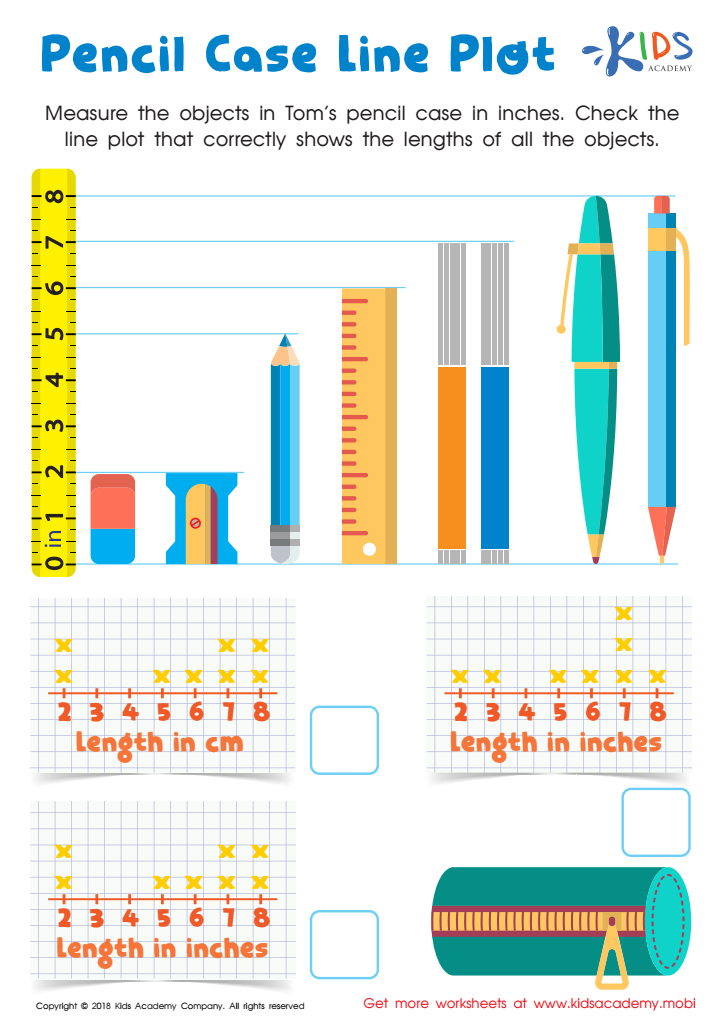
Pencil Case Line Plot Worksheet
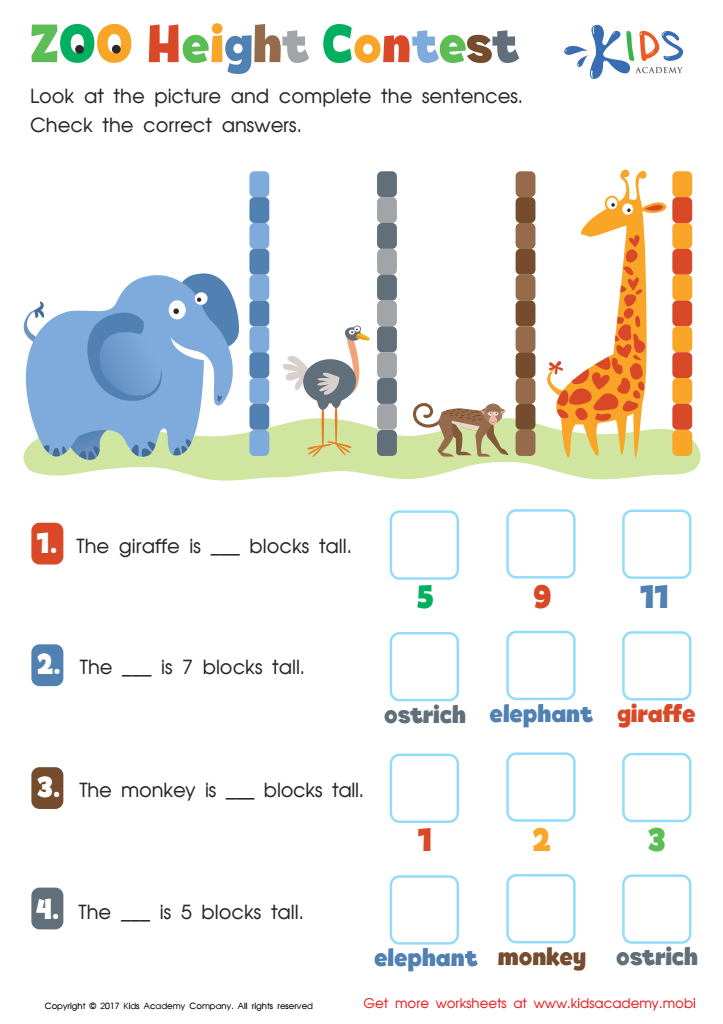
Zoo Height Contest Worksheet
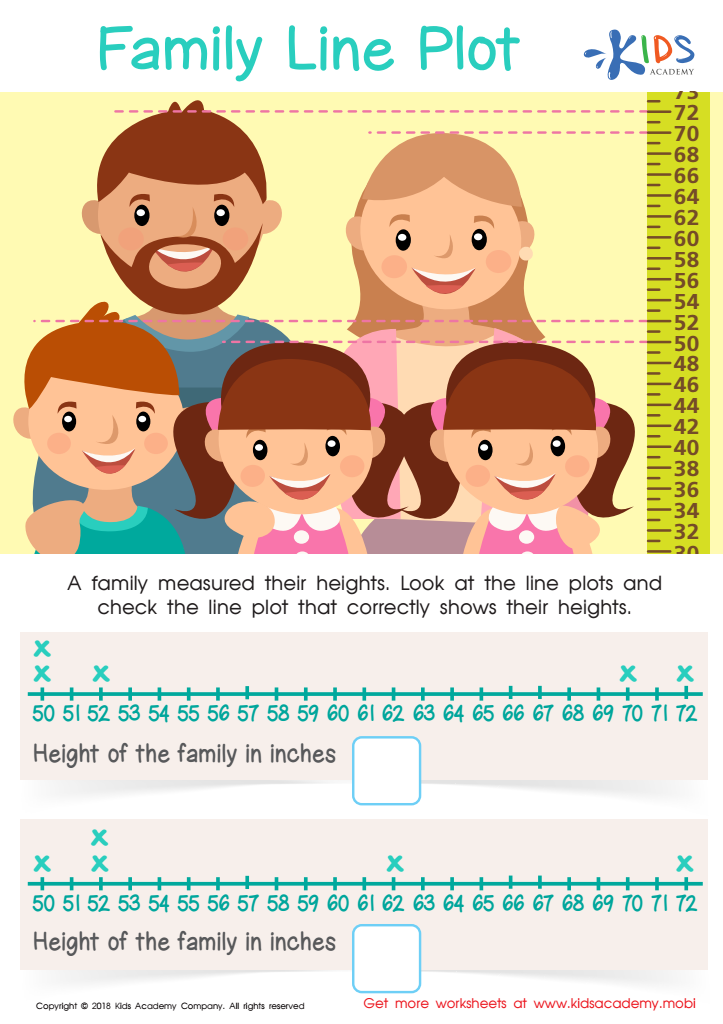
Family Line Plot Worksheet








Interpreting data measurement is crucial for children aged 4-8, as it fosters essential skills that lay the foundation for future learning. At this developmental stage, children are curious and eager to understand the world around them. Engaging them with data measurement helps cultivate critical thinking, problem-solving skills, and numeracy in a tangible context.
Parents and teachers should care because early exposure to data enables children to analyze their environments and make sense of information. It can be incorporated into practical activities, like measuring ingredients while baking or charting daily temperatures. These experiences not only make learning fun but also enhance children's ability to collect, organize, and interpret data.
In addition, understanding data measurement opens up opportunities for interdisciplinary learning, incorporating concepts from math, science, and even social studies. It nurtures a sense of inquiry, empowering young learners to ask questions and explore answers—skills essential for lifelong learning.
Furthermore, as the world becomes increasingly data-driven, early familiarity with data interpretation prepares children for future academic and career challenges. Investing in these formative skills ensures a strong educational foundation, equipping children with the tools to succeed in an ever-evolving society. Thus, parents and teachers play a vital role in this early educational journey.








