Counting skills Numbers 0–10 Worksheets for Ages 4-8 - Page 3
82 filtered results
-
From - To
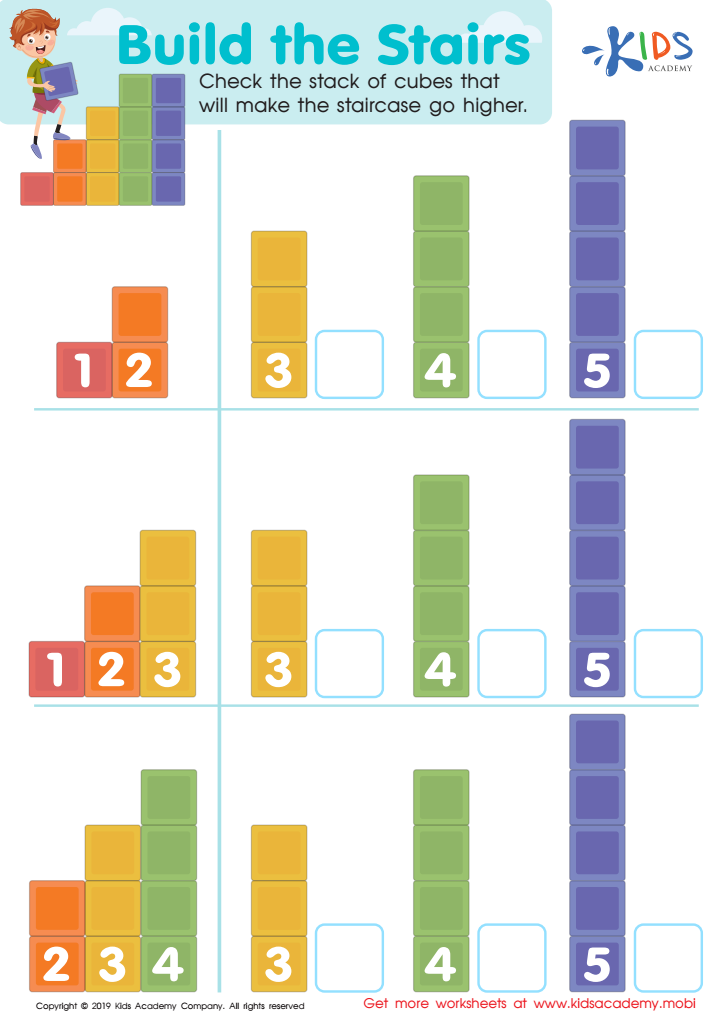
Build the Stairs Worksheet
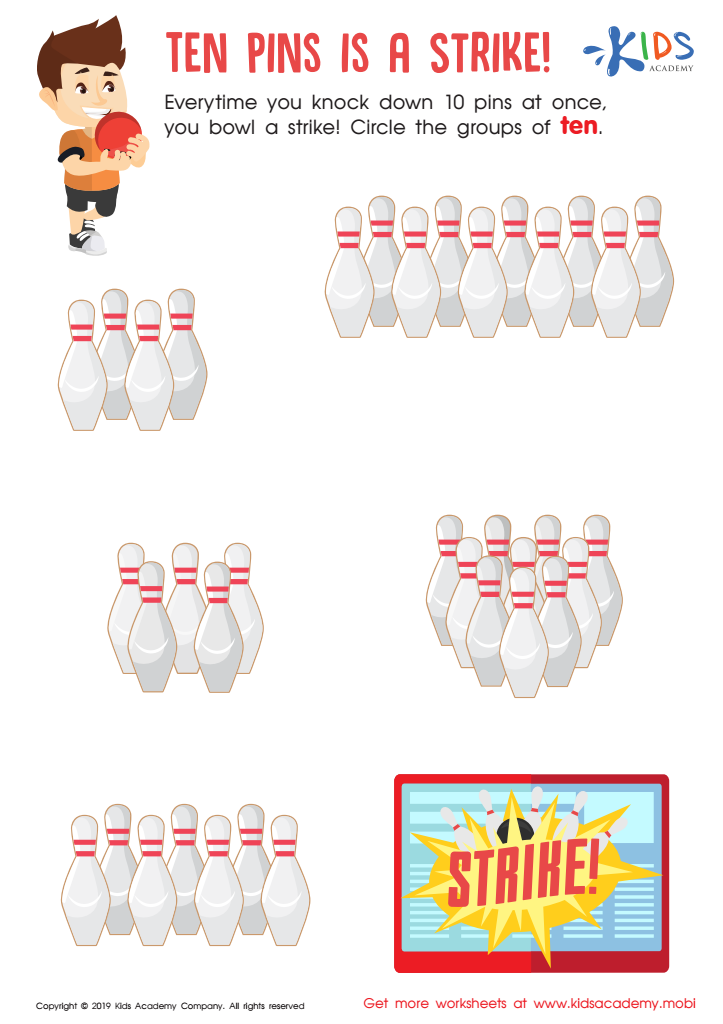
Ten Pins is a Strike Worksheet
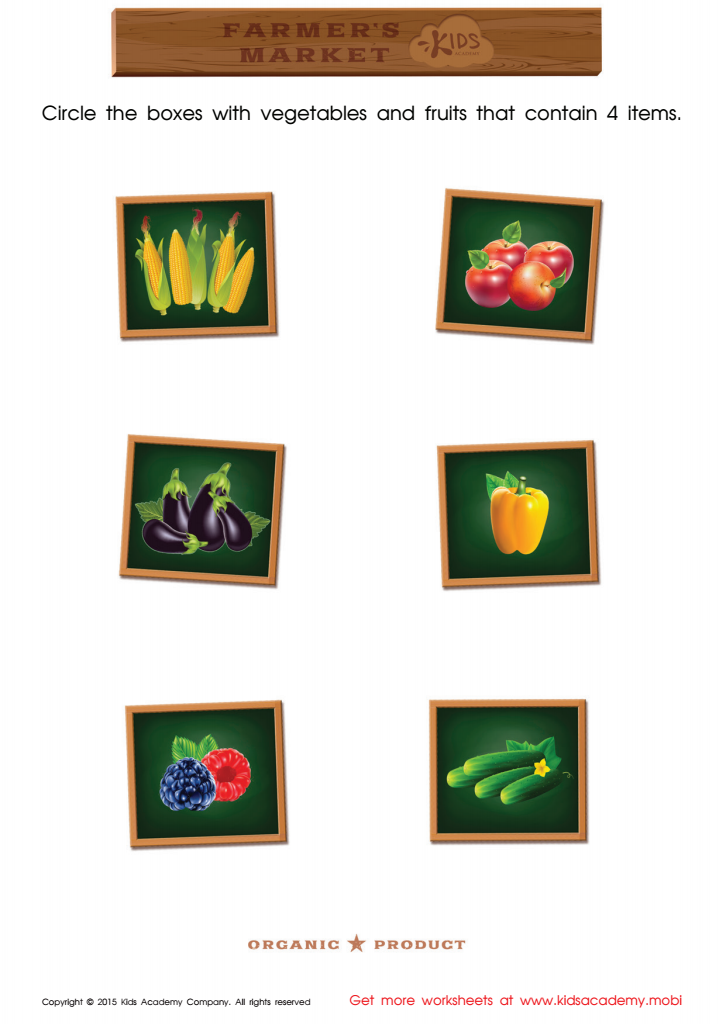
Count and Match Vegetables 2 – 8 Math Worksheet
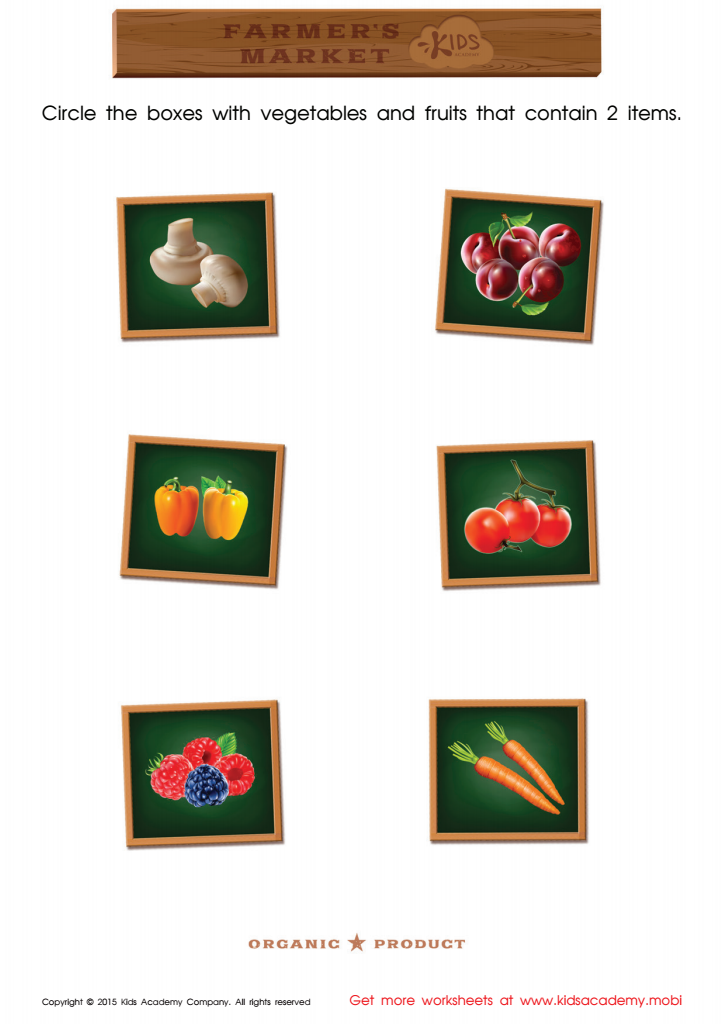
Count and Match Vegetables and Points Math Worksheet
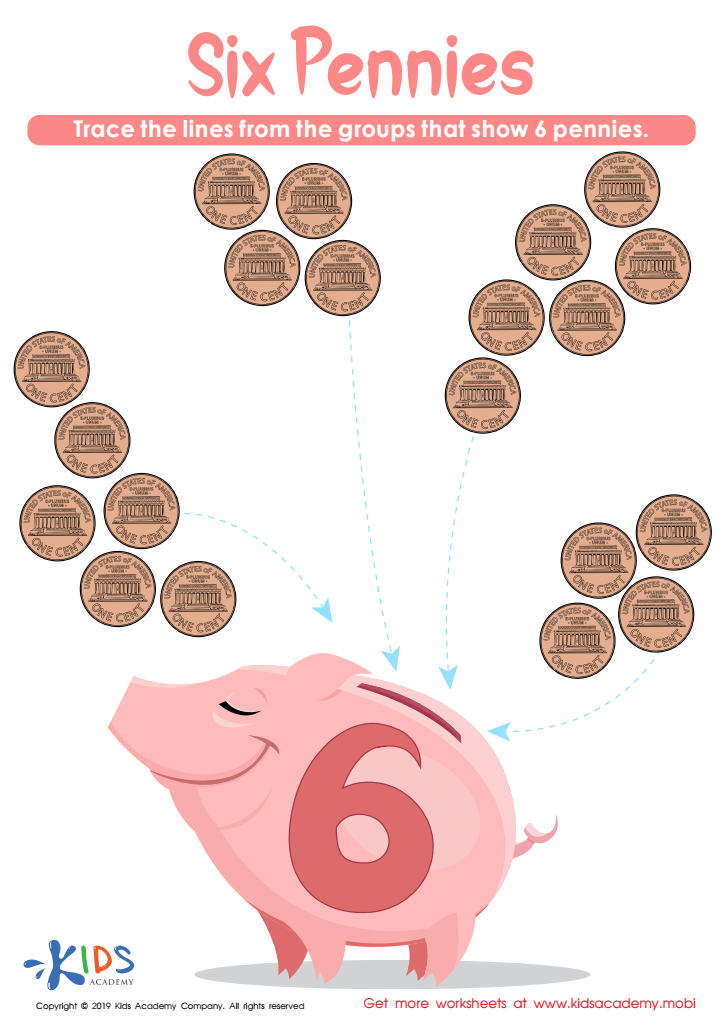
Six Pennies Worksheet
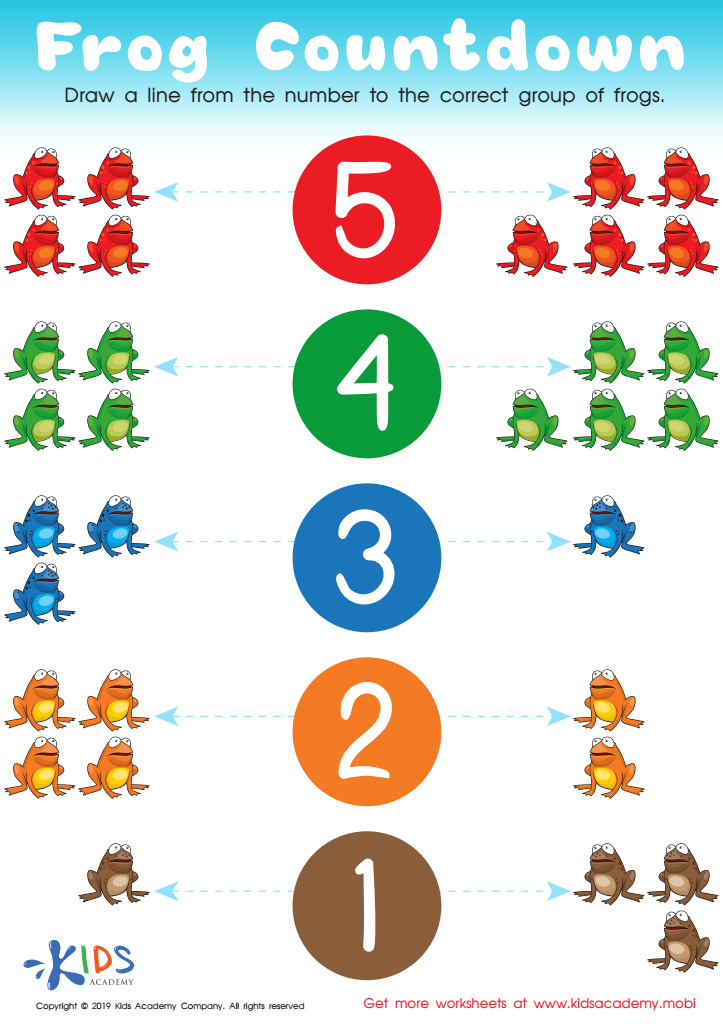
Frog Countdown Worksheet
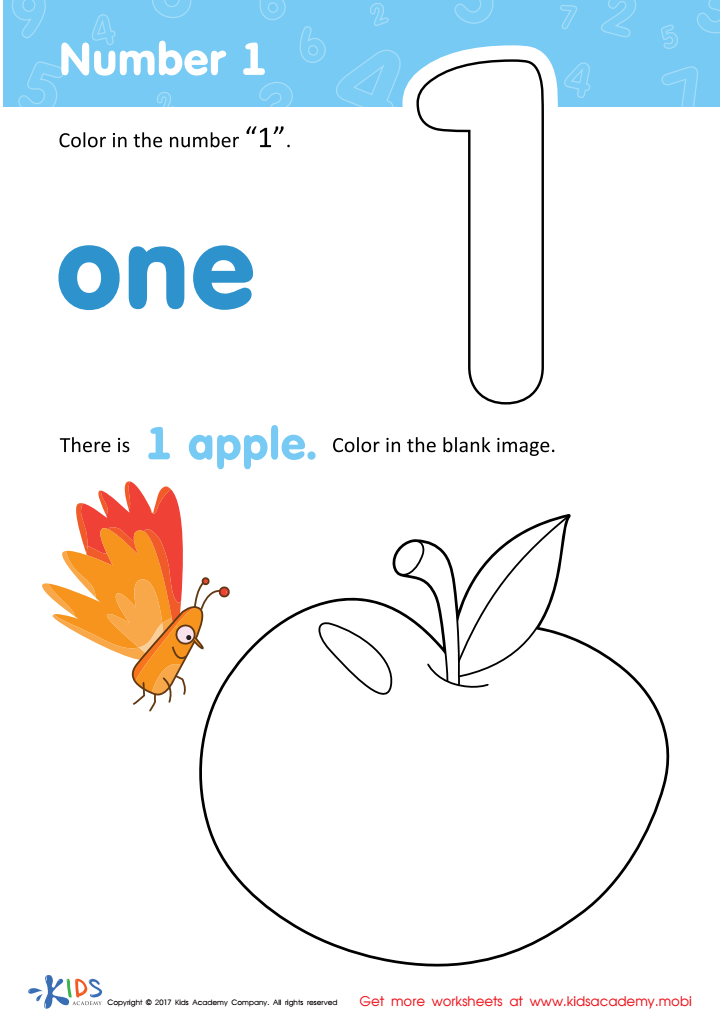
Number 1 Printable
 Assign to My Students
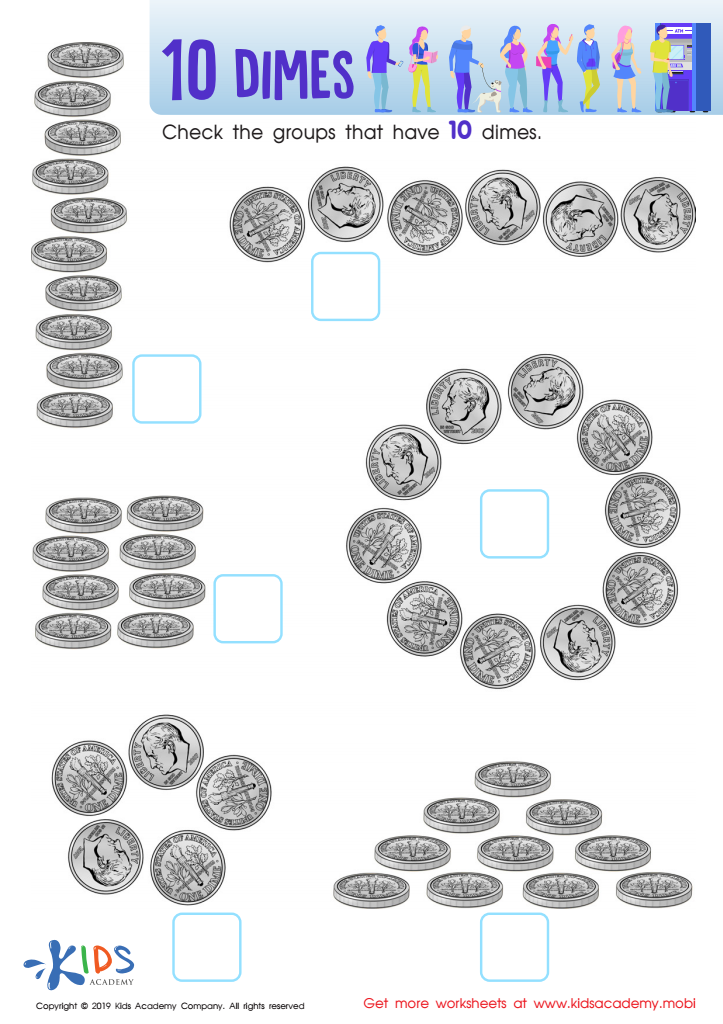
10 Dimes Worksheet
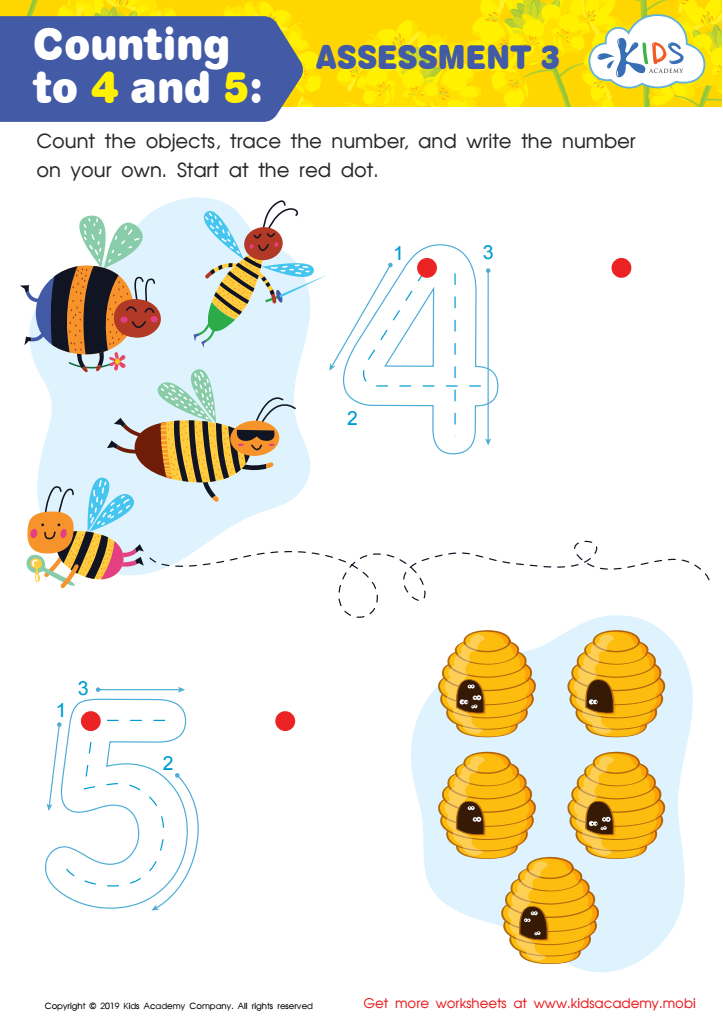
Counting to 4 and 5: Assessment 3 Worksheet
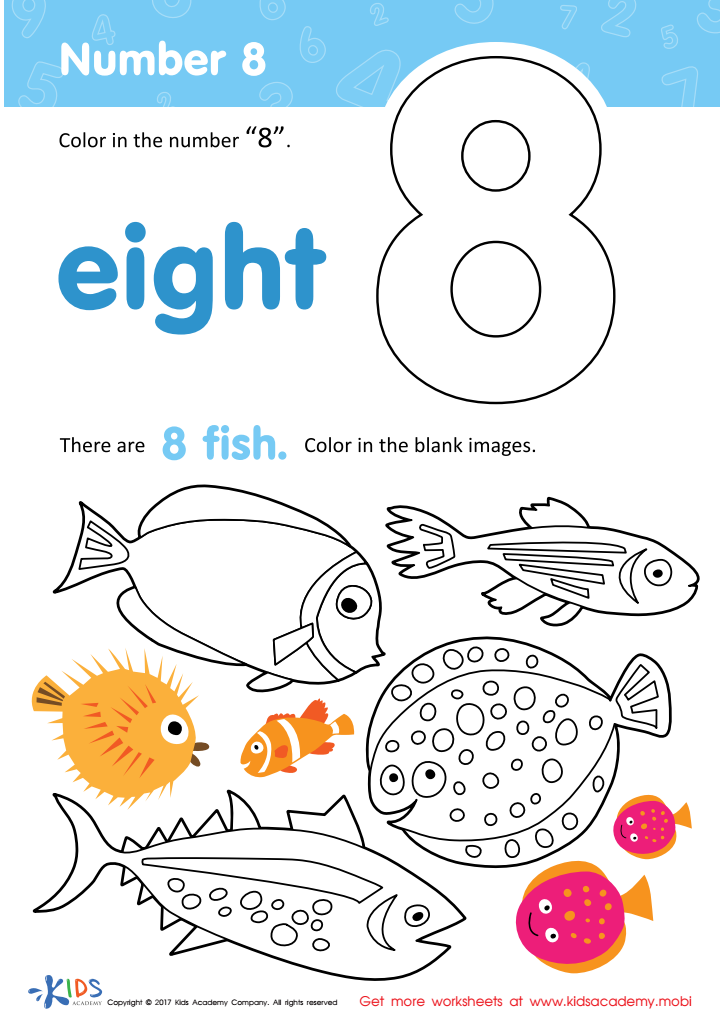
Number 8 Printable
Assign to My Students
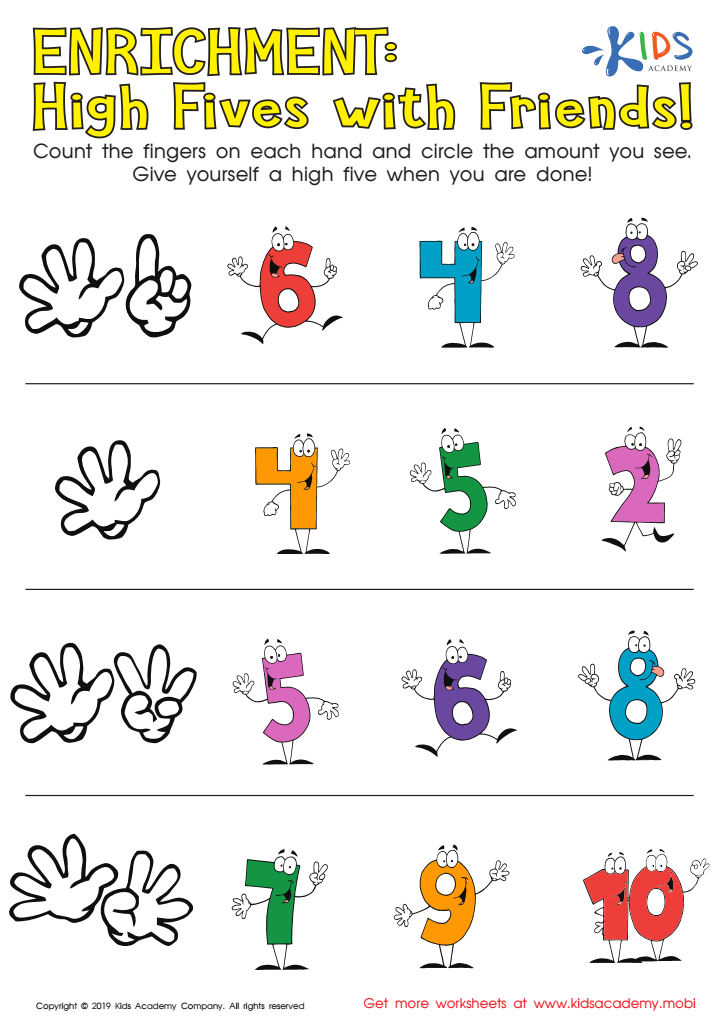
Enrichment: High Fives with Friends! Worksheet
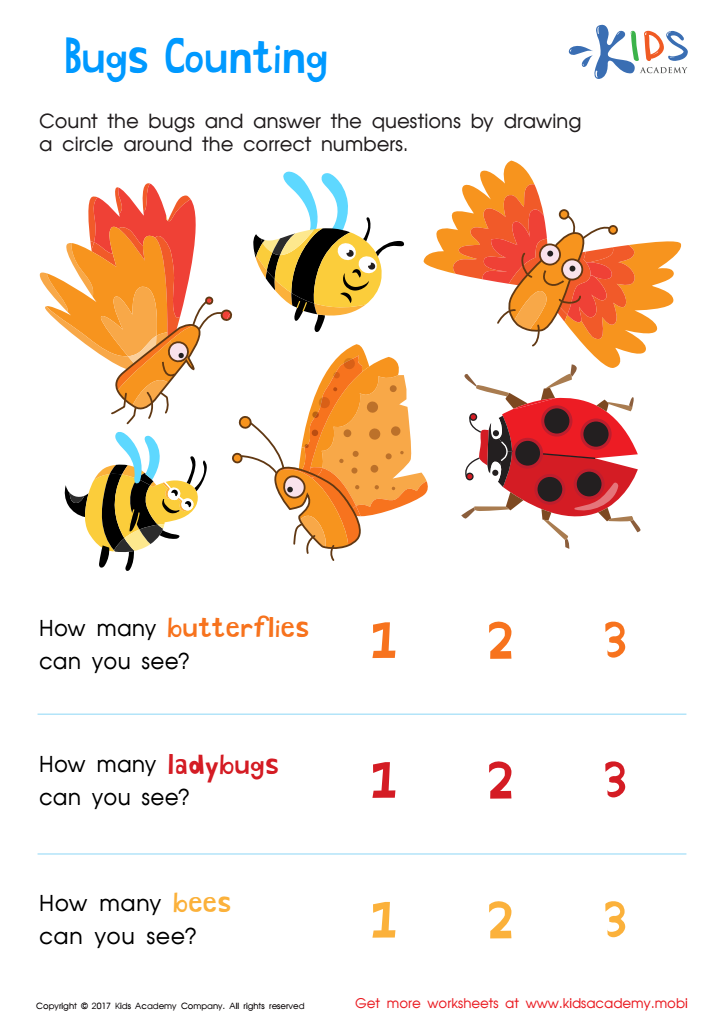
Bugs Counting Worksheet
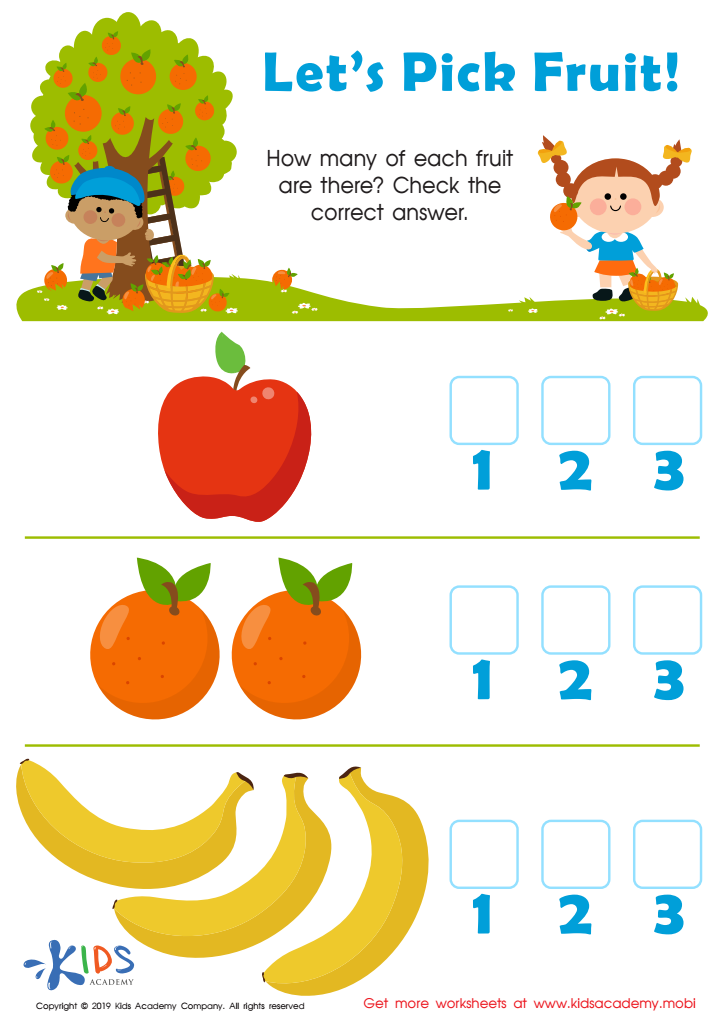
Let's Pick Fruit Worksheet
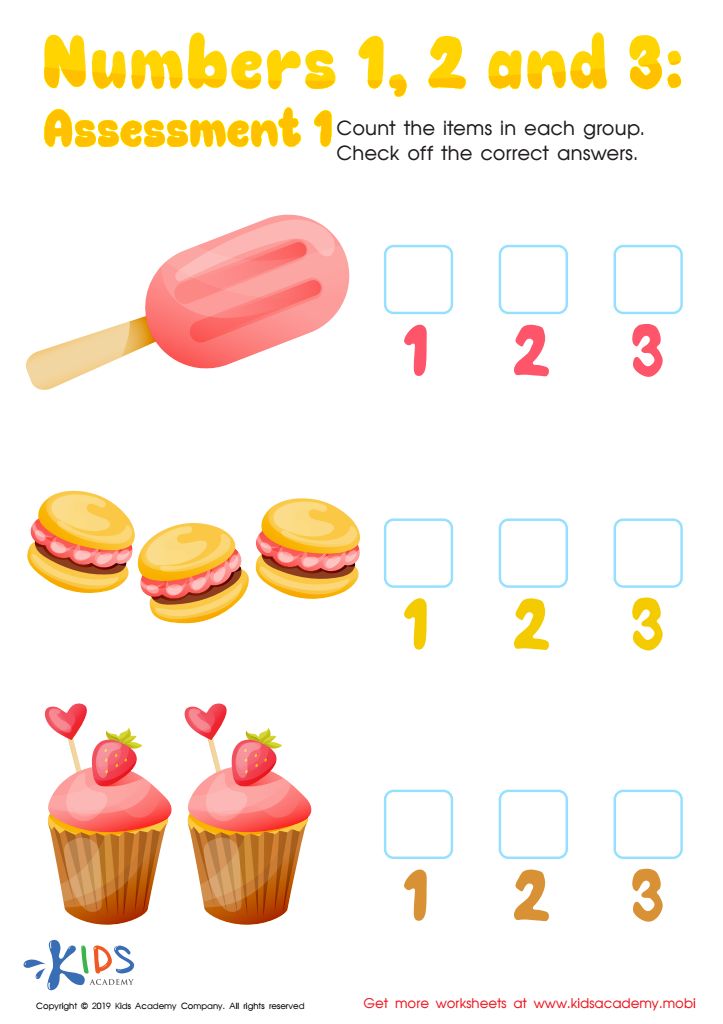
Numbers 1, 2 and 3: Assessment 1 Worksheet
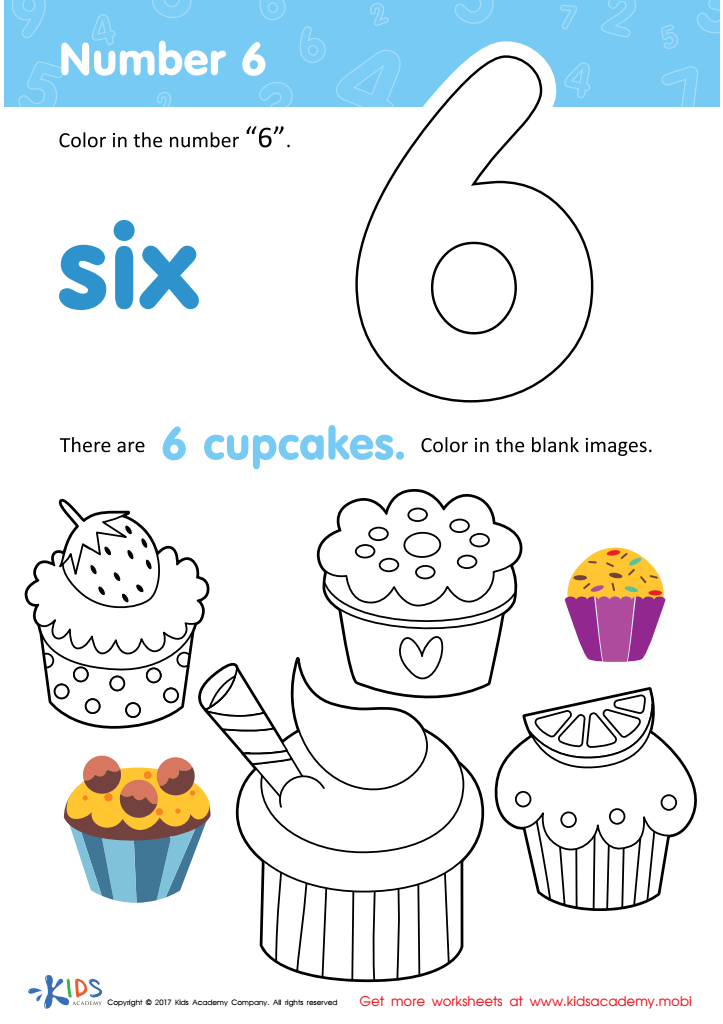
Number 6 Worksheet
Assign to My Students
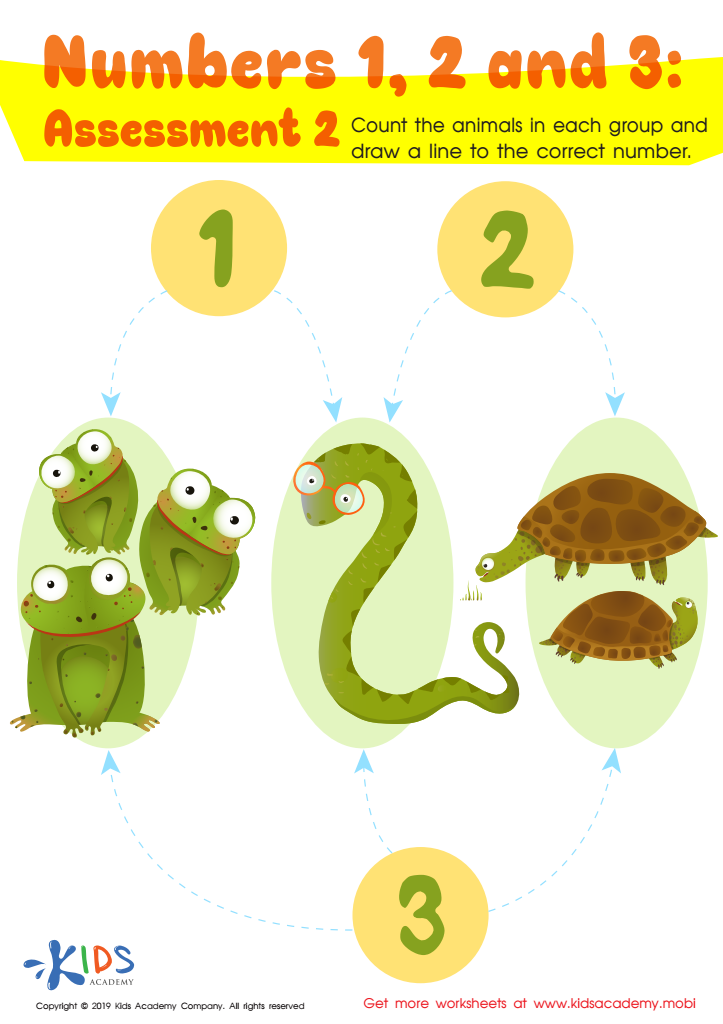
Numbers 1, 2 and 3: Assessment 2 Worksheet
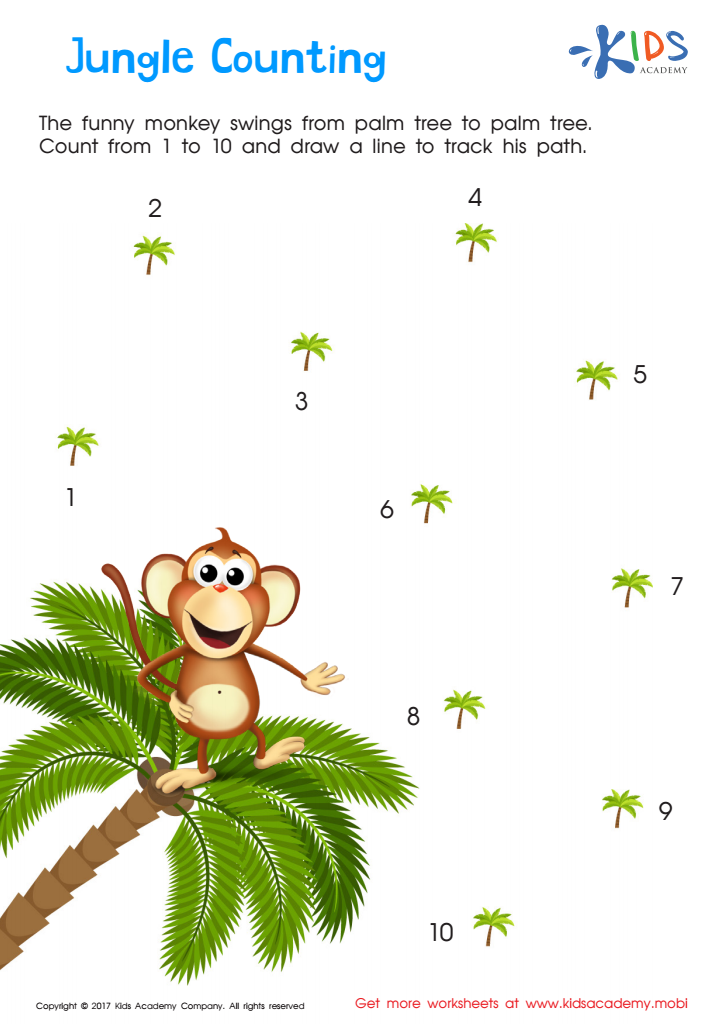
Jungle Counting Connect Dots Worksheet
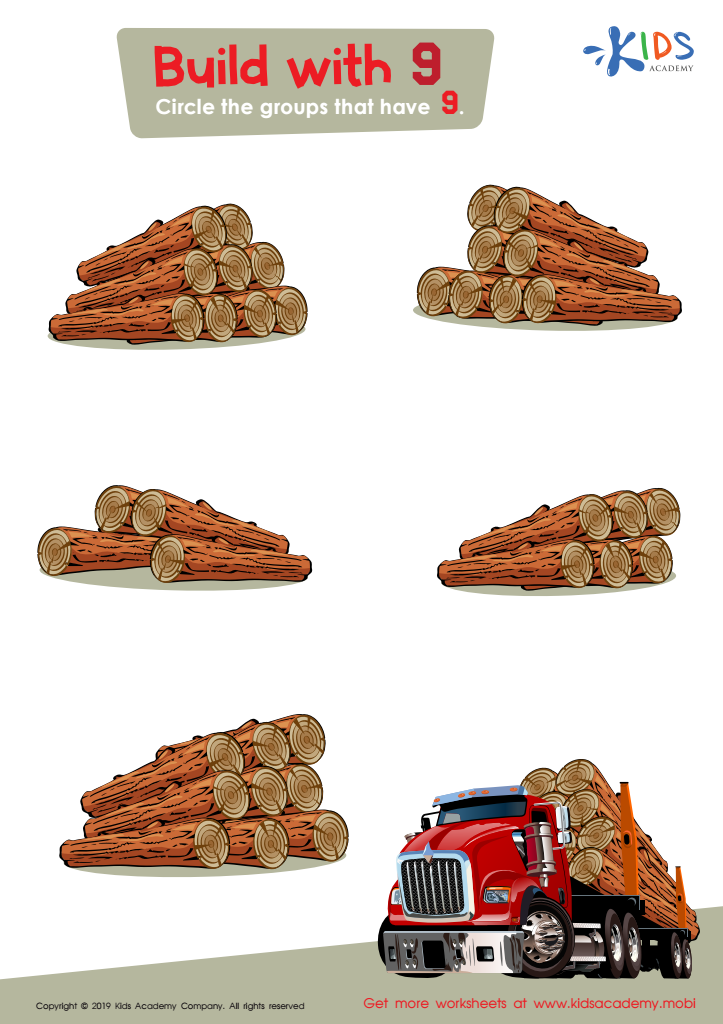
Build with 9 Worksheet
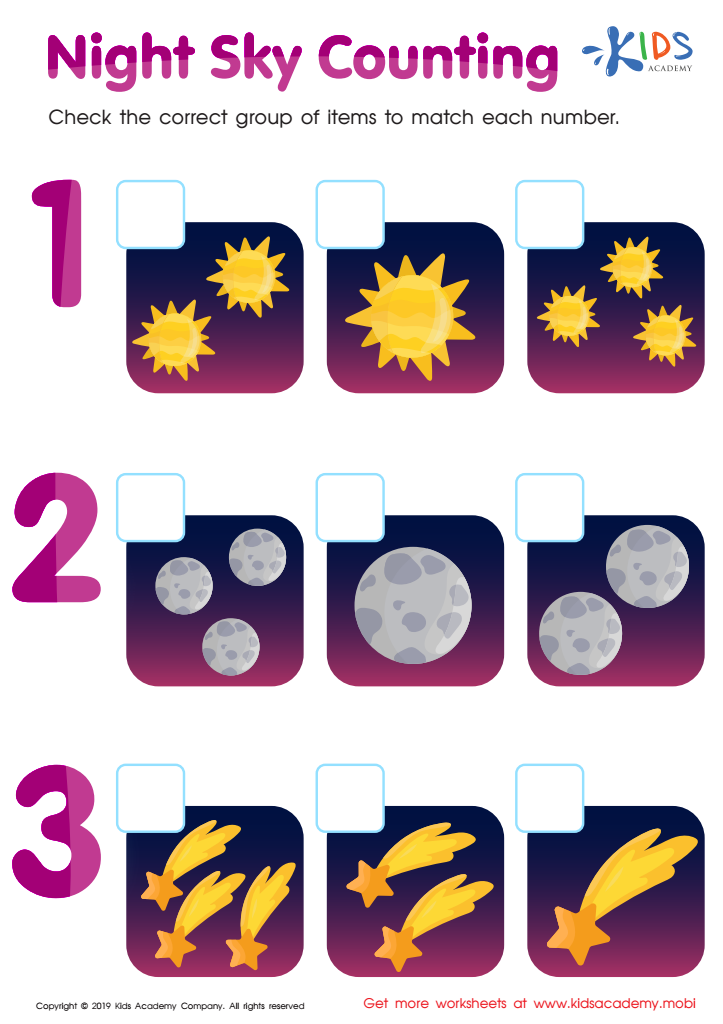
Night Sky Counting Worksheet
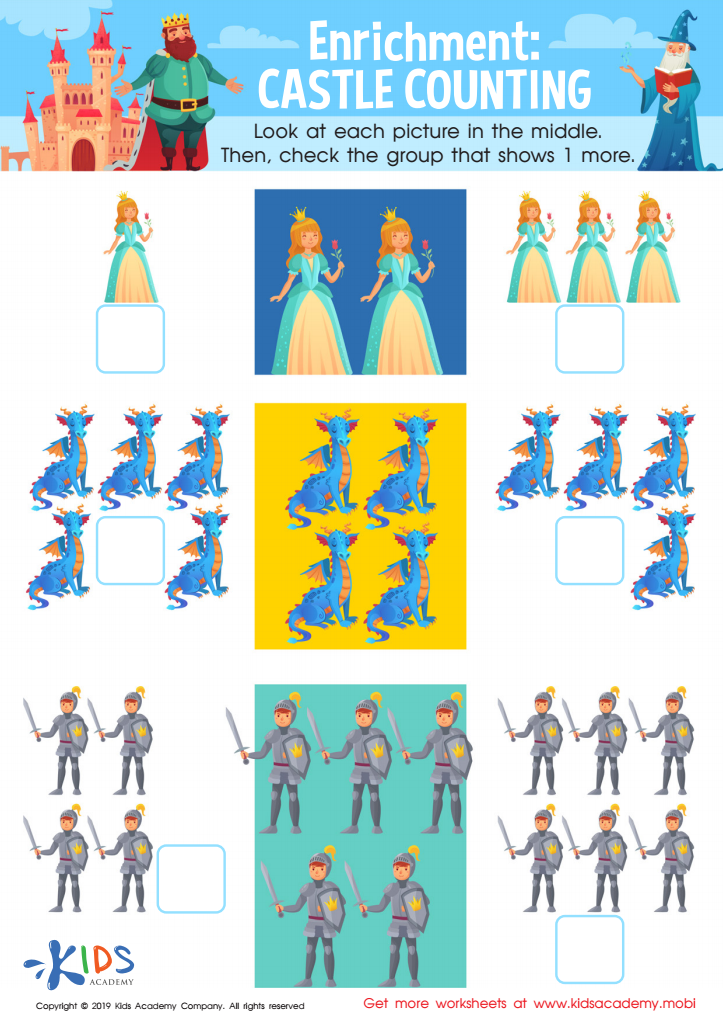
Enrichment: Castle Counting Worksheet
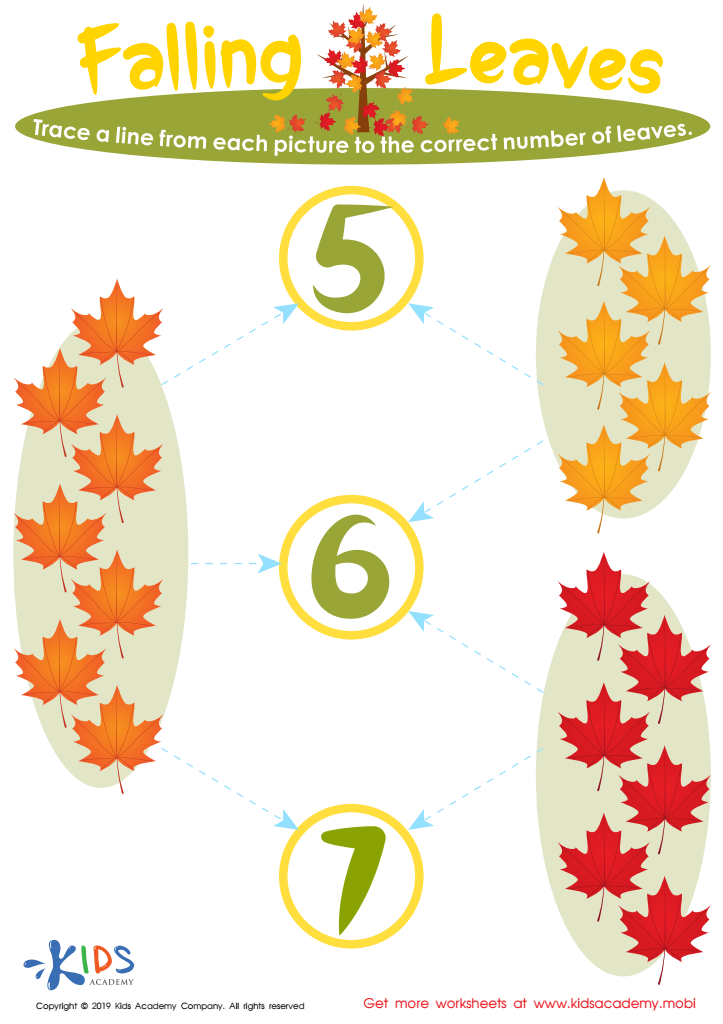
Falling Leaves Worksheet
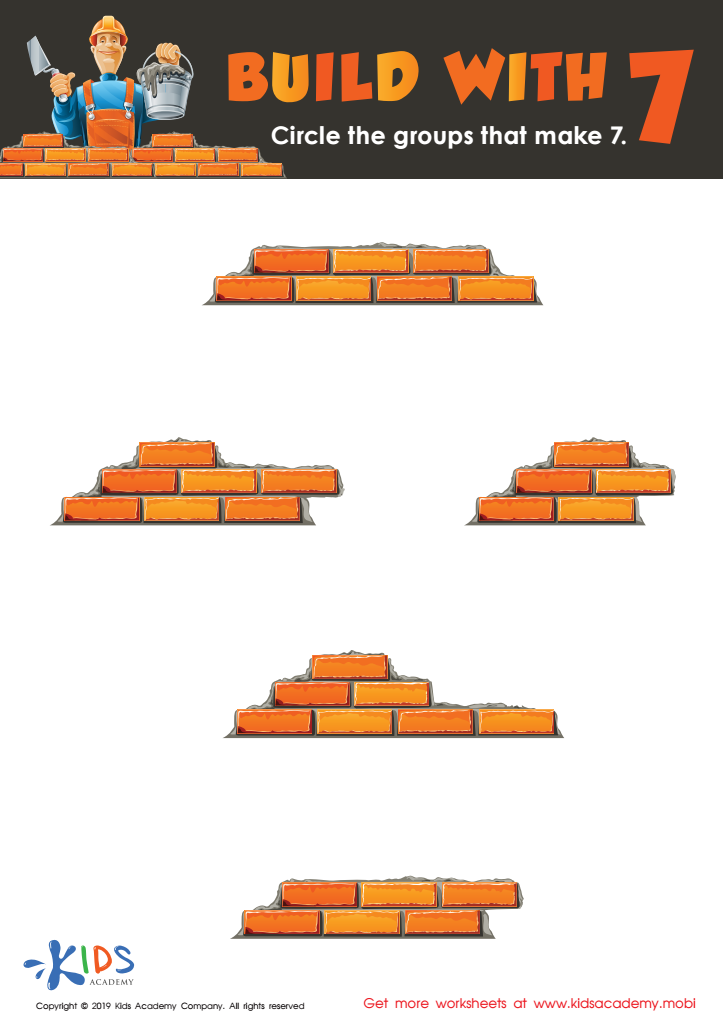
Build with 7 Worksheet
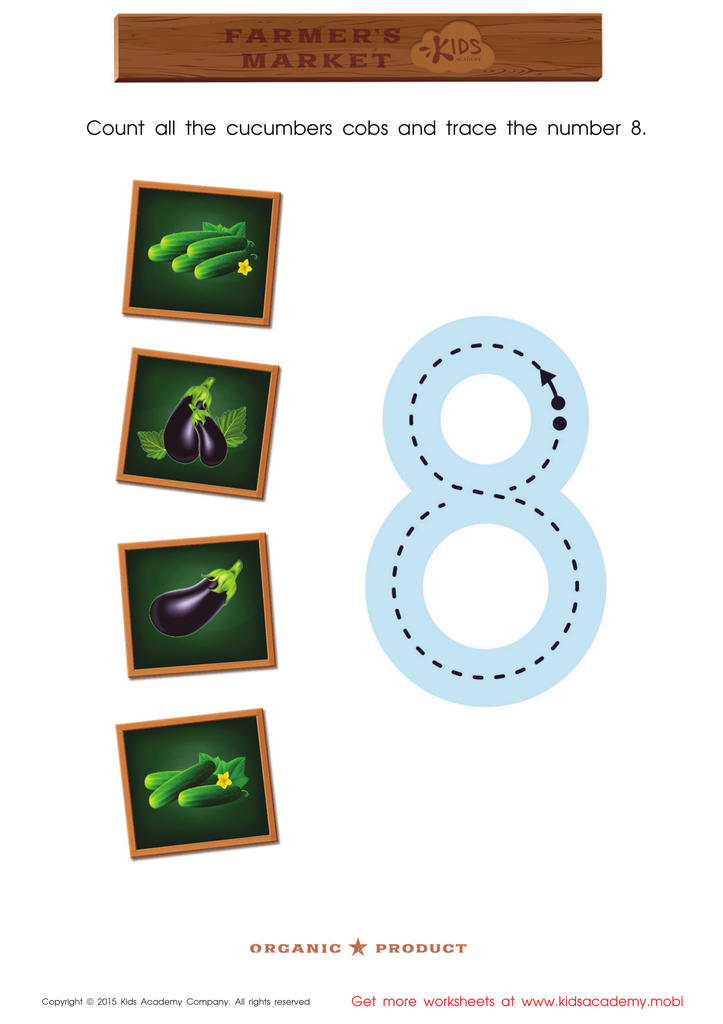
Count the Cucumbers and Trace the Number 8 Printable
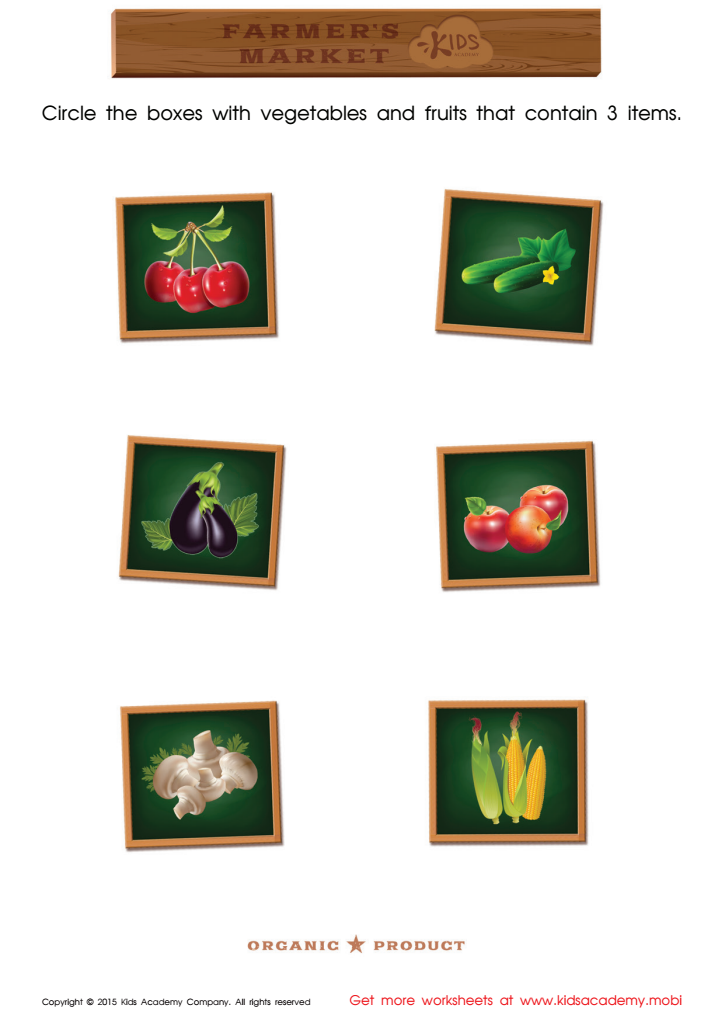
Count and Match Vegetables 1 – 5 Math Worksheet








Counting skills for numbers 0-10 are foundational for children's early math development. From ages 4 to 8, children undergo critical cognitive growth, and mastering these skills greatly impacts their future academic success. Understanding and manipulating these basic numbers help children develop problem-solving abilities, logical thinking, and a sense of order.
Parents and teachers should prioritize counting skills because they enhance various cognitive functions, including memory, attention, and spatial awareness. Techniques like grouping, sequencing, and comparing numbers build their mathematical reasoning and prepare them for more complex concepts later on. Additionally, counting lays the groundwork for essential life skills such as budgeting, telling time, and understanding quantities.
Engaging in counting activities promotes self-confidence and encourages a positive relationship with math. Children who become proficient in early counting often perform better in school settings, participating actively in lessons that supplement their understanding. Moreover, these skills foster emotional connections through playful learning and exploration, enhancing parent-child and teacher-student bonds.
In essence, prioritizing counting skills for ages 4-8 is crucial for not only immediate academic performance but also for instilling a lifelong love of learning and an appreciation for math, equipping children with essential tools for the future.