Basic Addition Place Value Worksheets for Ages 4-8
3 filtered results
-
From - To
Introducing our Basic Addition Place Value Worksheets for Ages 4-8! Designed to help young learners grasp the foundational concepts of addition and place value effortlessly, these engaging worksheets make learning fun. Perfect for preschool to early grade students, every worksheet is crafted to reinforce math skills through easy-to-understand activities and colorful visuals. Our worksheets are a great resource for both classroom and home learning to ensure your child gains confidence in math. Start building essential math skills today with our expertly designed worksheets that cater to every young learner’s needs!
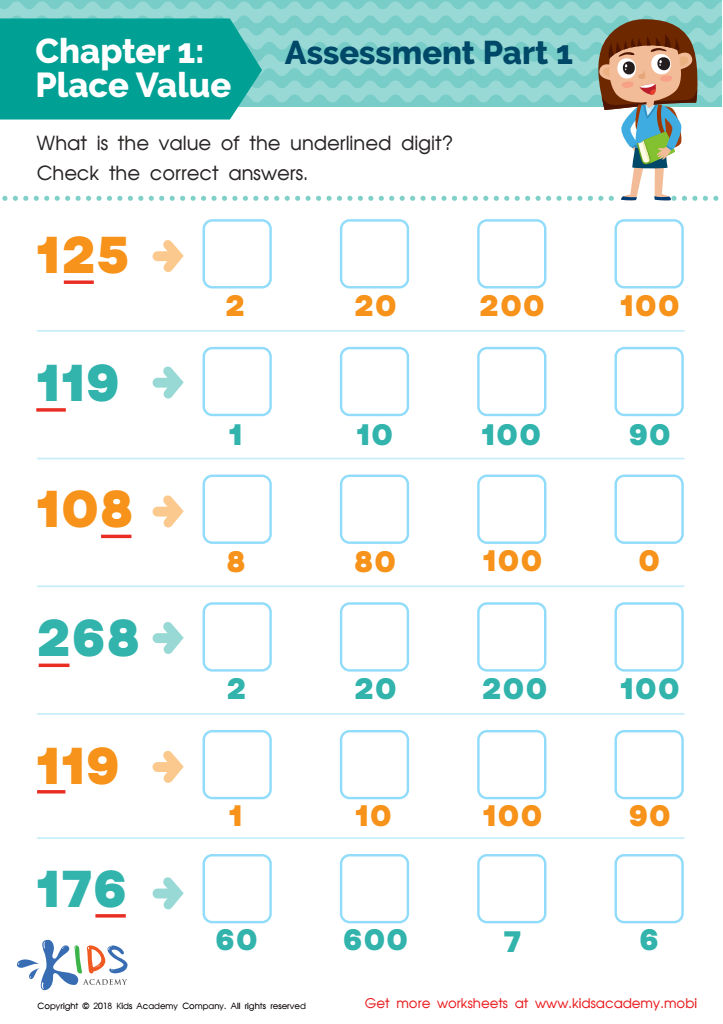
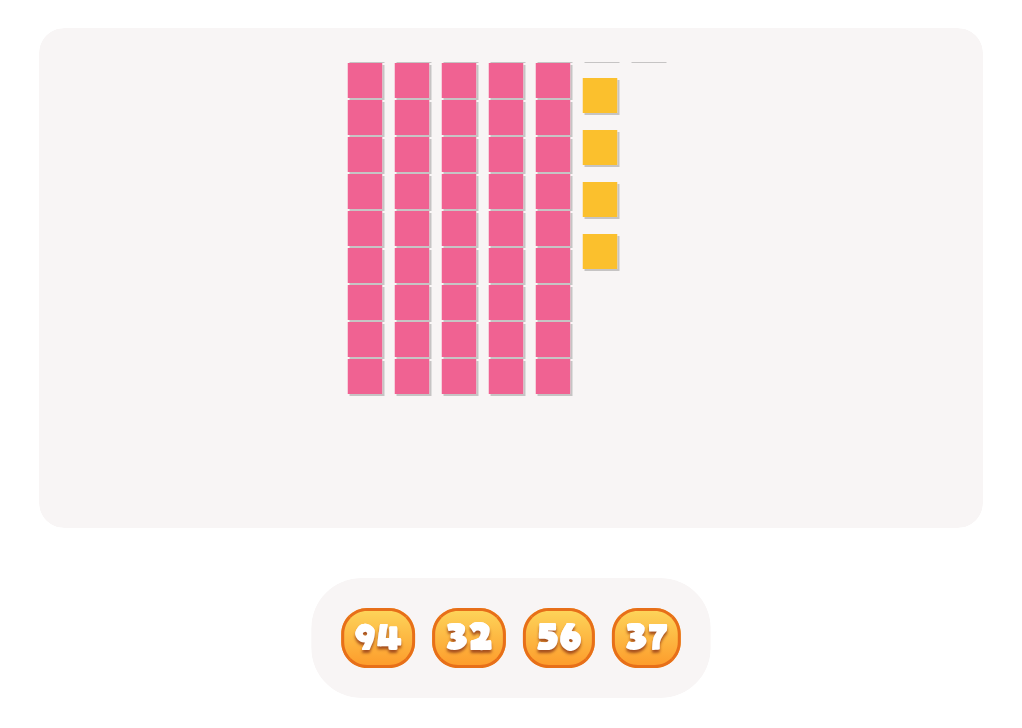
Place Value: Chapter 1 Worksheet
 Assign to My Students
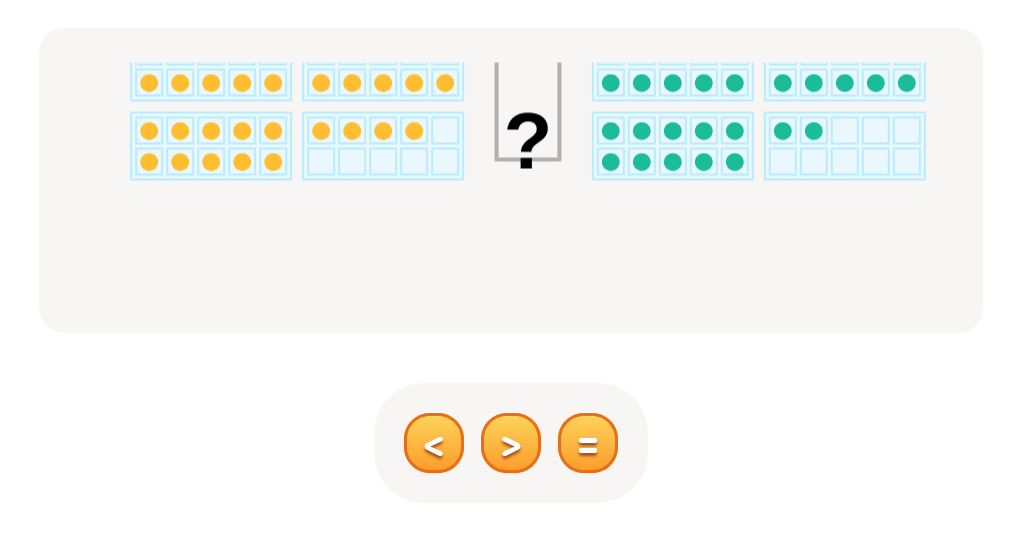

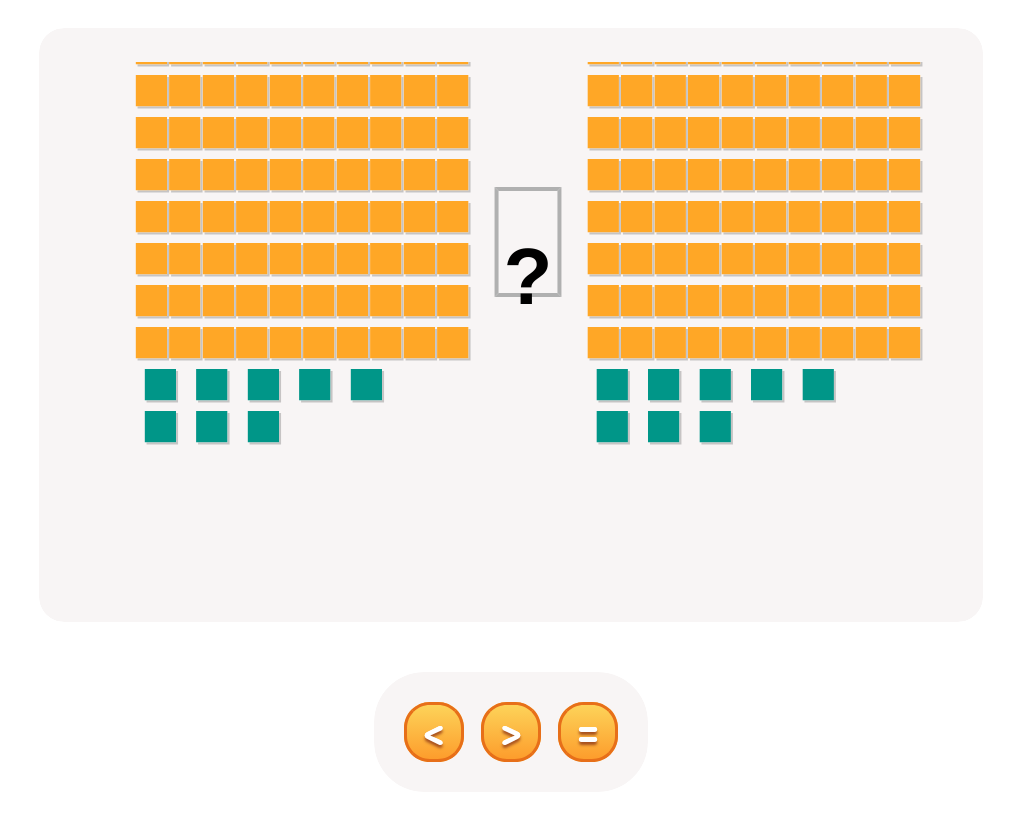
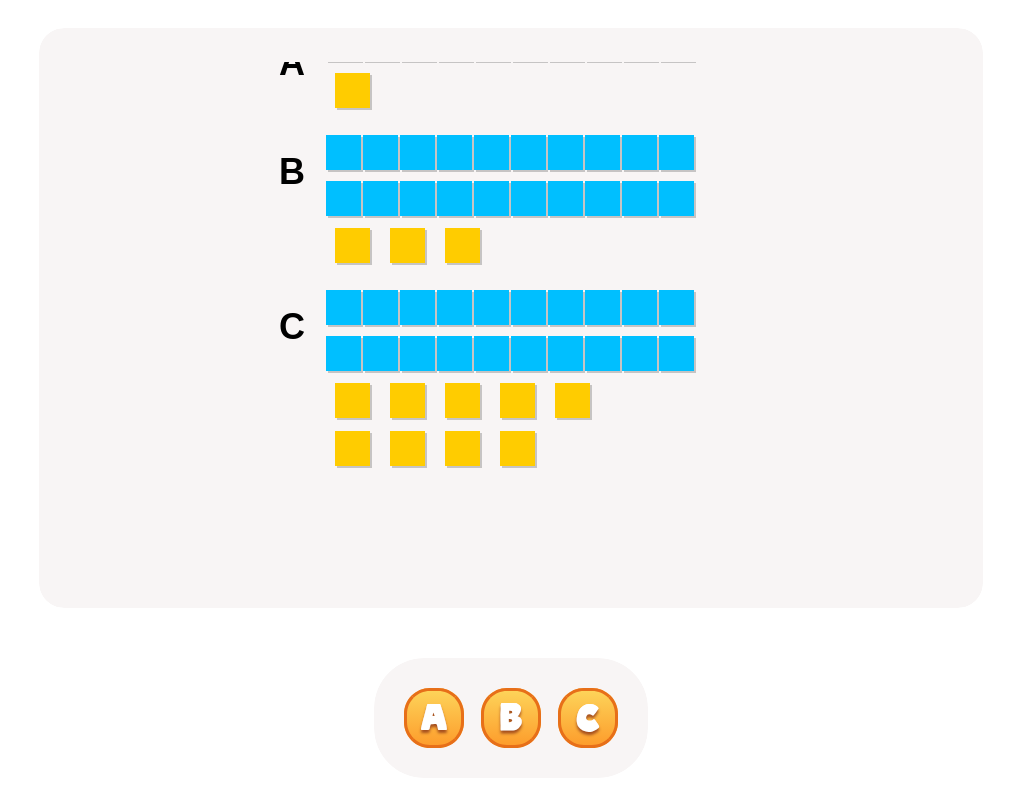
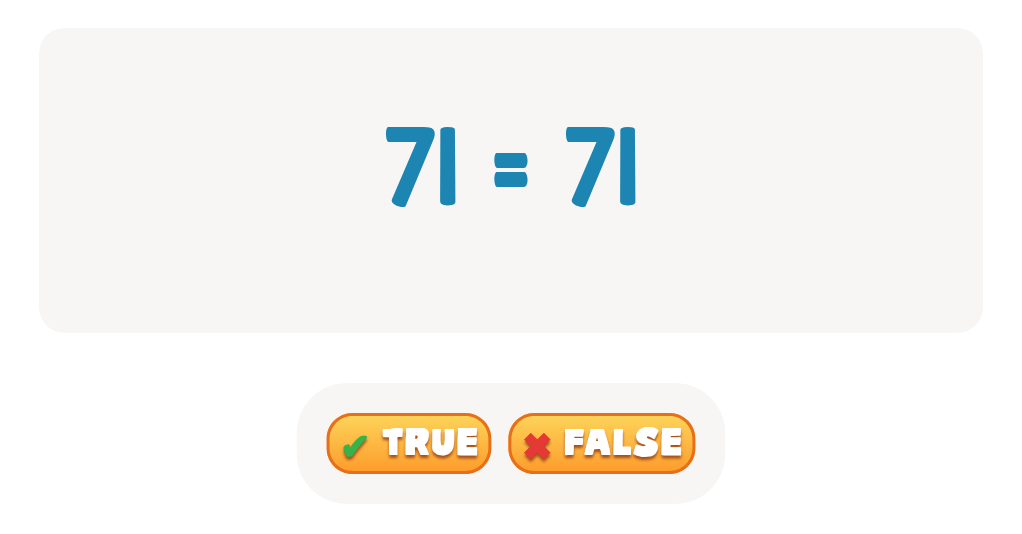
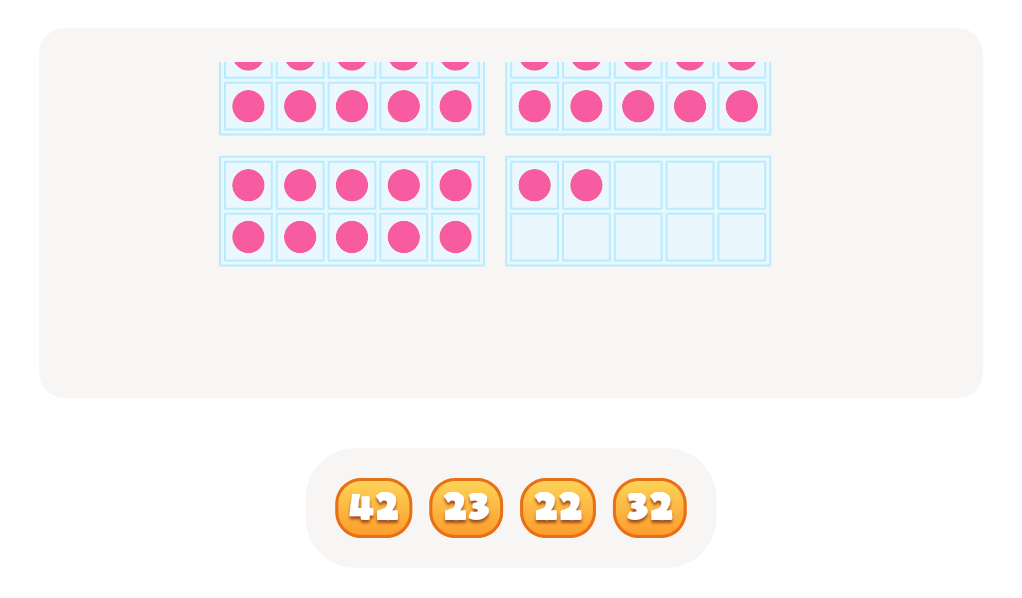
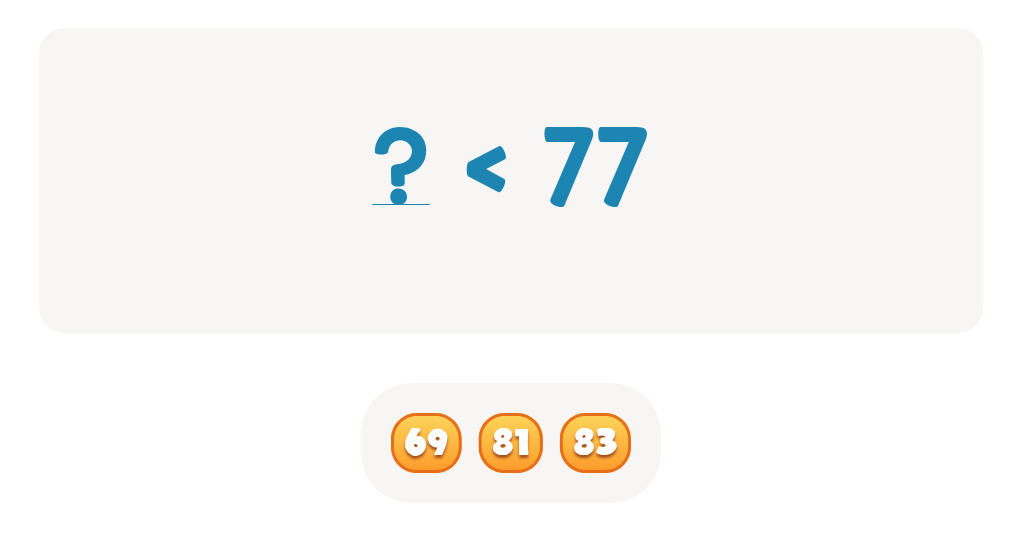
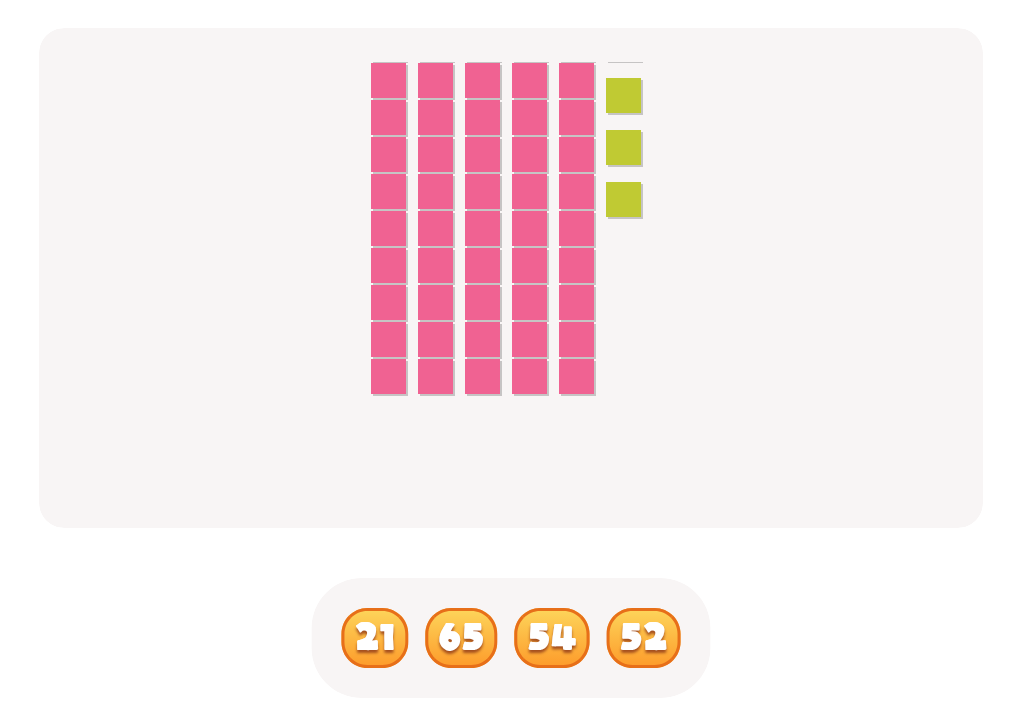
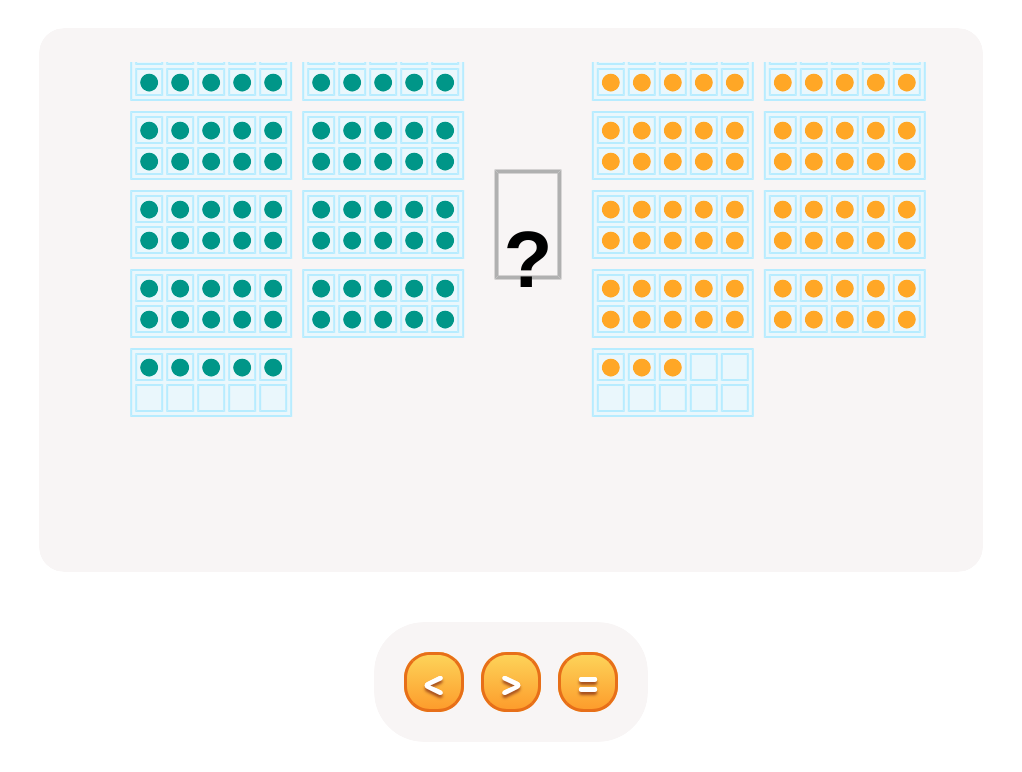
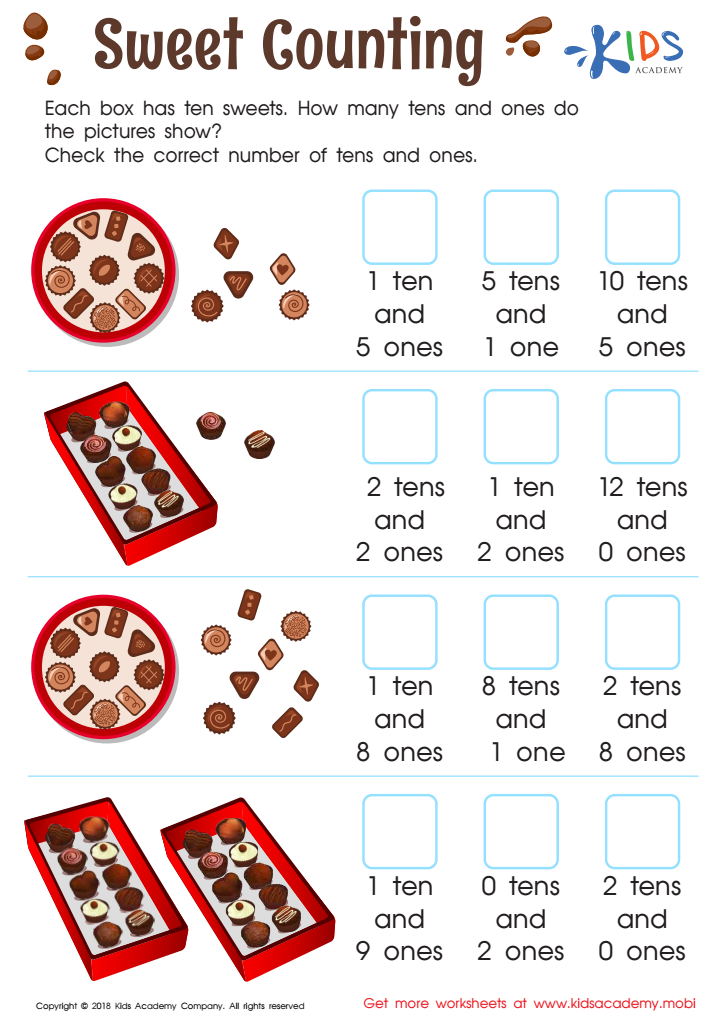
Sweet Counting - Part 2 Worksheet
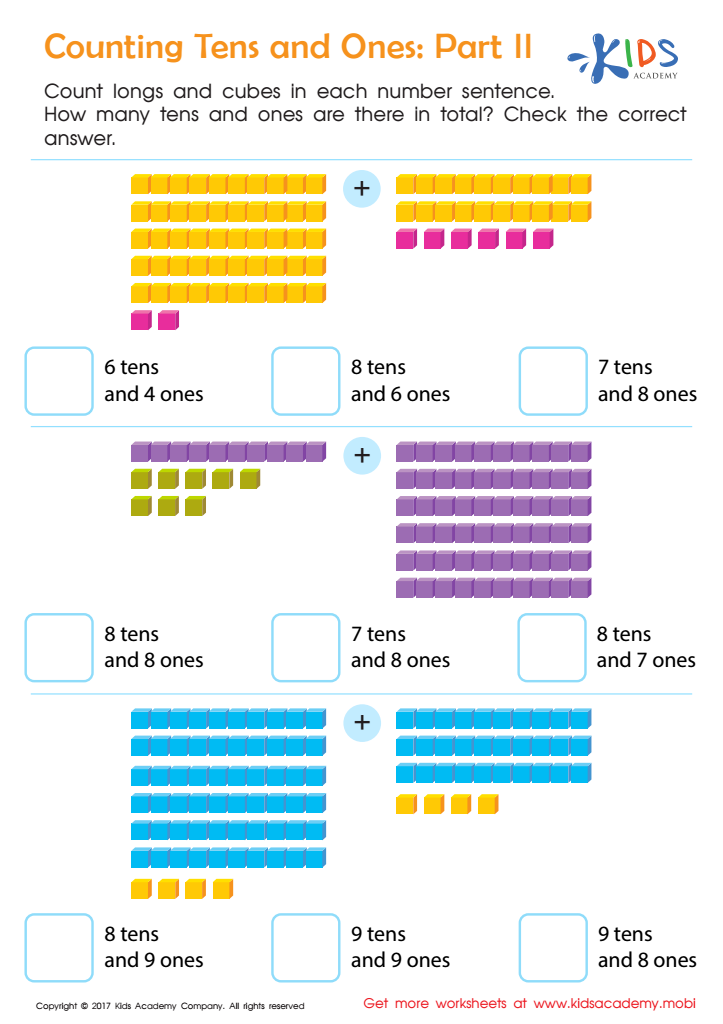
Counting Tens and Ones: Part 2 Worksheet








Understanding basic addition and place value is crucial for young children because these foundational math skills lay the groundwork for more complex mathematical concepts they will encounter in later years. During the ages of 4-8, children are in a pivotal developmental stage where their brains are particularly receptive to learning basic numerical concepts.
Place value helps children understand the value of a digit depending on its position within a number. For example, in the number 42, the '4' represents four tens, and the '2' represents two ones. This is fundamental for grasping the concept of the decimal system our entire number structure is built upon. Mastering these early on allows kids to perform addition more accurately and efficiently by breaking down numbers into tens and ones.
Additionally, proficiency in basic addition prepares children for problem-solving tasks and higher-level math learning. Skills such as critical thinking, logical reasoning, and even confidence in their academic abilities start developing with these early mathematical concepts. Parental or teacher involvement during this stage not only bolsters children's ability to grasp these basics but also encourages a positive attitude toward math, making future learning experiences more enjoyable and less daunting.
By focusing on these early skills, parents and teachers can ensure children build a robust mathematical foundation that will benefit them throughout their education and beyond.