Problem-Solving Skills Place Value Worksheets for Ages 4-8
5 filtered results
-
From - To
Discover our engaging Problem-Solving Skills Place Value Worksheets, designed specifically for children ages 4-8. These worksheets provide a fun and interactive way for young learners to master the foundational concepts of place value while enhancing their critical thinking abilities. Our carefully crafted activities encourage problem-solving through hands-on practice that reinforces math understanding. Perfect for classrooms or home learning, these resources engage kids with colorful illustrations and exciting challenges. Foster a love for learning and help your child build essential math skills with our comprehensive collection of worksheets tailored to their developmental needs. Start their math adventure today!
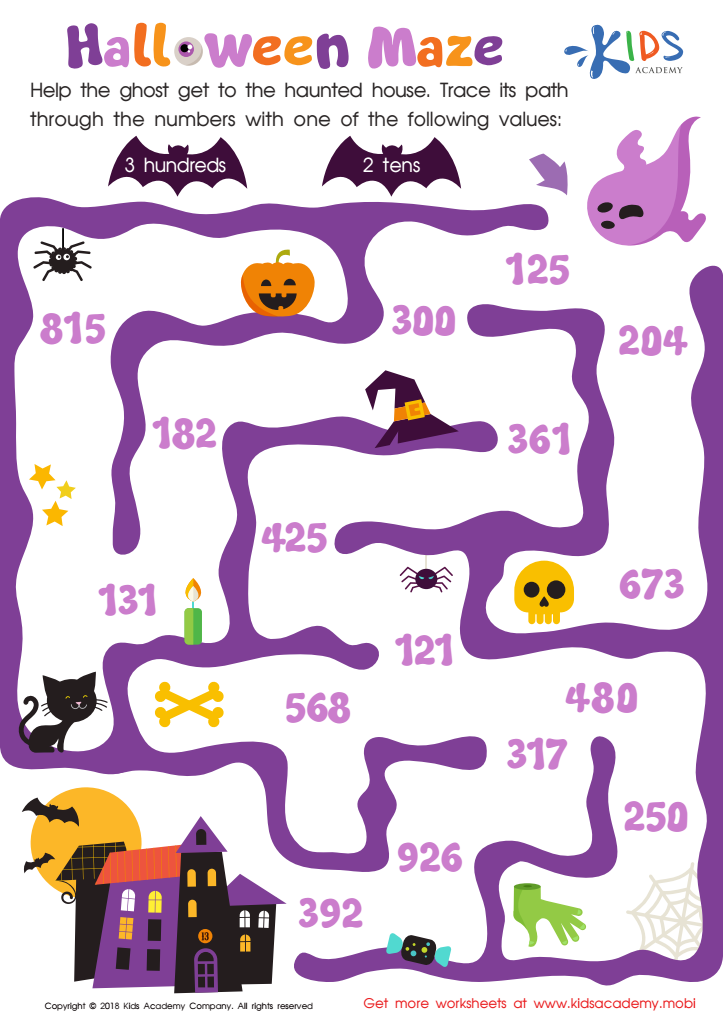
Place Value: Halloween Maze Worksheet
 Assign to My Students
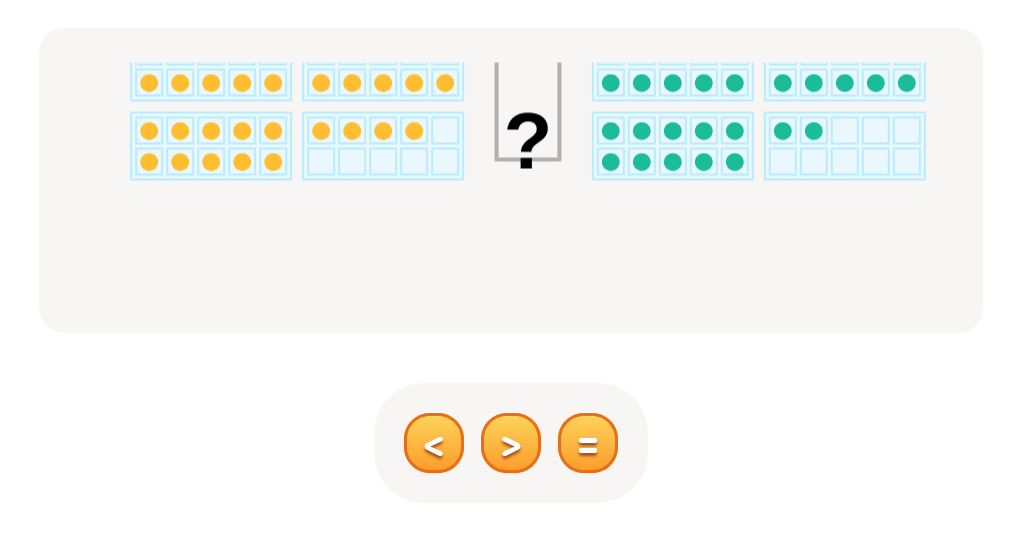


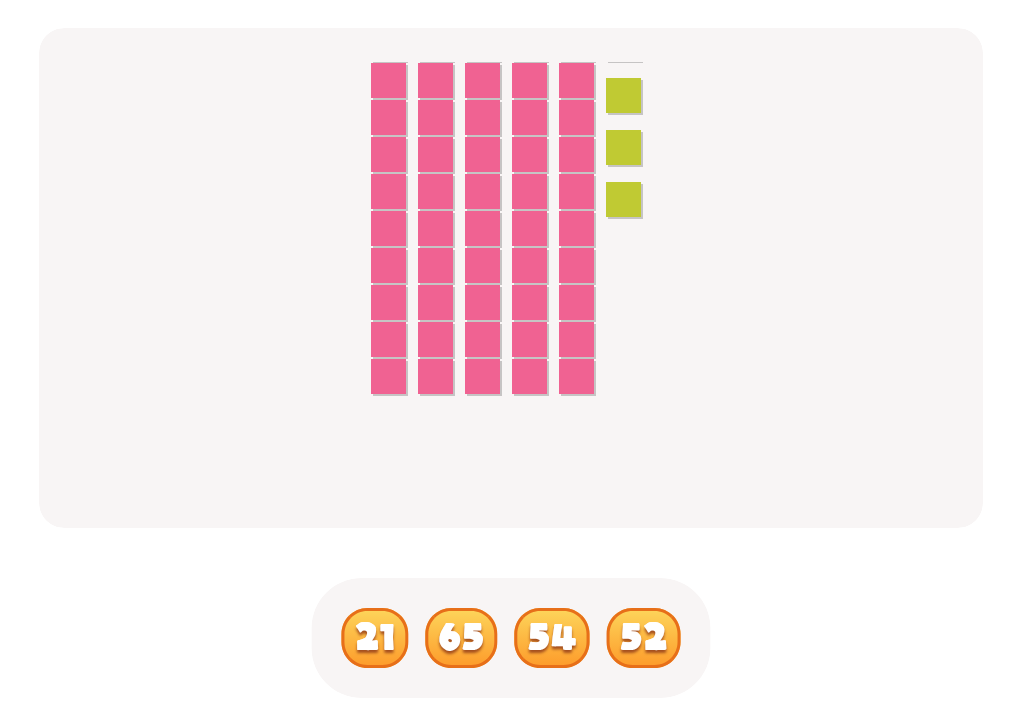
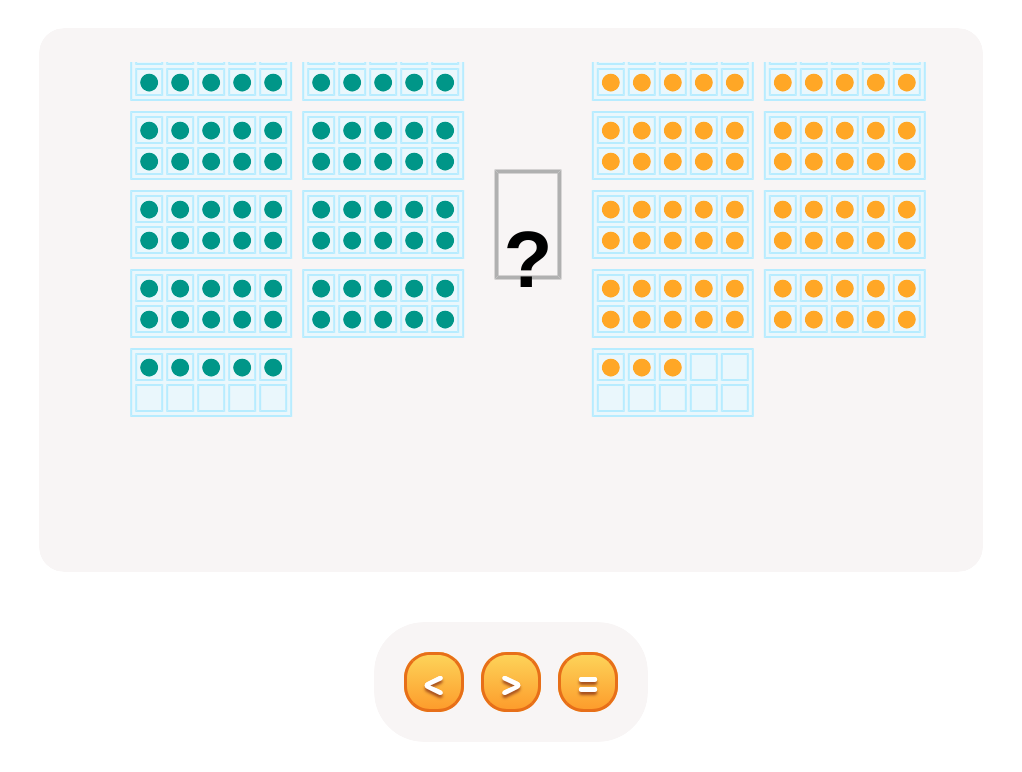
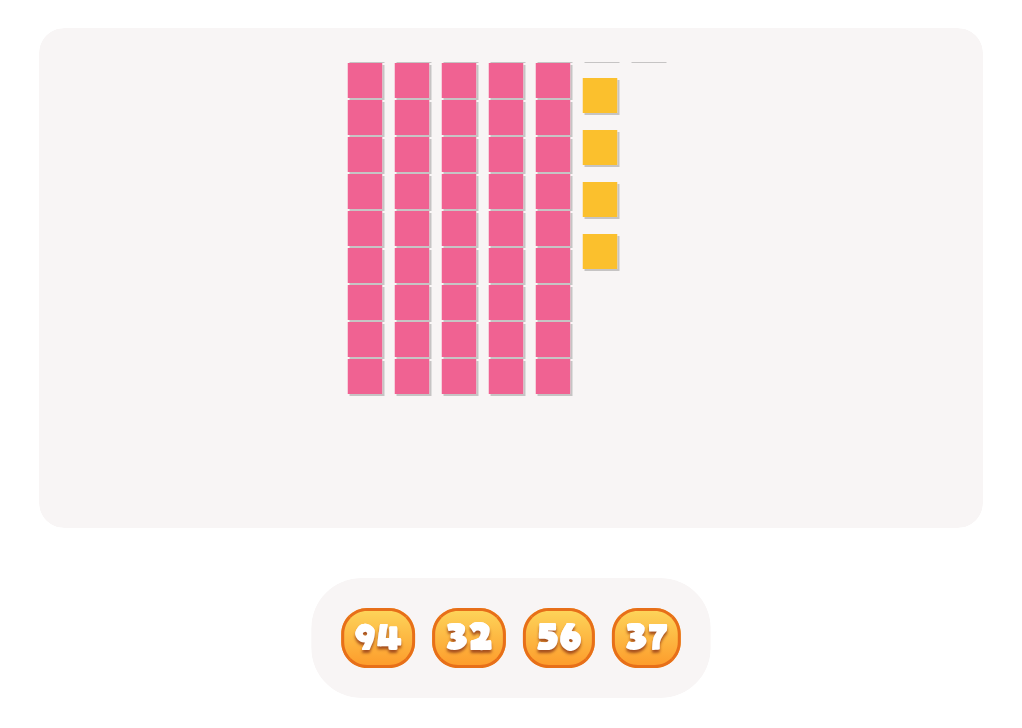
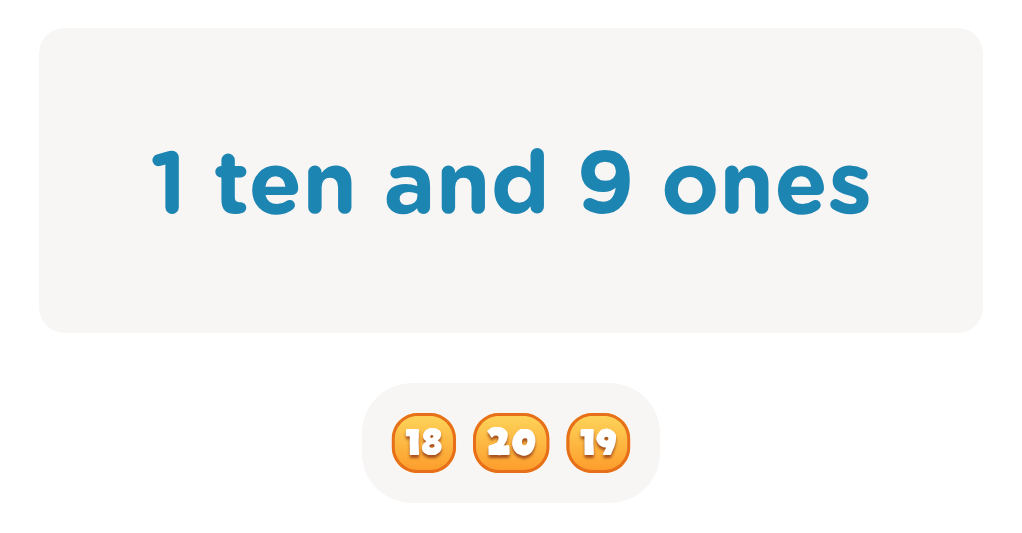
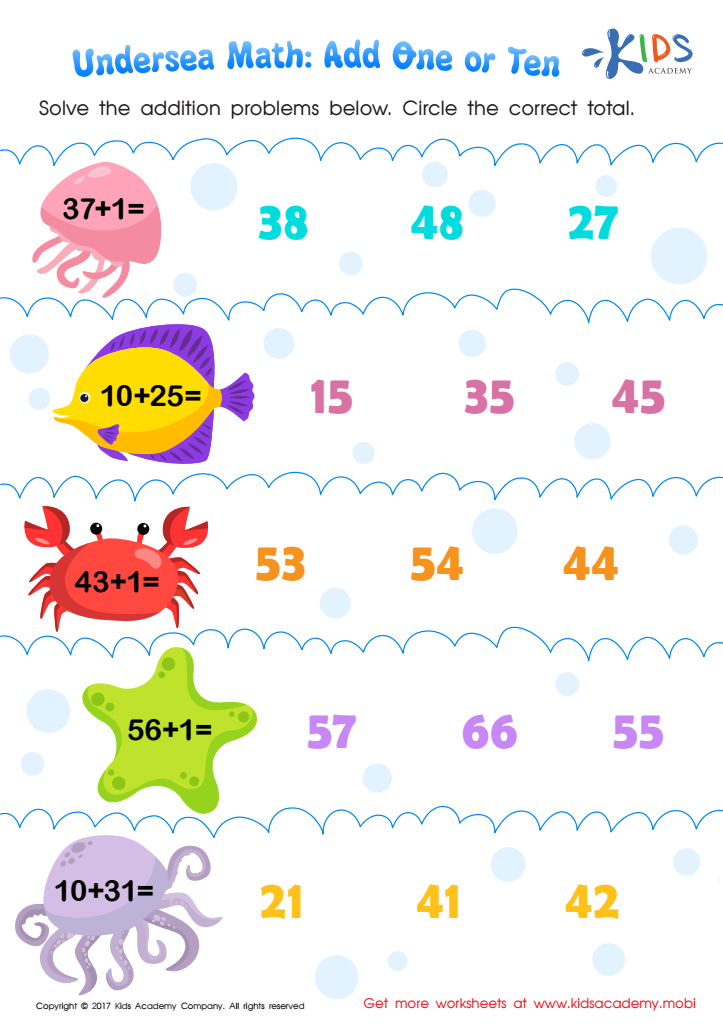
Undersea Math Worksheet
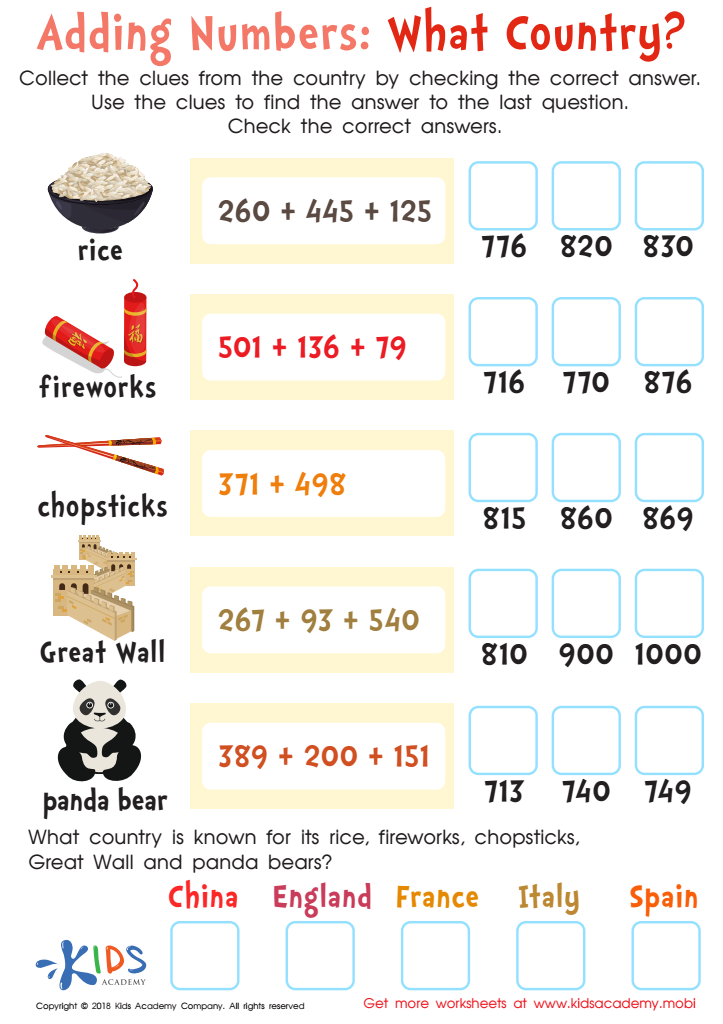
Adding Numbers: What Country Worksheet
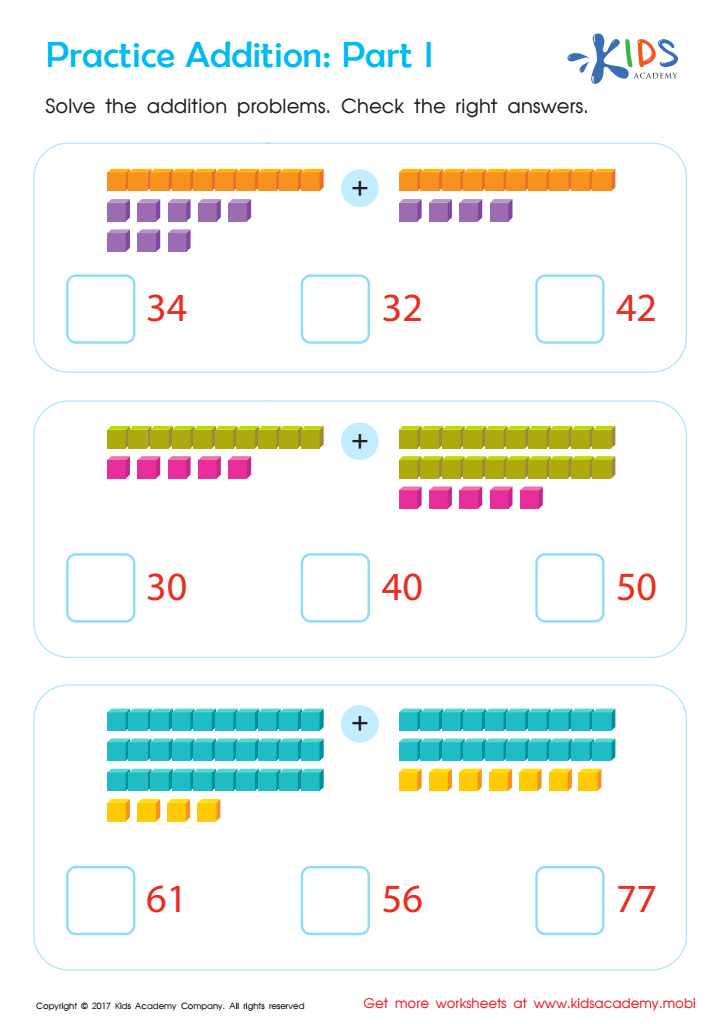
Practice Addition: Part 1 Worksheet
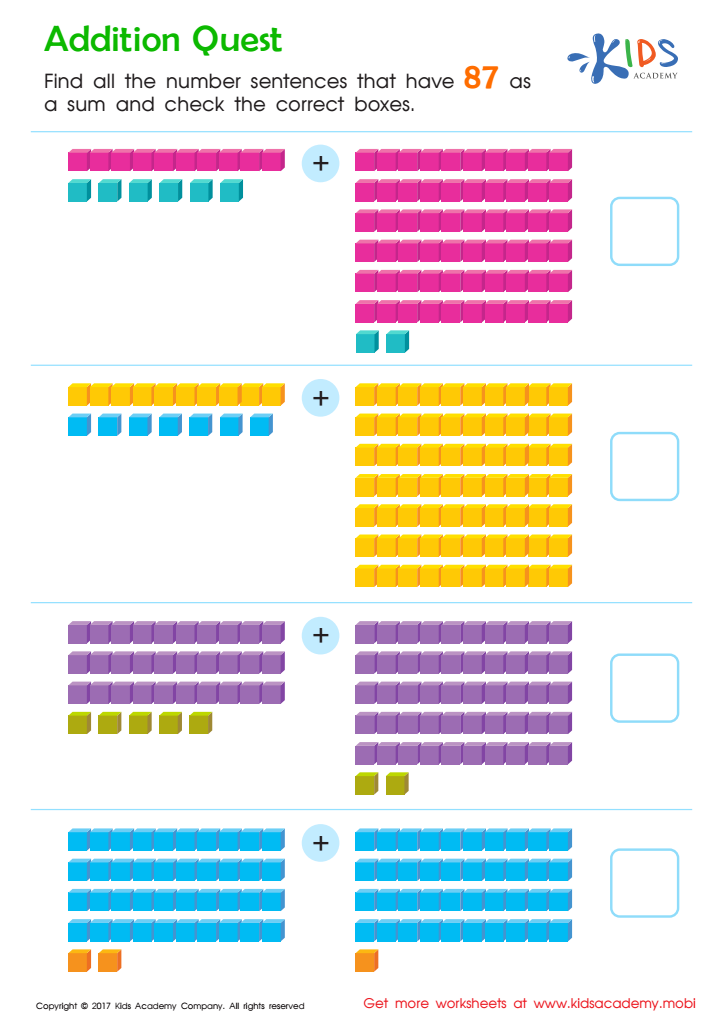
Addition Quest Worksheet: Part 1






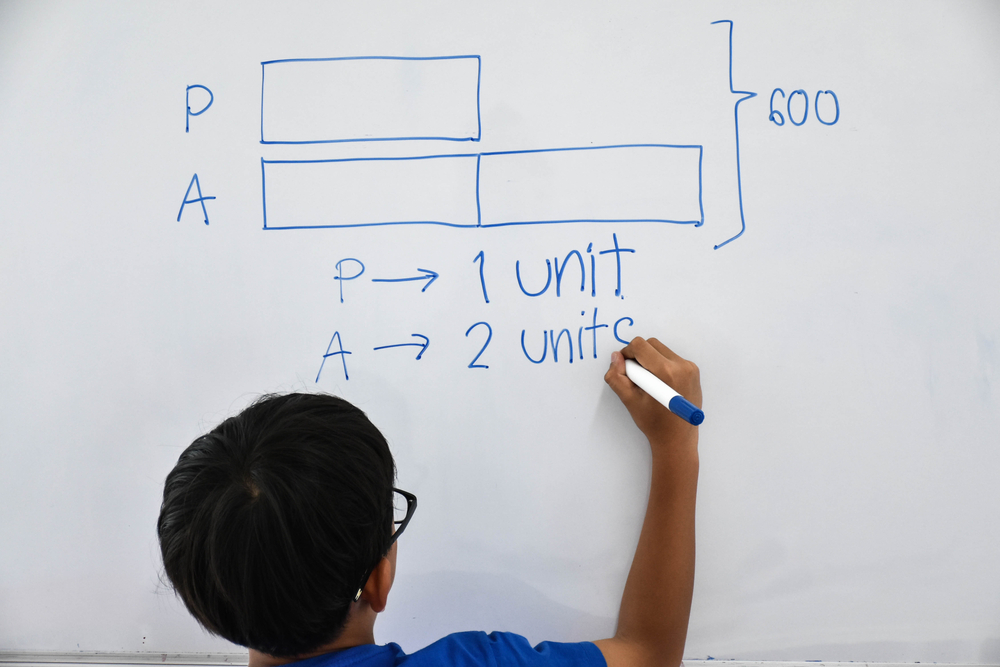

Parents and teachers should prioritize problem-solving skills and place value education for children aged 4-8 because these concepts lay the foundation for future mathematical understanding and critical thinking.
At this age, children are naturally curious and eager to explore, making it the ideal time to introduce problem-solving strategies. Engaging in activities that involve place value helps children comprehend how numbers work, which is essential for all future math learning. Understanding place value aids in developing an intuitive grasp of numbers—understanding that, for example, in the number 23, the '2' represents twenty, while the '3' represents three units. This comprehension is vital for operations such as addition, subtraction, and eventually more complex math concepts.
Furthermore, cultivating problem-solving skills fosters resilience and perseverance. When children encounter challenges, encouraging them to find solutions promotes a growth mindset. This helps develop not only their numerical abilities but also their critical thinking and reasoning skills.
Finally, strong problem-solving and mathematical skills boost confidence in young learners, promoting a positive attitude toward learning. By investing in these foundational skills, parents and teachers enable children to navigate not only future academic challenges but also everyday situations requiring logical reasoning.