Analytical thinking Building Vocabulary Worksheets for Ages 4-8
4 filtered results
-
From - To
Unlock the power of analytical thinking for young learners with our engaging "Building Vocabulary Worksheets" designed for ages 4-8! These worksheets focus on enhancing critical thinking by encouraging children to analyze, compare, and interpret different words and their meanings. With fun activities tailored to boost vocabulary development, kids will explore language in a playful and interactive way. Ideal for enriching classroom and home learning, our resources promote cognitive skills essential for reading comprehension. Help your child become a confident communicator and thinker while enjoying the journey of discovering new words. Get started today with our captivating worksheets for early literacy growth!
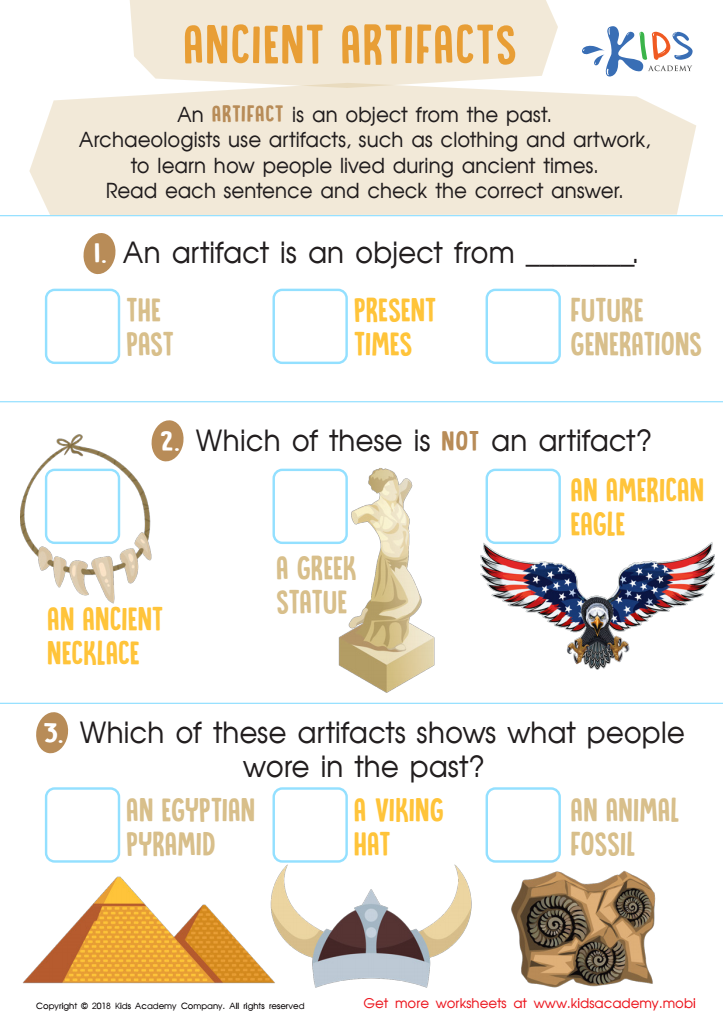
Ancient Artifacts Worksheet
 Assign to My Students











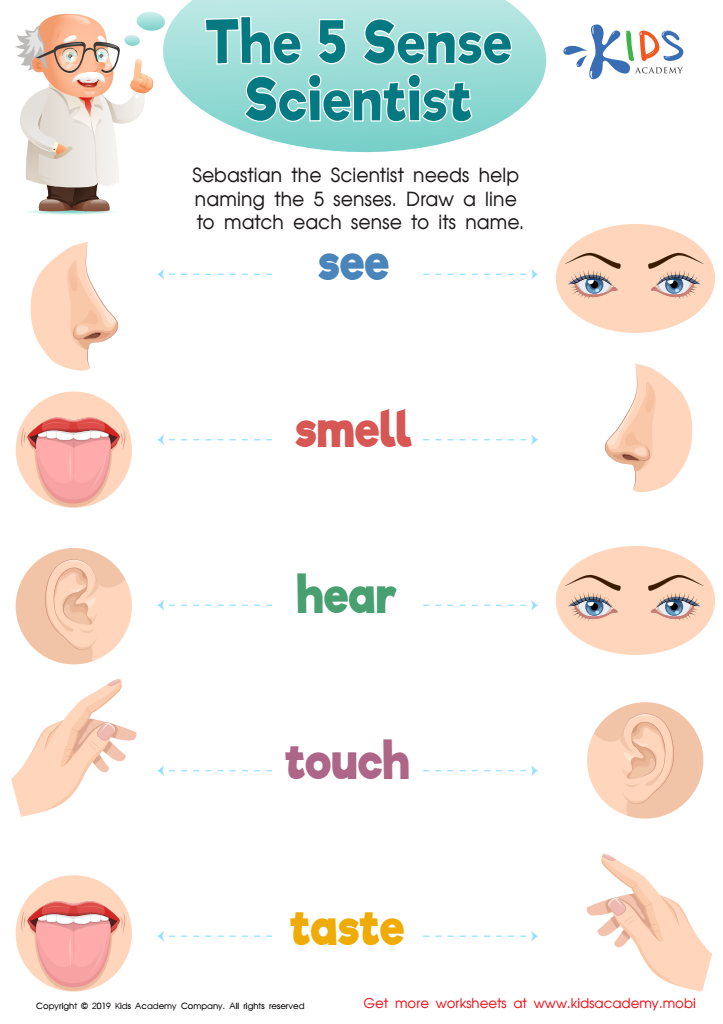
The 5 Sense Scientist Worksheet
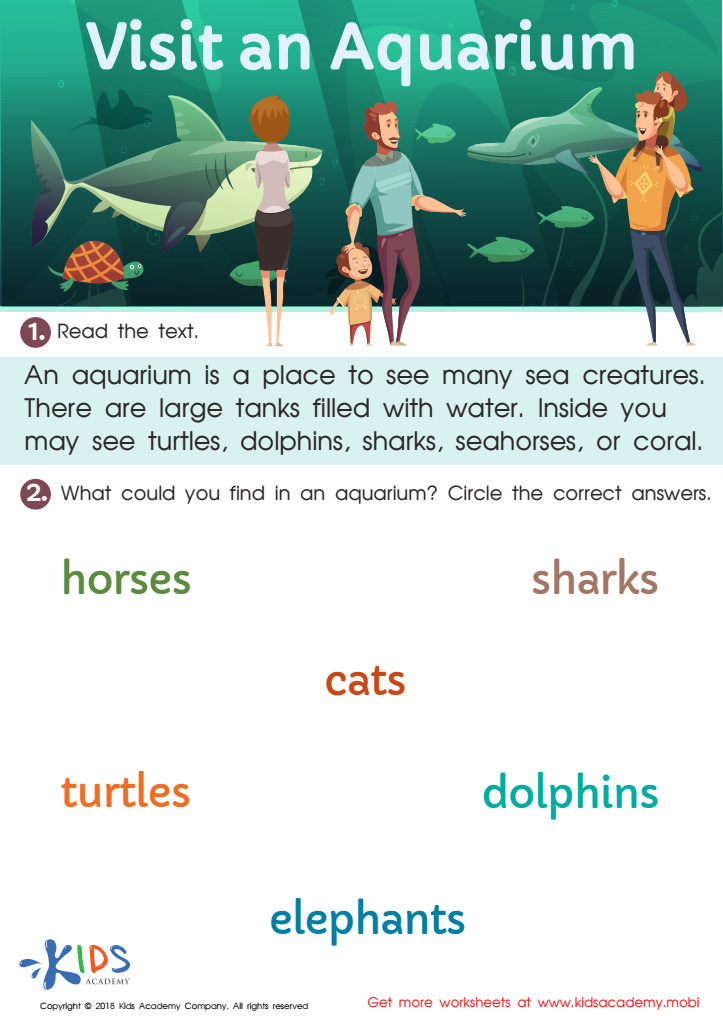
Visit an Aquarium Worksheet
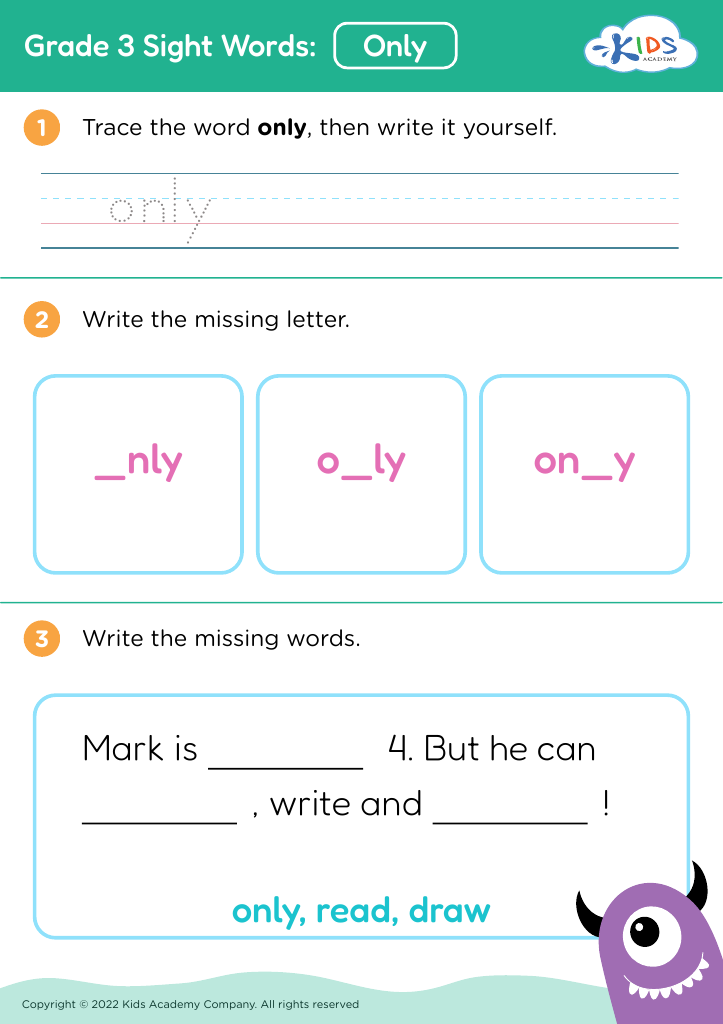







Analytical thinking and vocabulary building are crucial components of early childhood education that significantly impact a child's development. From ages 4 to 8, children's brains are remarkably receptive to learning, making it an ideal time to foster analytical skills and vocabulary growth.
Analytical thinking encourages children to assess, interpret, and solve problems, laying the groundwork for critical reasoning and decision-making abilities. This skill not only enhances their understanding of the world but also equips them for academic success in later years. When children analyze information, they learn to consider multiple perspectives, improving their ability to engage in constructive discussions and navigate complex situations.
Building vocabulary is equally important, as a rich vocabulary enhances reading comprehension, writing skills, and expression. Children who possess a broad range of words are better able to articulate their thoughts, emotions, and needs. This capability boosts their confidence in communication, fostering social interactions and collaborative play.
When parents and teachers prioritize these skills, they cultivate a holistic learning environment. Engaging activities that promote analytical thinking and vocabulary development make learning enjoyable, creating a strong foundation for lifelong learning. By investing in these areas, caregivers can empower children to thrive academically and socially, ultimately shaping well-rounded individuals.








