Basic arithmetic skills Building Vocabulary Worksheets for Ages 4-8
3 filtered results
-
From - To
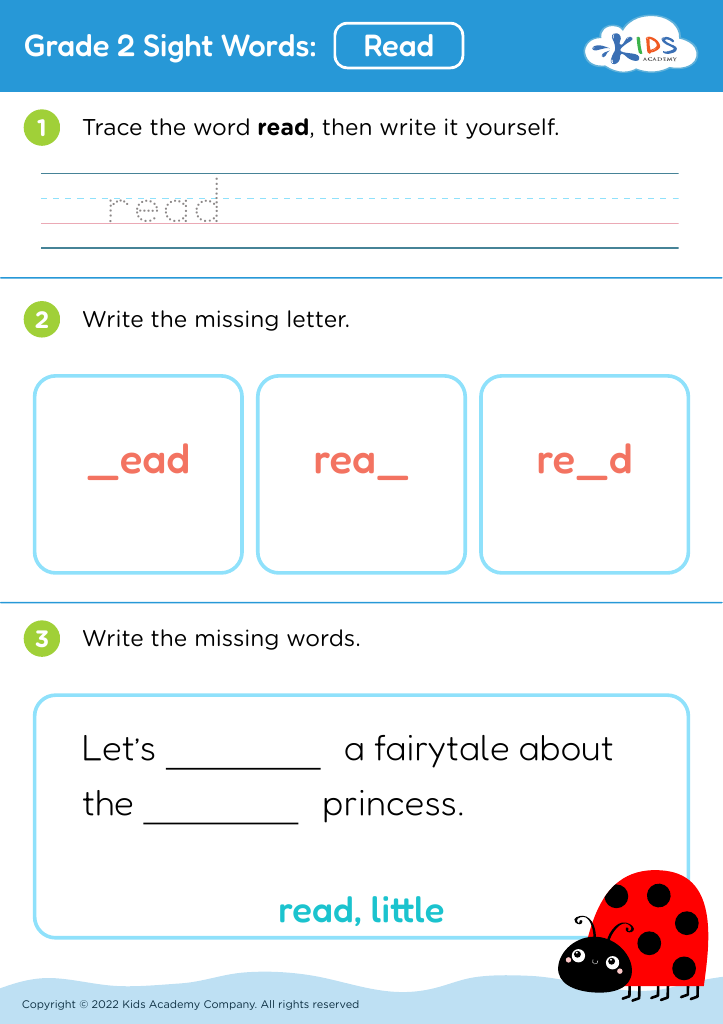
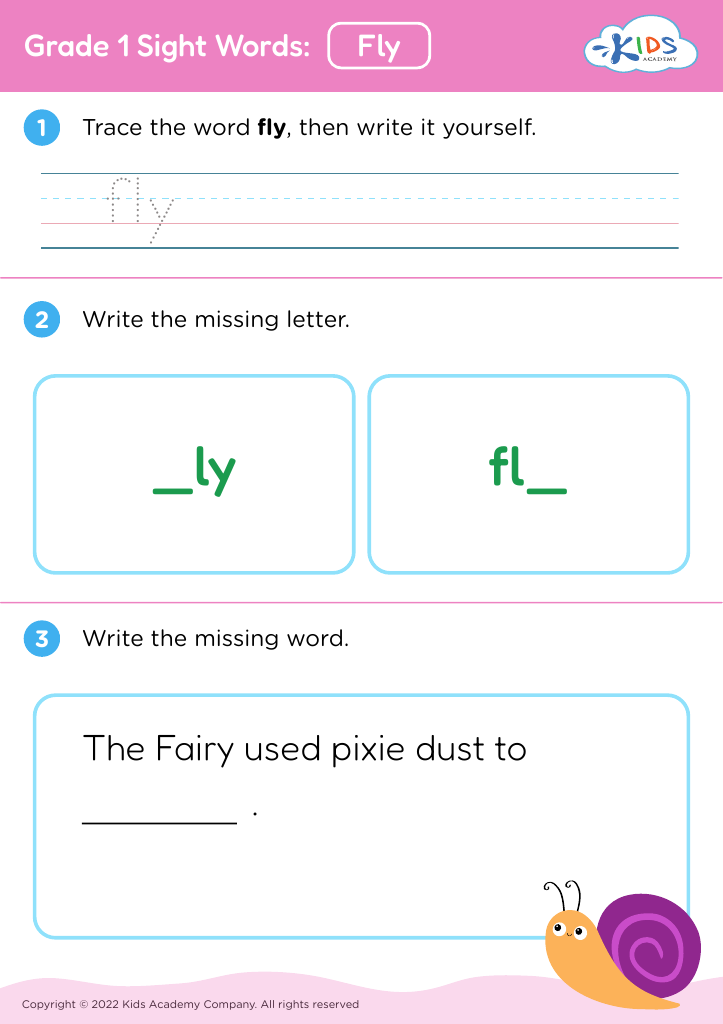
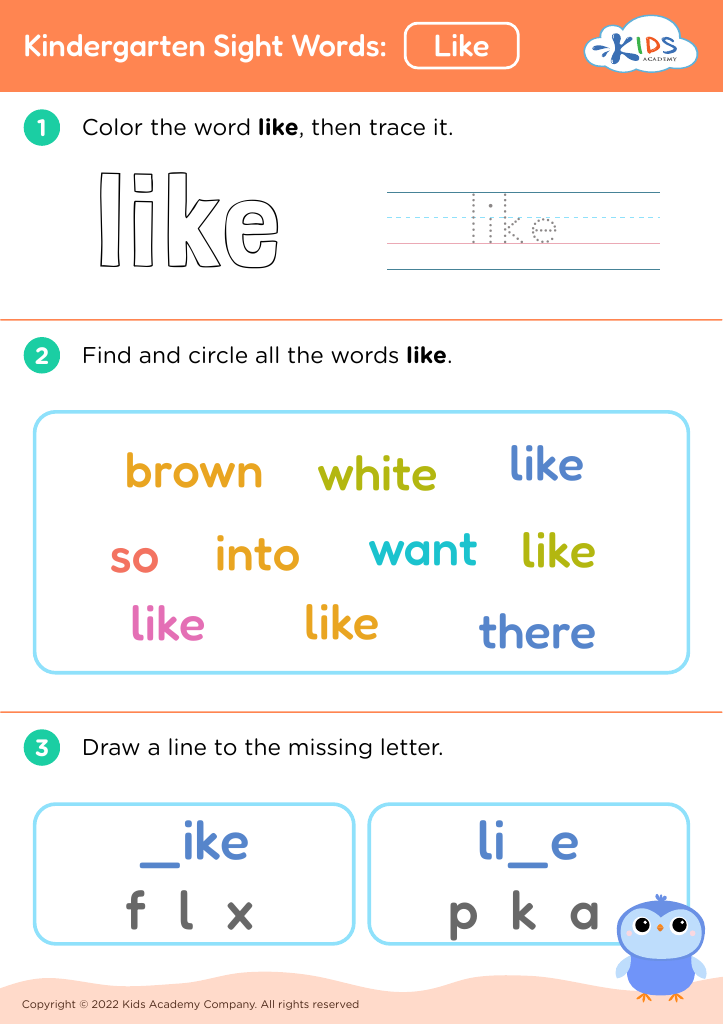
Enhance your child's mathematical foundation with our "Basic Arithmetic Skills Building Vocabulary Worksheets" designed for ages 4-8. These engaging worksheets combine fun activities with vital learning, helping young learners master essential arithmetic concepts like addition and subtraction while expanding their vocabulary. By integrating math and language skills, children will not only develop a strong numerical understanding but also improve their ability to communicate mathematically. Each worksheet is age-appropriate and encourages critical thinking, creativity, and problem-solving skills. Perfect for home or classroom use, these resources lay the groundwork for future academic success in math and beyond. Start building your child's confidence today!















.jpg)



Basic arithmetic skills and vocabulary building are foundational for children ages 4-8, laying the groundwork for future academic success. Firstly, arithmetic skills foster critical thinking and problem-solving abilities. At this developmental stage, children learn to recognize numbers, understand basic operations like addition and subtraction, and develop a sense of quantity, which is essential for daily life.
Furthermore, building vocabulary during these formative years enhances communication abilities. A rich vocabulary allows children to articulate their thoughts clearly, understand concepts better, and engage effectively in conversations. When integrated with arithmetic, vocabulary also helps children to comprehend mathematical language, making math more accessible and less intimidating.
Parents and teachers play a vital role in nurturing these skills. By creating engaging activities incorporating basic math concepts and rich language, they can make learning enjoyable and effective. Interactive games, storytelling, and hands-on exercises can reinforce these skills while also encouraging cooperation, turn-taking, and social interaction.
In essence, prioritizing basic arithmetic skills and vocabulary development during early childhood enriches a child’s educational journey, promotes lifelong learning, and equips them with essential tools for academic and personal success. Parents and teachers should remain advocates for these fundamental competencies.








