Basic Math Skills Building Vocabulary Worksheets for Ages 4-8
17 filtered results
-
From - To
Unlock the world of mathematics for young learners with our "Basic Math Skills Building Vocabulary Worksheets" designed specifically for ages 4-8. These engaging worksheets help children develop essential math vocabulary while reinforcing foundational concepts such as addition, subtraction, shapes, and counting. Each activity is thoughtfully crafted to make learning fun and interactive, encouraging kids to explore math in an enjoyable way. Ideal for both classroom settings and home practice, our worksheets ensure that children build confidence in their math skills all while expanding their vocabulary. Discover the joy of learning math with our comprehensive resources tailored to early learners!
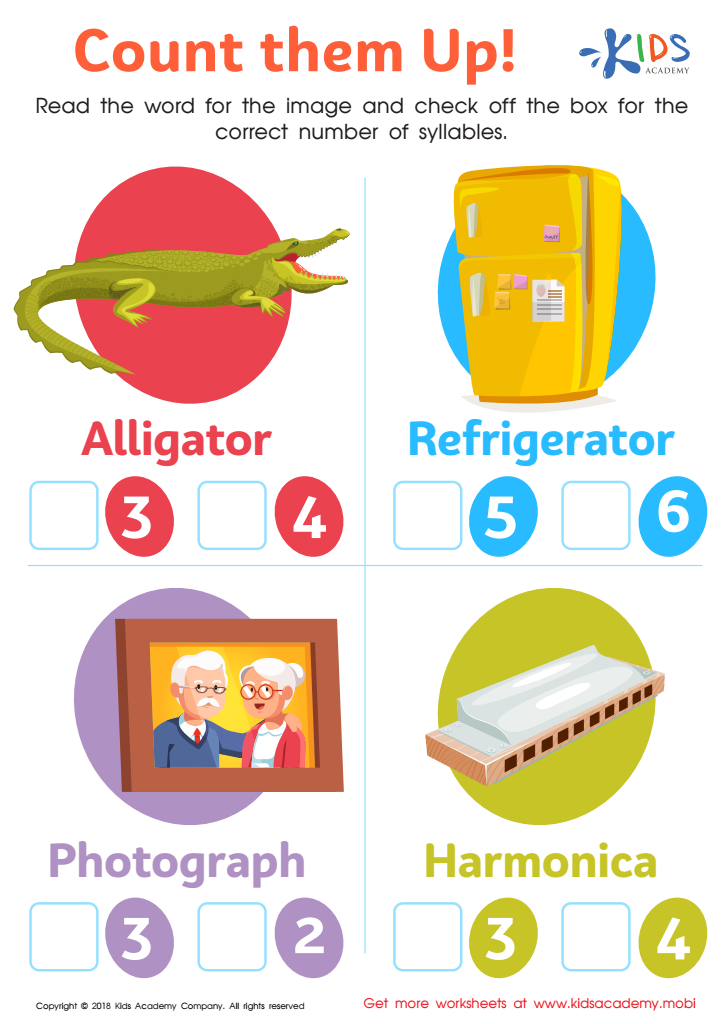
Count Them Up Worksheet
 Assign to My Students











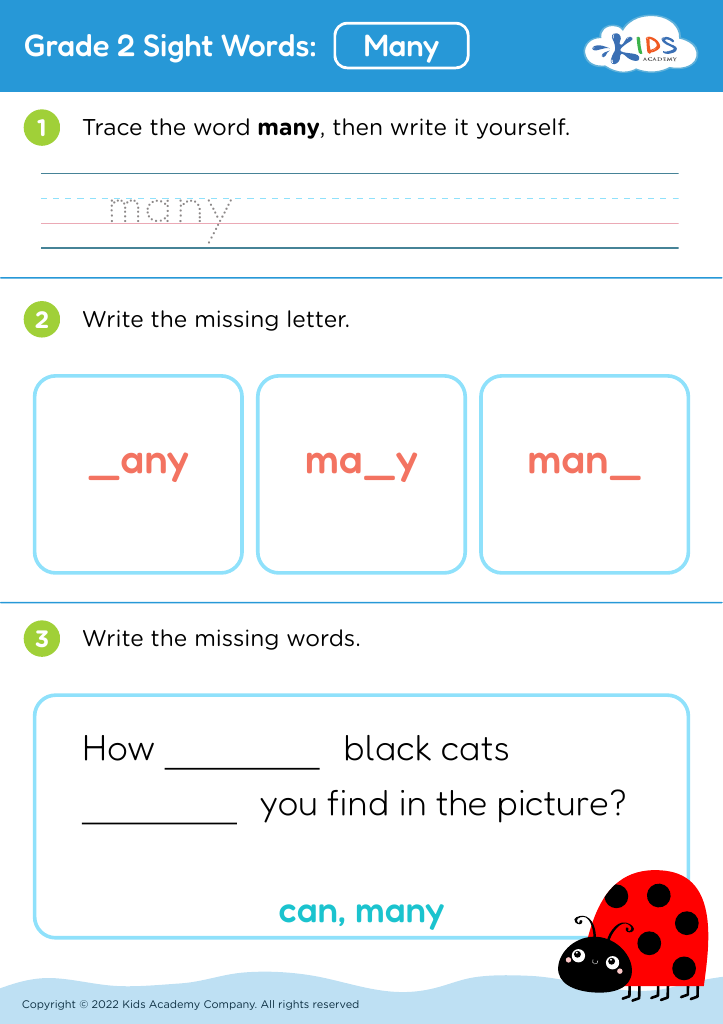
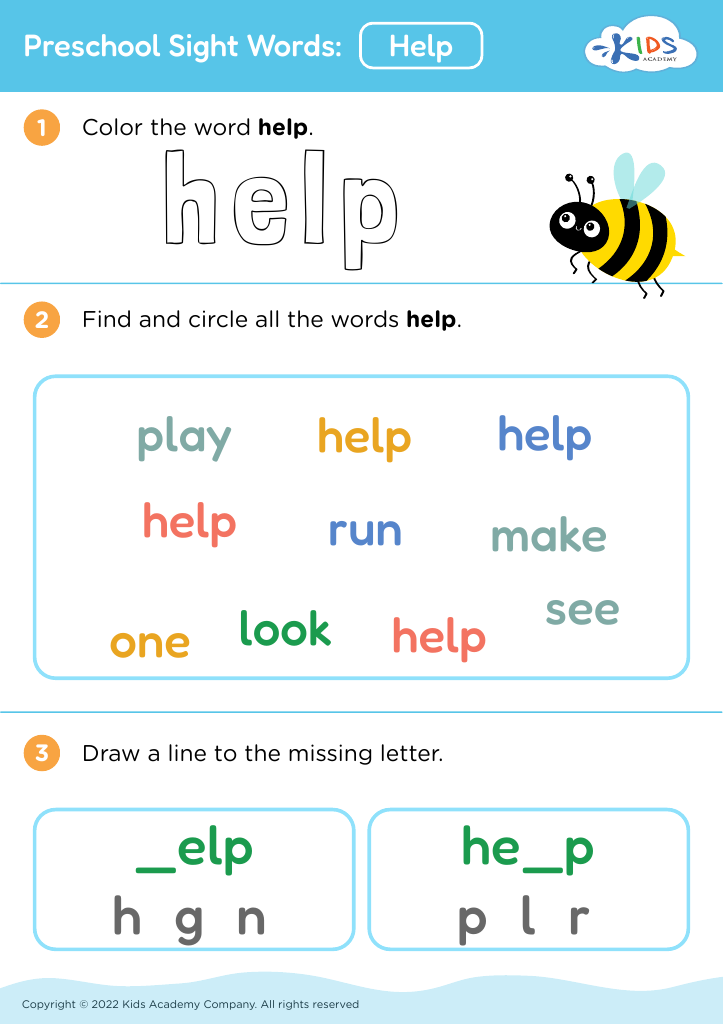
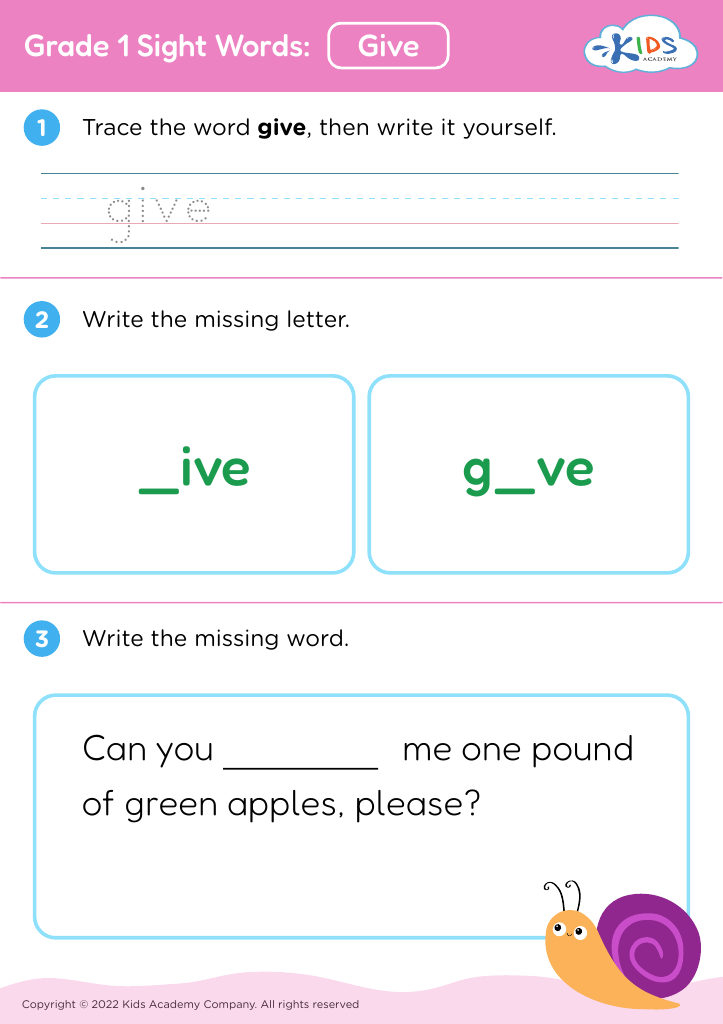
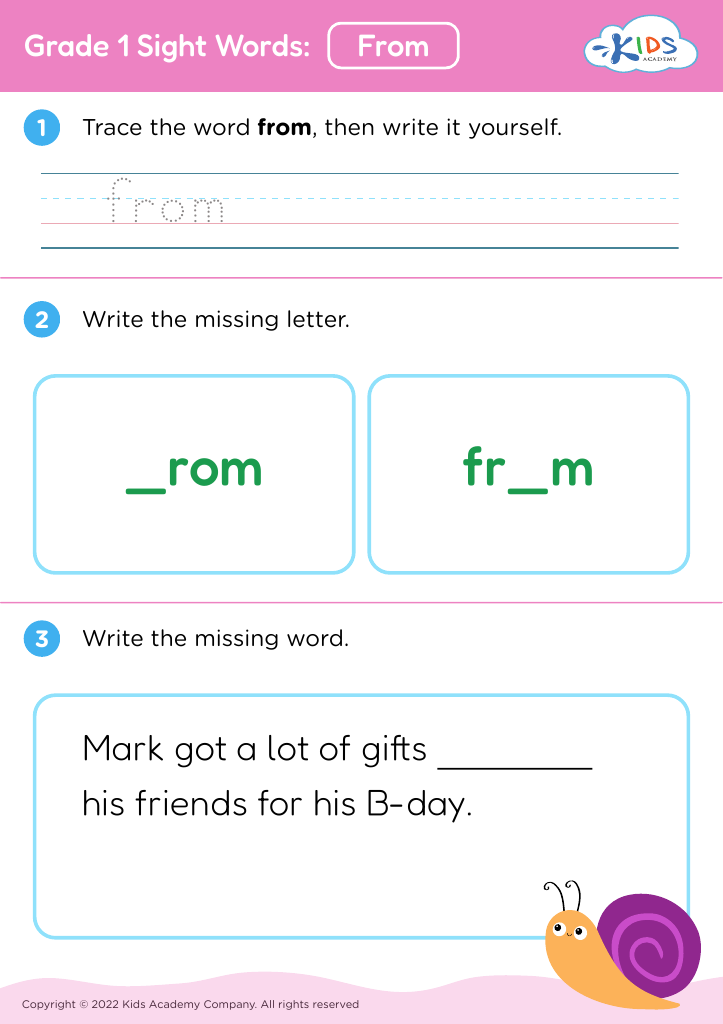
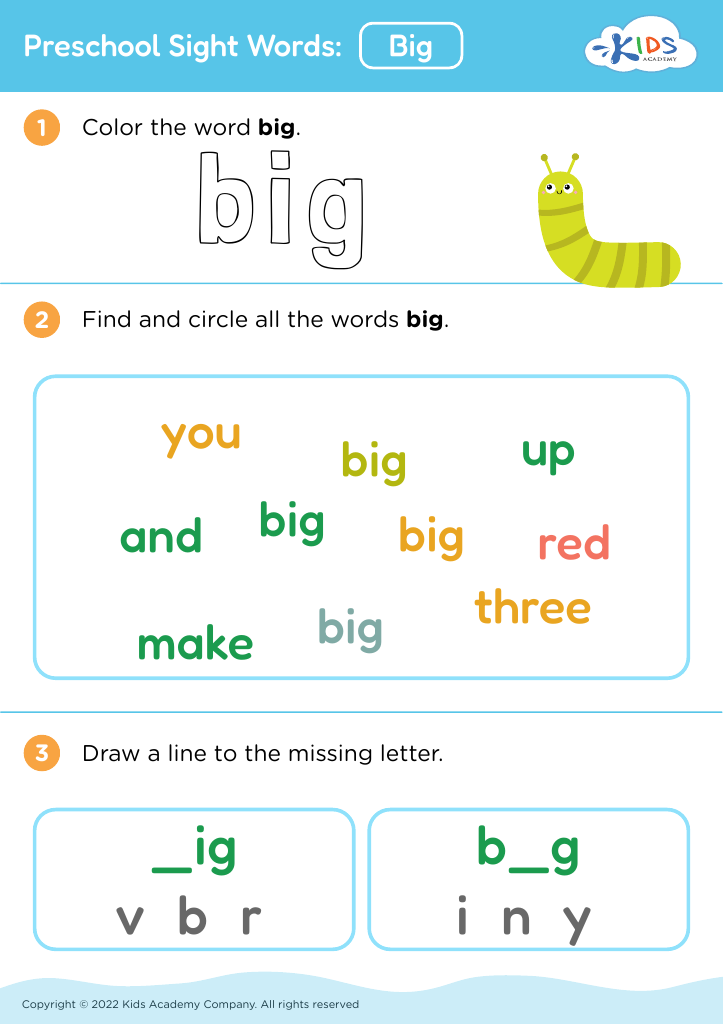
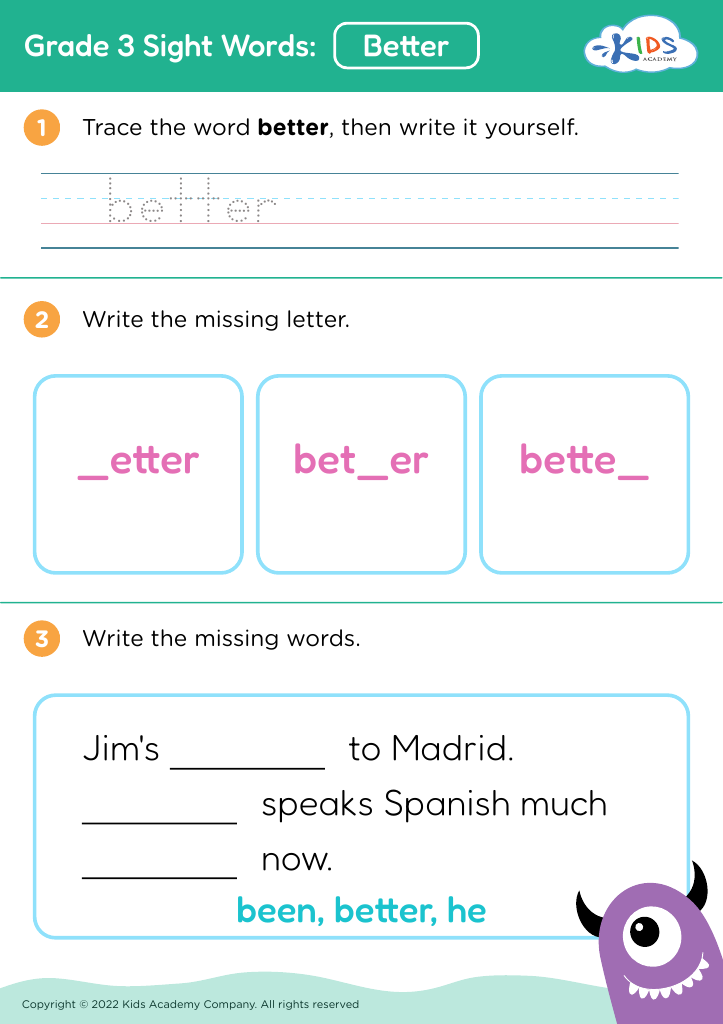
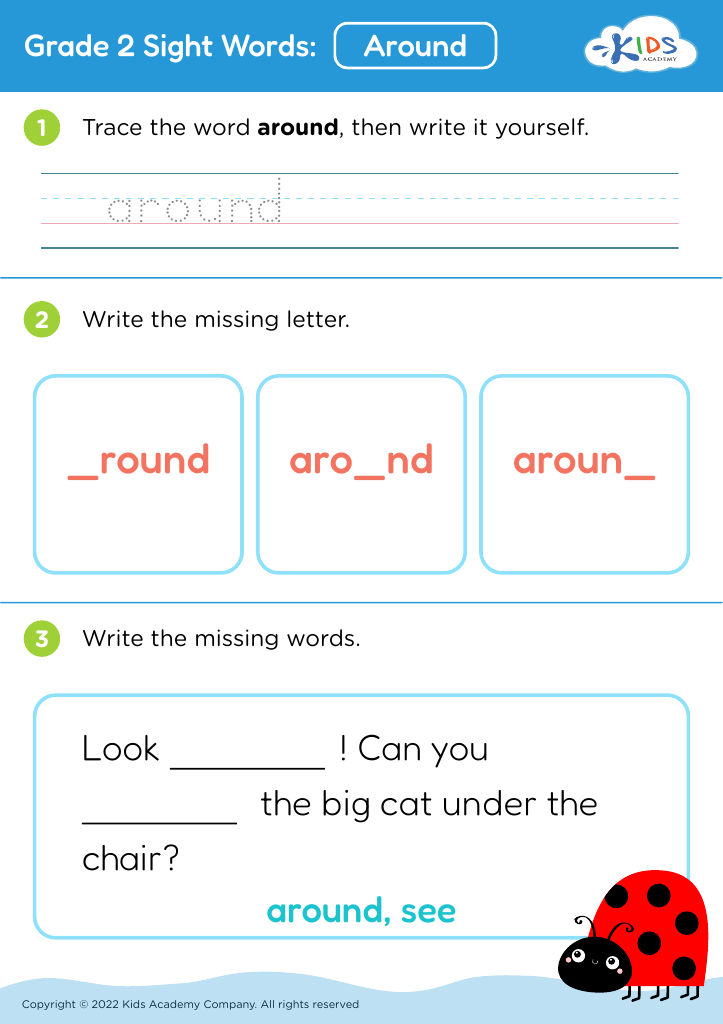
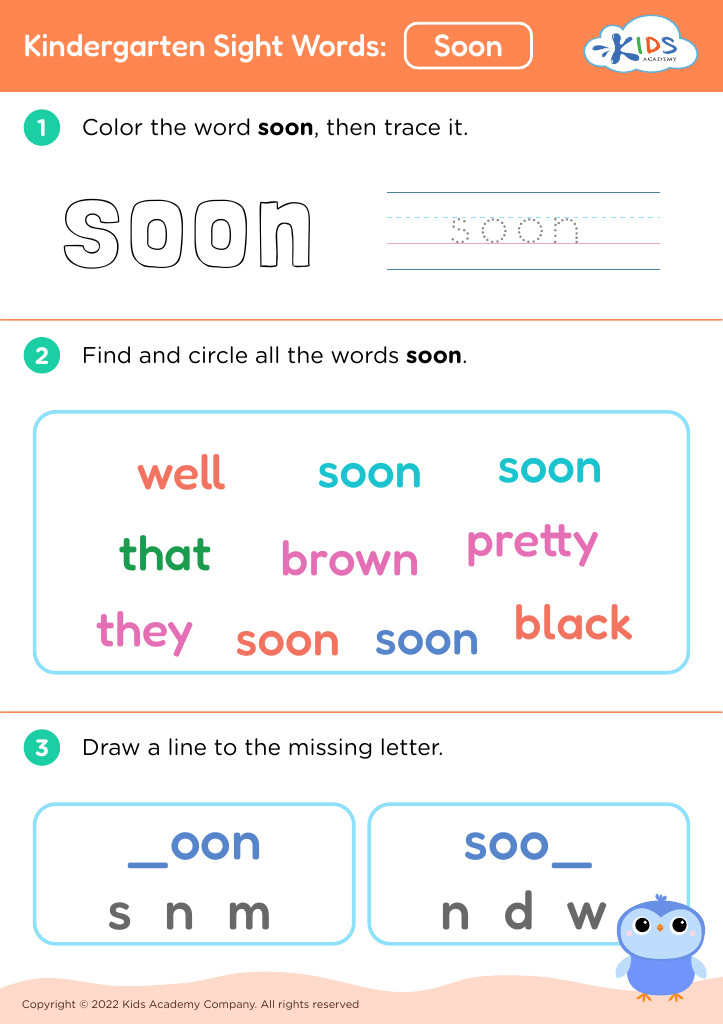
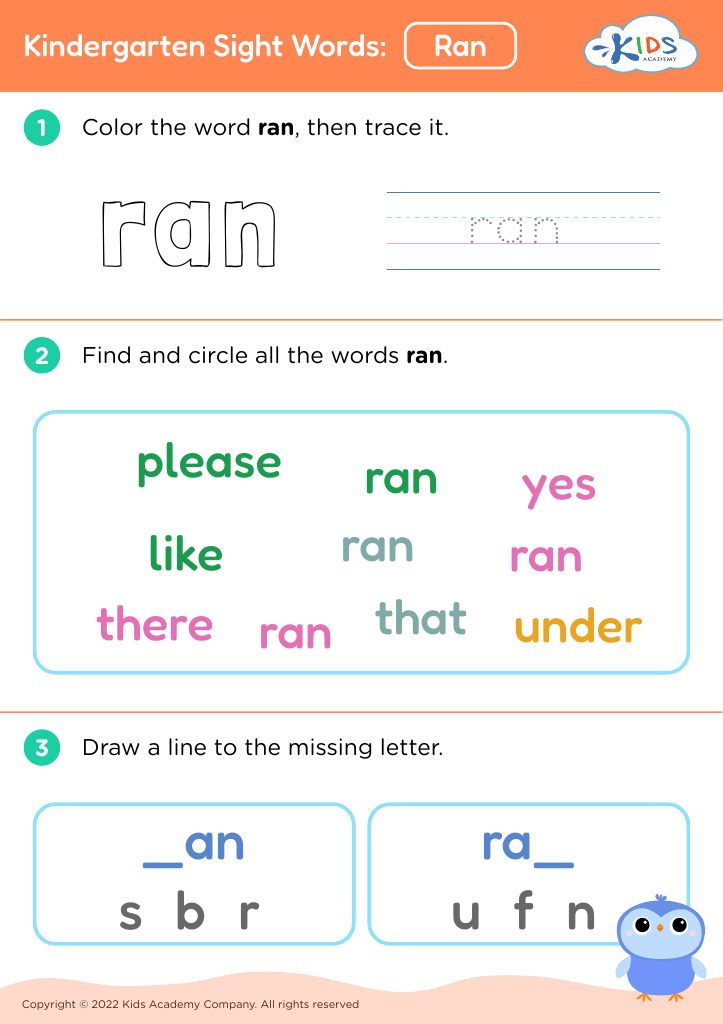
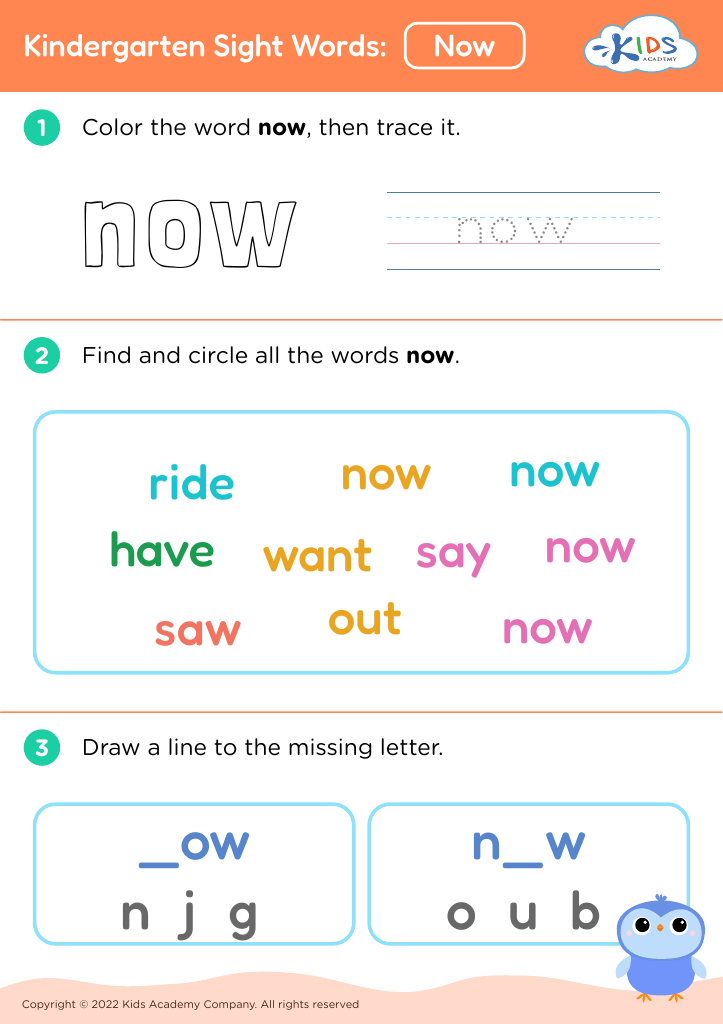
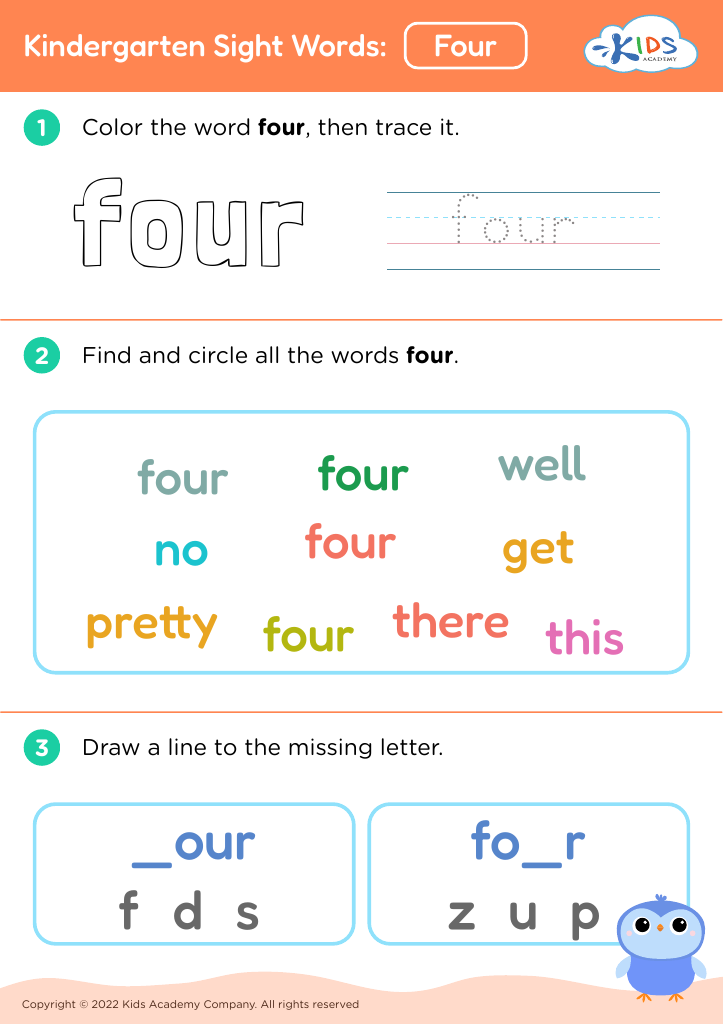
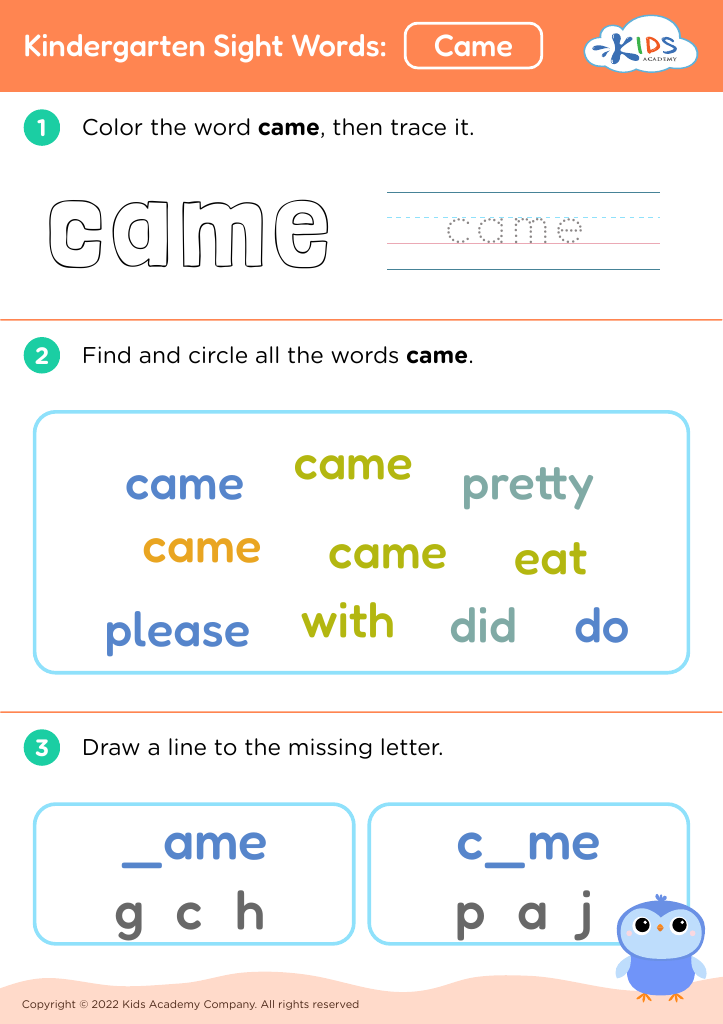








Parents and teachers should prioritize the development of basic math skills and vocabulary for children aged 4-8 because these foundational abilities significantly impact future academic success and everyday functioning. Early mathematical understanding helps children recognize patterns, shapes, and relationships, fostering critical thinking and problem-solving skills. Incorporating math vocabulary—such as "more," "less," "add," and "subtract"—enables children to articulate their thinking and understand concepts in context, enhancing their communication skills.
At this formative stage, children are incredibly receptive to learning and can grasp abstract concepts more easily through playful interactions and engaging activities. By establishing a solid math vocabulary, children become more confident in their abilities, which is crucial for their overall learning journey. Furthermore, integrating math into day-to-day conversations—such as counting pieces during snack time or comparing sizes—makes the learning process natural and enjoyable.
Ultimately, a robust foundation in basic math skills not only prepares children for future academic challenges but also equips them with vital life skills, fostering a sense of competence and curiosity about the world around them. A strong understanding of math boosts self-esteem and encourages perseverance, empowering children to tackle more complex problems as they progress in their education.








