Comparing quantities Building Vocabulary Worksheets for Ages 4-8
3 filtered results
-
From - To
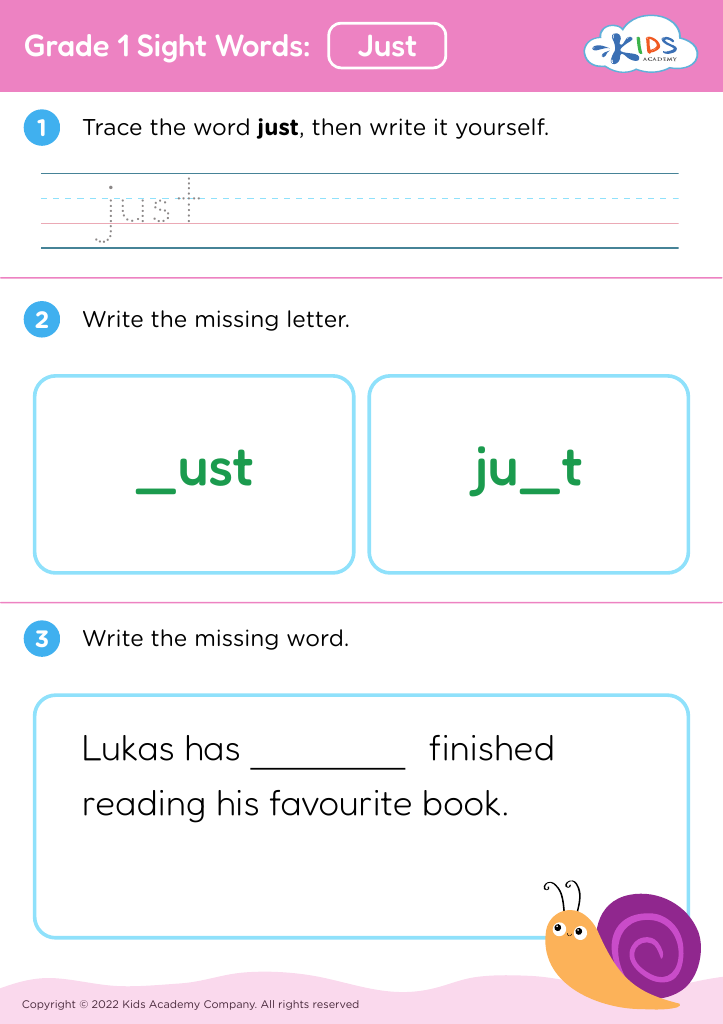
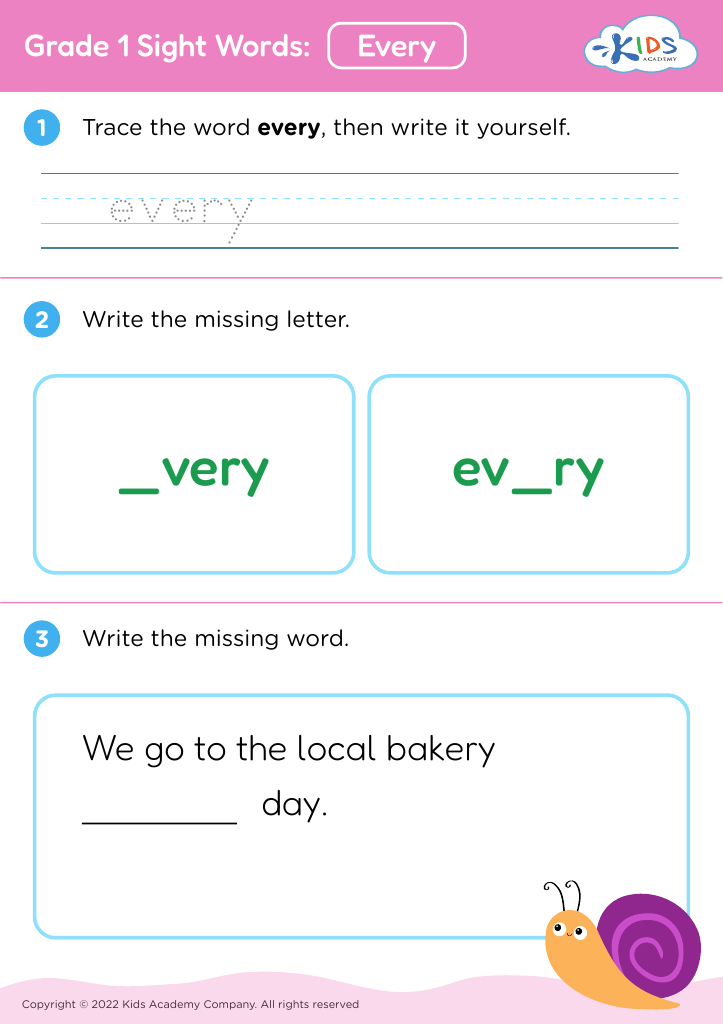
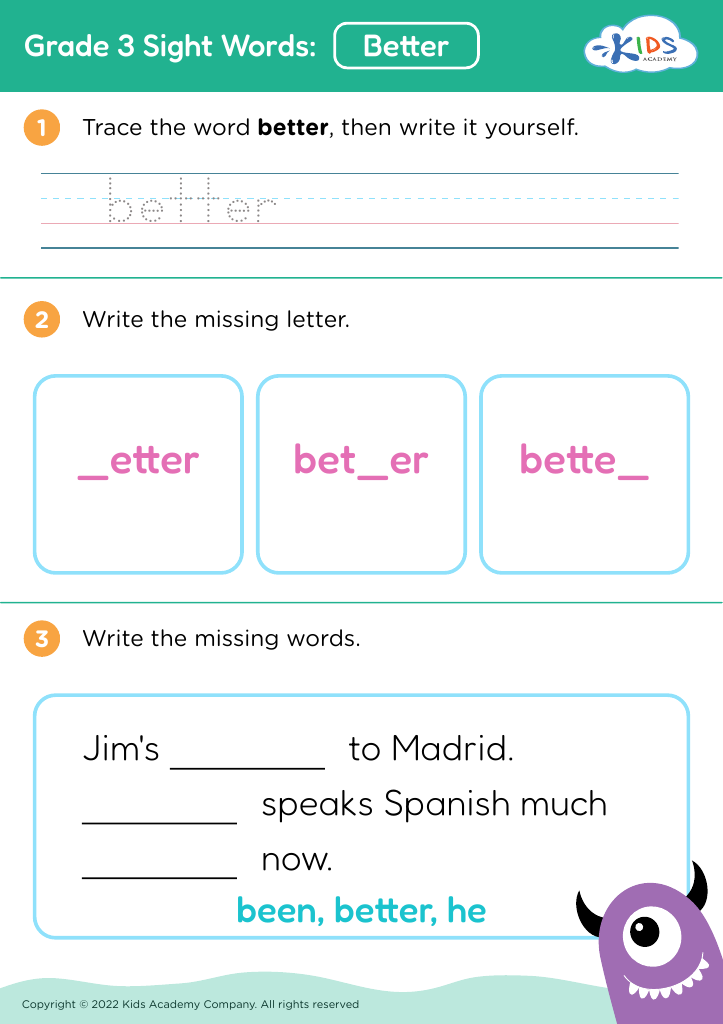
Enhance your child's understanding of comparing quantities with our engaging Building Vocabulary Worksheets, designed specifically for ages 4-8. These worksheets foster fundamental skills in math and language by helping young learners differentiate between more, less, and equal amounts. Through fun activities and vibrant illustrations, children will develop critical thinking and vocabulary acquisition as they explore the relationships between various quantities. Ideal for homeschooling or classroom use, our resources support early education in a playful, interactive way. Empower your child's learning journey and boost their confidence in comparing quantities with these essential worksheets today!













.jpg)





Comparing quantities and building vocabulary are essential components of early childhood education for children aged 4-8. These skills are foundational for a child’s cognitive development and future academic success.
When children compare quantities, they’re not just learning math concepts, but also developing critical thinking and problem-solving abilities. Understanding more, less, and equal helps them navigate their environment and make sense of the world around them. It fosters analytical skills that are vital for understanding patterns, sequences, and relationships in various subjects.
Simultaneously, building vocabulary enhances a child's language skills and comprehension abilities. A rich vocabulary allows children to articulate their thoughts clearly, engage in discussions, and express emotions effectively. It’s critical for literacy development, as children with larger vocabularies become better readers and writers. Furthermore, vocalizing comparisons and quantities introduces new terms, reinforcing both math and language proficiency.
Parents and teachers play a crucial role in instilling these skills through playful activities, games, and engaging conversations. By prioritizing comparing quantities and vocabulary development, they lay a solid foundation for lifelong learning, enabling children to thrive academically and socially. Therefore, fostering these skills is not just an educational activity, but a vital investment in a child’s future success.








