Critical thinking skills Building Vocabulary Worksheets for Ages 4-8
7 filtered results
-
From - To
Enhance your child's cognitive abilities with our engaging Critical Thinking Skills Building Vocabulary Worksheets designed for ages 4-8. These worksheets encourage young learners to explore language creatively while developing essential critical thinking skills. Each activity is crafted to enrich vocabulary through thought-provoking prompts, fun exercises, and captivating illustrations. As children engage with various challenges, they'll improve their comprehension, problem-solving, and reasoning abilities. Perfect for at-home learning or classroom settings, our resources provide a playful way to Increase literacy and foster mental agility. Equip your child with the tools they need for future academic success and a lifelong love for learning!
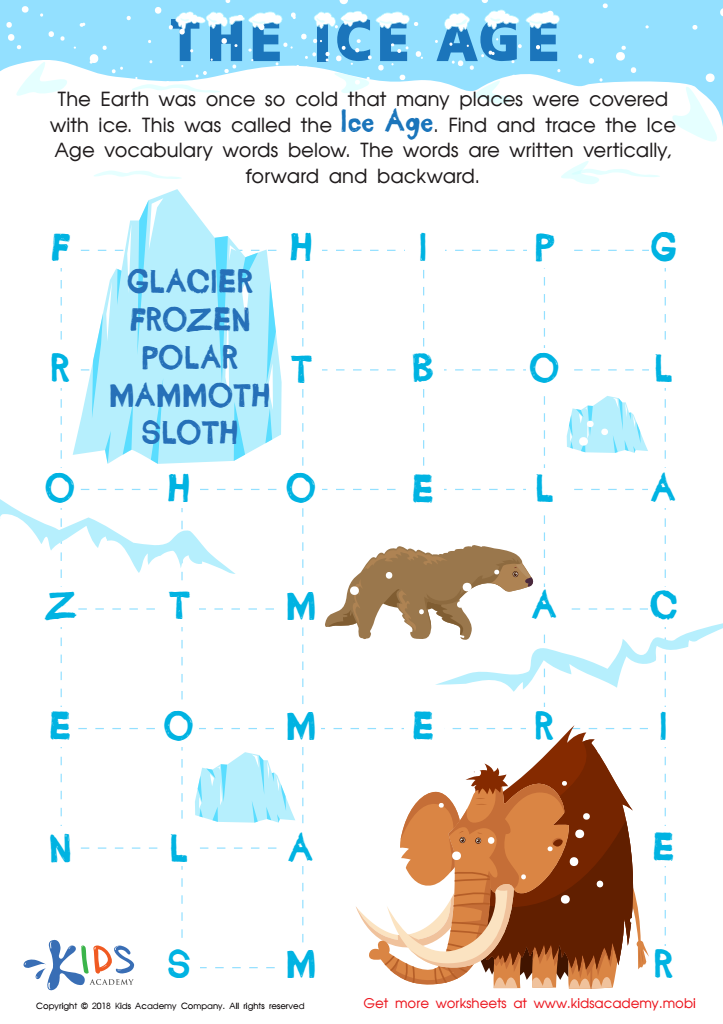
The Ice Age Worksheet
 Assign to My Students











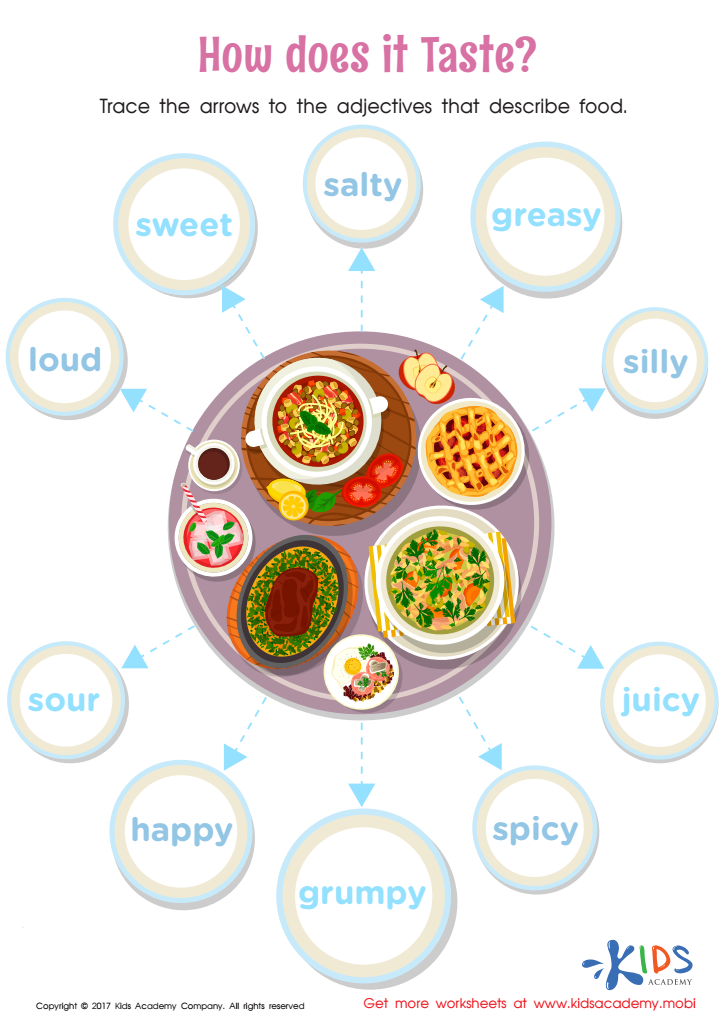
Food Adjectives Worksheet
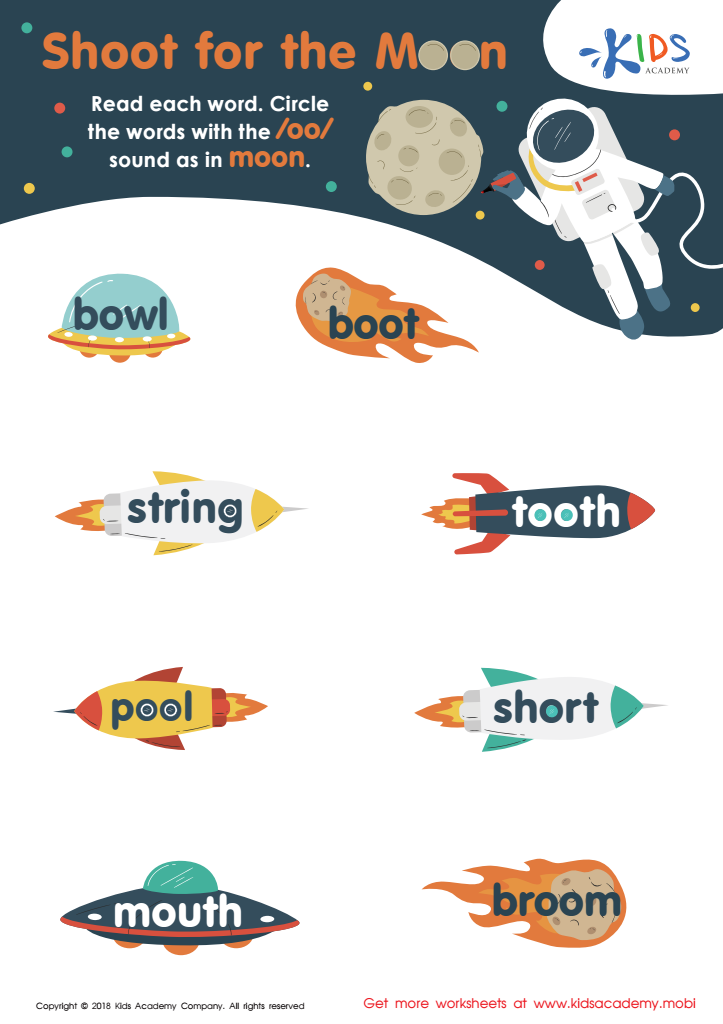
Reading: Shoot for the Moon Worksheet
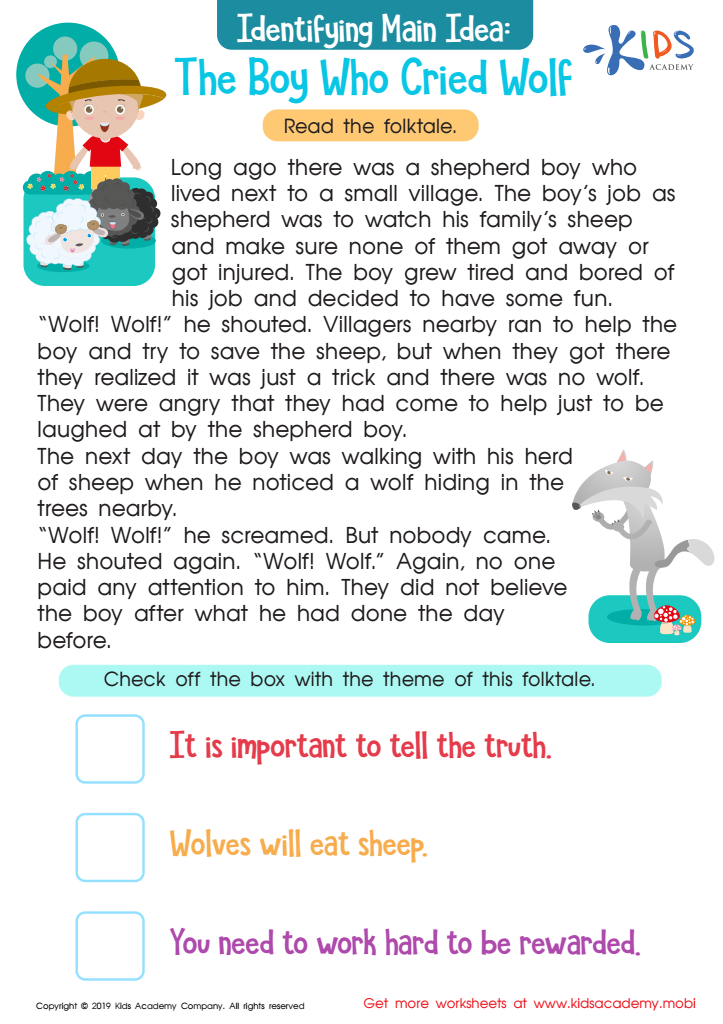
The Boy Who Cried Wolf Part 2 Worksheet
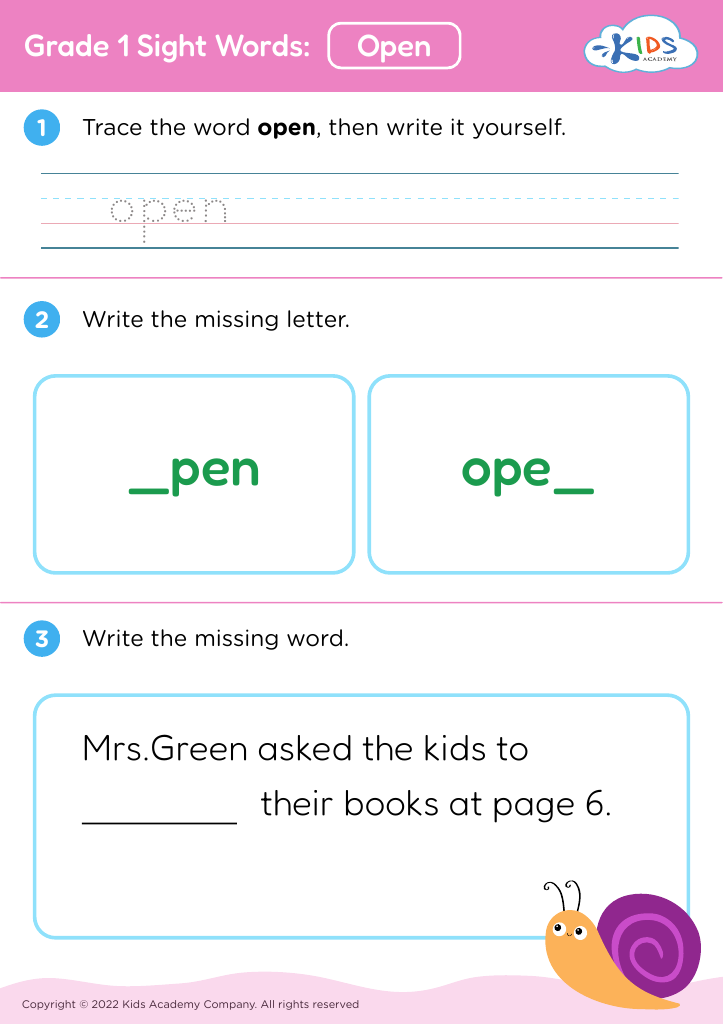
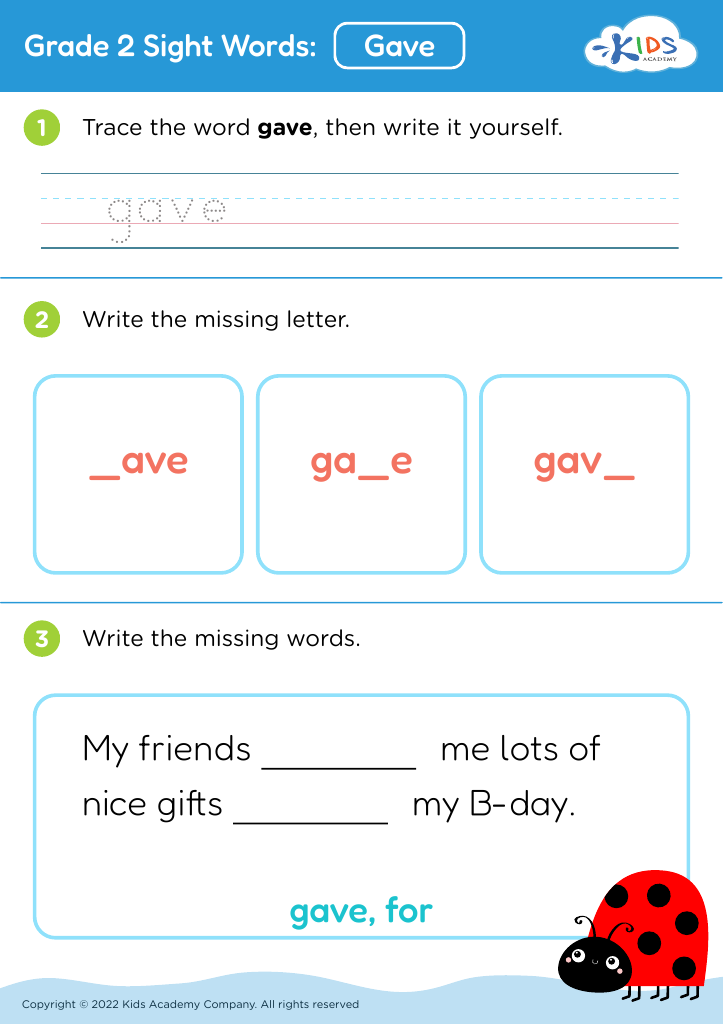
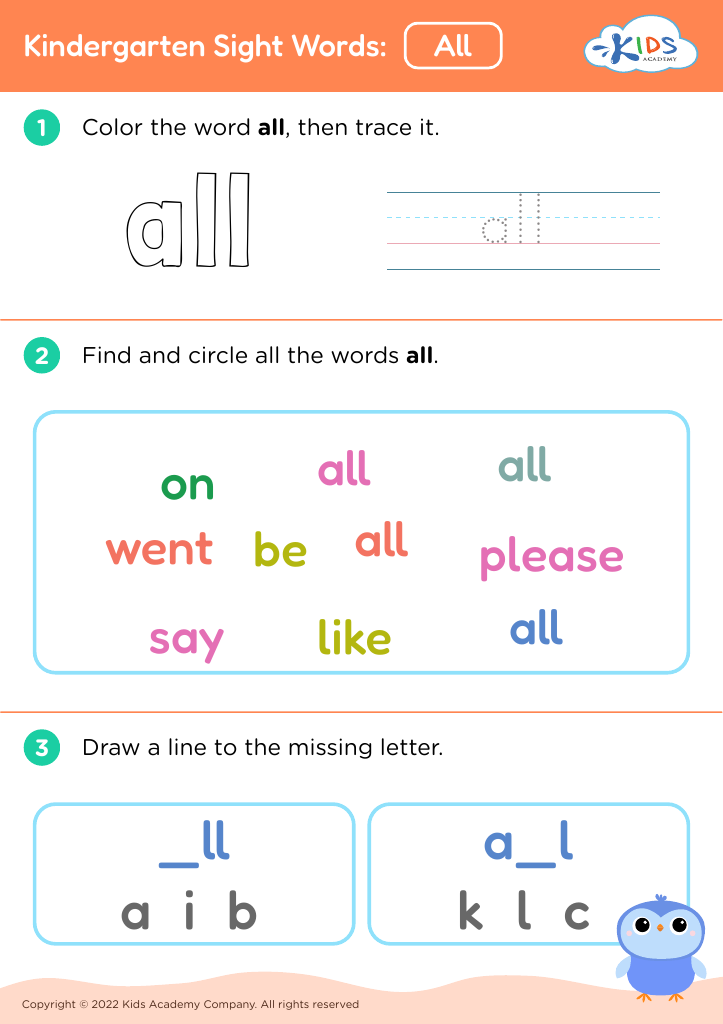








Parents and teachers should prioritize building critical thinking skills and vocabulary for children aged 4-8 because these foundational abilities profoundly influence a child's overall development and future success. Critical thinking fosters curiosity, encouraging children to ask questions, solve problems, and make informed decisions. By instilling these skills early, educators and parents equip children with the ability to analyze information, understand different perspectives, and think independently—a crucial competency in our information-rich world.
Simultaneously, expanding vocabulary is essential for effective communication. A rich vocabulary enables children to express their thoughts and emotions accurately, fostering confidence and social interaction. As they encounter new words, they also gain insights into complex concepts, enhancing comprehension and promoting a love for reading.
Moreover, language skills and critical thinking are interconnected; discussing new ideas and concepts helps reinforce reasoning abilities. Activities that blend storytelling, discussions, and problem-solving can create engaging learning environments.
Finally, such skills enhance academic success, appealing to parents and teachers alike. Encouraging critical thinking and vocabulary development nurtures well-rounded learners who are prepared to tackle challenges, engage in meaningful conversations, and thrive in their educational journeys. Emphasizing these areas lays the groundwork for lifelong learning and adaptability.








