Enhancing reading skills Building Vocabulary Worksheets for Ages 4-8
4 filtered results
-
From - To
Enhancing reading skills through engaging Vocabulary Worksheets is essential for children aged 4-8. Our thoughtfully designed resources help young learners improve their vocabulary while fostering a love for reading. These worksheets feature interactive activities that make learning enjoyable, such as matching words with pictures, fill-in-the-blanks, and word searches. By working through these fun exercises, children will broaden their language use, build confidence, and develop critical thinking skills. Perfect for parents and educators, our worksheets cater to various learning styles, ensuring an enriching experience for every child. Discover the joy of learning through our creative and effective vocabulary-building tools today!
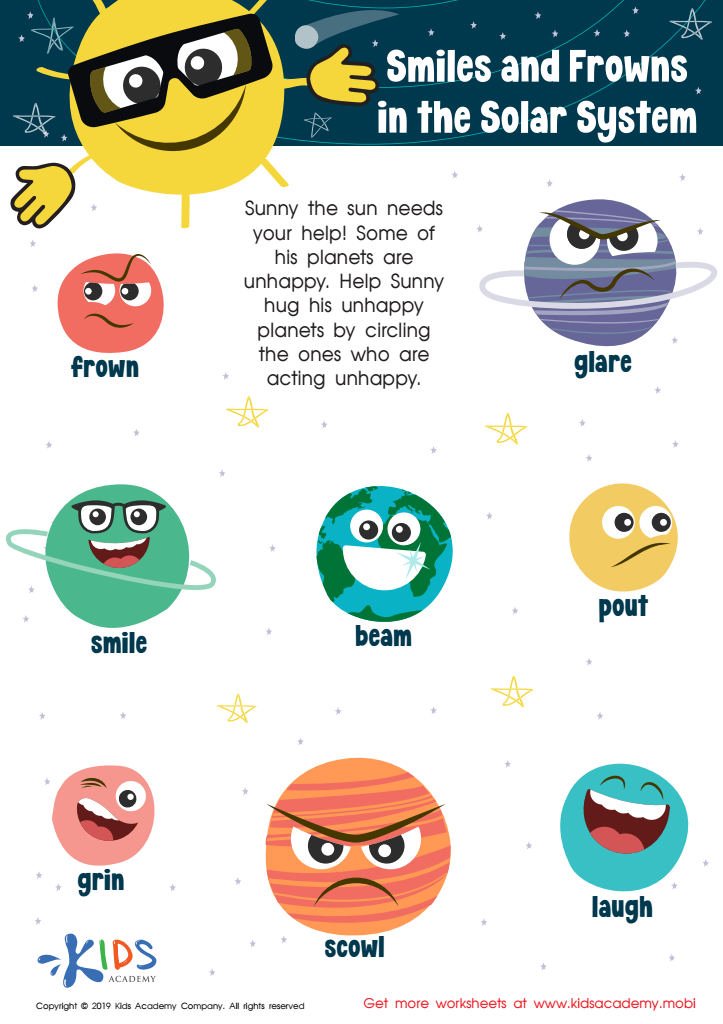
Smile and Frowns in the Solar System Worksheet
 Assign to My Students











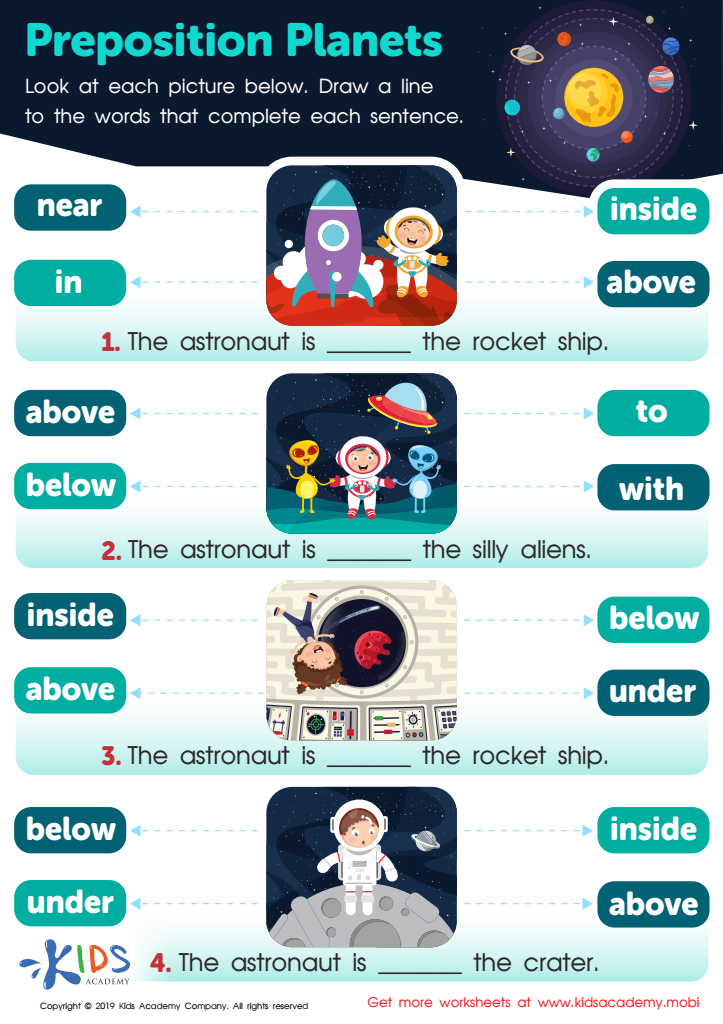
Preposition Planets Worksheet
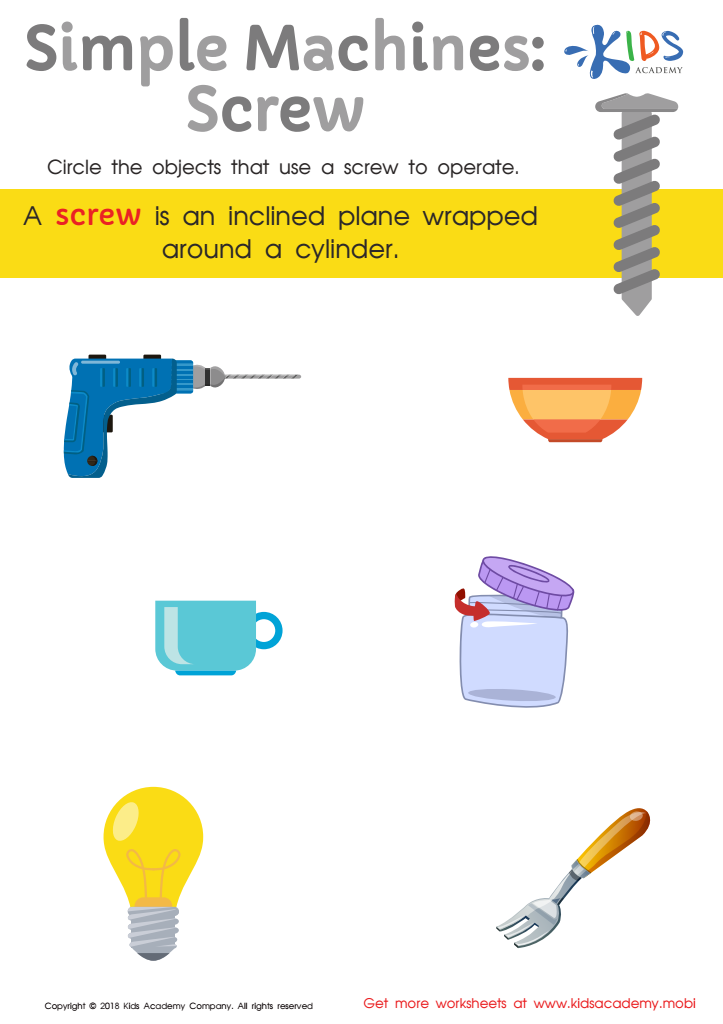
Simple Machines: Screw Worksheet
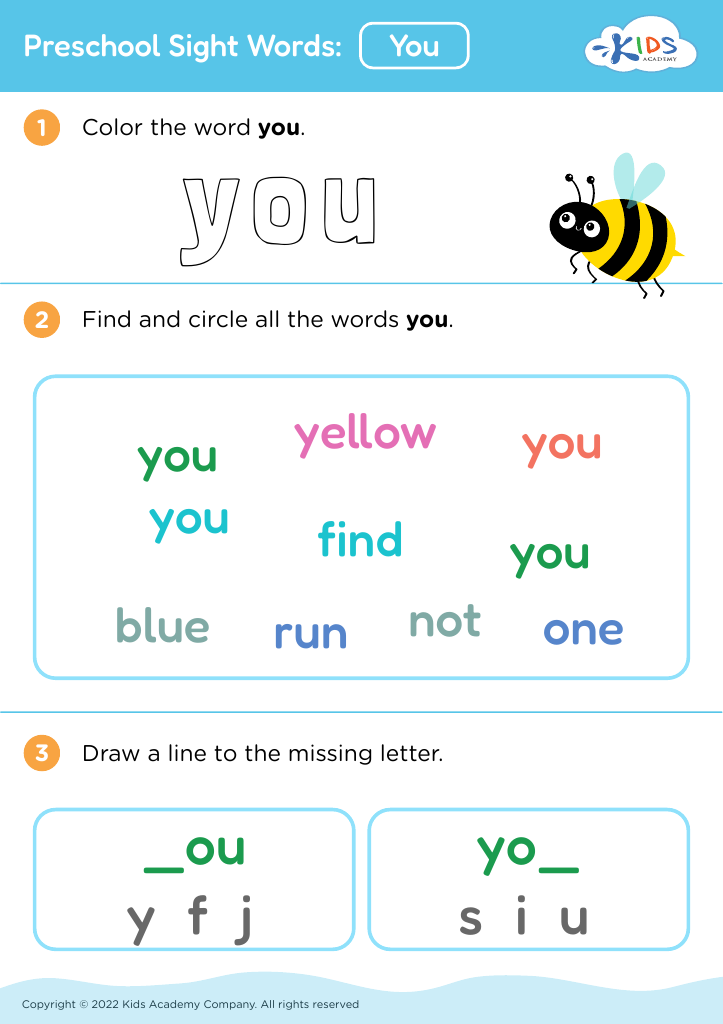








Enhancing reading skills and building vocabulary in children aged 4-8 is crucial for their overall development. During these formative years, children are engaged in critical language acquisition, where they learn not just to read, but to comprehend and express ideas effectively. A strong vocabulary lays the foundation for better communication skills, which is essential for interpersonal relationships and academic success.
Reading skills help children develop critical thinking and literacy comprehension, enabling them to decode text, make inferences, and draw conclusions. This enhances their ability to absorb information and fosters a lifelong love for reading, which can lead to enriched learning experiences over time.
Moreover, a robust vocabulary boosts self-confidence in children, allowing them to articulate thoughts and feelings clearly. Parents and teachers play vital roles by introducing diverse words in everyday conversation and providing access to a range of books suited to the child's interests and reading level.
By investing time in nurturing these skills, parents and teachers empower children with the tools they need to thrive in school and in life. Strong reading and vocabulary skills are linked to higher academic achievement, better problem-solving abilities, and successful life outcomes, making them essential areas of focus in early childhood education.








