Math problem-solving Building Vocabulary Worksheets for Ages 4-8
6 filtered results
-
From - To
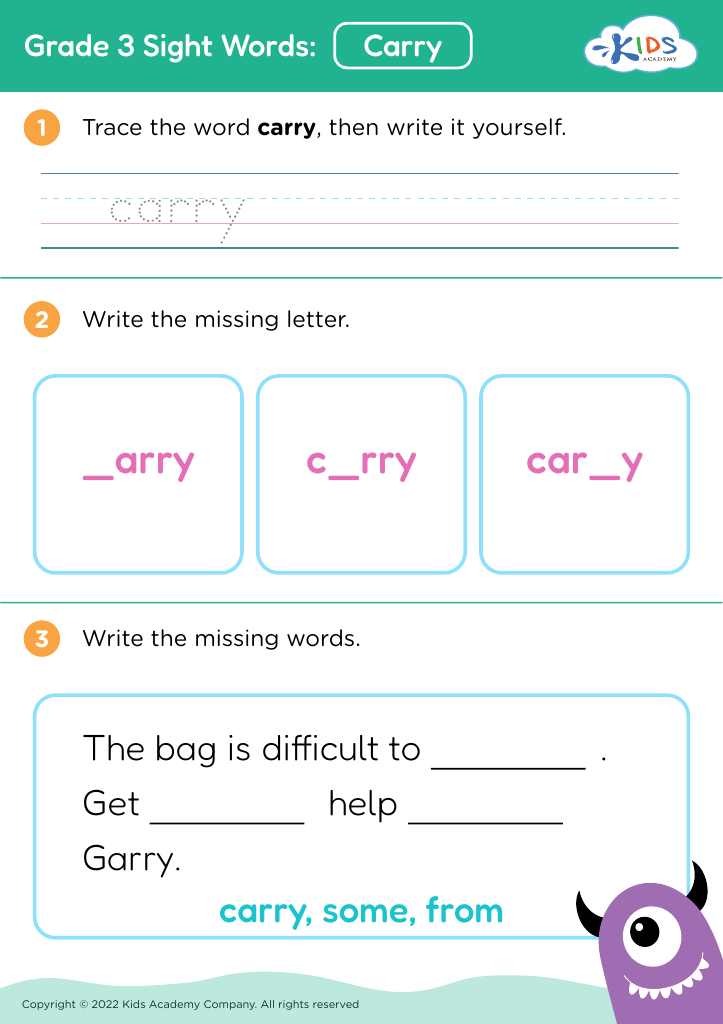
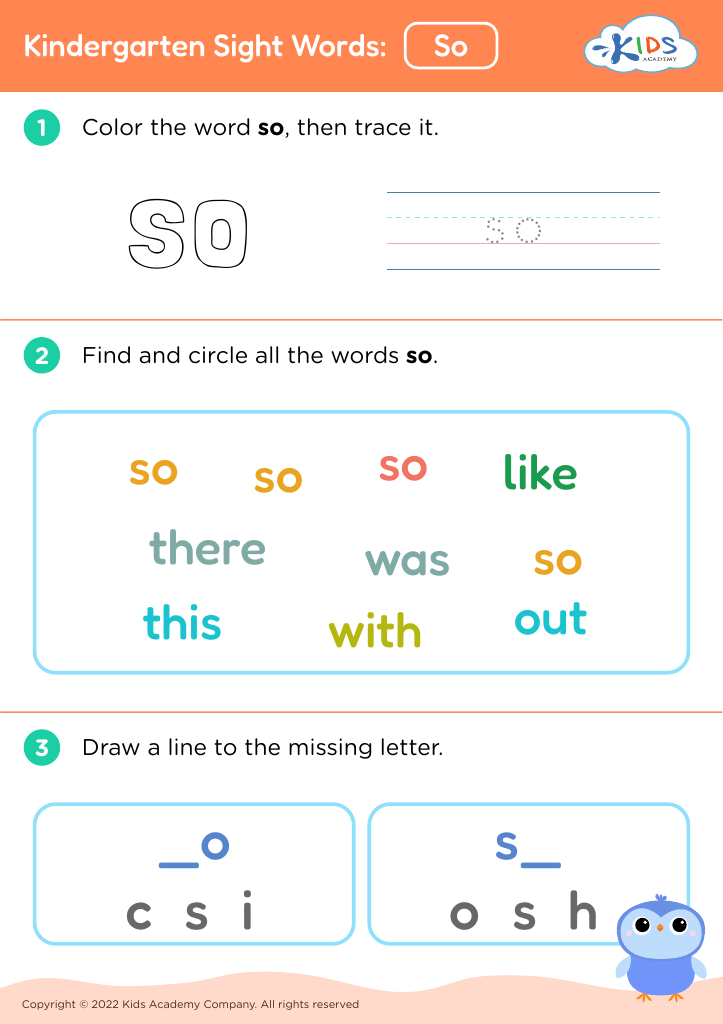
Unlock your child's potential with our "Math Problem-Solving Building Vocabulary Worksheets for Ages 4-8." These engaging worksheets combine essential vocabulary building with fundamental math problem-solving skills. Ideal for young learners, they enhance reading comprehension while developing critical thinking through fun, interactive activities. Children will delight in unraveling word problems, matching terms, and discovering new vocabulary, all aligned with age-appropriate educational standards. Perfect for both classroom and home use, these worksheets ensure your child gains confidence and proficiency in mathematics and language arts simultaneously. Foster a love for learning today with our expertly crafted worksheets!


















Parents and teachers should prioritize building math problem-solving vocabulary for ages 4-8 as it lays a crucial foundation for future academic success and critical thinking. At this formative stage, children's brains are exceptionally receptive to learning and language development. Introducing math-specific vocabulary, such as terms like "addition," "subtraction," "equal to," "greater than," encourages young learners to understand and articulate mathematical concepts precisely.
A strong math vocabulary enhances comprehension and boosts confidence. When children are familiar with the terms used in math problems, they can more effectively understand instructions and articulate their thought processes, making problem-solving less intimidating and more engaging. This early confidence with math language promotes a positive attitude toward the subject, countering math anxiety that could hinder their willingness to engage with math later on.
Moreover, incorporating math vocabulary can improve overall literacy by contextualizing new words within real-life situations, enhancing both reading and cognitive skills. Encouraging discussions about math concepts can nurture collaboration and communication skills. In essence, investing in math vocabulary from an early age provides a dual benefit: improving math proficiency and fostering essential language and cognitive abilities, which equip children for diverse learning challenges ahead.








