Motor skills development Building Vocabulary Worksheets for Ages 4-8
3 filtered results
-
From - To
Welcome to our Motor Skills Development Building Vocabulary Worksheets for Ages 4-8! These engaging, printable worksheets are designed to support young learners in enhancing their motor skills while expanding their vocabulary. Each worksheet offers fun activities that promote fine and gross motor skills, incorporating drawing, tracing, and cutting tasks. As children complete these hands-on exercises, they will also build essential literacy skills and confidence in language use. Perfect for early education settings or at-home learning, our resources are crafted to foster a love for learning, making skill development enjoyable and interactive. Explore our collection and watch your child's skills flourish!
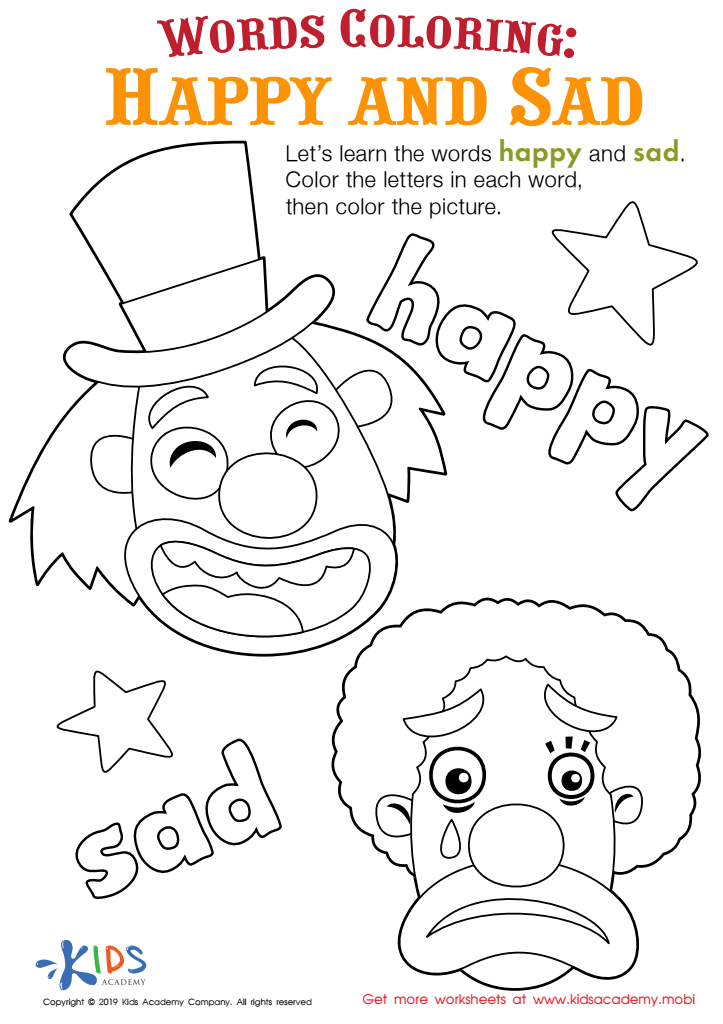
Happy and Sad Words Coloring Worksheet
 Assign to My Students











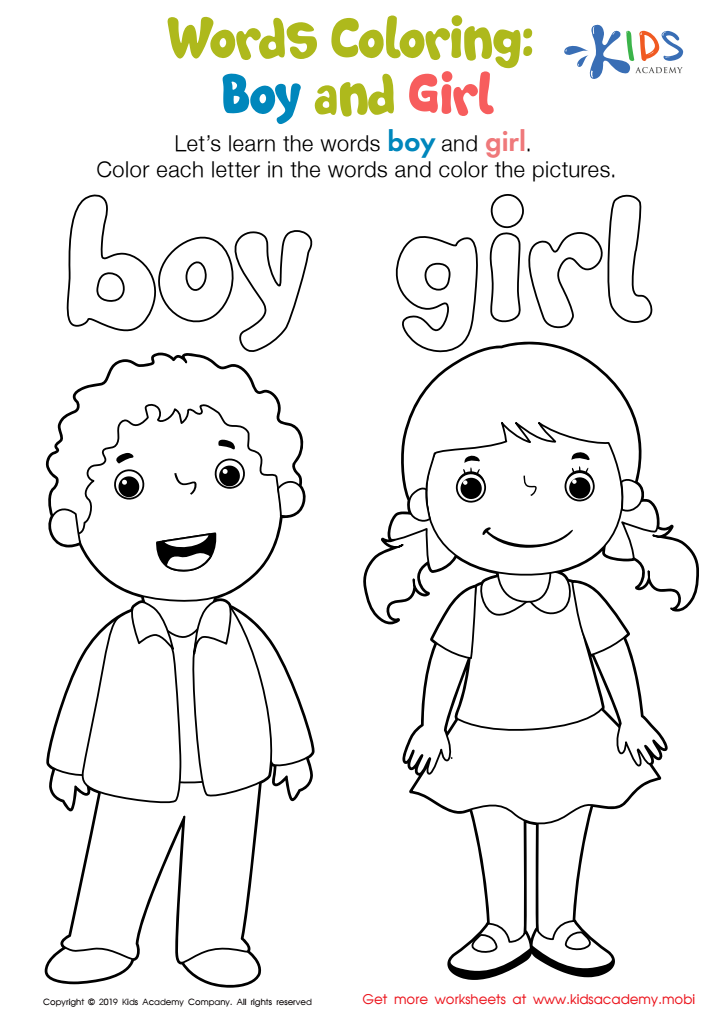
Boy and Girl Words Coloring Worksheet
Assign to My Students
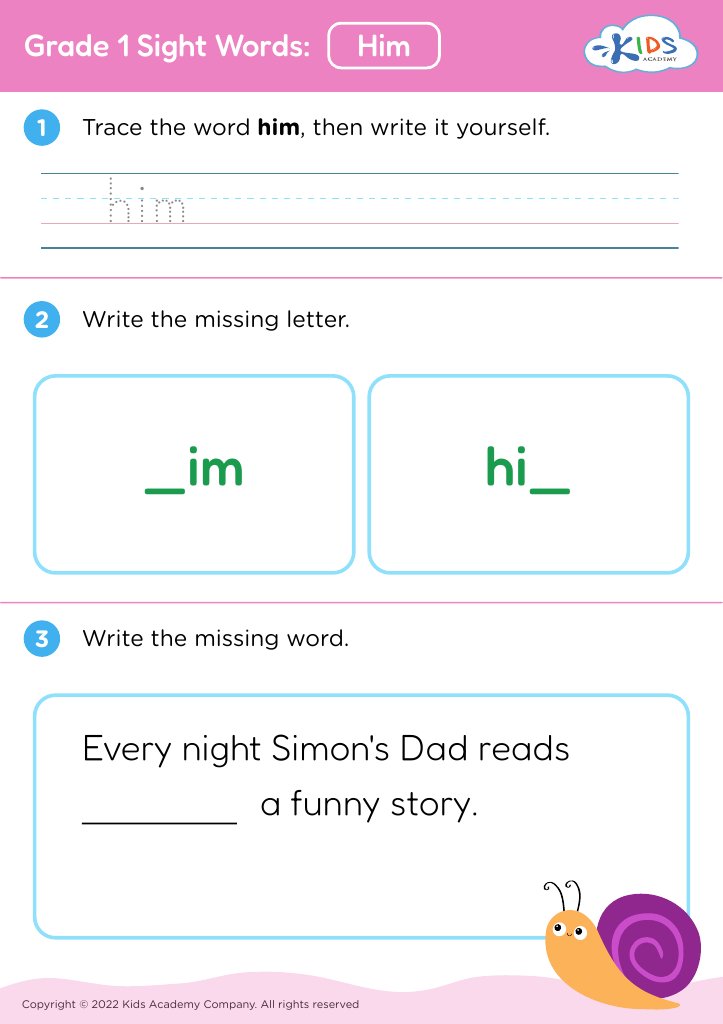





.jpg)

Motor skills development and vocabulary building are essential aspects of a child's growth from ages 4 to 8 that parents and teachers should prioritize.
First, motor skills, which include fine and gross skills, are crucial for children's physical development. Fine motor skills involve coordination of small muscles, which are important for tasks like writing, buttoning clothes, and using scissors. Gross motor skills, involving larger muscle groups, help children run, jump, and play. Developing these skills allows children to engage in physical activities confidently and enjoyably, enhancing their overall well-being and fostering a healthy lifestyle.
Building vocabulary during these formative years is equally vital for cognitive and social development. A rich vocabulary aids comprehension, communication, and expressive skills. As children learn new words, they also expand their understanding of the world around them, enabling them to express thoughts and emotions more clearly. This foundational language development supports their academic success and encourages positive interactions with peers.
By focusing on motor skill development and vocabulary building, parents and teachers can create a supportive environment where children are equipped not only for school readiness but also for lifelong learning and social participation. Both areas are interconnected and promote confidence, creativity, and collaboration in young learners.








