
Numerical problem solving Building Vocabulary Worksheets for Ages 4-8
3 filtered results
Difficulty Level
Grade
Age
-
From - To
Subject
Activity
Standards
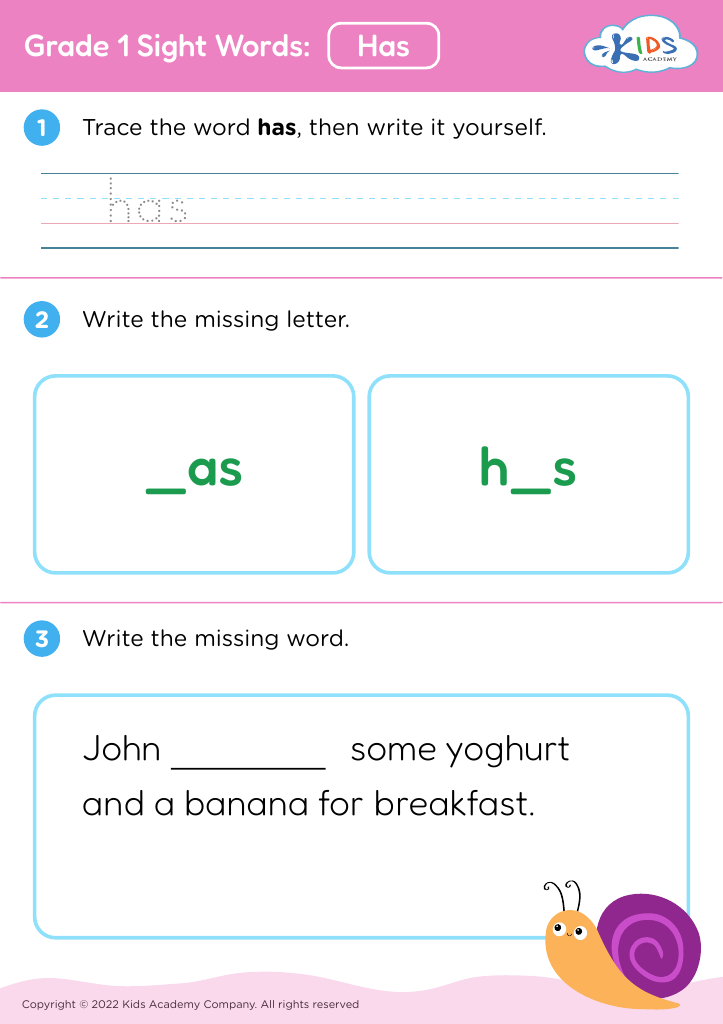
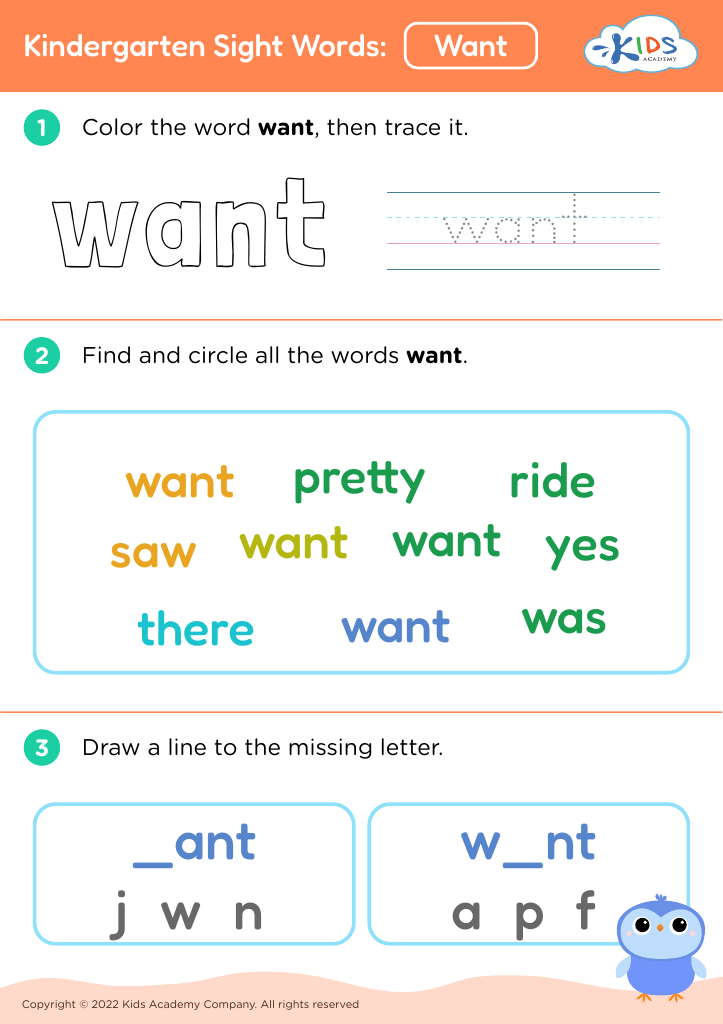
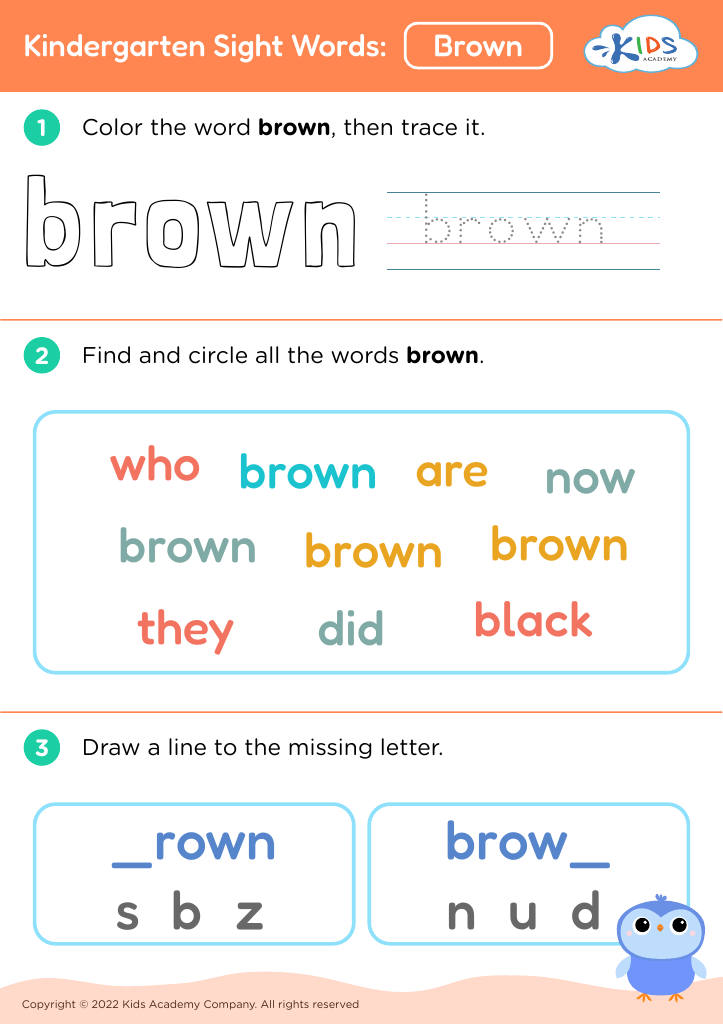
Discover our engaging Numerical Problem Solving Building Vocabulary Worksheets, specially designed for children ages 4-8. These worksheets help young learners develop essential math skills while expanding their vocabulary. Each activity combines fun, interactive problems that encourage critical thinking, fostering a deeper understanding of numbers in everyday situations. Our worksheets are easy to use at home or in the classroom, making learning enjoyable and effective. Whether your child is just starting to explore math or looking to enhance their skills, our resources provide the perfect foundation for success. Explore our collection today and empower your child’s learning journey!
Favorites
With answer key
Interactive











Join Kids Academy for Free
Who is primarily going to use this learning content?








Numerical problem-solving and vocabulary building are fundamental skills for children ages 4-8, and caring about these areas is crucial for several reasons. First, early mathematical problem-solving fosters critical thinking and logical reasoning. Engaging children in numerical challenges enhances their ability to analyze situations, make decisions, and develop resilience in facing difficulties. These skills are the building blocks for more complex math concepts they'll encounter later in their education.
Additionally, building vocabulary is equally essential for a child's overall development. Language proficiency enhances communication skills, boosts self-confidence, and expands cognitive development. A strong vocabulary enables children to articulate their thoughts clearly, fostering effective interactions with peers and adults. Importantly, vocabulary plays an integral role in reading comprehension, which is vital as children begin to encounter textbooks and literature in higher grades.
When teachers and parents prioritize these skills, they create a supportive environment that promotes holistic growth. By integrating fun mathematical activities and rich verbal experiences into daily routines, adults can nurture curiosity and a love for learning. Together, focusing on numerical problem-solving and vocabulary ensures that children are well-equipped for future academic challenges and social interactions, setting them up for long-term success.








