Practice subtraction Building Vocabulary Worksheets for Ages 4-8
4 filtered results
-
From - To
Discover our engaging "Practice Subtraction Building Vocabulary Worksheets" designed for children ages 4-8. These worksheets perfectly blend math skills with vocabulary development, providing a fun and educational experience. Kids will strengthen their subtraction abilities while learning essential words through interactive exercises. Each worksheet promotes critical thinking and problem-solving in a playful context, making learning enjoyable. Ideal for classroom activities or at-home practice, our resources are crafted to cater to young learners' diverse needs. Watch your child thrive in both math and language as they explore exciting challenges tailored to their developmental stage. Start fostering a love for learning today!
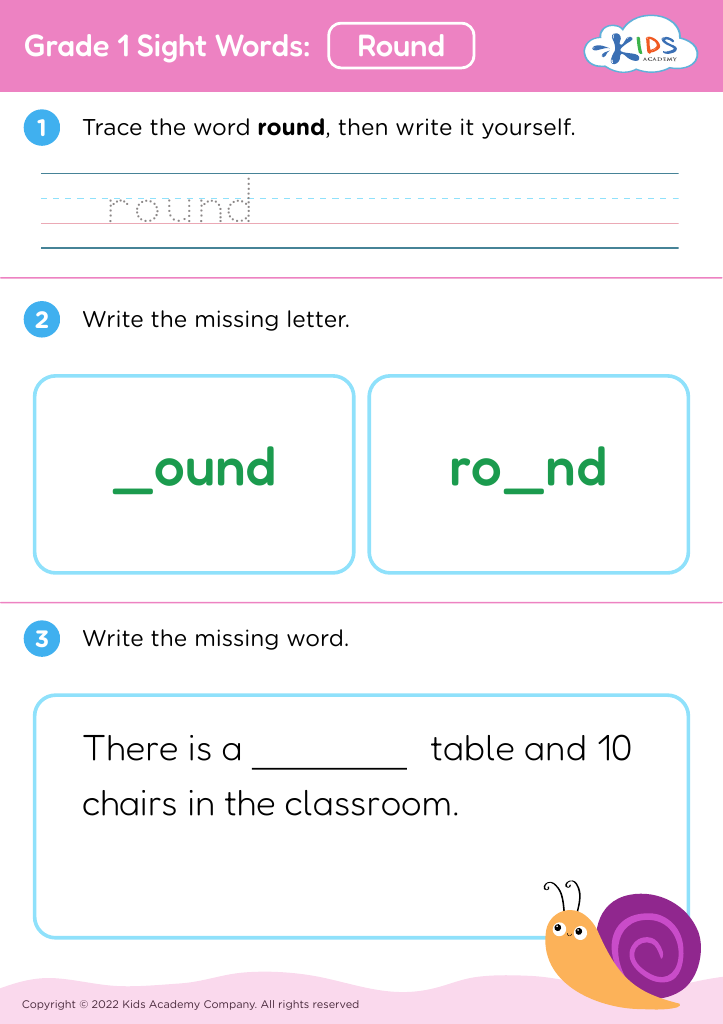











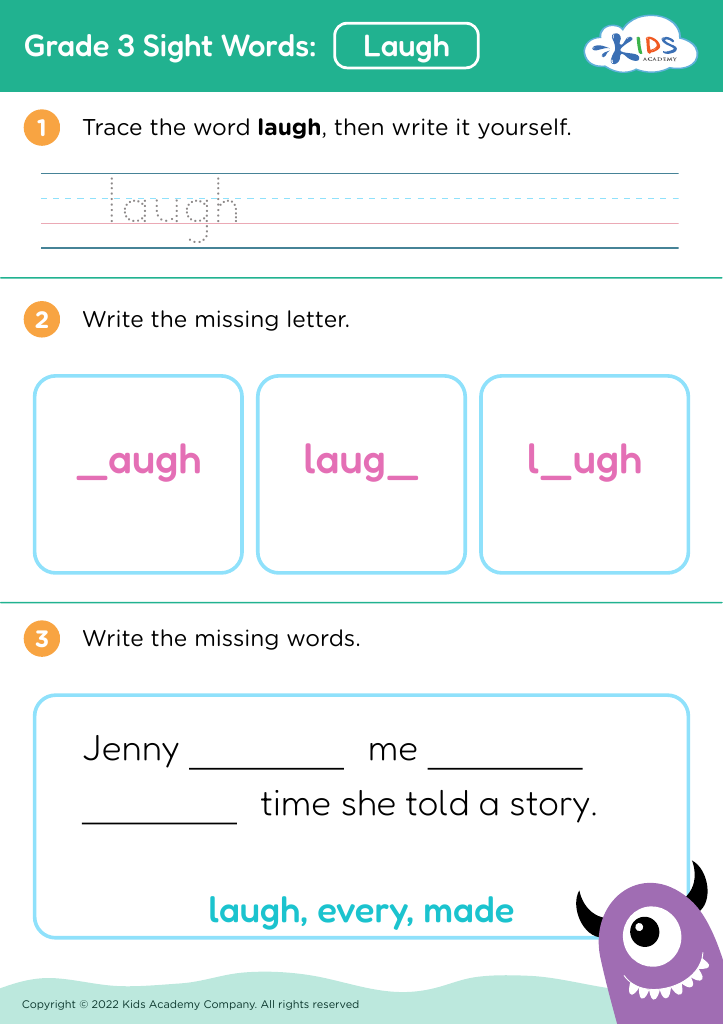
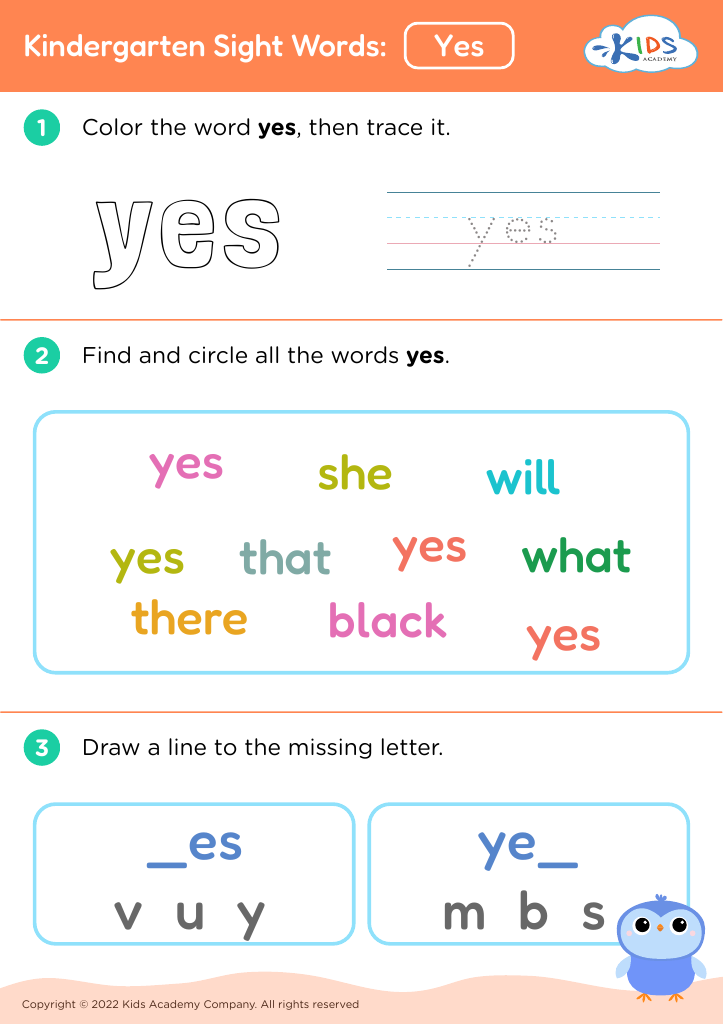
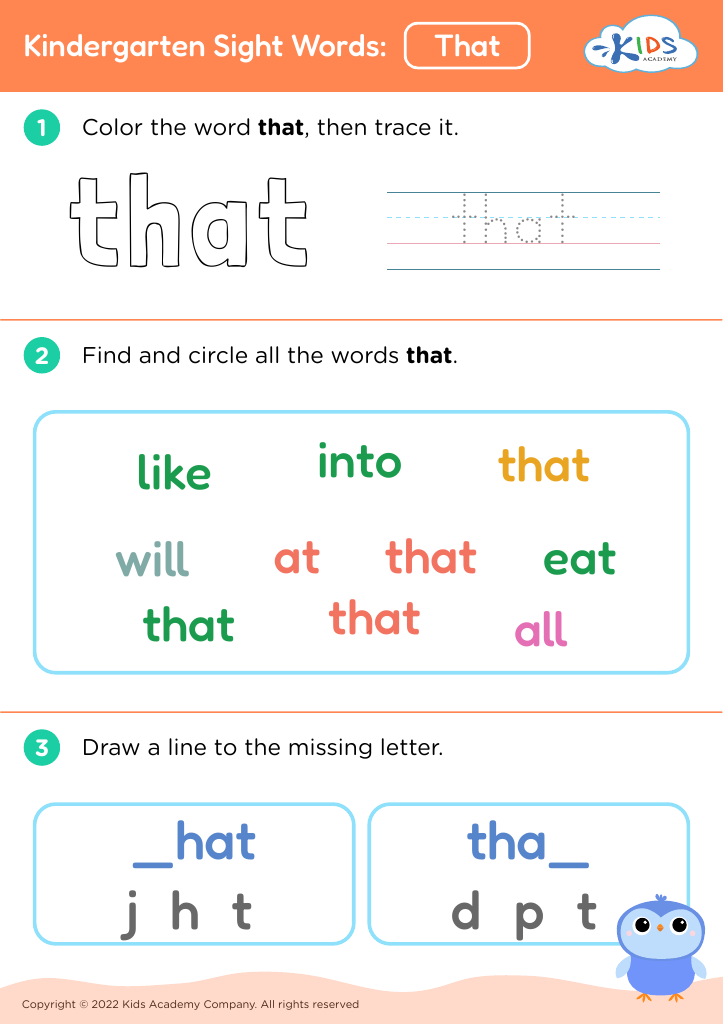








Practice subtraction and building vocabulary are critical components of early childhood education for children aged 4-8. Firstly, mastering subtraction lays the foundation for essential mathematical skills that students will build upon throughout their academic careers. Early experiences with subtraction help children understand number relationships, develop problem-solving skills, and foster an early love for math. By integrating subtraction into everyday activities, parents and teachers can make learning engaging and enjoyable, facilitating a positive attitude towards mathematics.
Moreover, building vocabulary is equally essential during these formative years. A rich vocabulary significantly enhances a child's ability to express thoughts, understand instructions, and enhance reading comprehension skills. As children learn new words related to math, they gain the ability to articulate the concepts they are learning, which in turn reinforces their understanding.
When parents and teachers prioritize both subtraction practice and vocabulary expansion, they create a well-rounded educational experience that stimulates cognitive development. This approach not only prepares children for academic success but also fosters critical thinking and communication skills that are vital in all areas of life. Consequently, it is imperative that caregivers recognize the interconnectedness of these skills and actively engage children in both practices for their holistic development.








