
Recognizing Patterns Building Vocabulary Worksheets for Ages 4-8
5 filtered results
Difficulty Level
Grade
Age
-
From - To
Subject
Activity
Standards
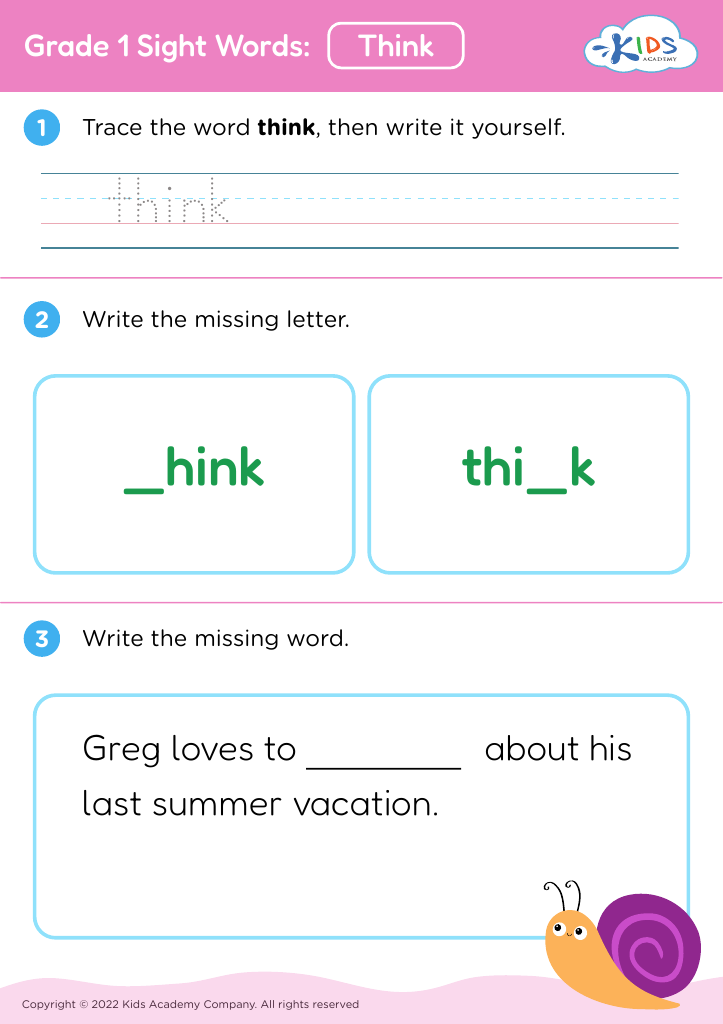
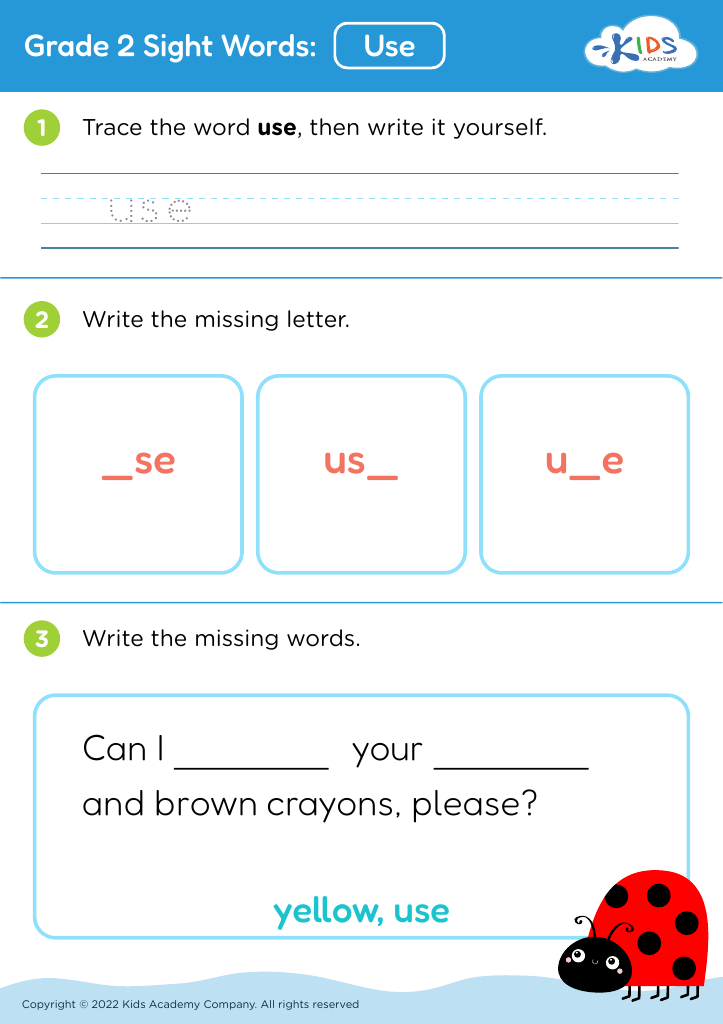
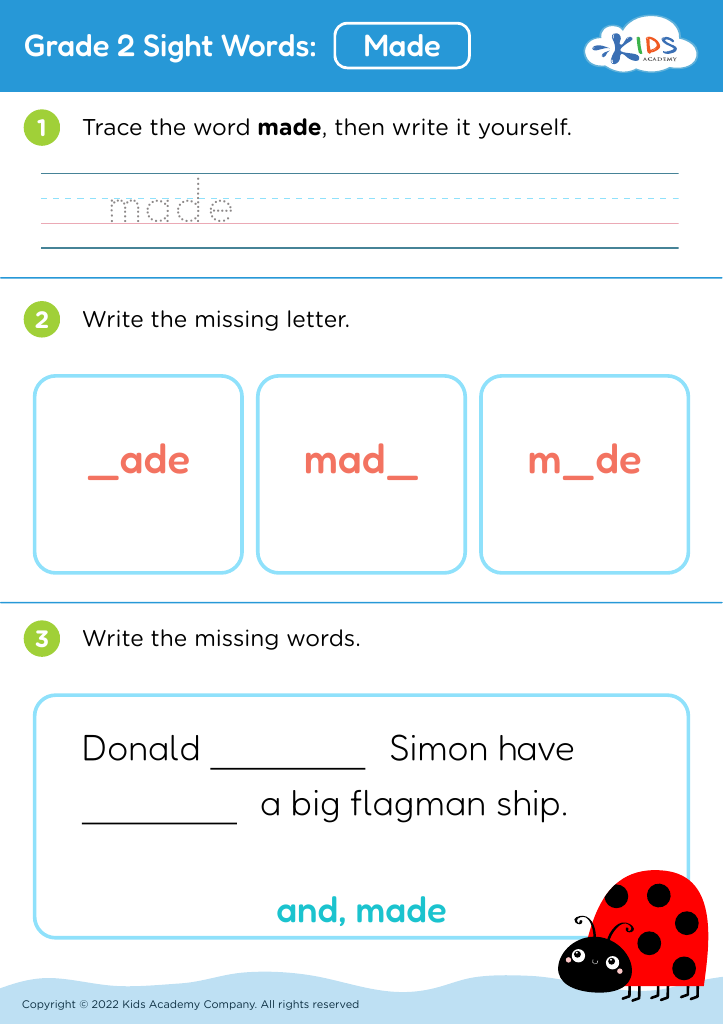
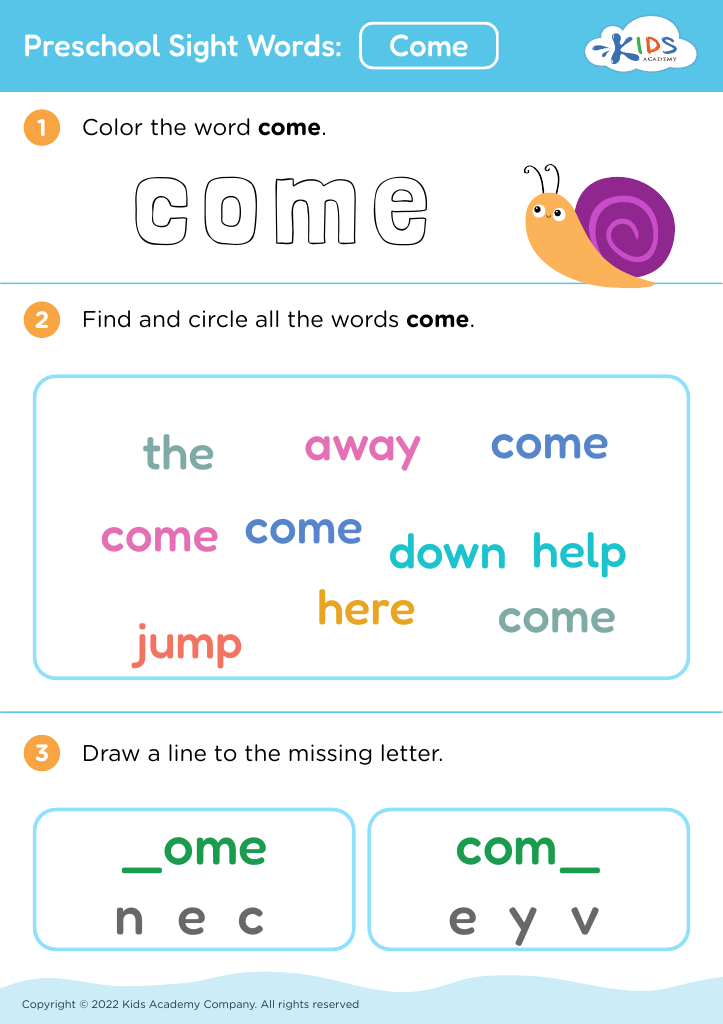
Discover engaging "Recognizing Patterns Building Vocabulary Worksheets" tailored for children aged 4-8. These interactive worksheets are designed to help young learners identify and understand patterns, a key skill for developing vocabulary. Through fun exercises, kids will enhance their language abilities while exploring shapes, colors, and sequences. This resource not only supports early reading skills but also sparks creativity and critical thinking. Perfect for parents and educators, these printable activities can be seamlessly integrated into your lesson plans or used for at-home learning. Boost your child’s confidence and fluency with our vibrant, easy-to-use worksheets that make learning enjoyable!
Favorites
With answer key
Interactive











Join Kids Academy for Free
Who is primarily going to use this learning content?





.jpg)


Recognizing patterns and building vocabulary are foundational skills essential for children's early literacy development, particularly for ages 4-8. At this stage, children are not only developing their language skills but also learning how to think critically and make connections between different concepts. When parents and teachers focus on recognizing patterns, they help children identify similarities, sequences, and relationships in various contexts—be it through numbers, letters, or everyday experiences.
This understanding fosters problem-solving abilities and enhances cognitive skills, which are crucial for mathematics and reading comprehension. Additionally, a robust vocabulary serves as a tool for effective communication and understanding the world around them. The more words children know, the better they can express their thoughts, listen to instructions, and engage in discussions.
Furthermore, cultivating these skills together creates a rich learning environment at home and in the classroom. It encourages curiosity and fosters a love for language that carries into later academic pursuits. Ultimately, parents and teachers play a crucial role in guiding children to recognize patterns and expand their vocabulary, equipping them with the tools necessary for success in school and beyond. Investing in these capacities now sets a strong foundation for lifelong learning.








