Shape Recognition Building Vocabulary Worksheets for Ages 4-8
7 filtered results
-
From - To
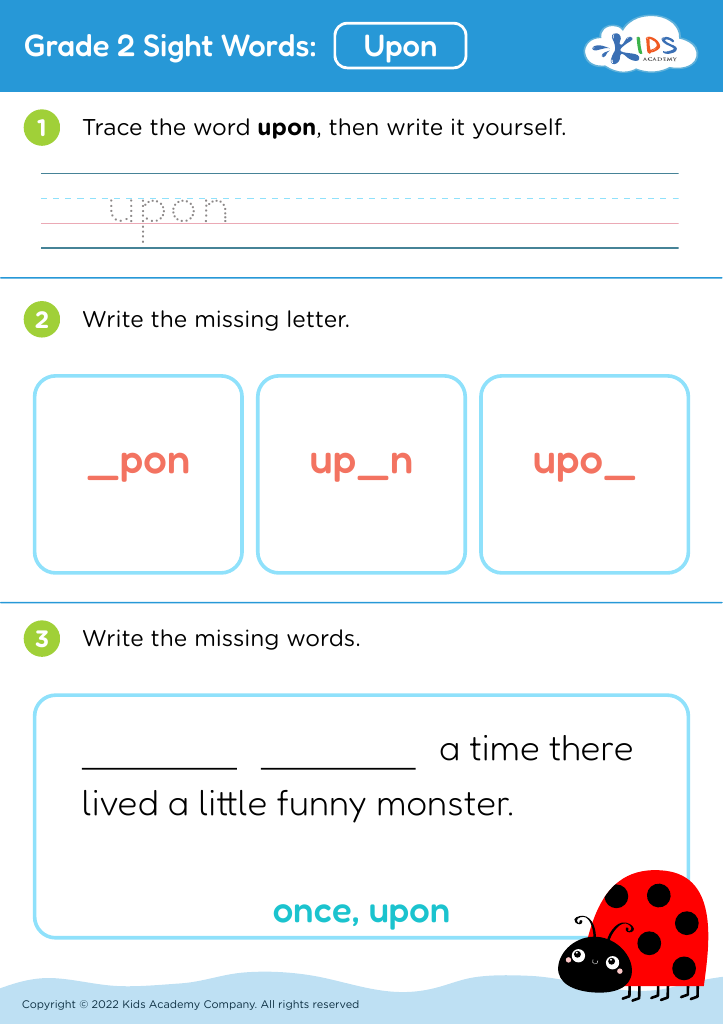
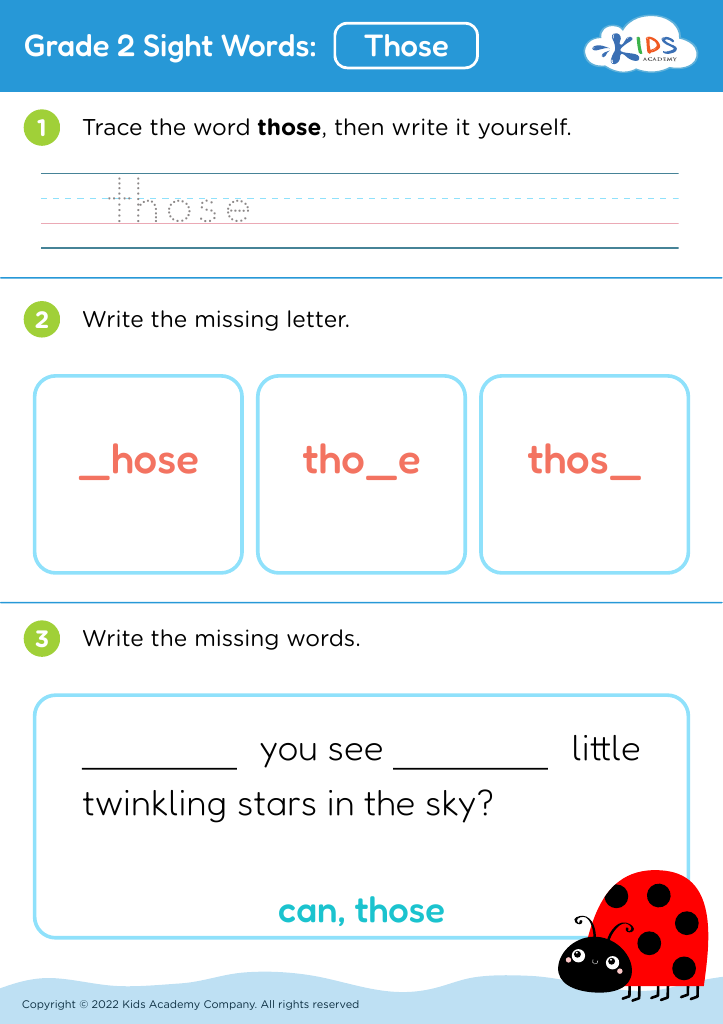
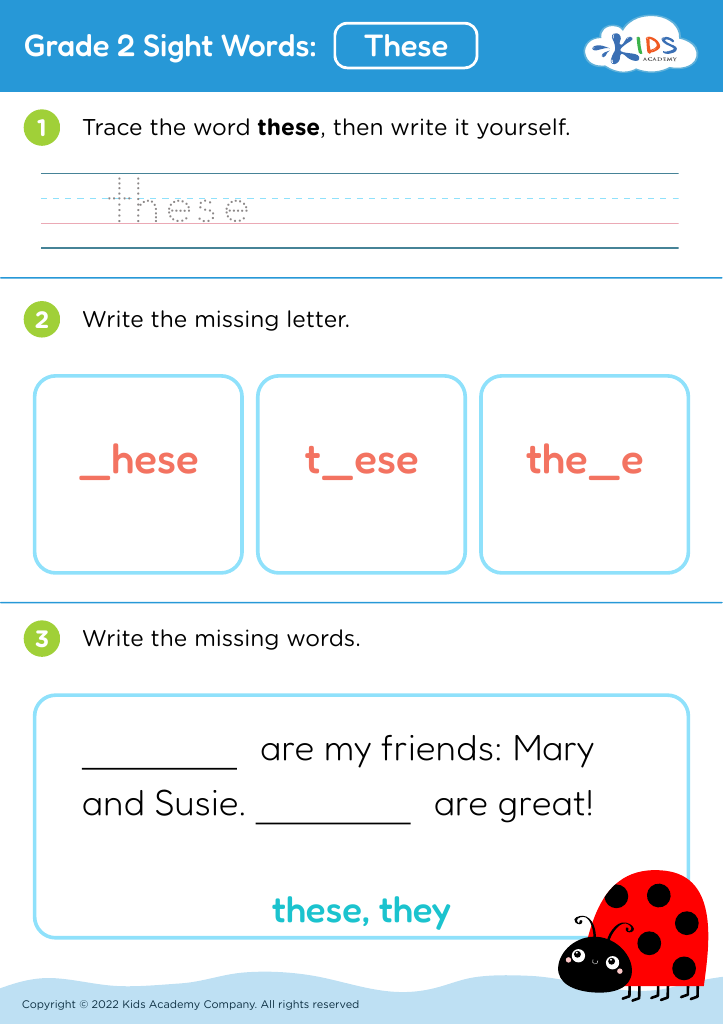
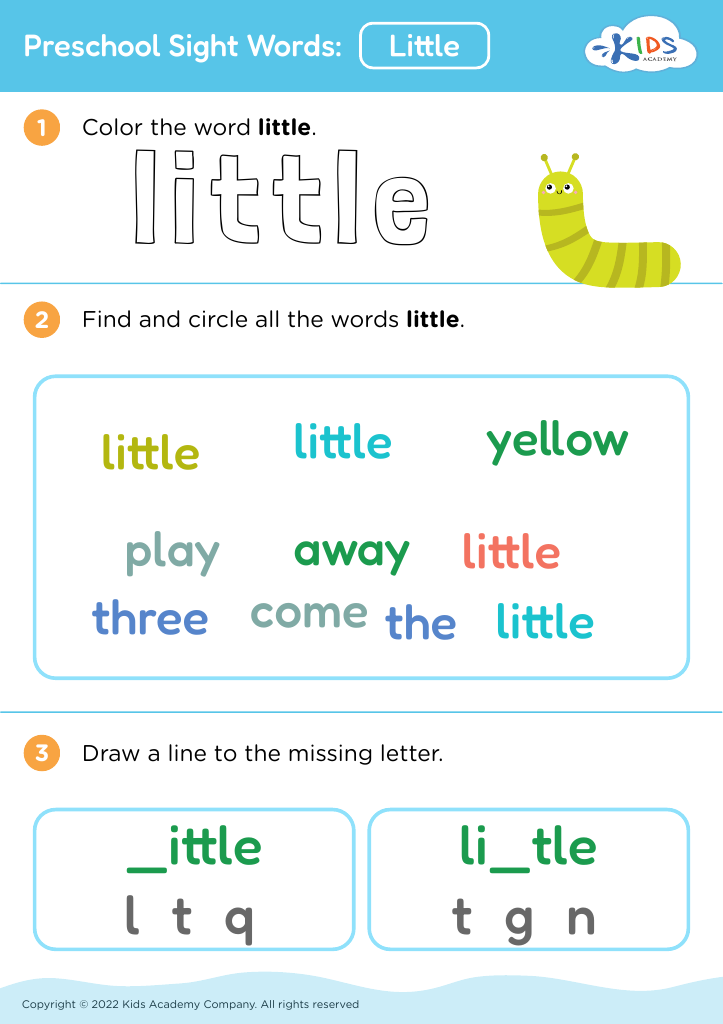
Explore our engaging Shape Recognition Building Vocabulary Worksheets designed specifically for children ages 4 to 8. These fun, interactive resources help young learners identify and understand various shapes while expanding their vocabulary. Each worksheet stimulates critical thinking and creativity, featuring colorful illustrations and imaginative activities that promote shape recognition and language development. Ideal for classroom use or home learning, these worksheets support early reading skills and enhance cognitive abilities through hands-on practice. Boost your child's learning journey with our comprehensive collection of shape recognition activities, perfect for fostering both educational and artistic growth. Unlock the joy of learning with us today!















.jpg)



Shape recognition is a foundational skill that plays a critical role in early childhood education. For children ages 4-8, mastering shape recognition helps bolster their cognitive development, enhancing their spatial awareness, problem-solving abilities, and understanding of geometry. As children learn to identify various shapes—such as circles, squares, and triangles—they gain the vocabulary necessary to express their observations and thoughts about the world around them.
Building vocabulary related to shapes lays the groundwork for more complex mathematical concepts later on. By familiarizing children with terms like “angle,” “curved,” and “symmetrical,” parents and teachers can facilitate a deeper comprehension of mathematics and science. Furthermore, shape recognition activities often promote collaboration and communication skills as children share their thoughts and discoveries during group activities.
Additionally, developing these skills has implications beyond academics. Being able to recognize and differentiate shapes aids in literacy development, as many letters and numbers share geometric properties. Engaging children in shape-related games and conversations fosters an environment of exploration and curiosity, which serves to ignite a lifelong love of learning. Therefore, parents and teachers should prioritize shape recognition as part of essential early education, nurturing both academic growth and overall development.








