Subtraction practice Building Vocabulary Worksheets for Ages 4-8
4 filtered results
-
From - To
Introducing our "Subtraction Practice Building Vocabulary Worksheets for Ages 4-8"! These engaging worksheets seamlessly blend essential subtraction exercises with vocabulary building, making math practice both fun and educational. Designed for young learners, each worksheet offers visually appealing activities that capture your child's interest while reinforcing key concepts. Carefully crafted by educational experts, these printables enhance mathematical skills and expand language proficiency, ensuring a well-rounded learning experience. Perfect for use at home or in the classroom, our worksheets provide a solid foundation in subtraction and vocabulary, fostering a love for learning in your child. Access high-quality resources today!
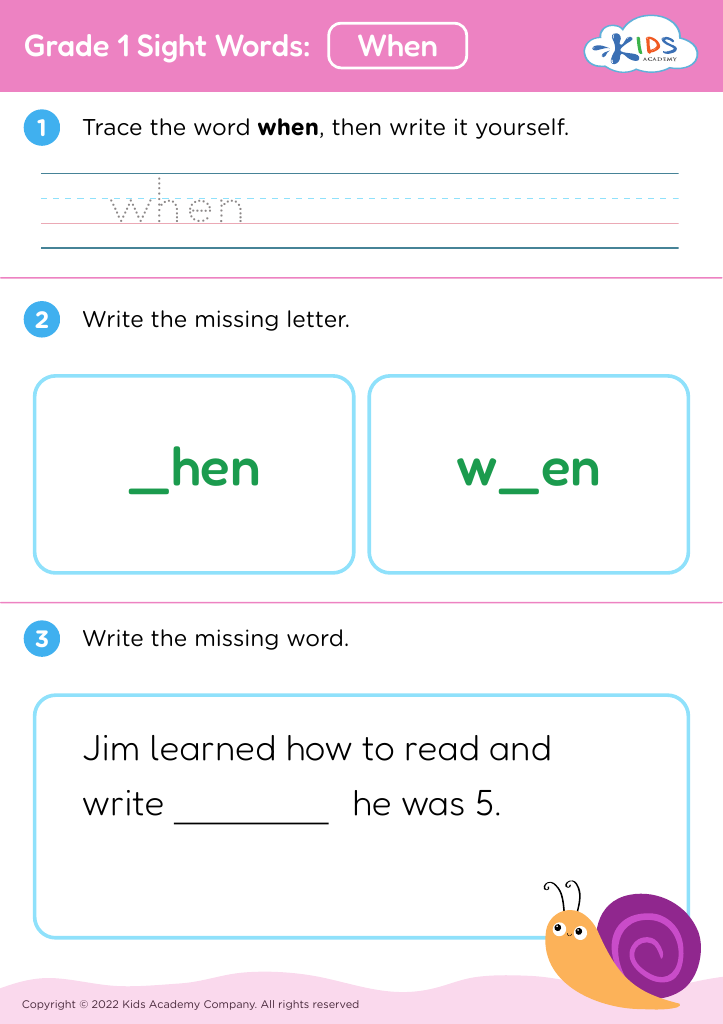











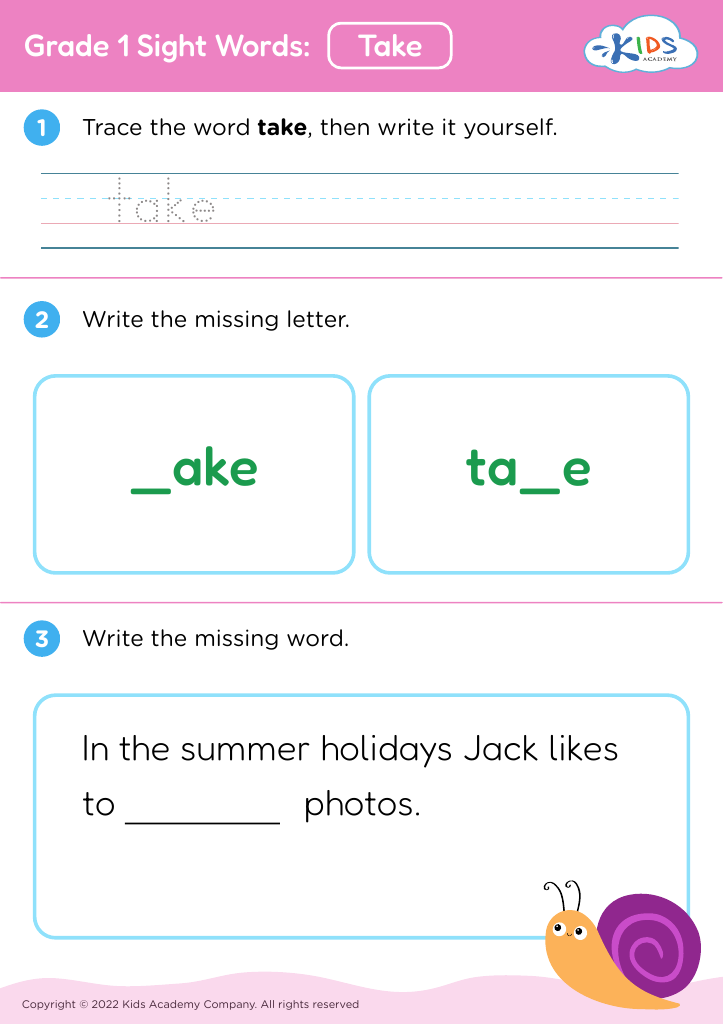
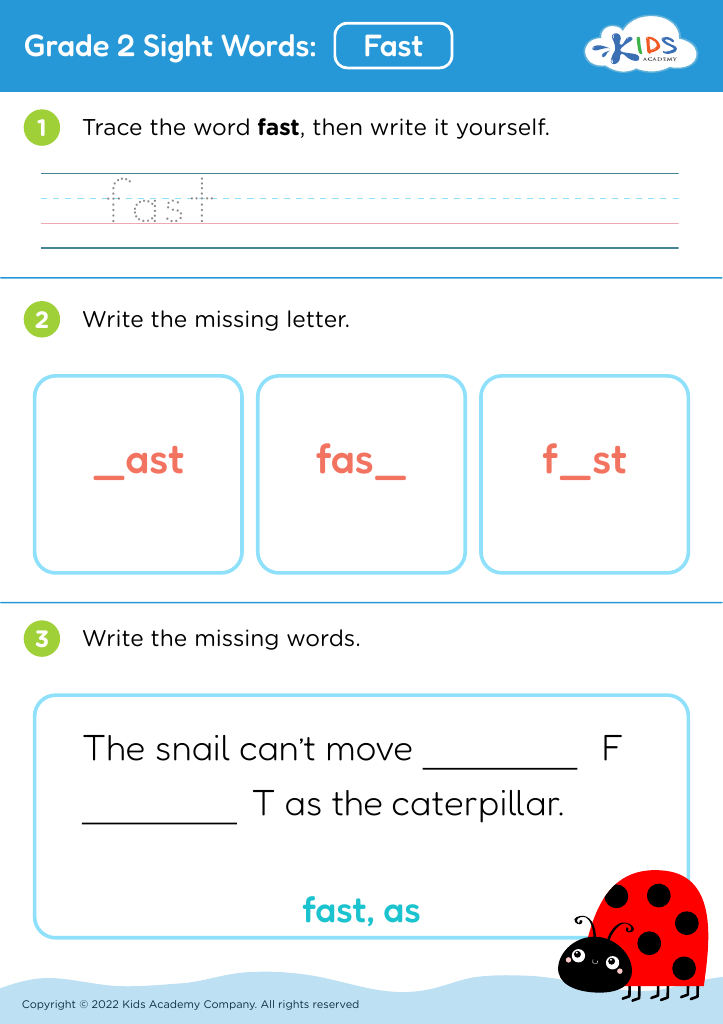
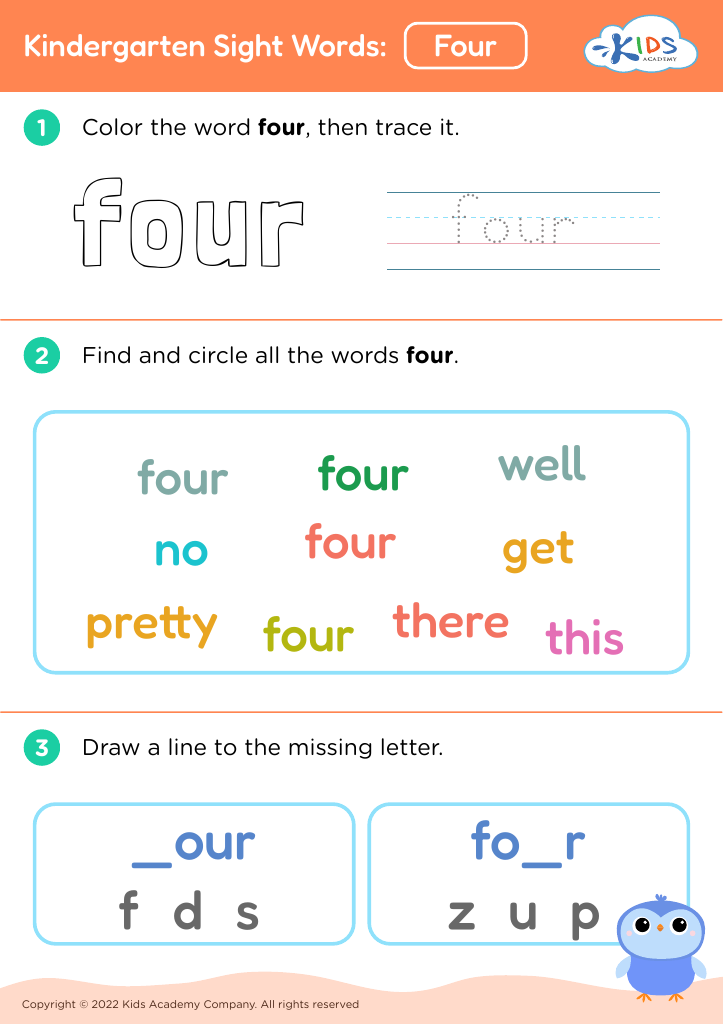








Teaching subtraction and building vocabulary for children aged 4-8 is crucial because these foundational skills serve as building blocks for their future education and cognitive development. Subtraction helps develop critical thinking and problem-solving skills. As children learn to distinguish between numbers and understand the concept of “taking away,” they establish a basis for more complex math skills they will encounter later on.
Simultaneously, building vocabulary in these early years is essential for communication and academic success. A rich vocabulary enables children to express their thoughts clearly, comprehend reading material more effectively, and engage in meaningful conversations. When children are equipped with a strong vocabulary, they can follow classroom instructions more easily and are better prepared to understand new concepts.
Parents and teachers should care about combining subtraction practice with vocabulary building because it nurtures a holistic development approach. For instance, word problems in math can integrate new vocabulary, aiding in both numerical understanding and language skills. This dual focus fosters well-rounded cognitive abilities and enhances overall learning. By prioritizing these practices, educators and parents lay the groundwork for intellectual and linguistic proficiency, ensuring that children are not only adept in mathematical reasoning but also articulate and confident communicators. This well-rounded approach sets a positive trajectory for lifelong learning and academic success.








