Addition skills Reading Worksheets for Ages 4-8
3 filtered results
-
From - To
Discover a range of engaging addition skills reading worksheets tailored for children aged 4-8 on Kids Academy's website. These fun, interactive worksheets combine fundamental reading skills with essential addition practice, promoting both literacy and arithmetic proficiency. With colorful graphics and child-friendly themes, kids will enjoy learning as they solve puzzles, sequence numbers, and decode stories. Ideal for both classroom and home use, our worksheets cater to various learning levels, ensuring every child can confidently grasp addition concepts. Fuel your child's educational growth by integrating these creative, curriculum-aligned resources into their daily routine. Start their learning journey today!
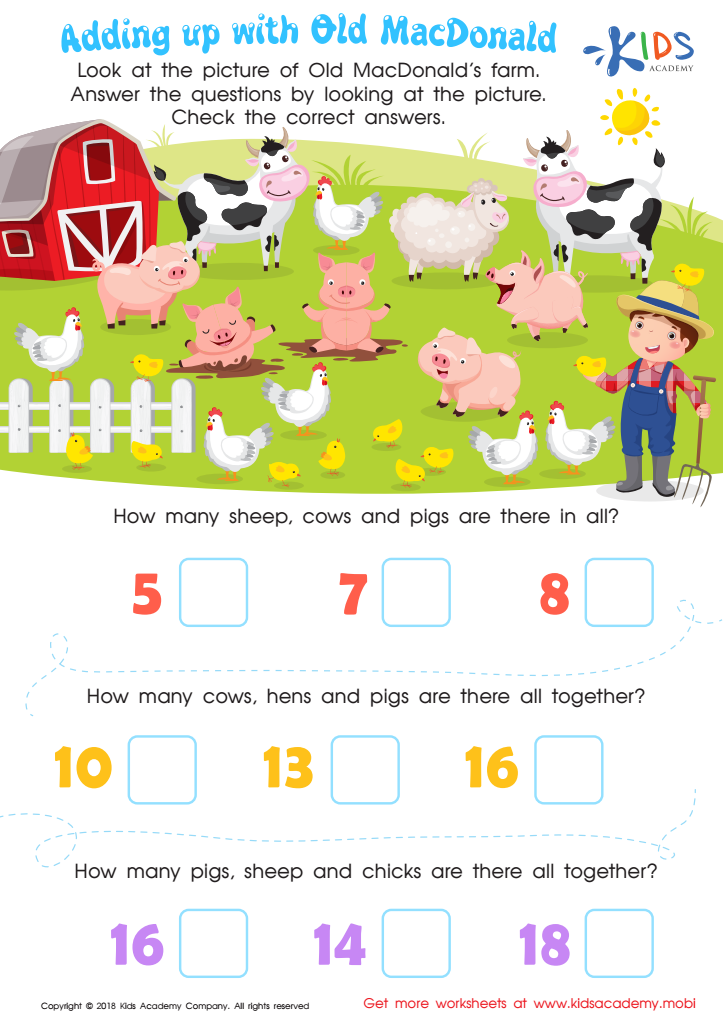
Adding Up with Old MacDonald Worksheet
 Assign to My Students
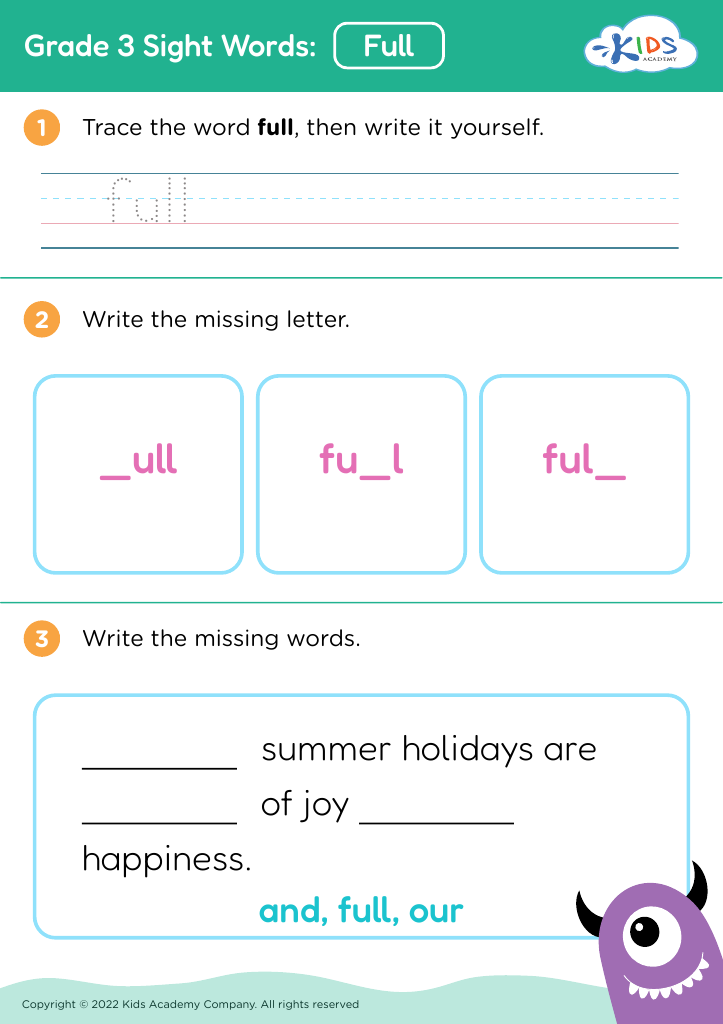
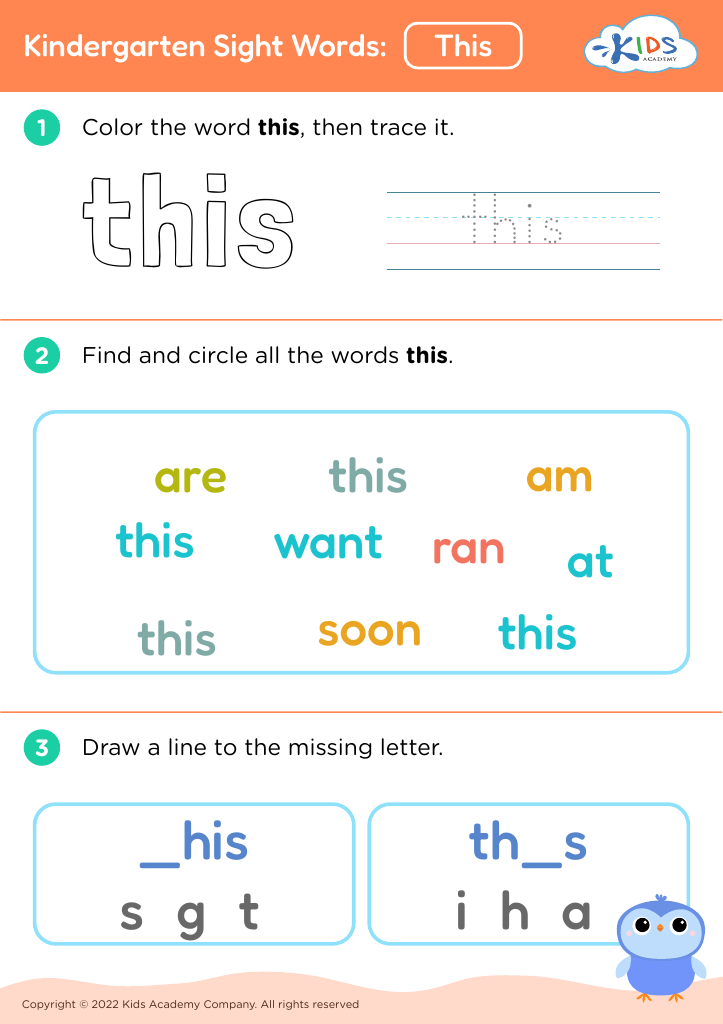






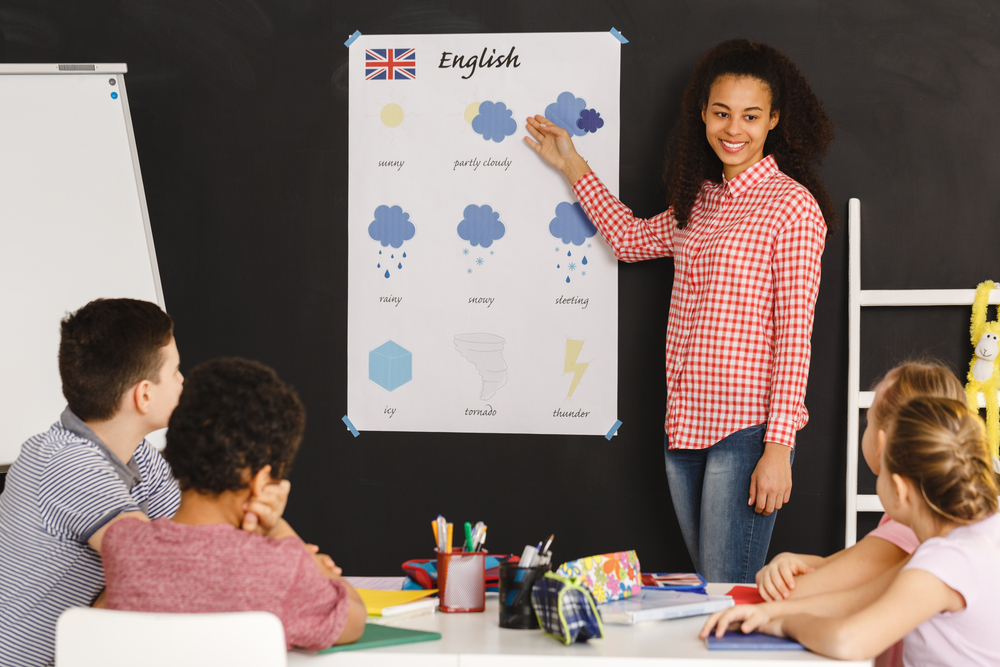

Addition skills and reading abilities are fundamental building blocks in early childhood education and profoundly impact a child’s academic and personal development. For children ages 4-8, mastering basic addition skills lays the groundwork for more advanced mathematical concepts. It encourages problem-solving abilities and logical thinking, which are crucial across various subjects and everyday situations. Early success in math can boost a child’s confidence, paving the way for a more positive attitude toward learning in general.
Reading skills are equally vital, as they form the cornerstone of communication and understanding. Proficient readers are able to follow instructions better, comprehend stories and informational texts, and express their own ideas more effectively. For children in this age bracket, developing reading skills includes not just recognizing words but also understanding narratives, building vocabulary, and fostering a love for books. Reading aloud and practicing comprehension enhance listening skills and attention span, setting the stage for more complex learning experiences.
By nurturing addition and reading skills, parents and teachers ensure that children have a solid intellectual foundation. These capabilities are intertwined; for instance, word problems in math require reading comprehension, and understanding patterns in stories aids mathematical reasoning. Prioritizing these skills equips children with the essential tools to excel in subsequent educational stages and in life.








