Improve vocabulary Reading Worksheets for Ages 4-8
5 filtered results
-
From - To
Enhance your child's vocabulary with our engaging reading worksheets specifically designed for ages 4-8. Our worksheets feature fun activities that make learning new words enjoyable and effective. Tailored to boost language skills, these resources foster a love for reading while building confidence in young learners. Children will explore diverse themes through interactive exercises, helping them to understand and use new vocabulary in context. Perfect for parents and educators, our worksheets support early literacy development, ensuring kids gain essential skills they need for future success. Download our Improve Vocabulary Reading Worksheets today and watch your child thrive in reading!
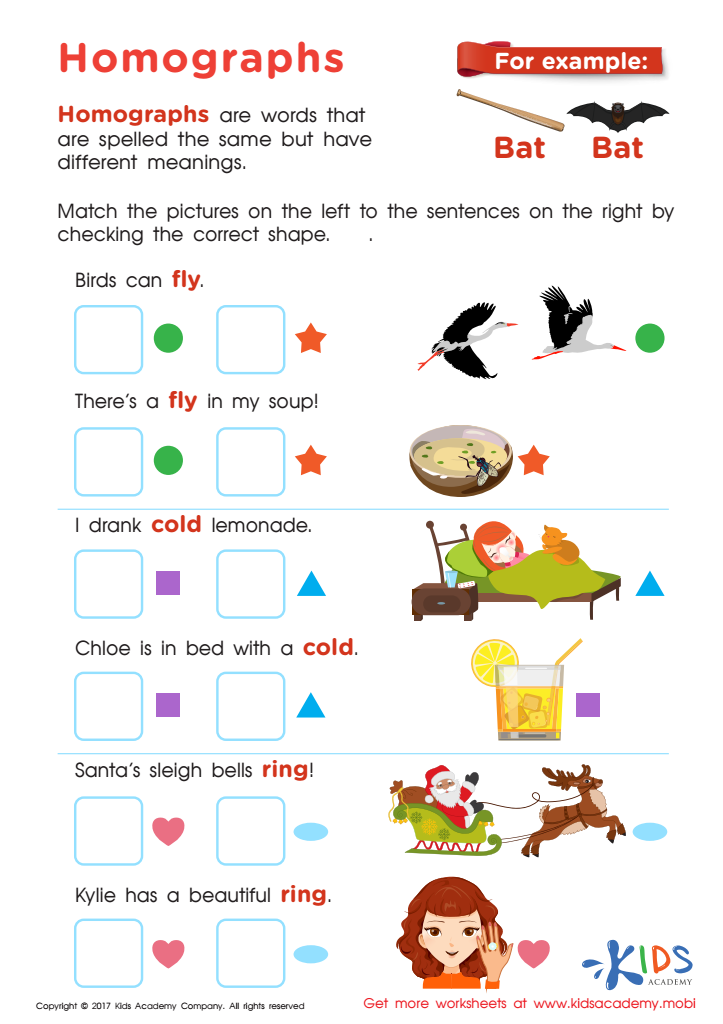
Homographs Free Printable Worksheet
 Assign to My Students
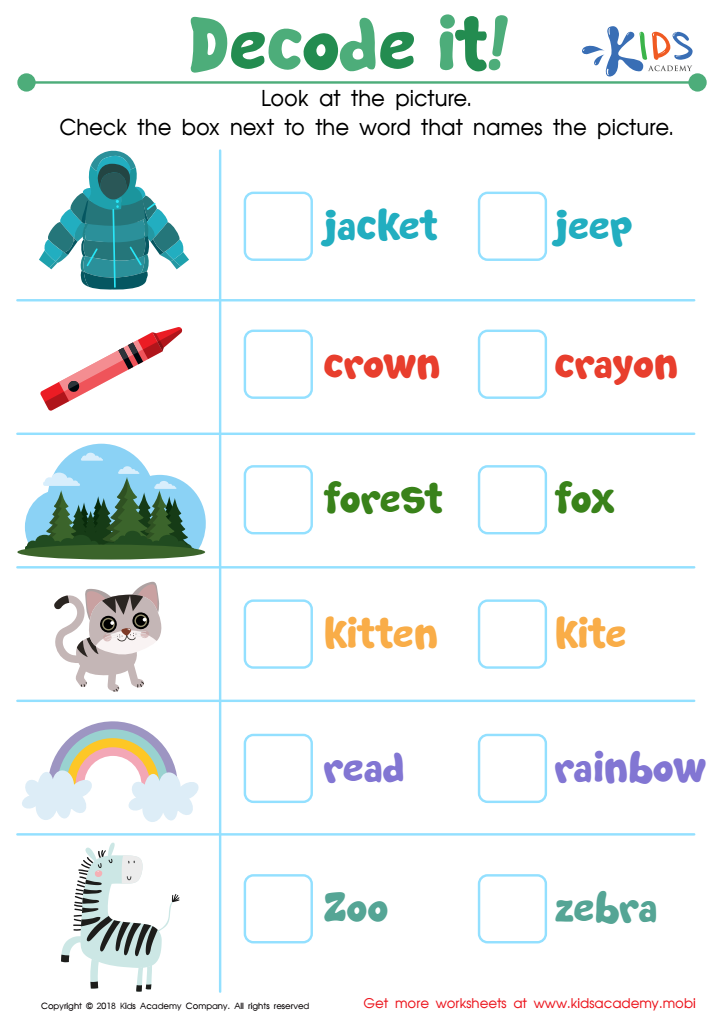
Reading: Decode It Worksheet
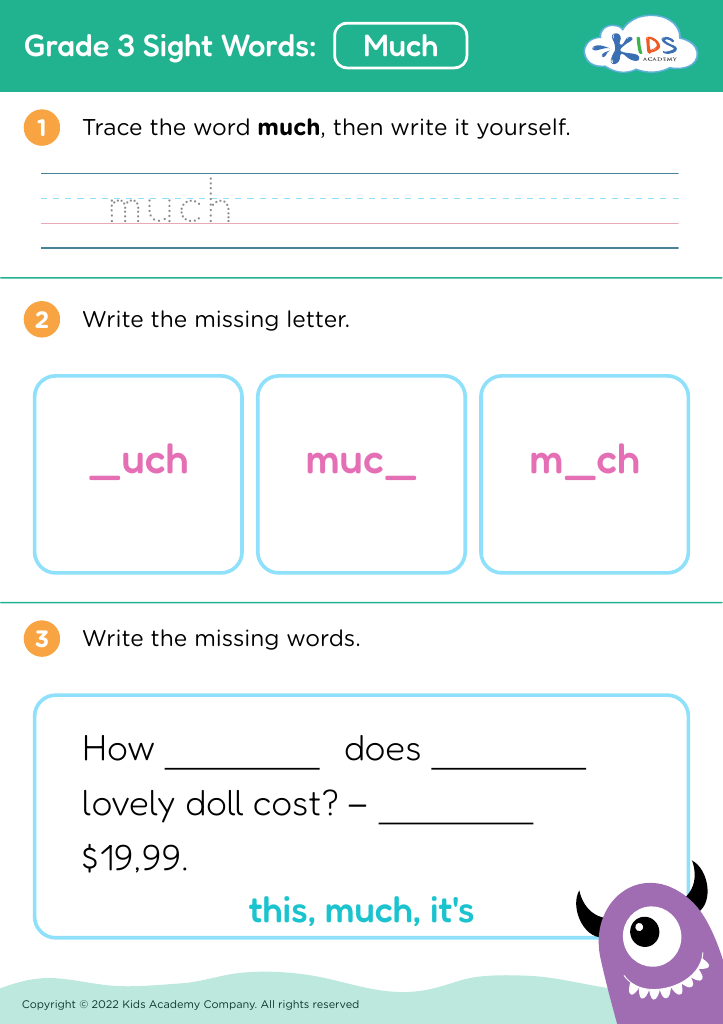
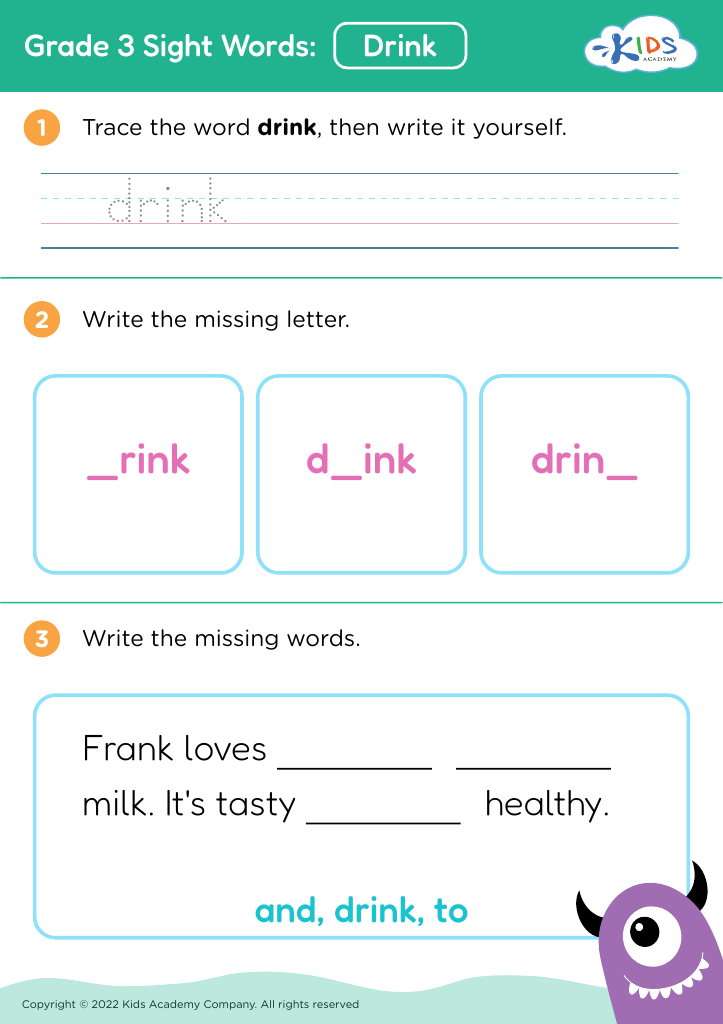
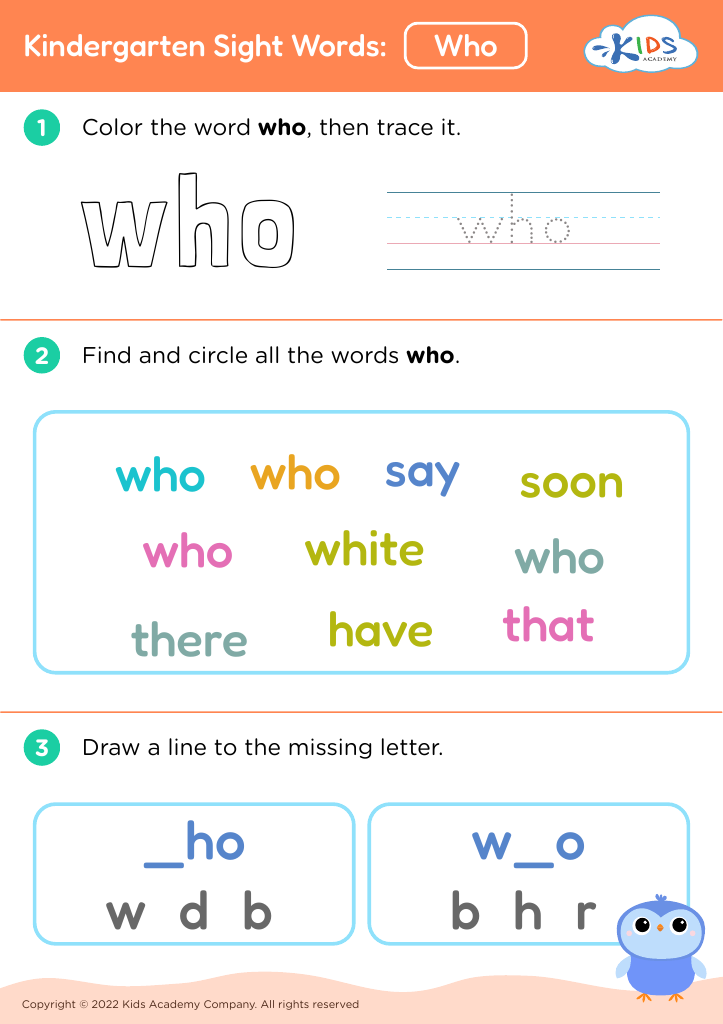







Improving vocabulary and reading skills for children aged 4-8 is vital for their overall development. During these formative years, children are like sponges, absorbing language and concepts at an astonishing rate. A robust vocabulary not only enhances communication skills but also fosters comprehension, enabling children to understand and analyze complex texts as they progress in school.
Parents and teachers play crucial roles in this learning process. By introducing new words within engaging contexts, they help children make connections and retain information. A rich vocabulary directly influences academic success; students with stronger language skills perform better in subjects beyond reading, including math and science. Furthermore, vocabulary development is linked to social-emotional learning; children who can articulate their thoughts and feelings are better equipped to form relationships and navigate social situations.
Creating a stimulating reading environment, filled with diverse books and interactive storytelling, can ignite a passion for reading. Encouraging regular reading and vocabulary-building activities helps children develop lifelong habits that contribute to their success in school and life. Hence, investing time and resources in vocabulary improvement for young readers is crucial for setting a strong foundation for future learning and achievement.








