Sequencing Skills Reading Fiction Worksheets for Ages 4-8
5 filtered results
-
From - To
Unlock your child's reading potential with our Sequencing Skills Reading Fiction Worksheets designed for ages 4-8! These engaging worksheets help young learners develop essential sequencing skills through playful narratives and interactive activities. By reading stories and organizing events in the correct order, children enhance comprehension and retention while having fun. Our carefully crafted exercises cater to diverse learning styles, making it easy for educators and parents to reinforce these vital skills at home or in the classroom. Start your child's journey to confident reading with our vibrant, educational worksheets that inspire imagination and critical thinking! Explore our collection today!
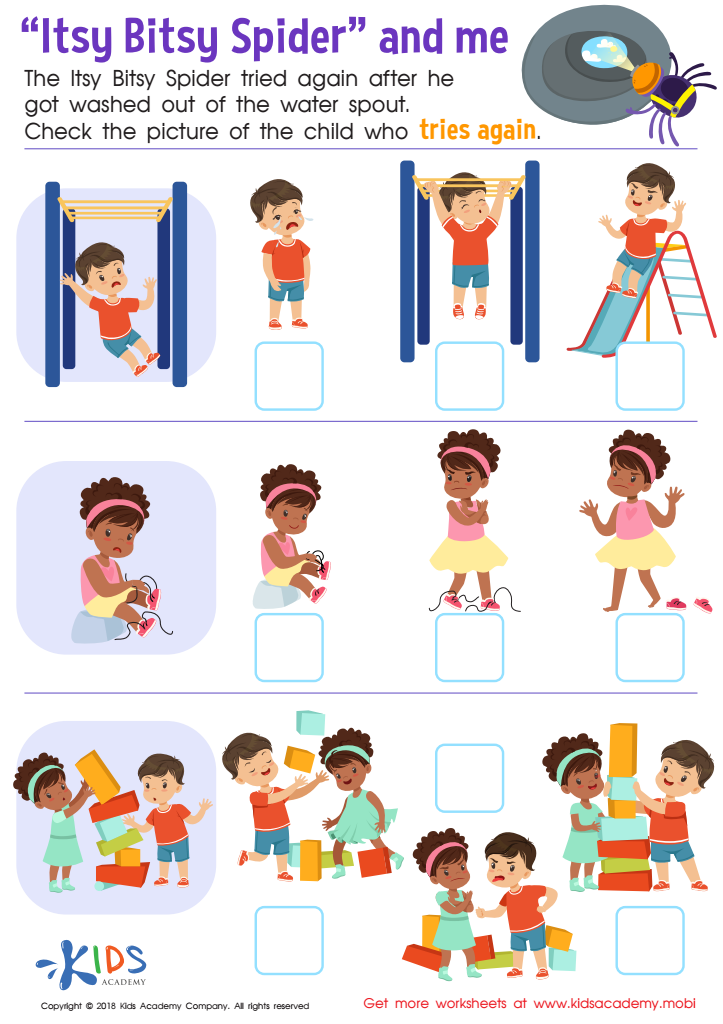
Itsy Bitsy Spider and Me Worksheet
 Assign to My Students
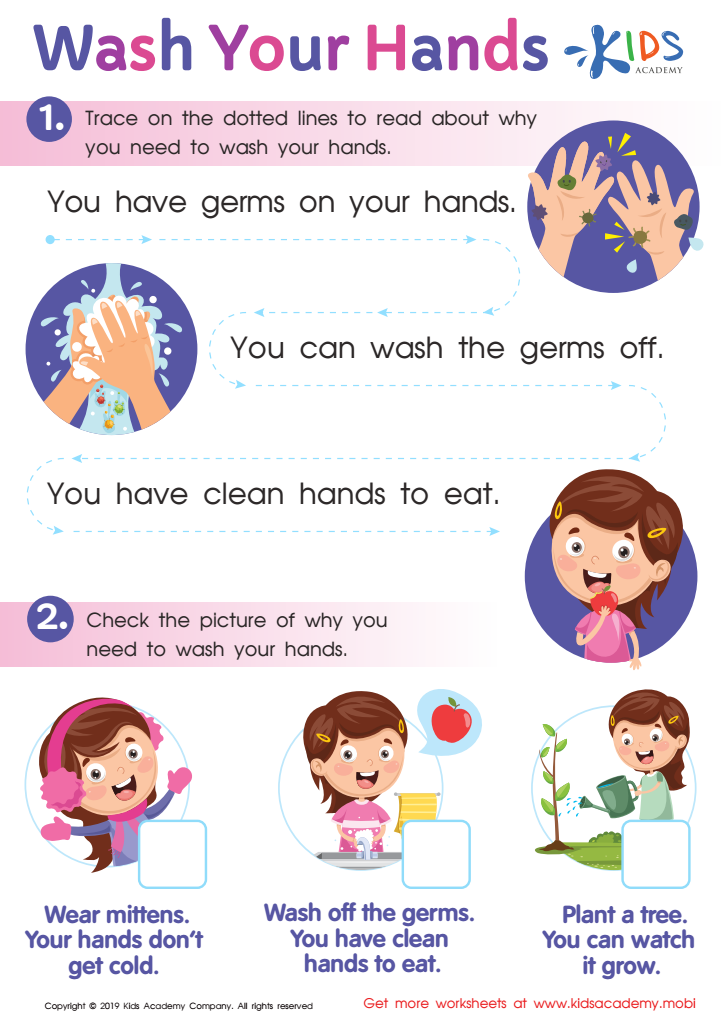
Wash Your Hands Worksheet
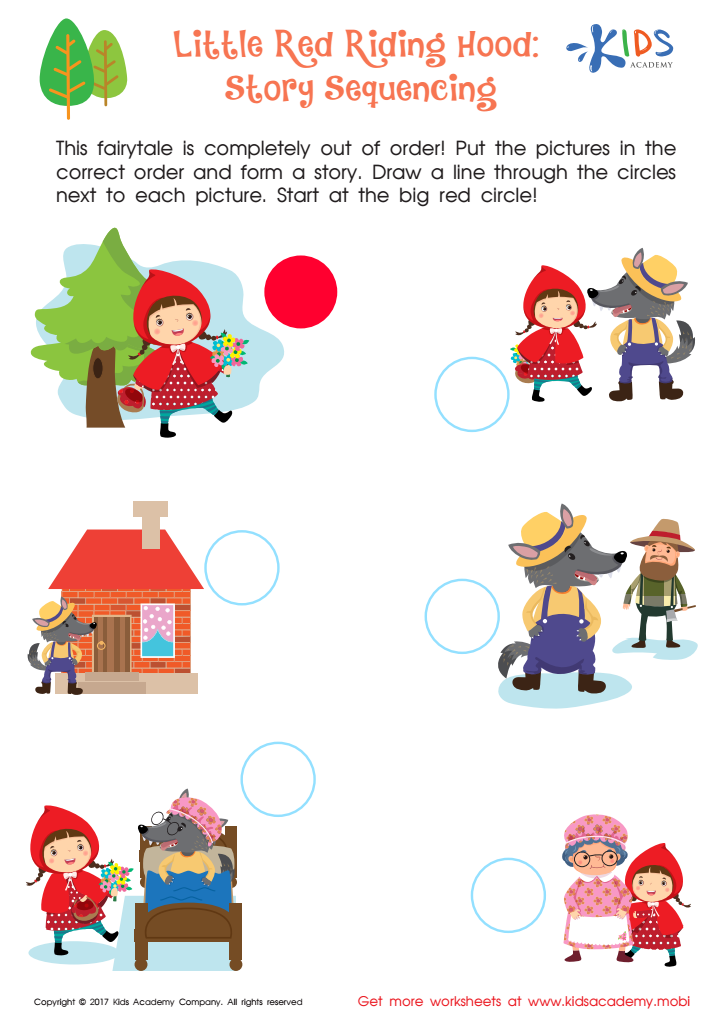
Story Sequencing Printable
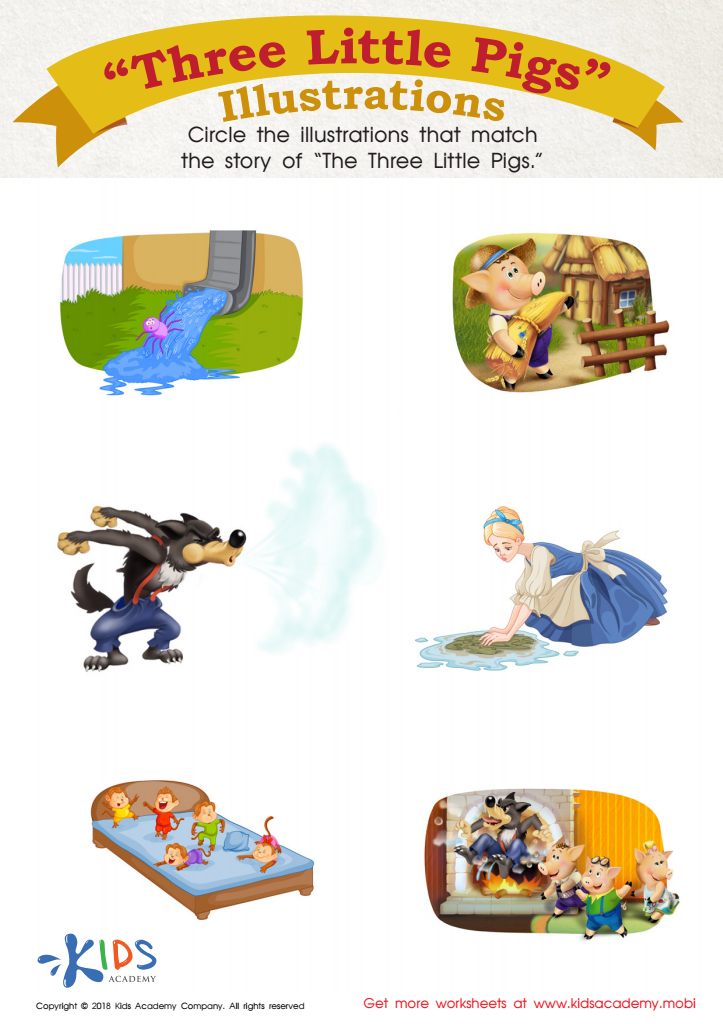
Three Little Pigs: Illustrations Worksheet
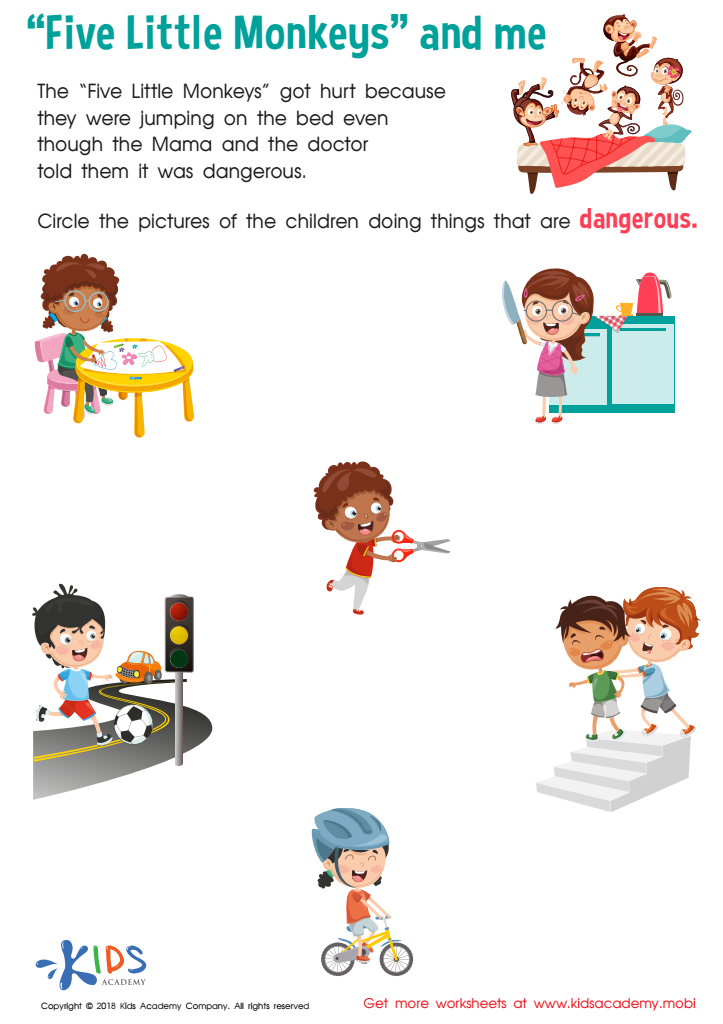
Five Little Monkeys and Me Worksheet





.jpg)

Sequencing skills are crucial for children aged 4-8 as they lay the foundation for reading comprehension and overall literacy development. When children learn to identify the order of events in a story, they enhance their understanding of narrative structure, which is important for both reading and writing.
For parents and teachers, promoting sequencing skills in reading fiction is essential because it encourages critical thinking. As children recall and organize events from a story, they develop the ability to analyze plots and character motivations. This skill not only aids in grasping the narrative but also fosters creativity as children begin to imagine alternative outcomes or endings.
Additionally, sequencing helps children improve their memory, attention span, and verbal skills, making it a valuable component of early learning. Through engaging activities such as retelling stories, creating story maps, or using graphic organizers, children can actively participate in their learning process, cementing their understanding.
Furthermore, readers who can sequence stories accurately often report increased enjoyment and satisfaction from literature, nurturing a lifelong love for reading. By prioritizing sequencing skills, parents and teachers equip children with essential tools for academic success and effective communication, both vital in today’s world.








