Understanding context Reading Fiction Worksheets for Ages 4-8
5 filtered results
-
From - To
Enhance your child's reading skills with our "Understanding Context Reading Fiction Worksheets" designed for ages 4-8. These engaging worksheets help young learners improve their comprehension by teaching them to identify context clues in stories. Children will explore playful narratives, answering questions and making predictions that deepen their understanding of text meaning. The worksheets promote critical thinking and language development while ensuring children have fun as they read. Perfect for classroom or home use, our resources align with early literacy standards, fostering a love for reading and enhancing confidence in young readers. Visit our site to download and get started today!
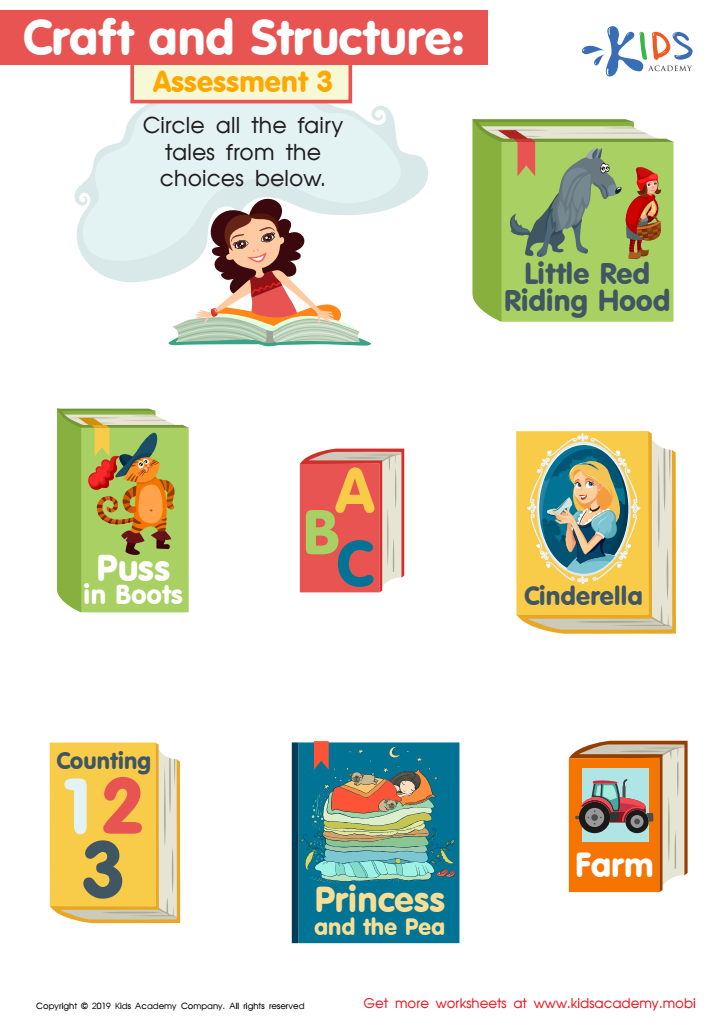
Craft and Structure: Assessment 3 Worksheet
 Assign to My Students
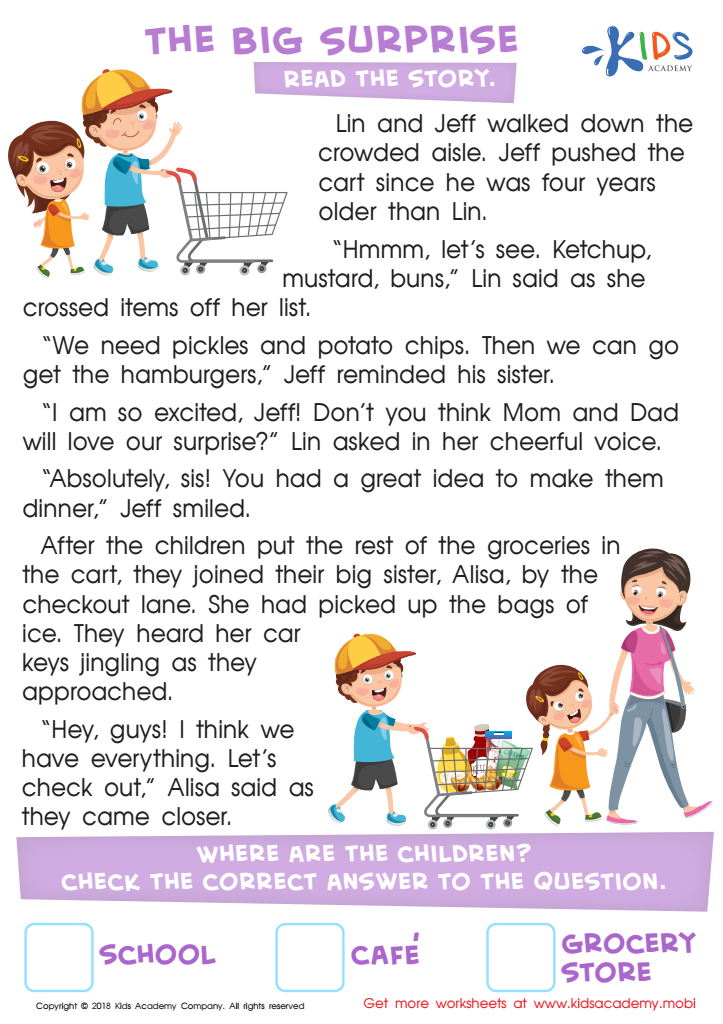
The Big Surprise Worksheet
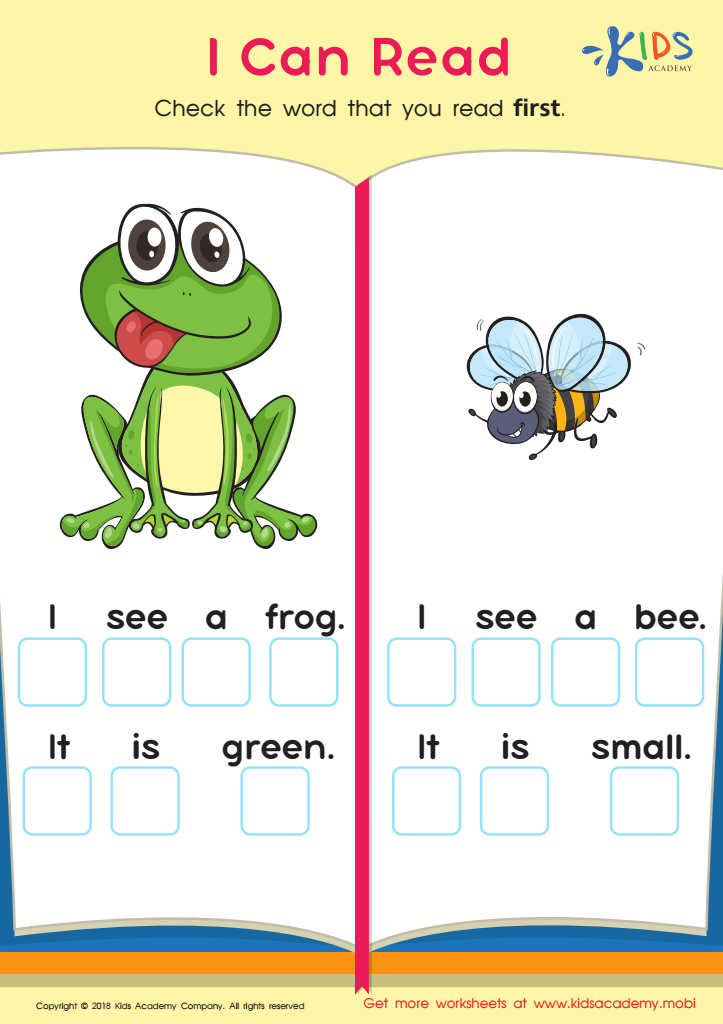
I Can Read Worksheet
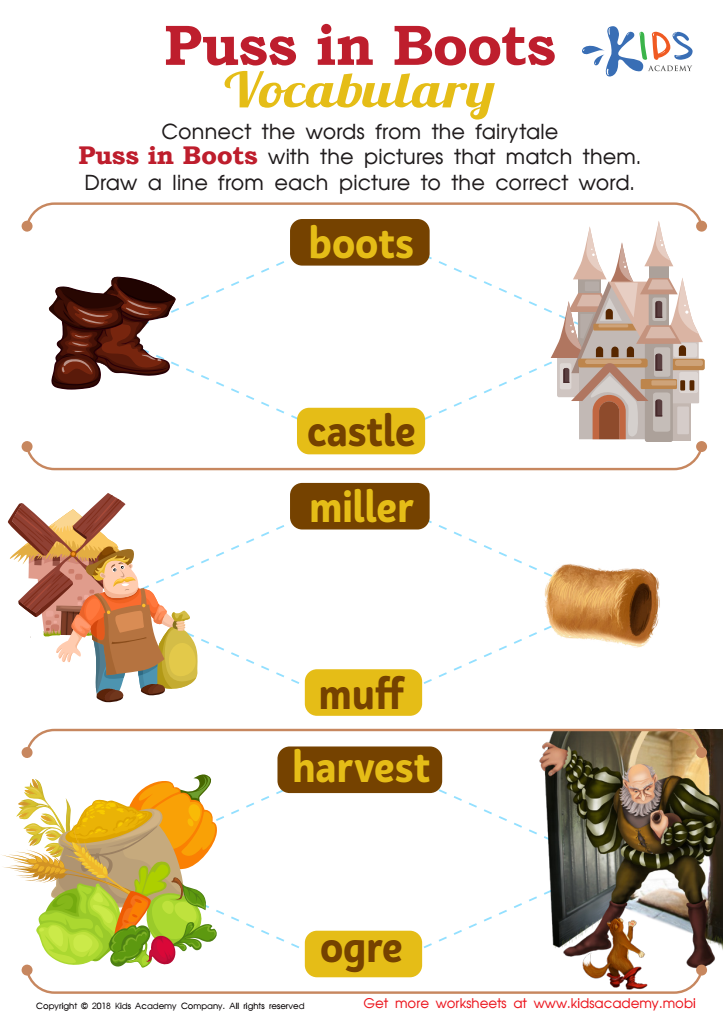
Puss in Boots Vocabulary Worksheet
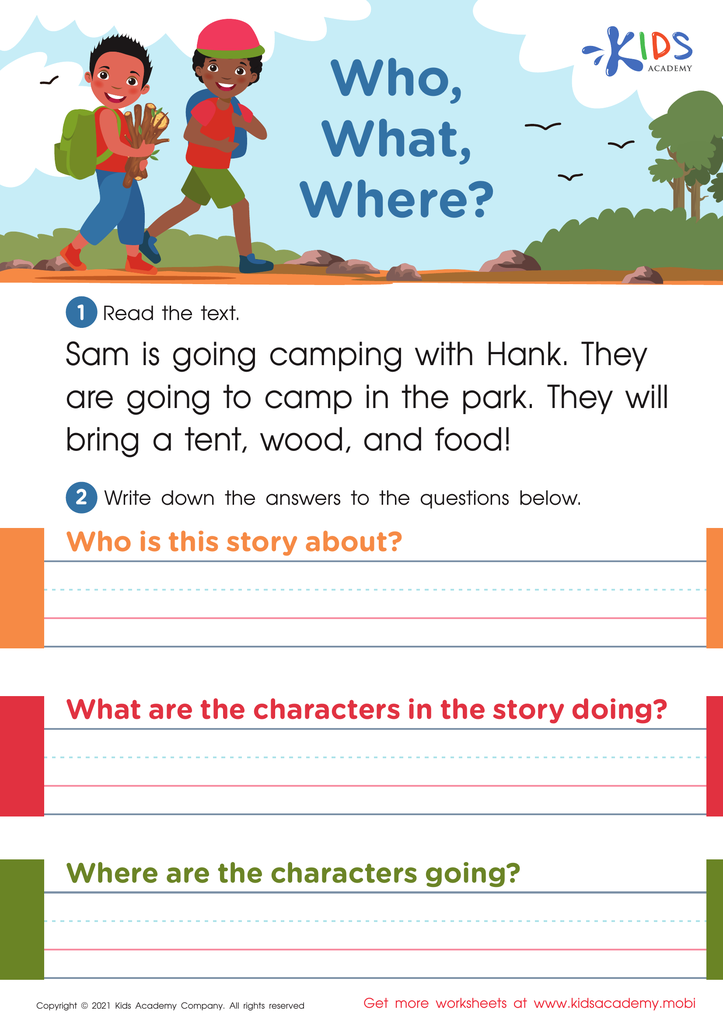
Who, What, Where? Worksheet



.jpg)



Understanding context in reading fiction is crucial for children aged 4-8 as it enhances comprehension and engagement. During these formative years, children develop foundational literacy skills, and contextual understanding plays a vital role in that process. When parents and teachers emphasize the importance of context, they help children make connections between characters, settings, plots, and their own experiences, fostering deeper understanding.
Context helps children grasp the emotional nuances and motivations within a story, making reading more relatable and enjoyable. This skill not only supports vocabulary development but also nurtures critical thinking and analytical abilities. For instance, discussing the circumstances and background of a story can boost a child's ability to infer meaning, predict outcomes, and empathize with characters.
Furthermore, engaging in discussions about context encourages active participation in reading, transforming it from a passive activity into an interactive learning experience. This collaborative approach nurtures a love for storytelling and promotes creative thinking.
In short, understanding context equips children with essential tools for effective reading and communication, preparing them for future academic challenges while enriching their personal experiences with literature. Parents and teachers, therefore, play a vital role in fostering this fundamental competency.








