Shape Recognition Rhyming Words Worksheets for Ages 4-8
3 filtered results
-
From - To
Discover our "Shape Recognition Rhyming Words Worksheets for Ages 4-8" at Kids Academy! These engaging, educational printables blend fun rhyming activities with essential shape recognition practice, perfect for youngsters. Thoughtfully designed to support early learners, our worksheets help kids enhance their phonemic awareness and visual perception skills through playful exercises. Children will delight in recognizing shapes and matching themed rhyming words, making learning enjoyable and effective. Our easy-to-print activities are ideal for home or classroom use, providing a valuable tool for teachers and parents to foster foundational reading and math skills. Explore more and boost your child’s learning journey today!
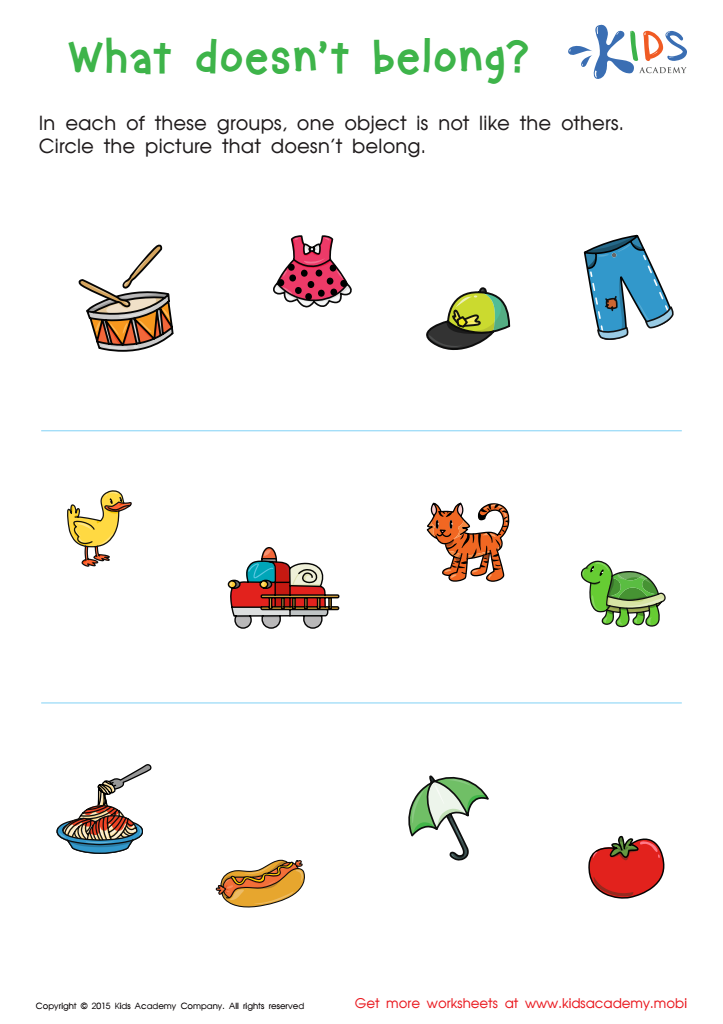
First Words: What Doesn't Belong Worksheet
 Assign to My Students
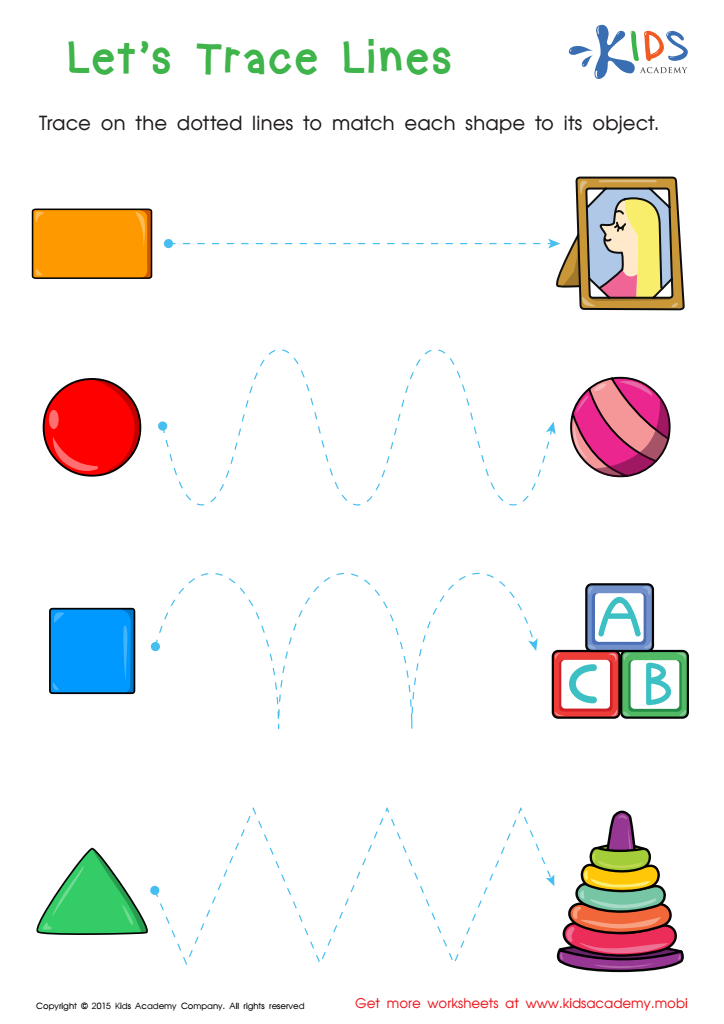
First Words: Let's Trace Lines Worksheet
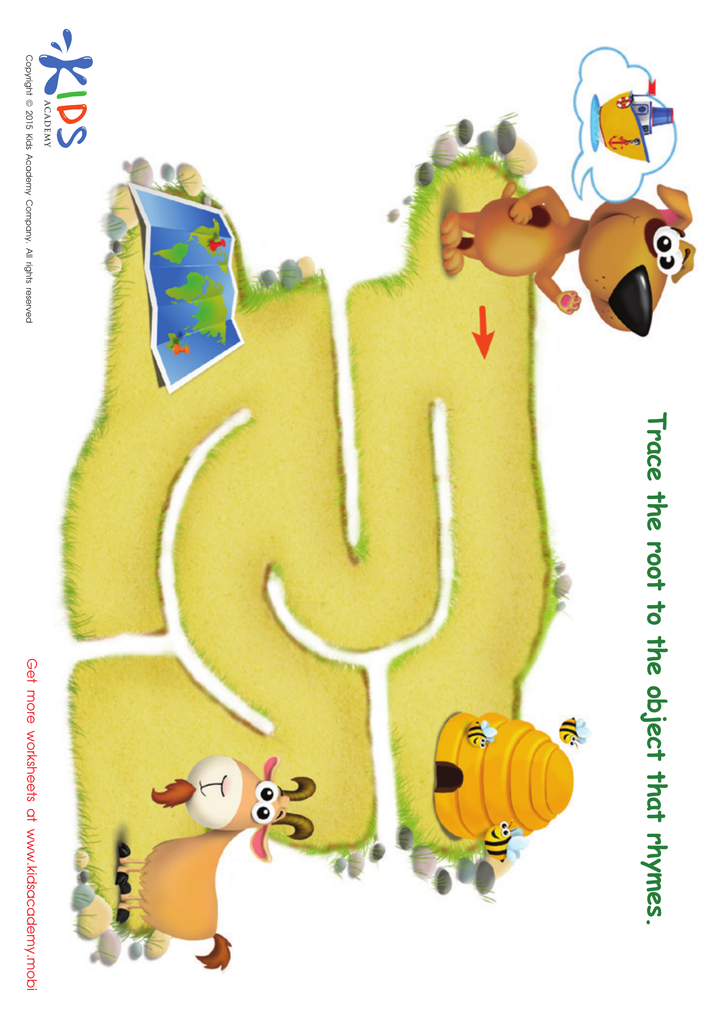
Boat Rhyming Words Worksheet




.jpg)


Shape recognition and rhyming words are fundamental early learning concepts that play a critical role in the cognitive development of children aged 4-8. Shape recognition enhances spatial awareness, geometry understanding, and problem-solving skills. By learning to identify and differentiate between shapes such as circles, squares, and triangles, children build the foundation for more complex mathematical concepts they'll encounter later.
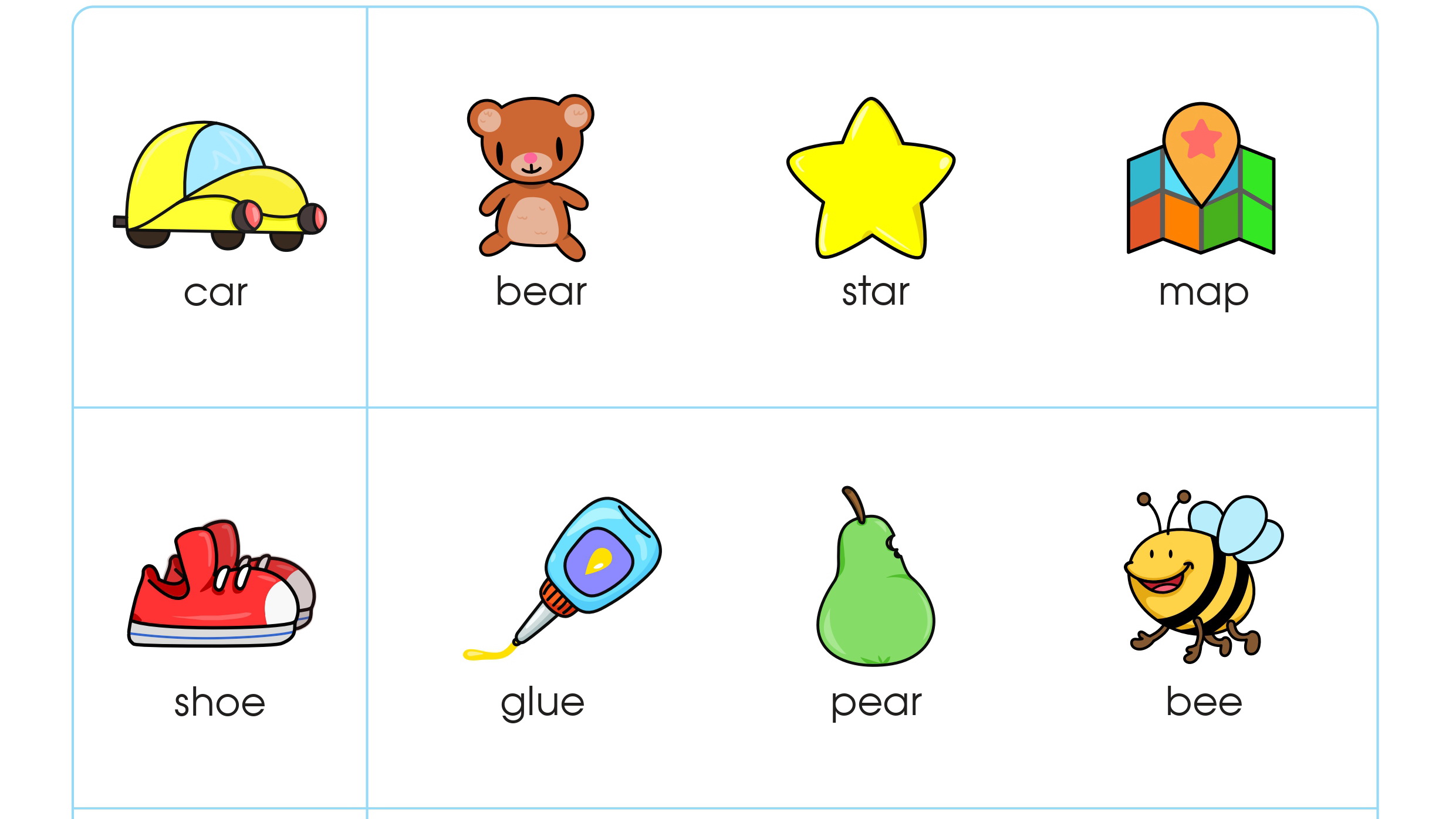
On the other hand, rhyming words contribute significantly to language development. Rhyming teaches children about the auditory patterns in words, improves their phonemic awareness, and aids in spelling and reading skills. When children recognize patterns in words, they become more adept at decoding unfamiliar words, which bolsters their reading fluency and comprehension.
For parents and teachers, integrating shape recognition and rhyming activities into daily routines can make learning engaging and fun. Activities such as sorting objects by shape or playing rhyming games can give children a head start in both math and literacy. Moreover, combining these skills can foster creativity; for example, creating artwork involving shapes while discussing rhyming words can make learning multidimensional. Therefore, focusing on these areas helps children develop a well-rounded skill set essential for academic success and lifelong learning.








