Fine Motor Skills Sight Words Worksheets for Ages 4-8
11 filtered results
-
From - To
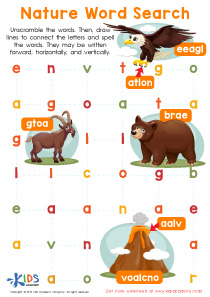
Our "Fine Motor Skills Sight Words Worksheets" are expertly designed for children aged 4-8. These engaging, print-and-go resources seamlessly incorporate sight word practice with activities that enhance fine motor skills. Each sheet promotes reading fluency, hand-eye coordination, and grip strength through tracing, cutting, and matching exercises. Perfect for classroom or at-home learning, they make foundational literacy and motor development fun and effective. Ideal for young learners, our worksheets ensure kids not only read but also engage their hands, fostering a comprehensive approach to early childhood education. Unlock reading success and motor dexterity effortlessly!
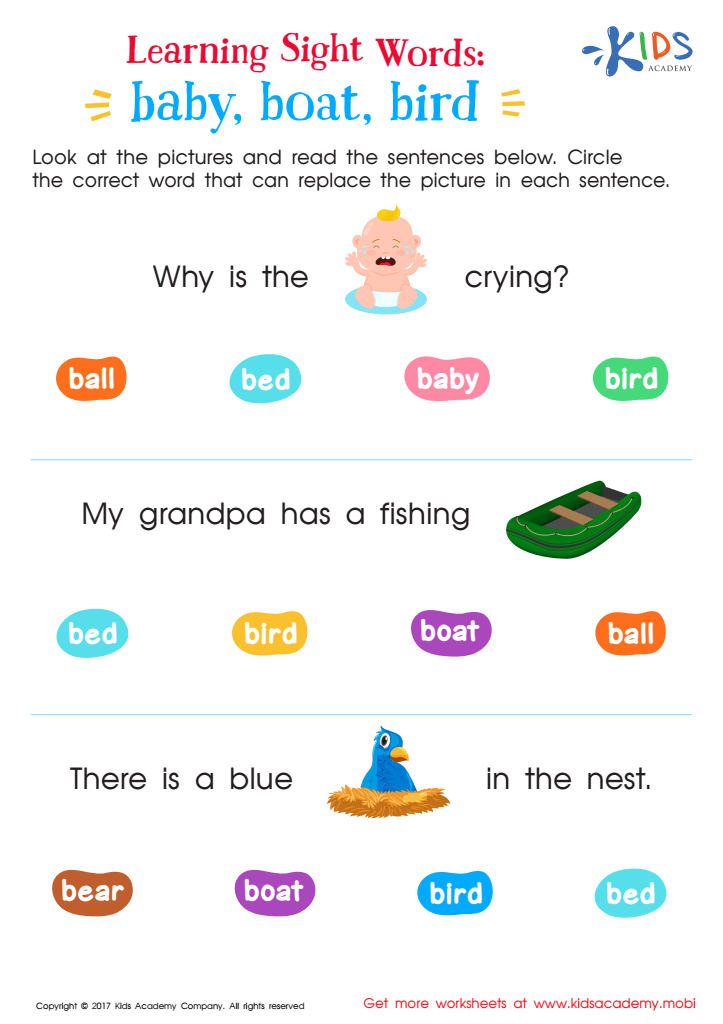
Baby, Boat, Bird Worksheet Sight Words Worksheet
 Assign to My Students









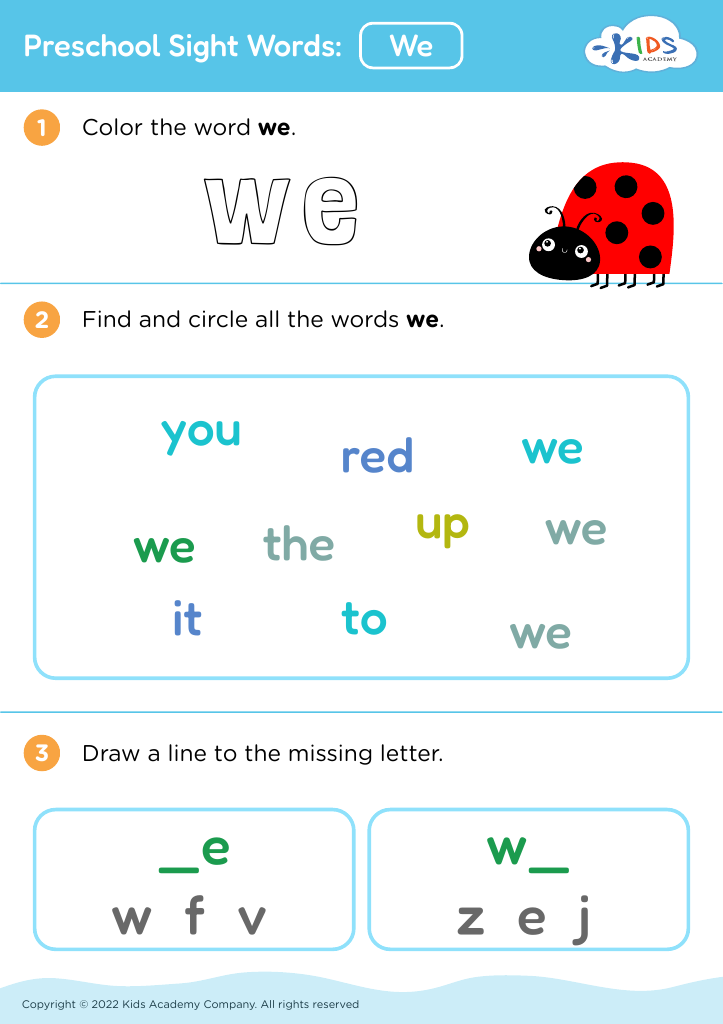
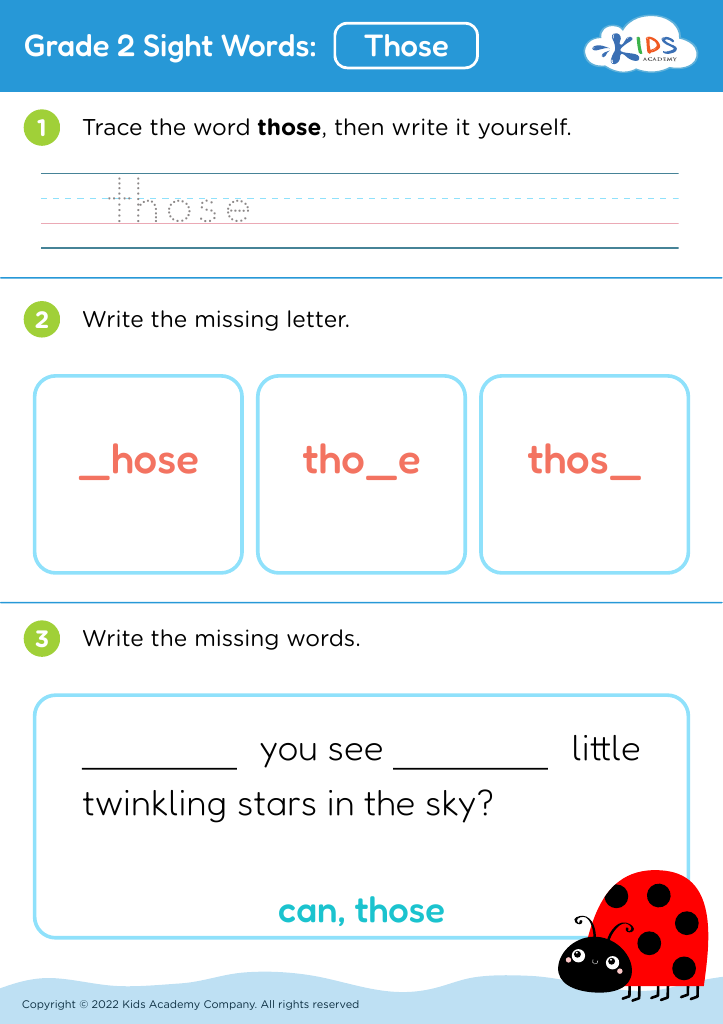
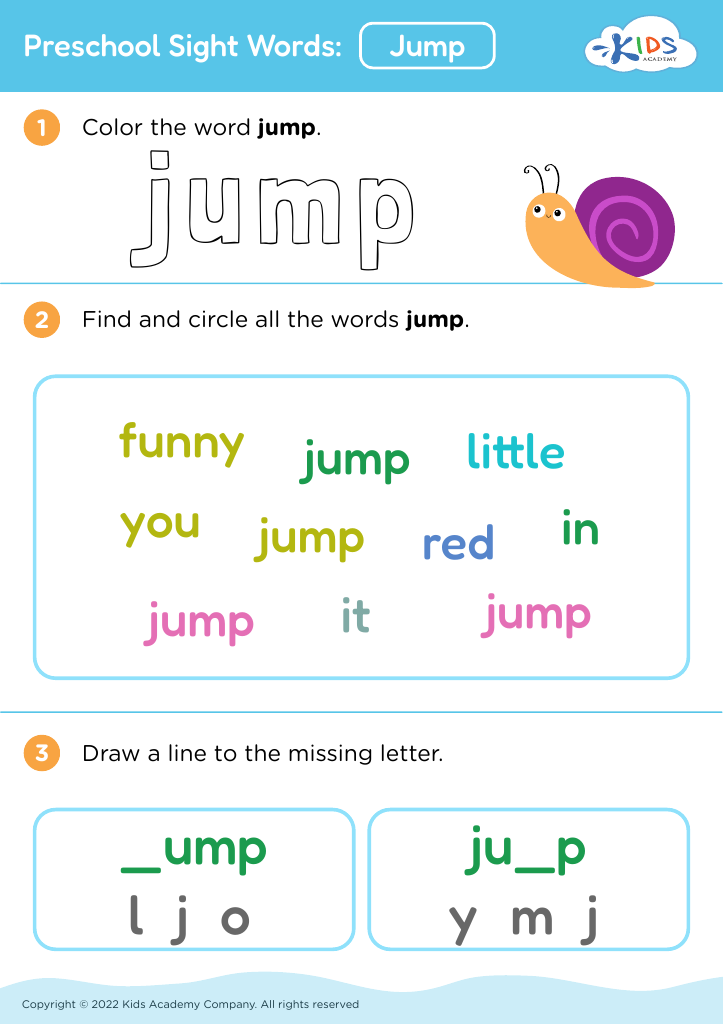
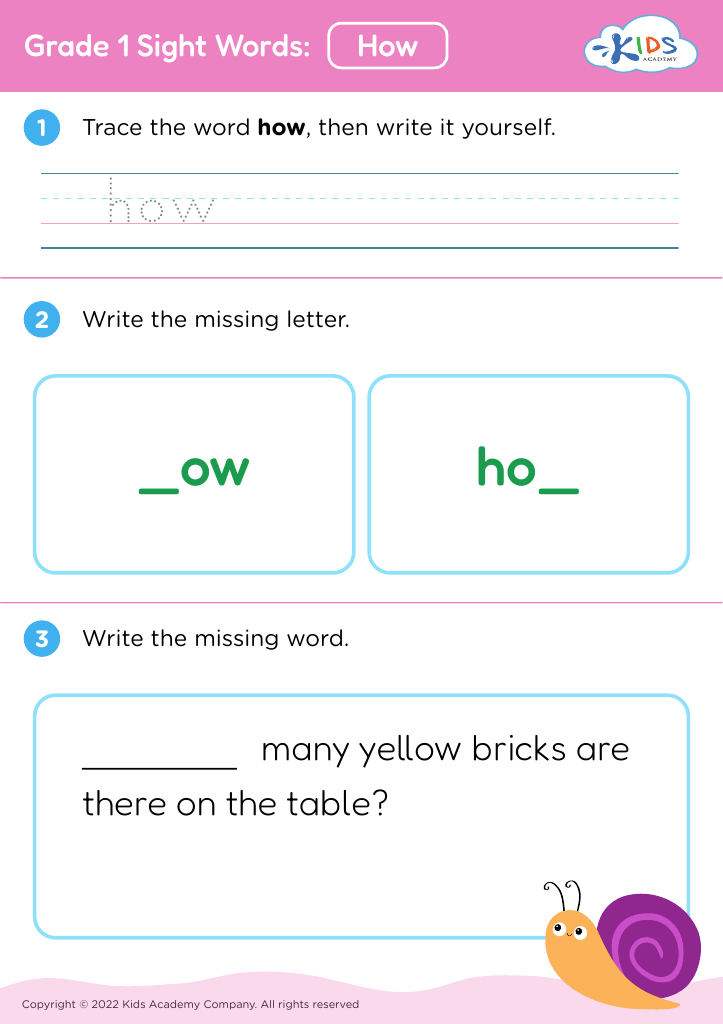
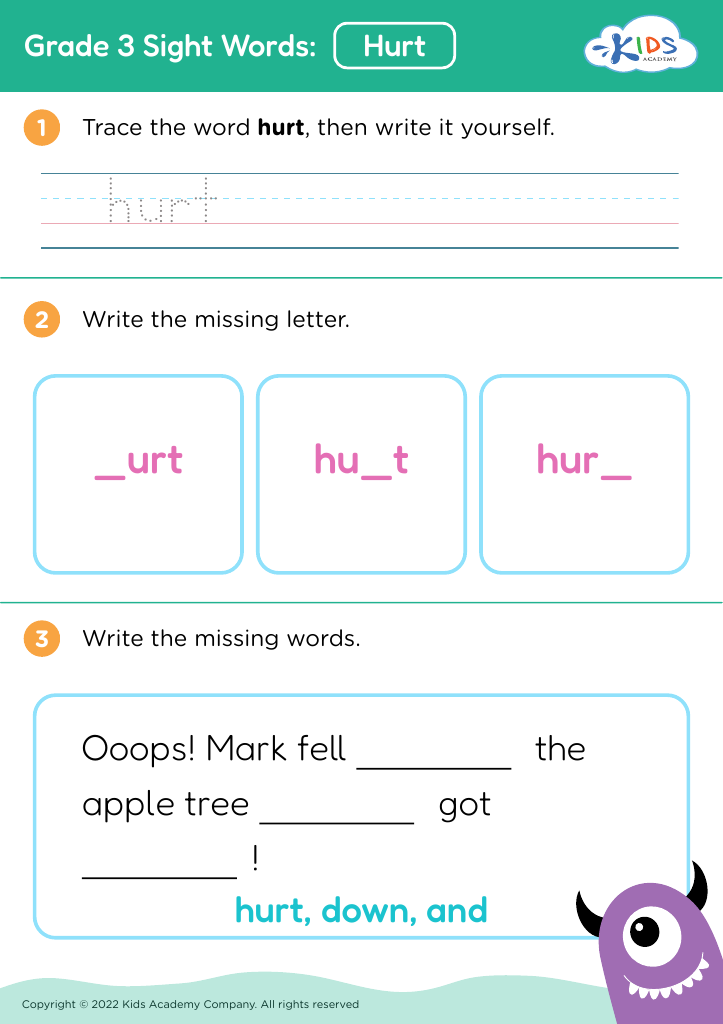
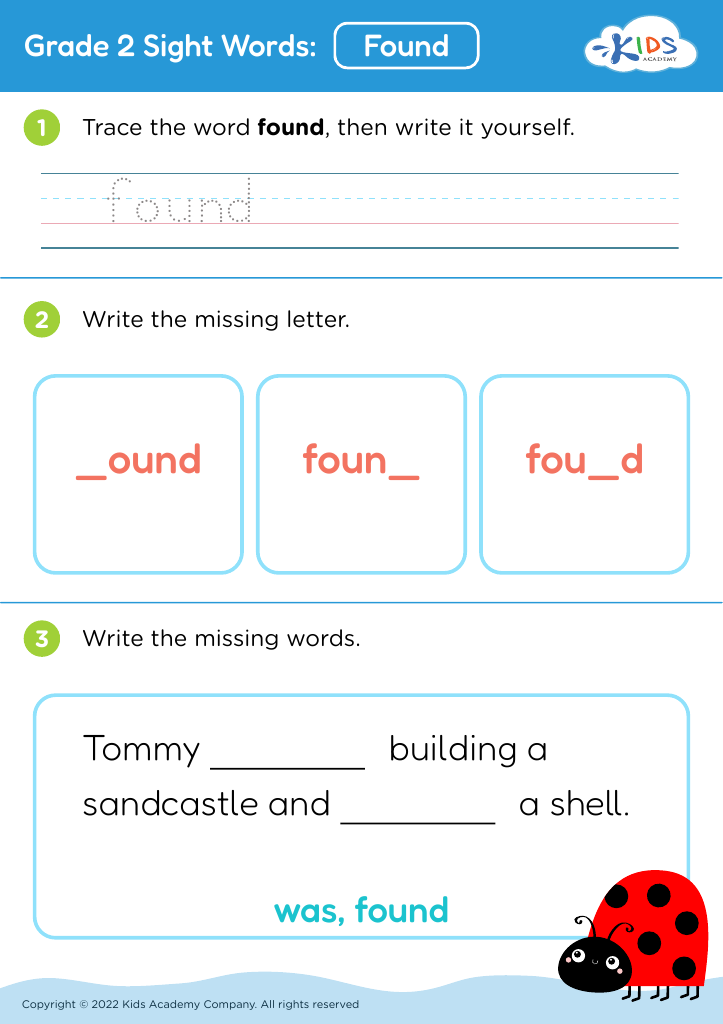
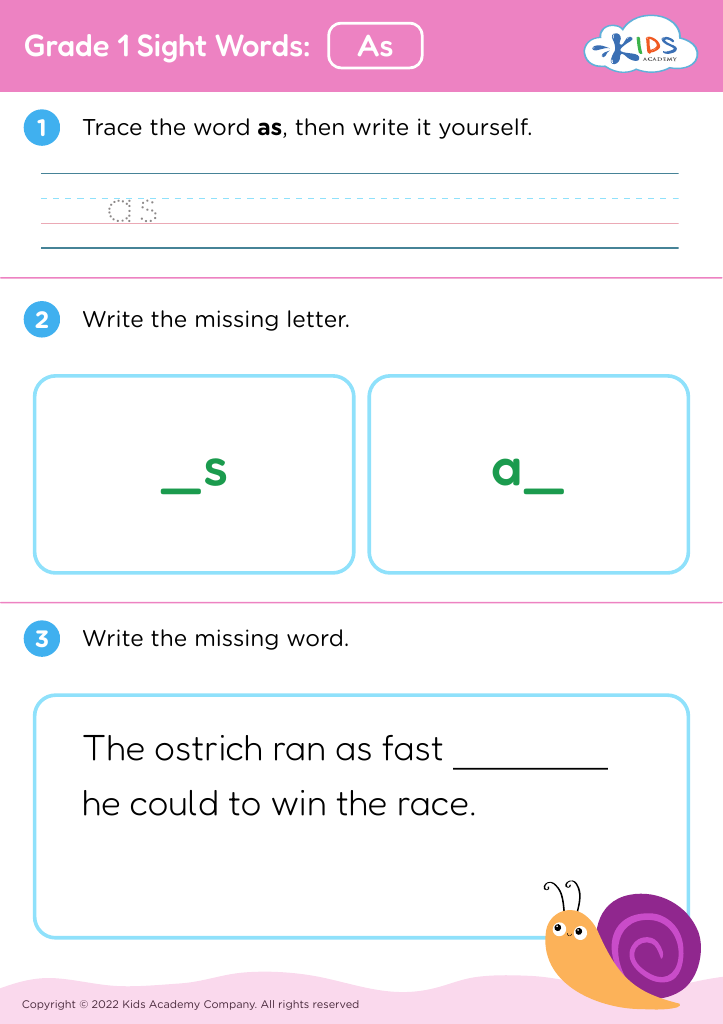
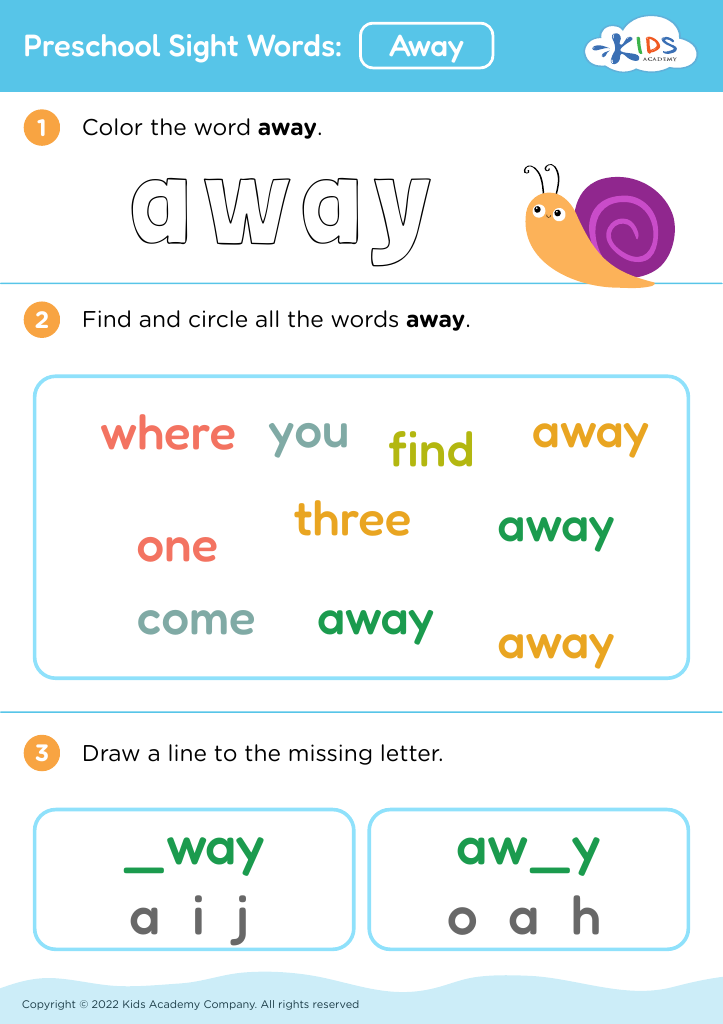
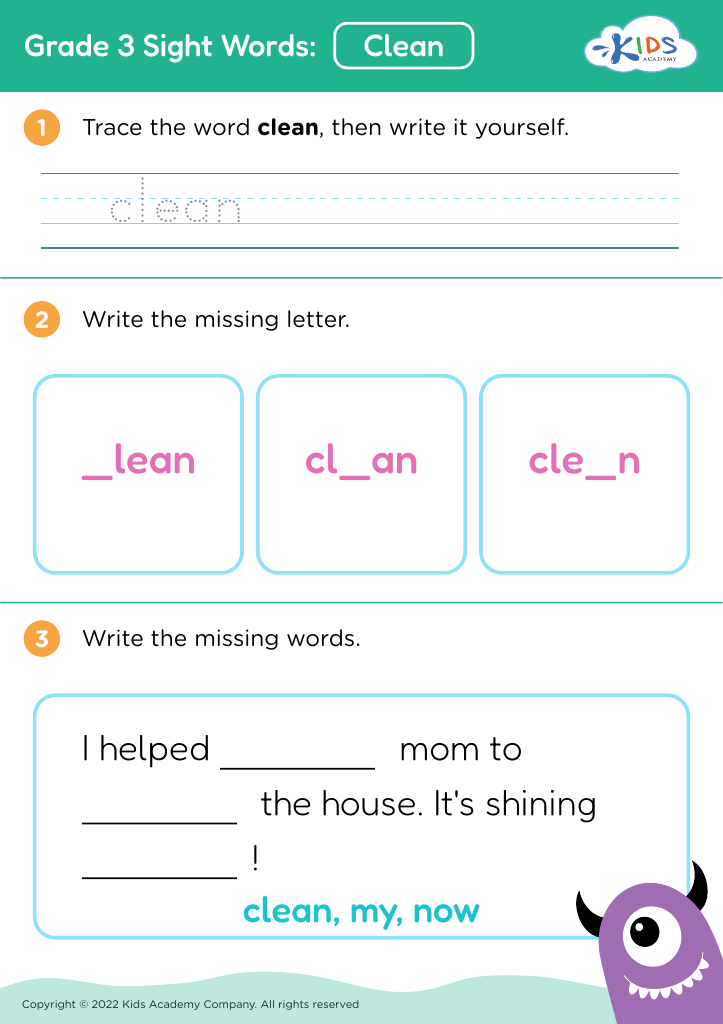
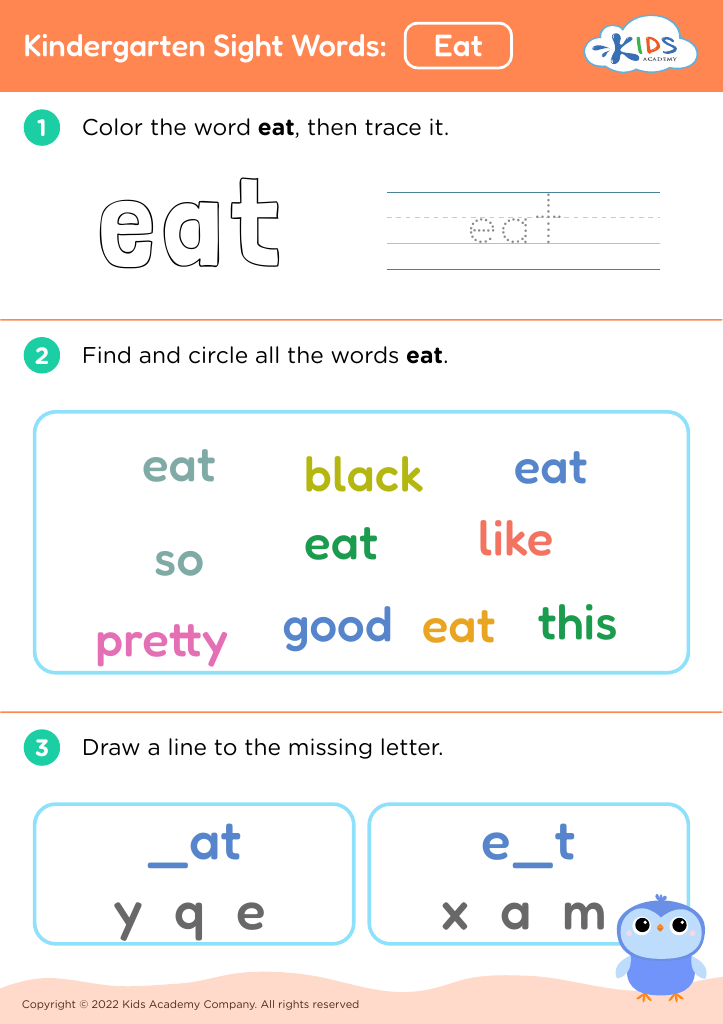








Fine motor skills and sight words are integral components in the early development of children aged 4-8. Parents and teachers should prioritize these areas of development, as they have profound impacts on a child's educational journey and overall growth.
Fine motor skills involve the coordination of small muscles in the hands and fingers, crucial for tasks such as writing, buttoning clothes, and cutting with scissors. Developing these skills at an early age enhances a child's ability to perform daily activities independently and lays the foundation for more complex motor tasks in the future. Activities that promote fine motor skills also improve hand-eye coordination and bolster cognitive development through task-oriented play and learning.
Sight words, on the other hand, are commonly used words that children are encouraged to recognize without having to decode them phonetically. This proficiency affords young learners the ability to read more fluidly and with greater confidence. Mastery of sight words improves reading speed and comprehension, essential skills for future academic success. Early literacy is linked to broader outcomes, including better communication abilities, increased academic achievement, and positive self-esteem.
In summary, focusing on fine motor skills and sight words supports the child's overall development and equips them with vital tools for continued academic and life success. Investing time and resources in these areas fosters an environment where children can thrive both educationally and personally.