Subtraction practice Sight Words Worksheets for Ages 4-8
4 filtered results
Difficulty Level
Grade
Age
-
From - To
Subject
Activity
Standards
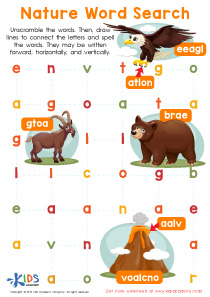
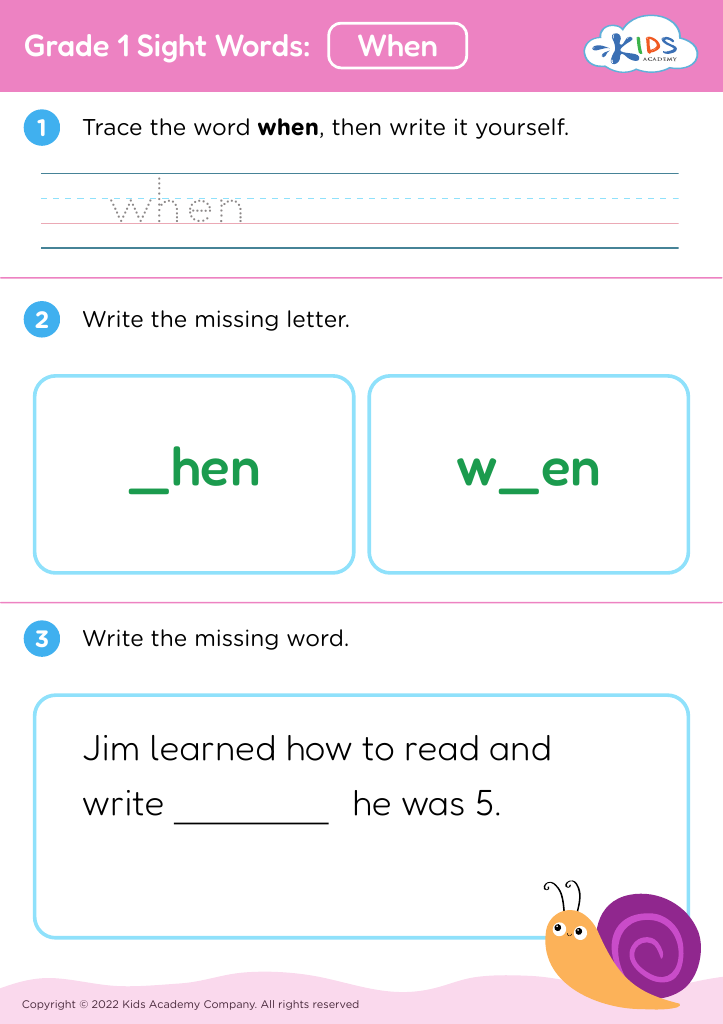
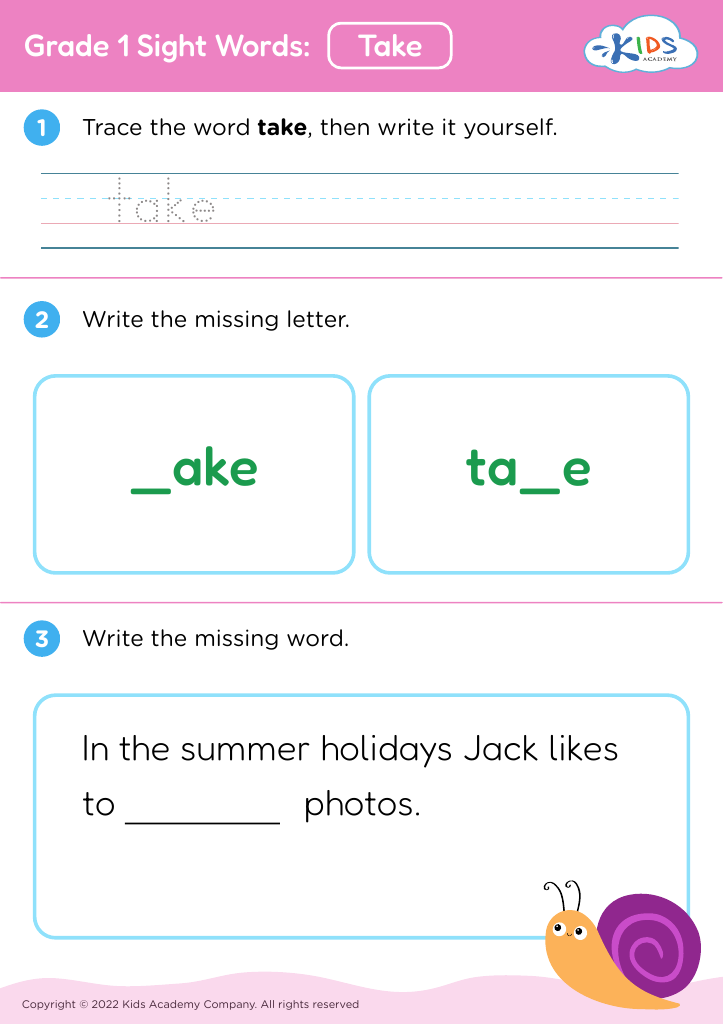
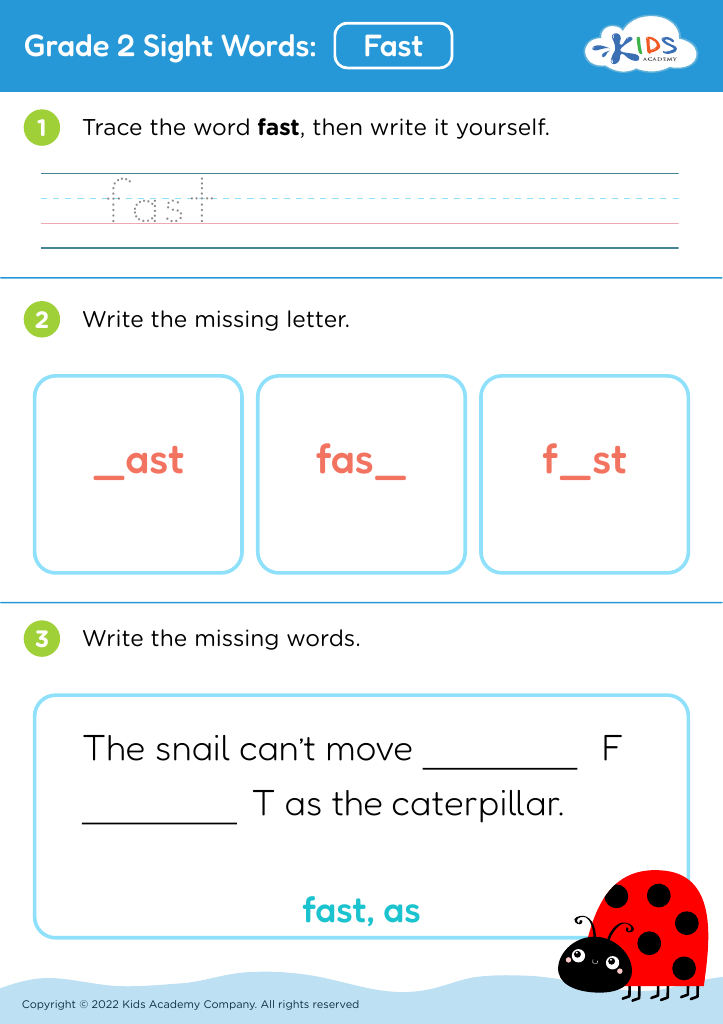
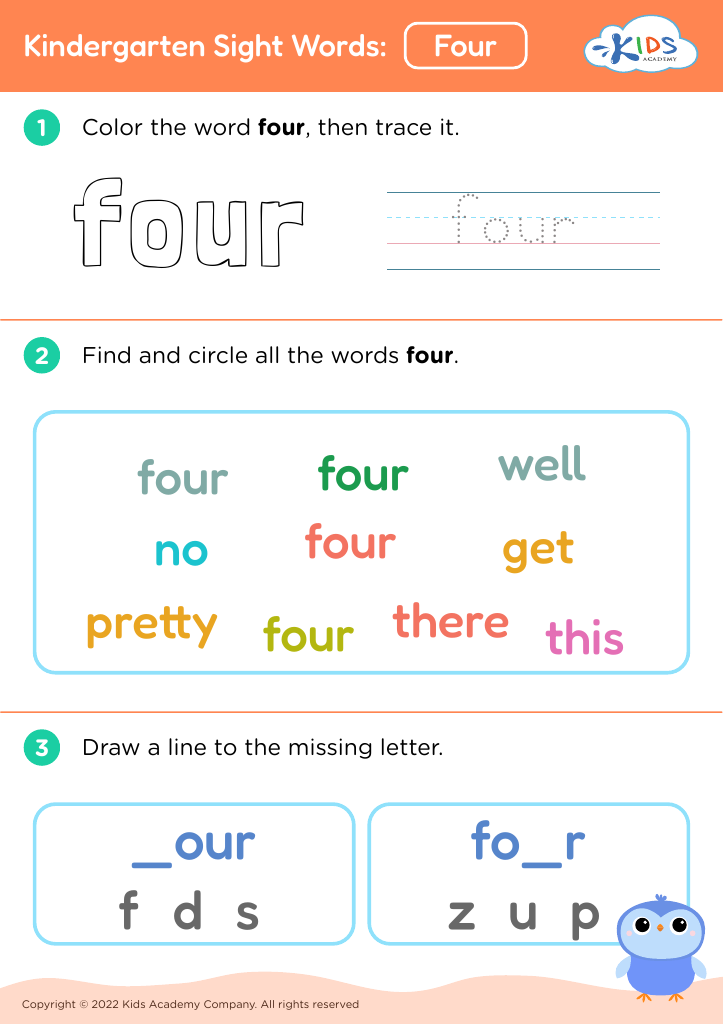
Enhance your child's literacy and math skills with our Subtraction Practice Sight Words Worksheets designed for ages 4-8! These engaging and educational resources combine sight word recognition with subtraction exercises, making learning fun and interactive. Our worksheets not only help kids identify essential sight words but also reinforce their understanding of basic subtraction concepts. With colorful illustrations and age-appropriate challenges, your little ones will be motivated to practice independently. Perfect for both home and classroom settings, these materials aim to boost confidence in reading and math. Start your child's educational journey today and watch them thrive!
Favorites
With answer key
Interactive






Join Kids Academy for Free
Who is primarily going to use this learning content?







.jpg)
Parents and teachers should prioritize subtraction practice and sight words for children aged 4-8 because both are critical foundations for literacy and numeracy skills. Learning sight words, which are commonly used words that children should recognize by sight, boosts reading fluency. This early exposure helps build confidence and fosters a love for reading, as students transition from phonetics to recognizing words instantly, enabling them to comprehend texts more effectively.
Similarly, mastering subtraction is essential for developing strong arithmetic skills that will be built upon throughout their educational journey. Early subtraction practice not only helps children understand the concept of ‘taking away,’ but also enhances their problem-solving abilities and logical thinking. It prepares them for more advanced math concepts in the future.
Engaging children in both sight word recognition and subtraction creates a balanced approach to learning. This dual focus can improve overall academic performance and lays a strong groundwork in essential skills that children will use throughout life. Moreover, incorporating these practices through fun activities and games makes learning enjoyable, encouraging a positive attitude towards education. By caring about these skills, parents and teachers can help children develop important cognitive abilities and a lifelong love for learning.