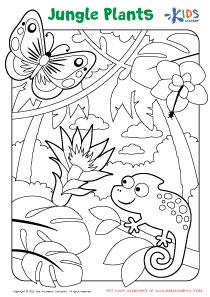
Understanding life cycles Animals Worksheets for Ages 4-8
4 filtered results
Difficulty Level
Grade
Age
-
From - To
Subject
Activity
Standards
Discover our engaging "Understanding Life Cycles" worksheets designed for young learners aged 4-8! These interactive resources introduce children to the fascinating world of animal life cycles through fun activities and colorful illustrations. Ideal for early grade science education, our worksheets help kids explore the developmental stages of various animals, from eggs to adulthood. With a combination of tracing, coloring, and matching exercises, children enhance their fine motor skills while developing a deeper understanding of nature. Perfect for home or classroom use, these worksheets promote curiosity and foundational scientific knowledge. Start your child's journey into the animal kingdom today!
Favorites
With answer key
Interactive
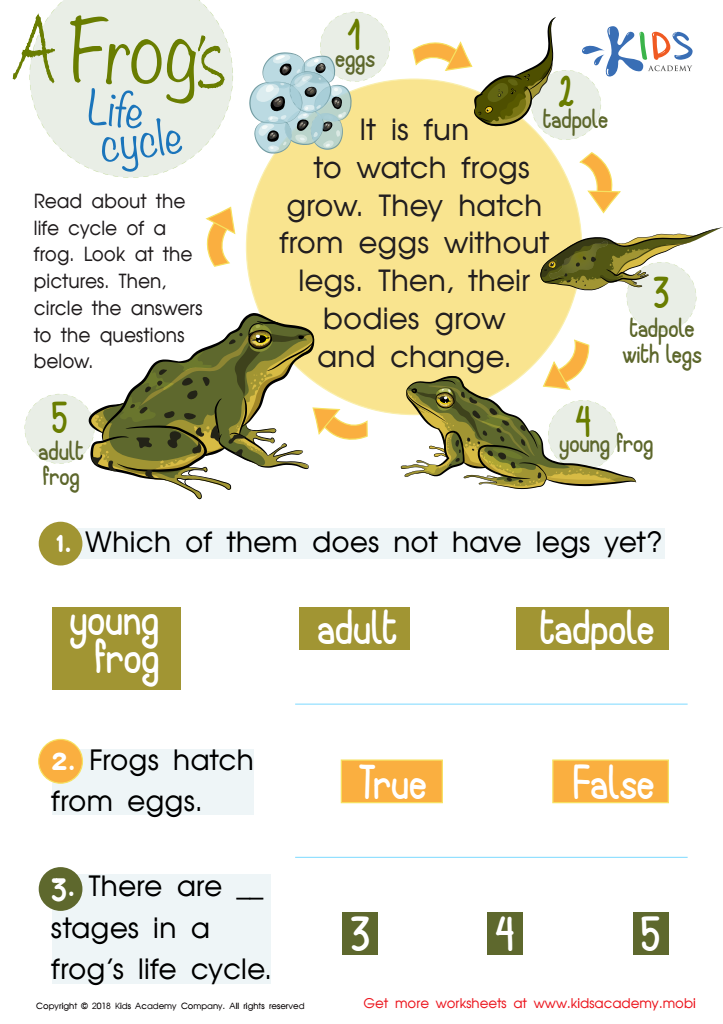
A Frog’s Life Cycle Worksheet
Encourage your kids to learn about frogs! Ask them to tell you some features, then read and discuss the text that explains the frog's life cycle. Show them the pictures to help them visualize it. Finish by helping them answer the questions at the bottom of the worksheet.
 Assign to My Students
A Frog’s Life Cycle Worksheet
Worksheet
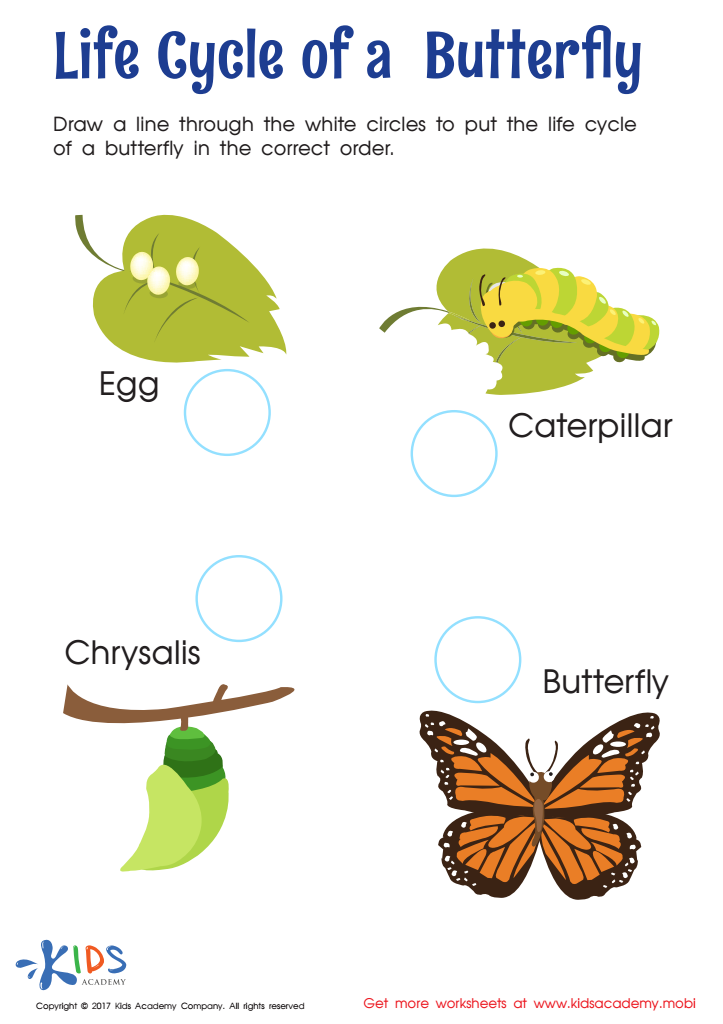
Life Cycle of Butterfly Worksheet
Kids Academy offers an exciting activity – a Life Cycle of a Butterfly Worksheet PDF. It shows four stages in the lifecycle of a butterfly with vivid pictures. Kids put the stages in the correct order to study the lifecycle.
Life Cycle of Butterfly Worksheet
Worksheet
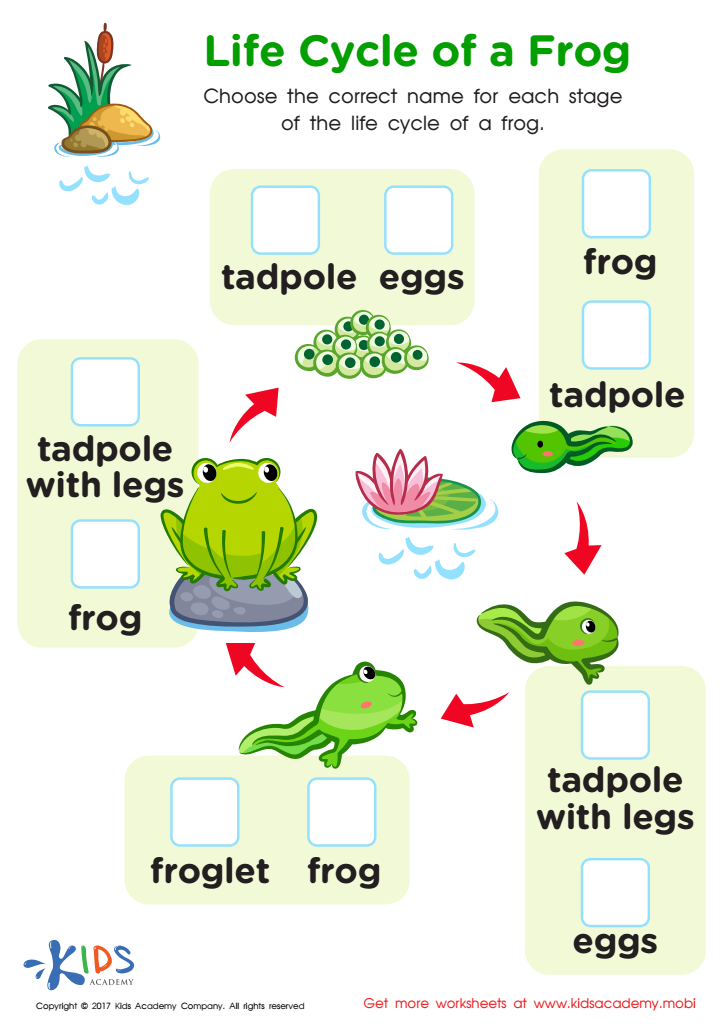
Life Cycle Frog Printable
Kids can explore the life cycle of frog with this fun worksheet! Draw lines from one stage to the next to follow the transformation from tadpole to frog and learn about the cycle of life.
Life Cycle Frog Printable
Worksheet
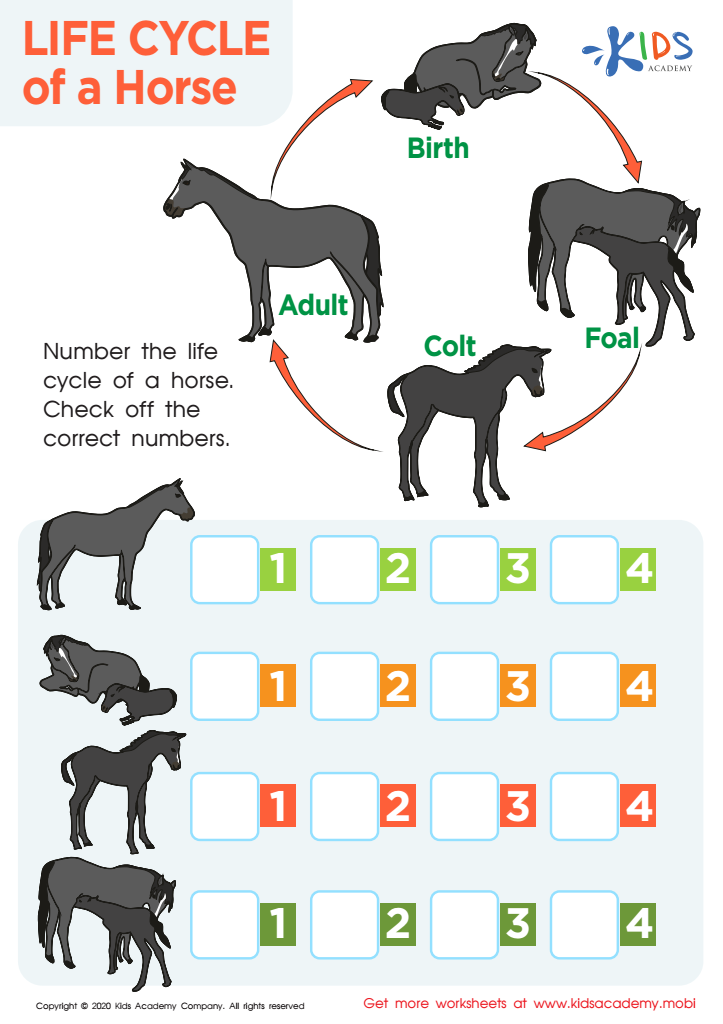
Life Cycle of a Horse Worksheet
Kids Academy's science worksheet on horses' lifecycles offers an engaging way for kids to learn! They'll study the diagram and label each stage of life, from birth to adulthood, and then number the pictures to mark the correct sequence. Fun and educational - a perfect way to get your kids learning!
Life Cycle of a Horse Worksheet
Worksheet
Join Kids Academy for Free
Who is primarily going to use this learning content?






Understanding animal life cycles is crucial for children aged 4-8 as it enriches their knowledge of the natural world and fosters a sense of curiosity. By learning about the various stages of animal life—from birth to reproduction—children develop an appreciation for the diversity of life and the intricacies of nature. This foundational knowledge aids in strengthening their observational skills, as they become more attuned to the changes and processes that organisms undergo.
Moreover, lessons about life cycles naturally lead to discussions about the environment, ecosystems, and the connections between species, promoting critical thinking and encouraging values of respect and responsibility toward living things. By integrating these concepts into lessons, teachers and parents can inspire young learners to become more engaged and compassionate toward animals and the planet.
Additionally, understanding life cycles is a key component of scientific inquiry. It introduces essential vocabulary and concepts that support early science education and encourages children to ask questions and seek answers. Ultimately, nurturing this understanding helps children build a lifelong connection to science and nature, enriching their educational experiences while promoting caring and informed future stewards of the earth. Parents and teachers play a vital role in guiding this exploration effectively.