Plant identification Plants Worksheets for Ages 4-8
5 filtered results
-
From - To
Explore the wonders of nature with our engaging "Plant Identification Worksheets" designed specifically for children ages 4-8! These fun and educational resources help young learners discover various plants, supporting their curiosity and understanding of the natural world. Each worksheet includes vibrant illustrations and easy-to-follow activities that encourage kids to identify, match, and learn about different species of plants. Perfect for home or classroom settings, these worksheets promote critical thinking and creative learning, making plant identification enjoyable for young explorers. Foster a love for nature while enhancing their science skills with our delightful plant-themed worksheets today!
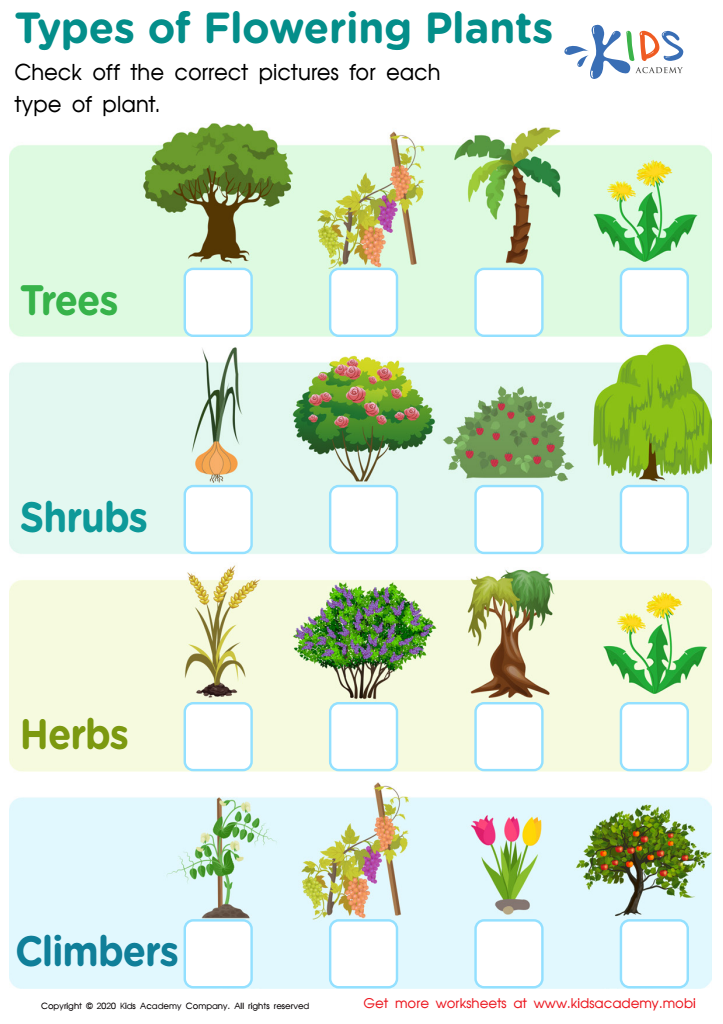
Types of Flowering Plants Worksheet
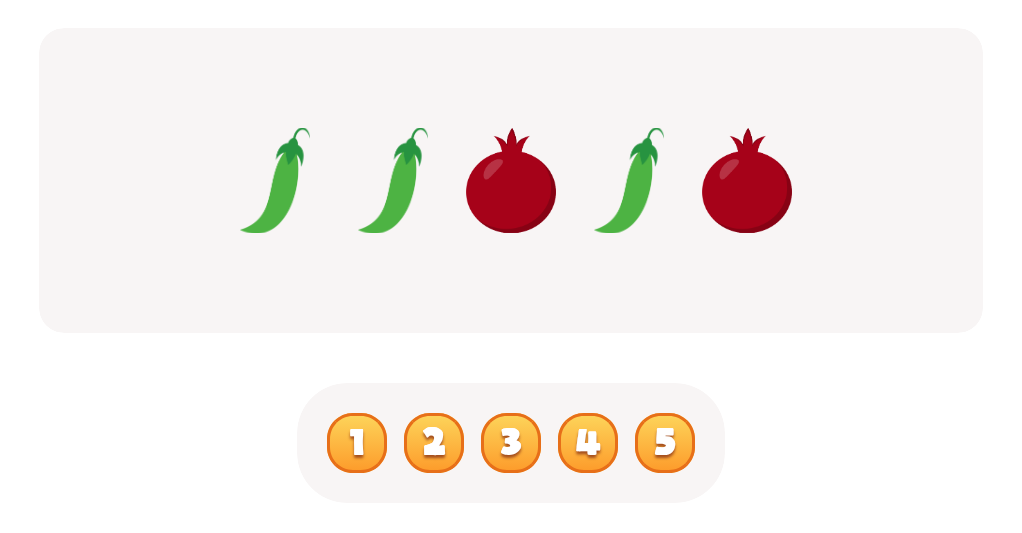

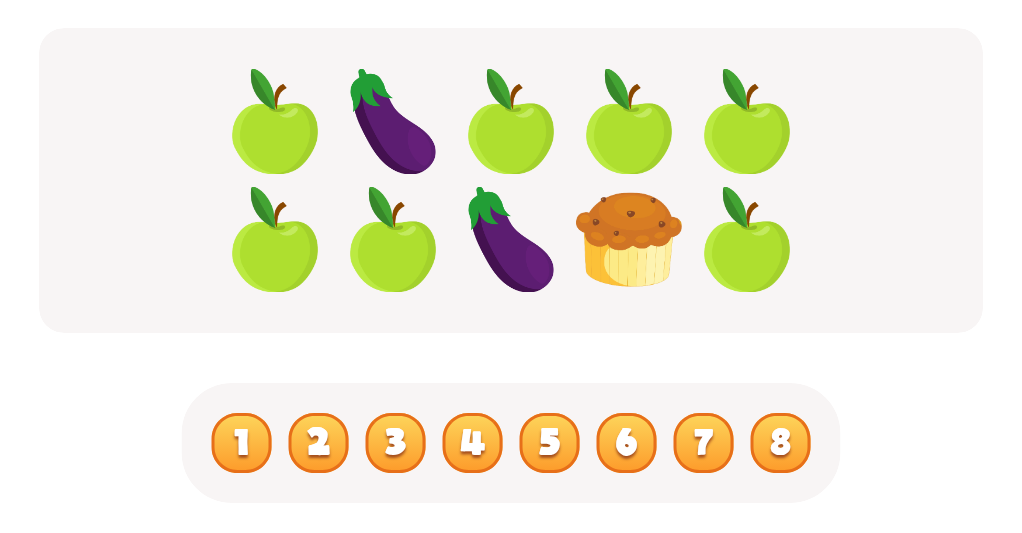


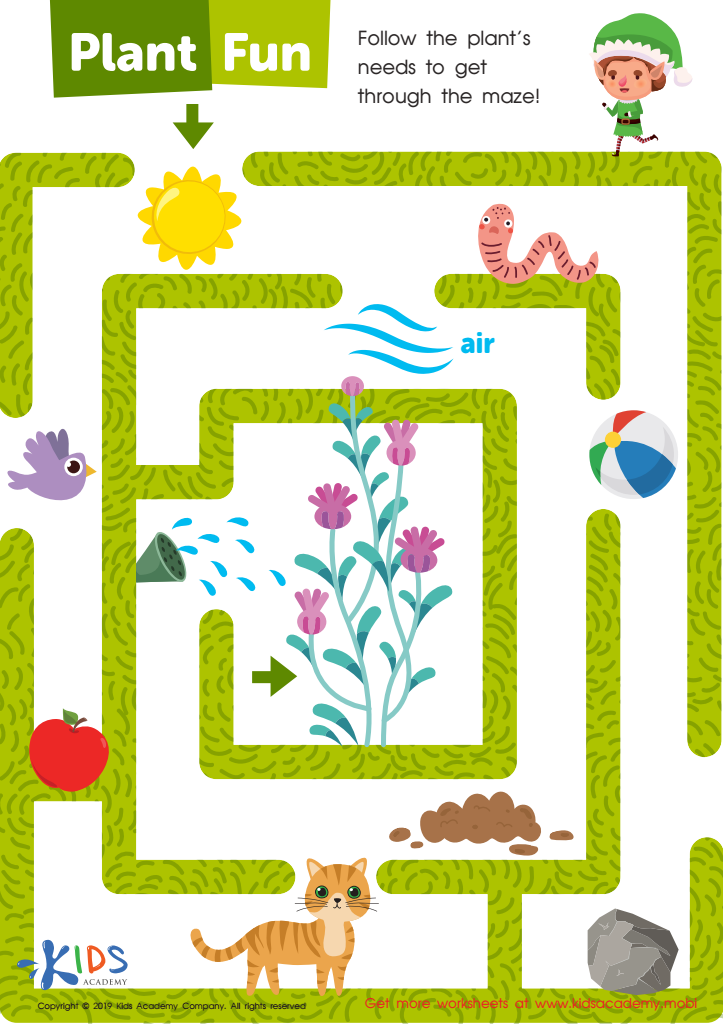
Plant Fun Worksheet
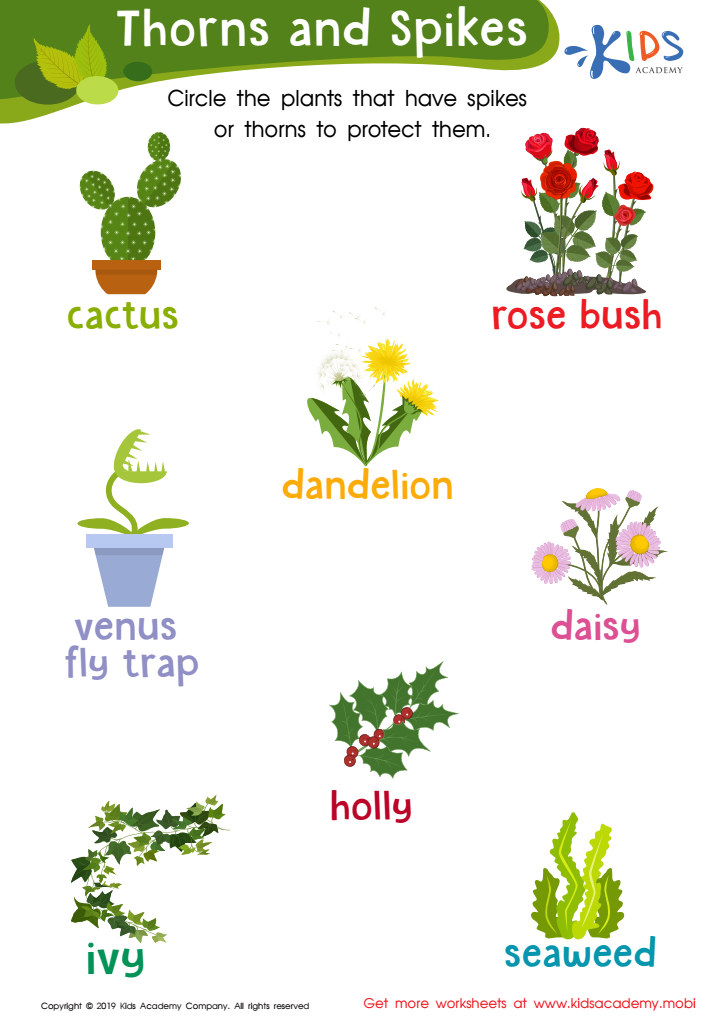
Thorns and Spikes Worksheet
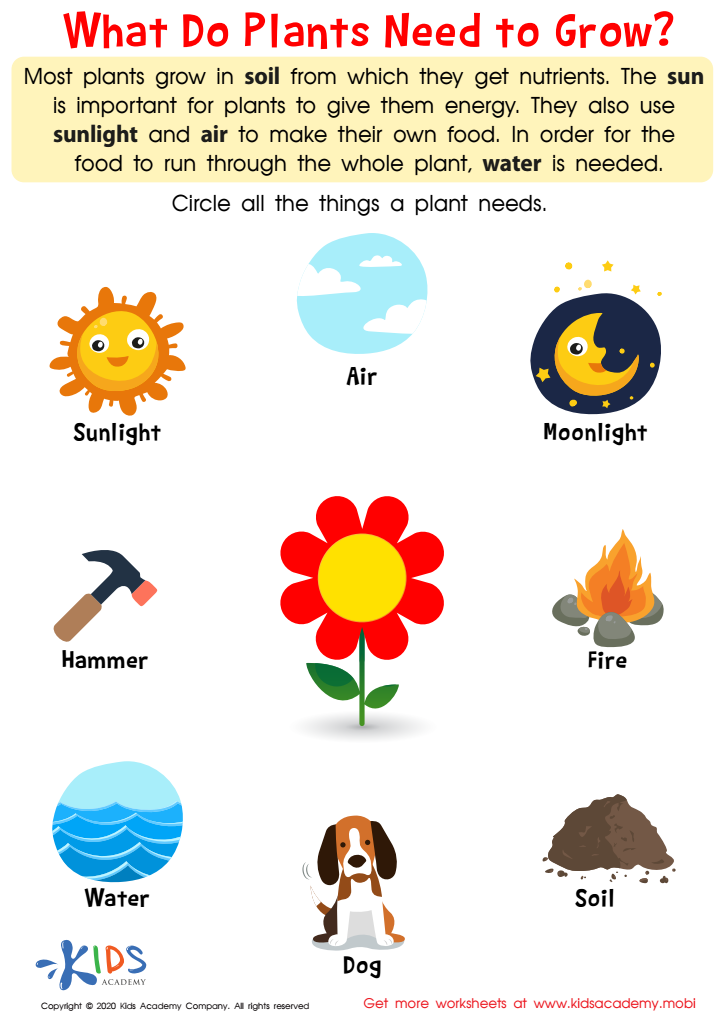
What Do Plants Need to Grow Worksheet
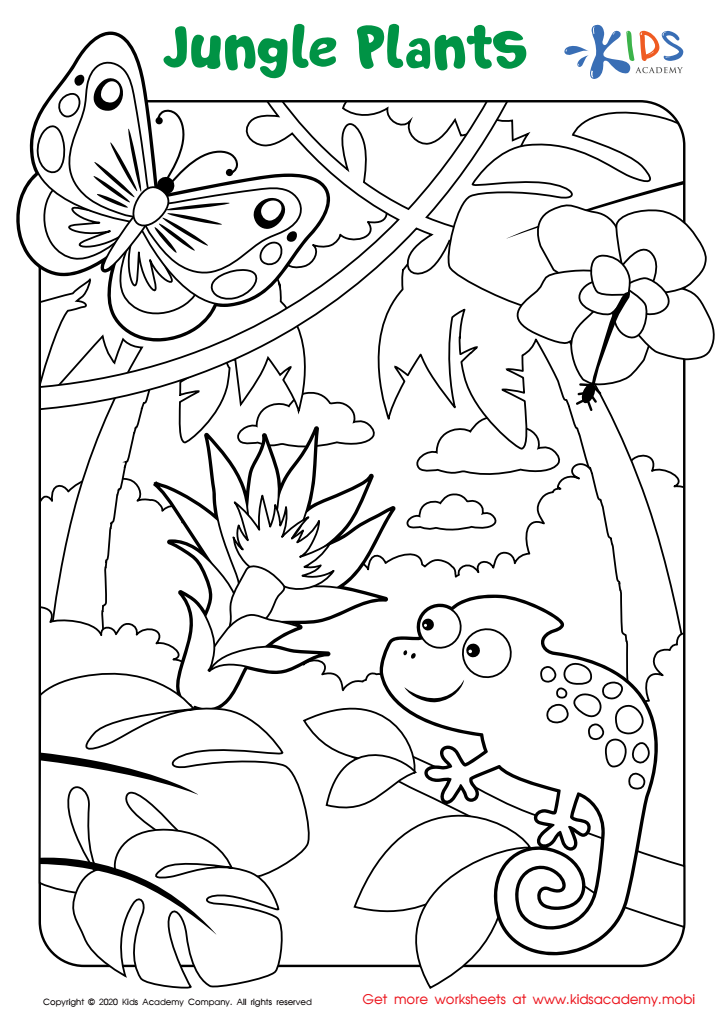
Jungle Plants Worksheet
 Assign to My Students







Plant identification is a crucial skill for children ages 4-8, and parents and teachers should prioritize it for several reasons. First, engaging with plants fosters a sense of curiosity about nature and the environment, promoting observation skills and critical thinking. Understanding different plants encourages children to explore their surroundings, enhancing their appreciation for biodiversity and ecosystem interconnectivity.
Moreover, learning about plants can support various educational objectives, including science, vocabulary development, and even art connections. Children can learn about the life cycle of plants, the role plants play in our ecosystem, and how they contribute to our food and oxygen supply. This foundational knowledge instills a respect for nature and sustainably encourages responsible behavior early on.
Additionally, recognizing plants can be integrated into hands-on activities, such as gardening, which boosts motor skills and teamwork. Encouraging outdoor exploration helps counteract sedentary behaviors associated with screen time, promoting physical health alongside cognitive development. Ultimately, plant identification fosters a love for learning and a deeper connection to the environment, both vital for nurturing responsible and informed future citizens. By prioritizing this skill, parents and teachers can ensure that children develop a lifelong appreciation for nature and the world around them.