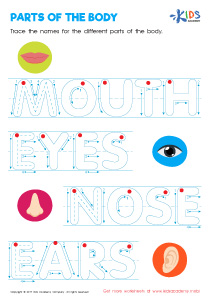
Counting skills World Around Us Worksheets for Ages 4-8
5 filtered results
-
From - To
Discover a fun and engaging way to enhance your child's counting skills with our "Counting Skills World Around Us Worksheets" for ages 4-8! These printable worksheets are designed to make learning enjoyable while connecting mathematical concepts to the world around us. Each activity encourages children to count objects, recognize numbers, and develop essential math skills through playful themes. Perfect for parents and educators, these worksheets promote hands-on learning and critical thinking. Watch your little ones grow more confident in their counting abilities as they explore vibrant illustrations and real-life scenarios. Help your child thrive in their early education journey today!
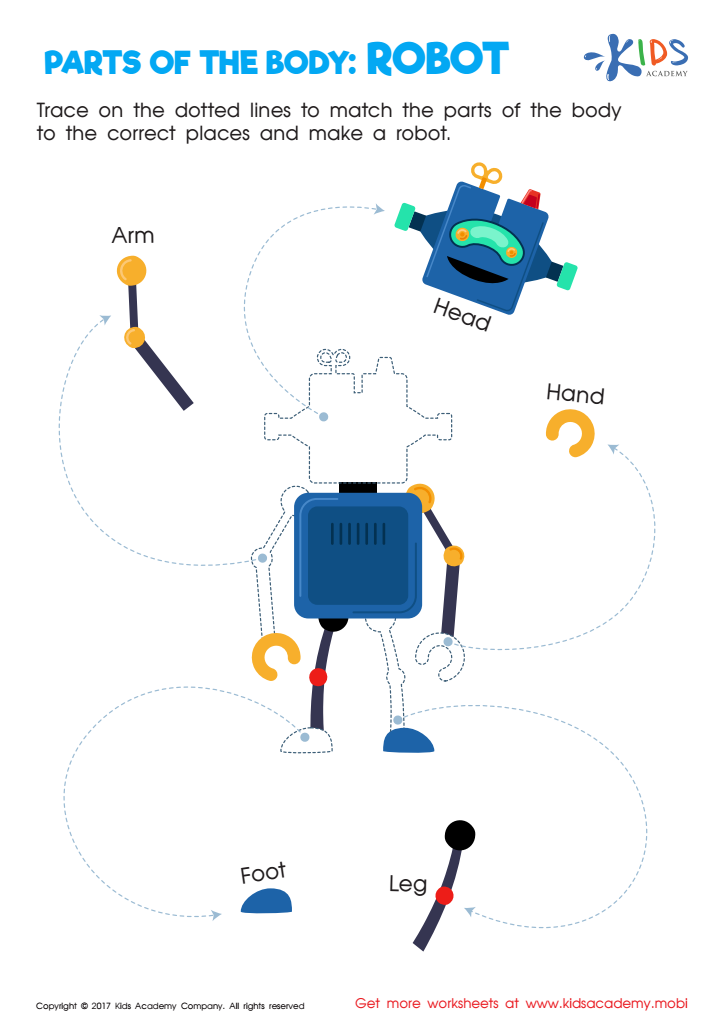
Robot Printable
 Assign to My Students

African Wildlife: Giraffe Worksheet
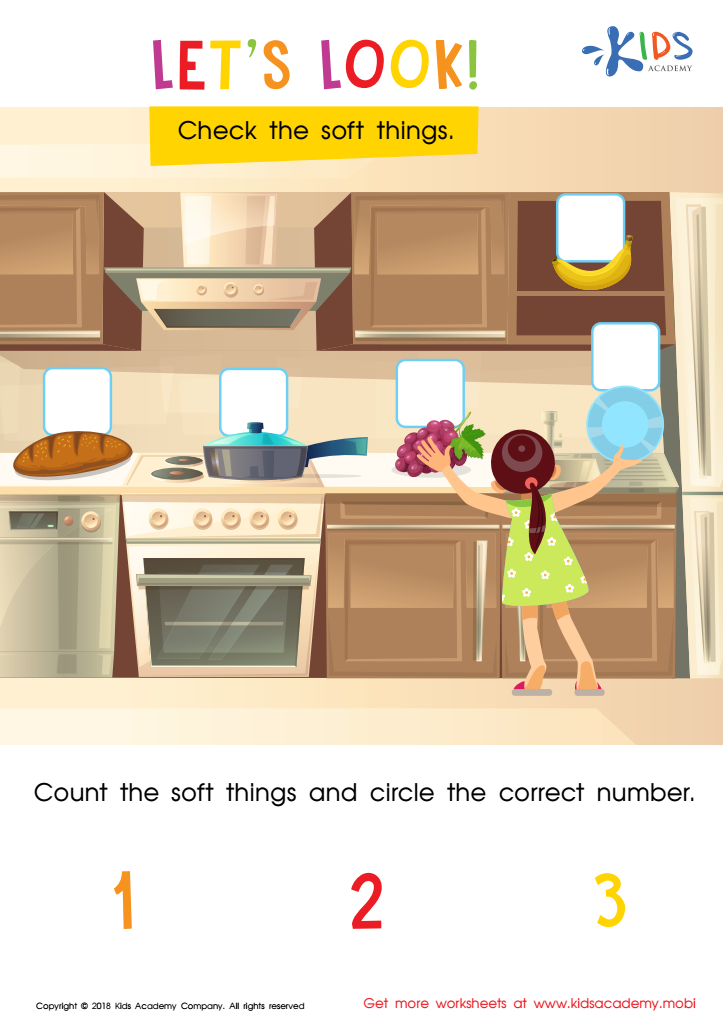
Let's Look! Assessment Worksheet
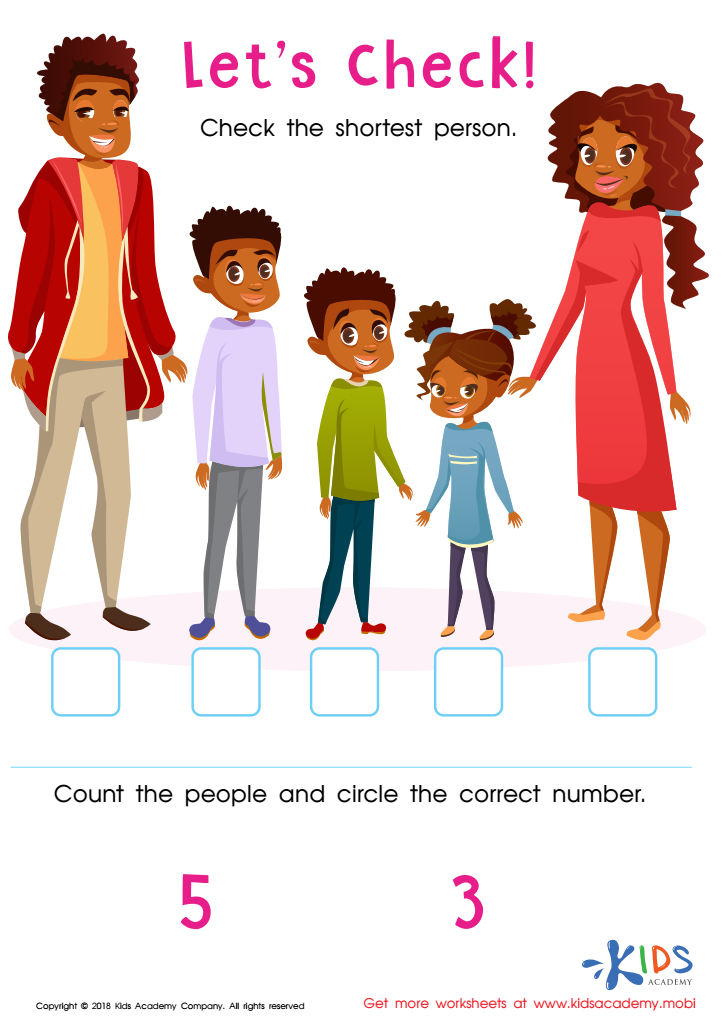
Let's Check! Assessment Worksheet
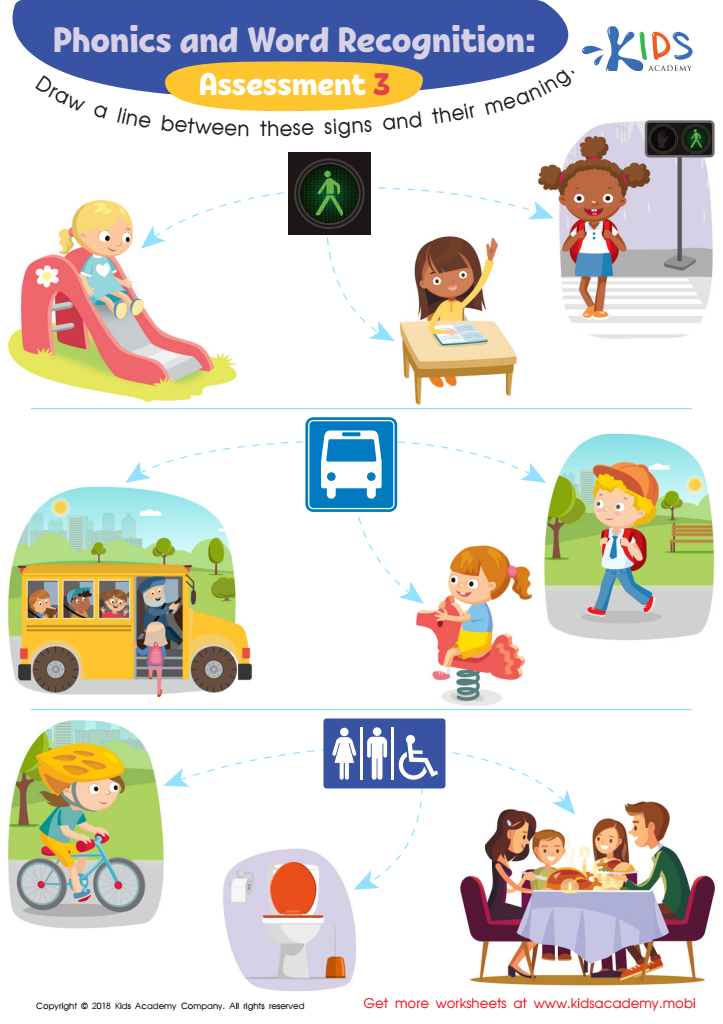
Phonological Awareness: Assessment 3 ELA Worksheet







Counting skills are foundational to a child's cognitive development and play a crucial role in their understanding of the world around them, particularly for ages 4-8. During these formative years, children are naturally curious, and counting lays the groundwork for numerous skills they will use throughout their education. By nurturing counting skills, parents and teachers are helping children develop early numeracy, which is linked to future math success.
Counting aids in the recognition of patterns, spatial awareness, and problem-solving abilities that extend beyond mathematics. It encourages logical thinking by enabling children to categorize and quantify the items they see in their environment, enhancing their observational skills. Moreover, counting woven into everyday life, such as when shopping or during playtime, helps make learning more engaging and practical.
Furthermore, strong counting skills promote confidence in academic settings, paving the way for more complex mathematical concepts later on. It also fosters social skills as children learn to cooperate with peers, share, and communicate numerical concepts. Consequently, both parents and teachers play a pivotal role in cultivating these counting abilities, ensuring that children not only appreciate the world around them but also build a solid foundation for lifelong learning.