Critical Thinking World Around Us Worksheets for Ages 4-8
6 filtered results
Difficulty Level
Grade
Age
-
From - To
Subject
Activity
Standards
Nurture your child’s mind with our Critical Thinking World Around Us worksheets, designed for ages 4-8. These engaging, age-appropriate activities encourage young learners to explore, analyze, and think deeply about their environment. Through captivating exercises, children develop essential problem-solving skills, logical reasoning, and creative thinking. Perfectly tailored for curious minds, our worksheets make learning fun and interactive, allowing kids to connect concepts with the world they see daily. Set the foundation for a lifelong love of learning and cognitive growth with our expertly crafted resources. Help your child unlock their full potential and understand the world around them.
Favorites
With answer key
Interactive
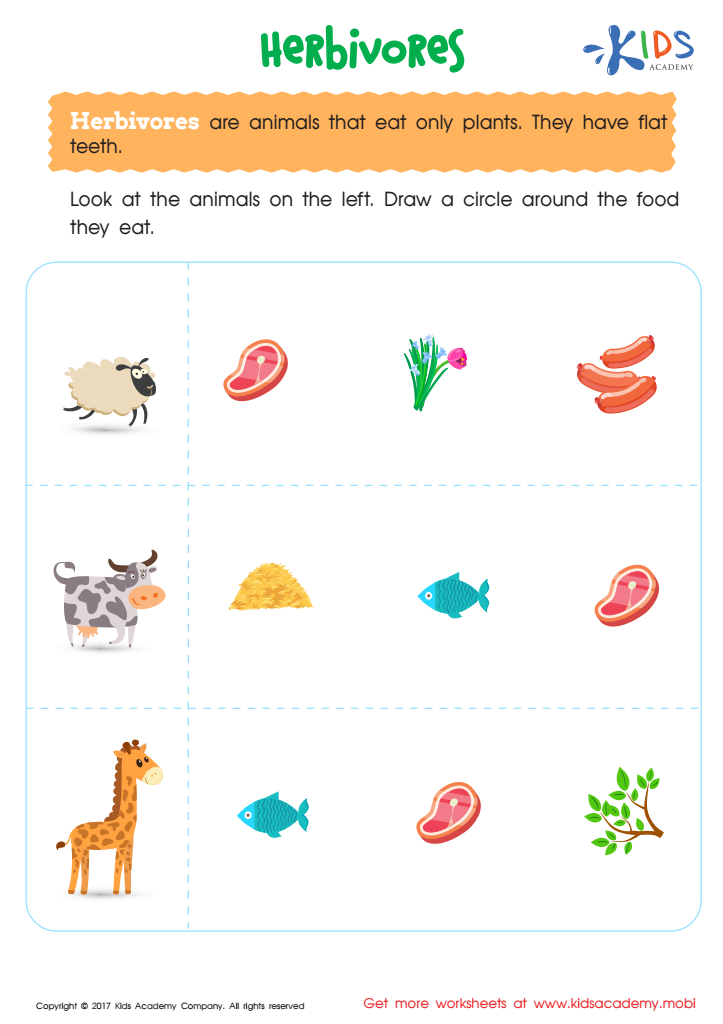
Herbivores Printable
Strengthen their vocab with these fascinating creatures, as they explore an intriguing aspect of beloved animals.
 Assign to My Students
Herbivores Printable
Worksheet
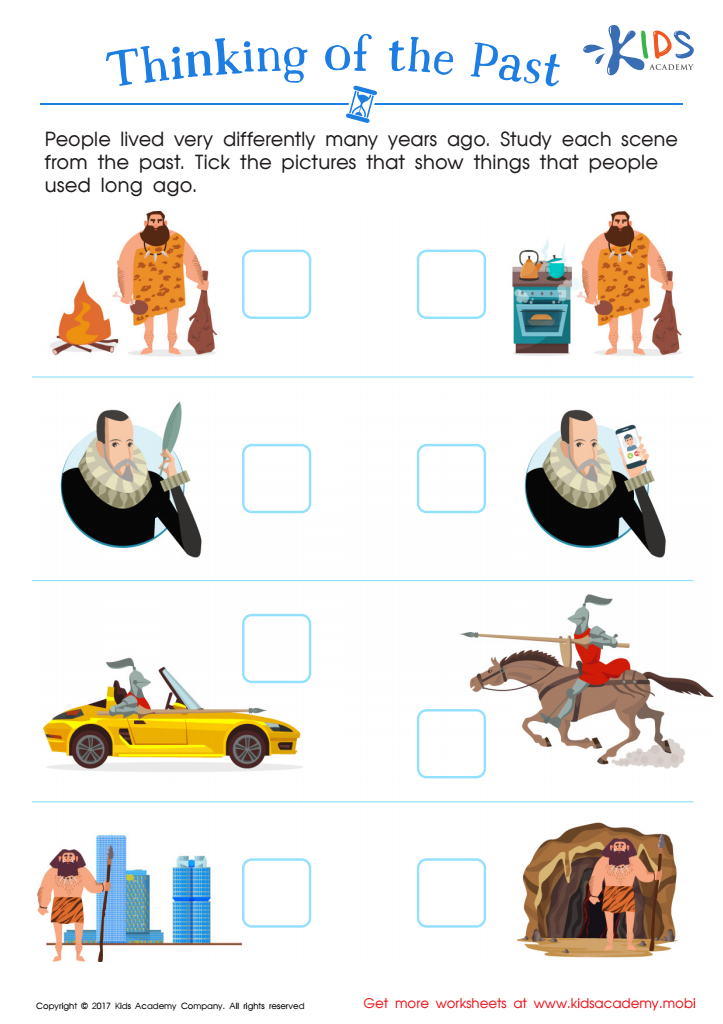
Thinking Past Printable
Bring the past to life for your kid with this fun worksheet! They'll use logic to choose the right answer, learning about different eras and how people lived in them. With a colorful caveman and modern skyscraper side by side, they won't even realize they're building historical knowledge.
Thinking Past Printable
Worksheet
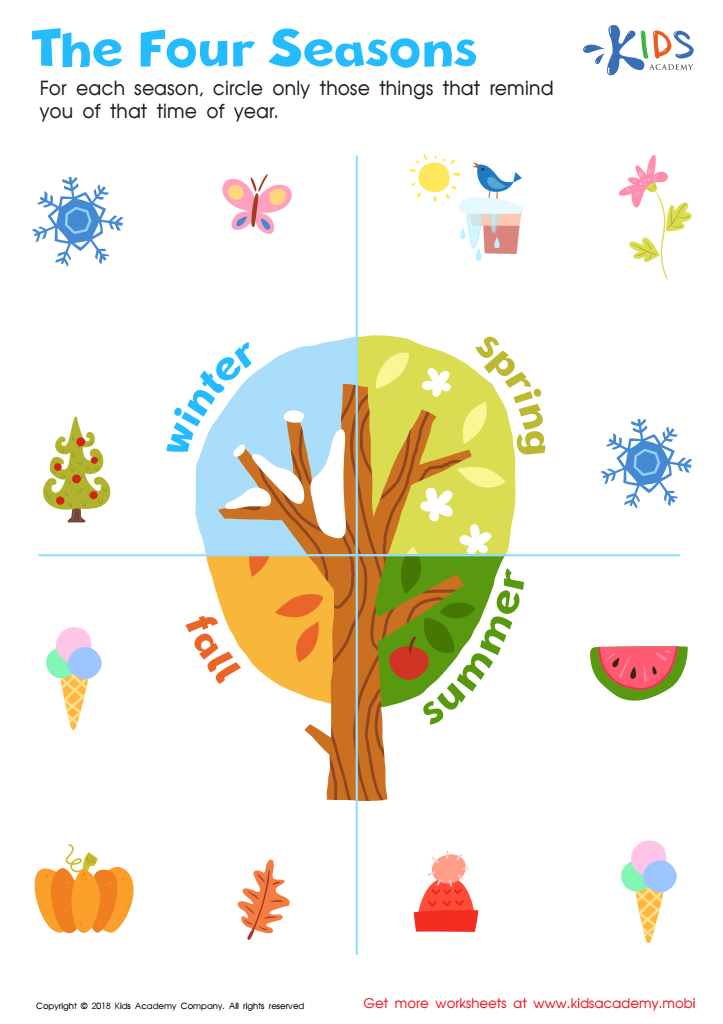
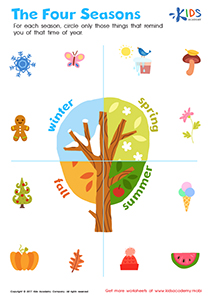
The Four Seasons Worksheet
Tell your child to circle things that remind them of each season. The tree has four squares, one for each season. Some things in each square match the season, others don't. Ask if any are out of place. Help them circle only items that remind them of that season.
The Four Seasons Worksheet
Worksheet
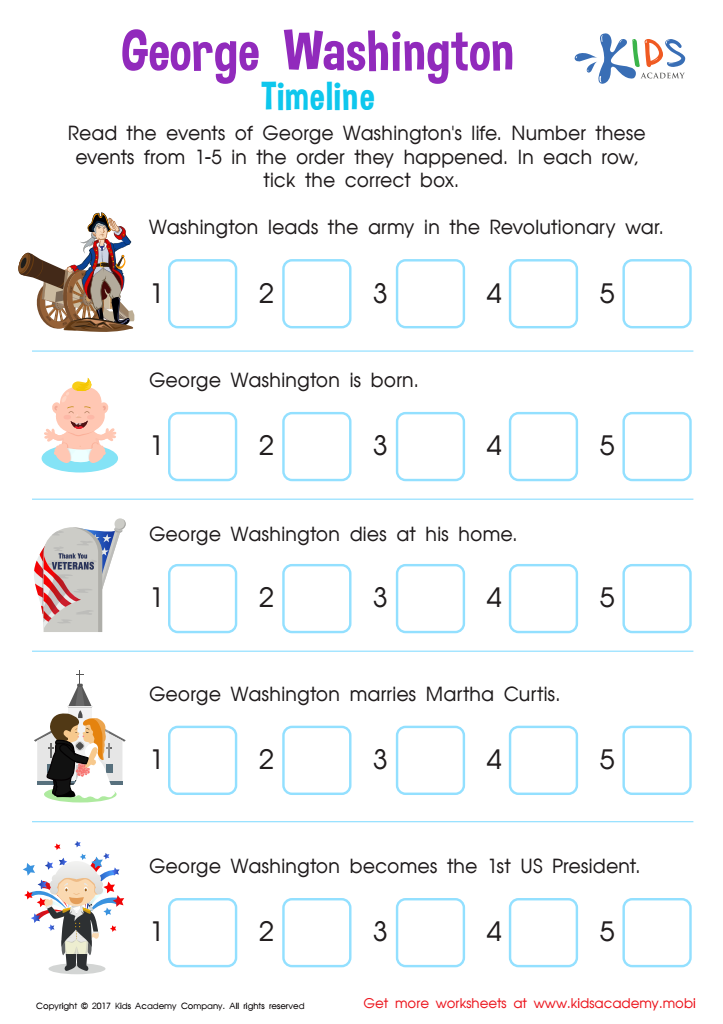
George Washington Timeline Worksheet
Help your child learn about George Washington and practice sequencing events! This printable worksheet will boost their reading and comprehension skills while they review historical facts. It's a great challenge to keep them engaged and learning.
George Washington Timeline Worksheet
Worksheet
Join Kids Academy for Free
Who is primarily going to use this learning content?








Critical thinking is a vital skill that empowers children aged 4-8 to navigate the world with curiosity, confidence, and competence. At this formative stage, children are naturally inquisitive, constantly asking "why" and "how" about pretty much everything they encounter. Encouraging critical thinking harnesses this inquisitiveness to foster problem-solving skills, logical reasoning, and independent thought.
For parents and teachers, nurturing critical thinking in young children helps them become capable of analyzing information, making reasoned decisions, and approaching challenges with confidence. For instance, rather than accepting information at face value, a child might learn to ask questions like, "Is this true?" or "What evidence supports this?" Such skills are invaluable as they grow older and more complex issues arise.
Developing these skills early on also promotes better academic performance. Children become more adept at understanding concepts in-depth, rather than memorizing facts superficially. They learn to connect disparate pieces of information, which enhances their overall comprehension and retention.
Moreover, critical thinking helps children interact more effectively with their peers and adults. By learning to consider multiple perspectives, they develop empathy and better problem-solving strategies for social situations. In essence, investing in critical thinking for young children equips them with a toolkit that aids in lifelong learning and meaningful engagement with the world around them.