Adjective identification Grammar Worksheets for Ages 4-8
3 filtered results
-
From - To
Discover the world of adjectives with our engaging Adjective Identification Grammar Worksheets, crafted specifically for ages 4-8. Inspire young learners to enhance their vocabulary and language skills by identifying descriptive words within fun and colorful exercises. Each worksheet offers age-appropriate activities that make learning adjectives interactive and enjoyable. Ideal for both classroom use and home practice, these resources support children in understanding sentence structure, improving reading comprehension, and crafting more vivid stories. Boost your child's grammar proficiency by exploring our comprehensive collection, designed to turn every budding writer into a grammar whiz.
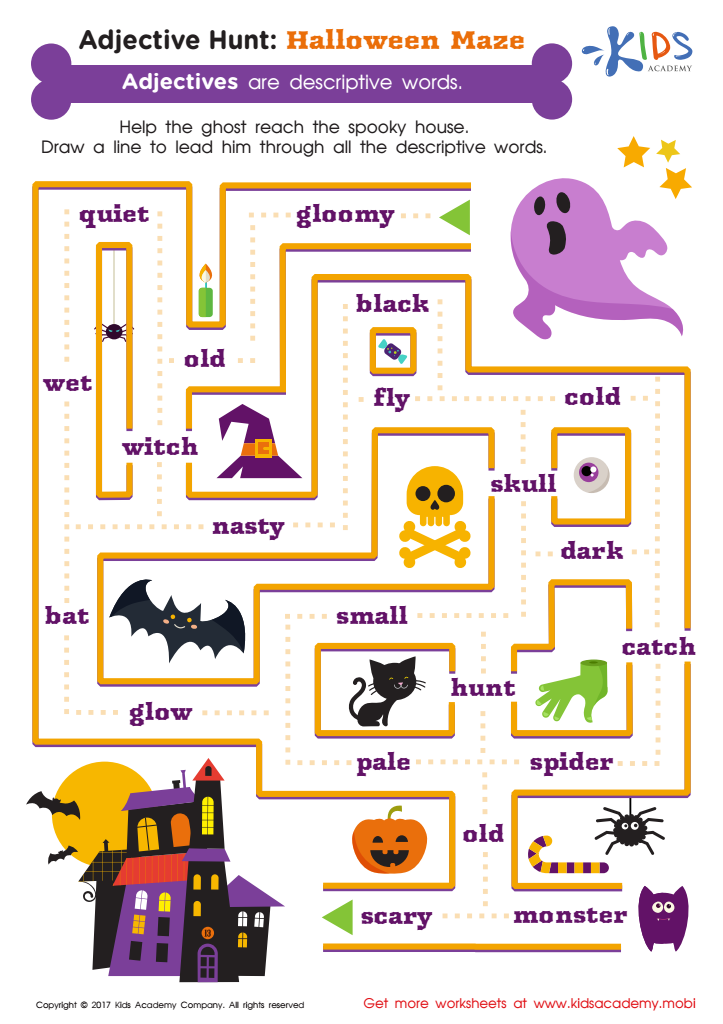
Adjective Hunt Printable
 Assign to My Students
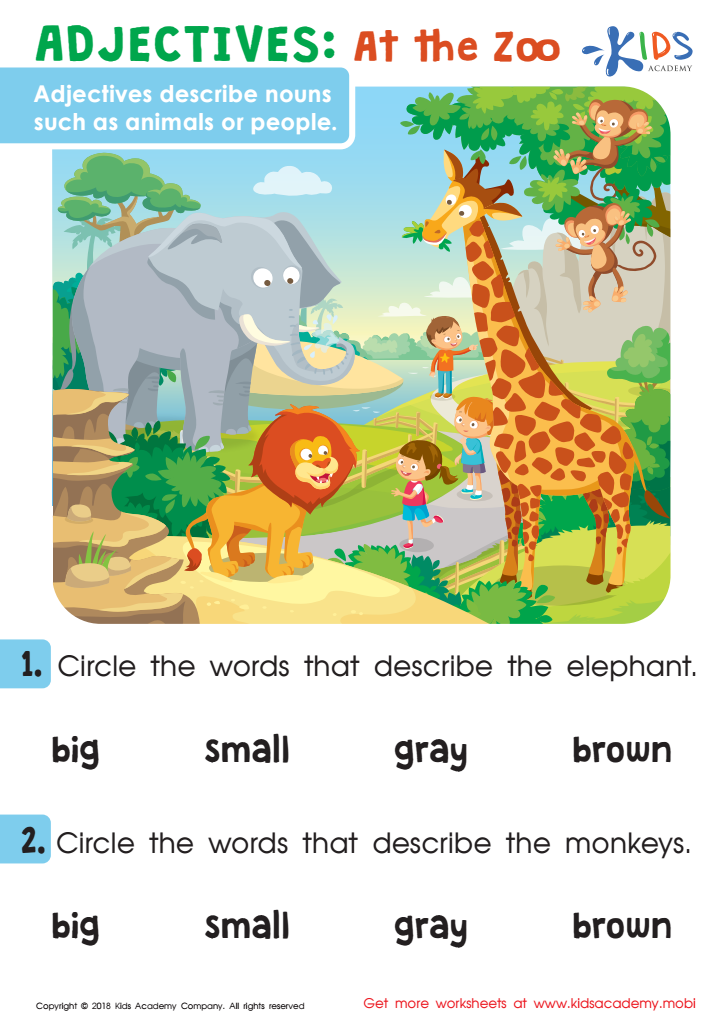
Adjectives: At The Zoo Worksheet
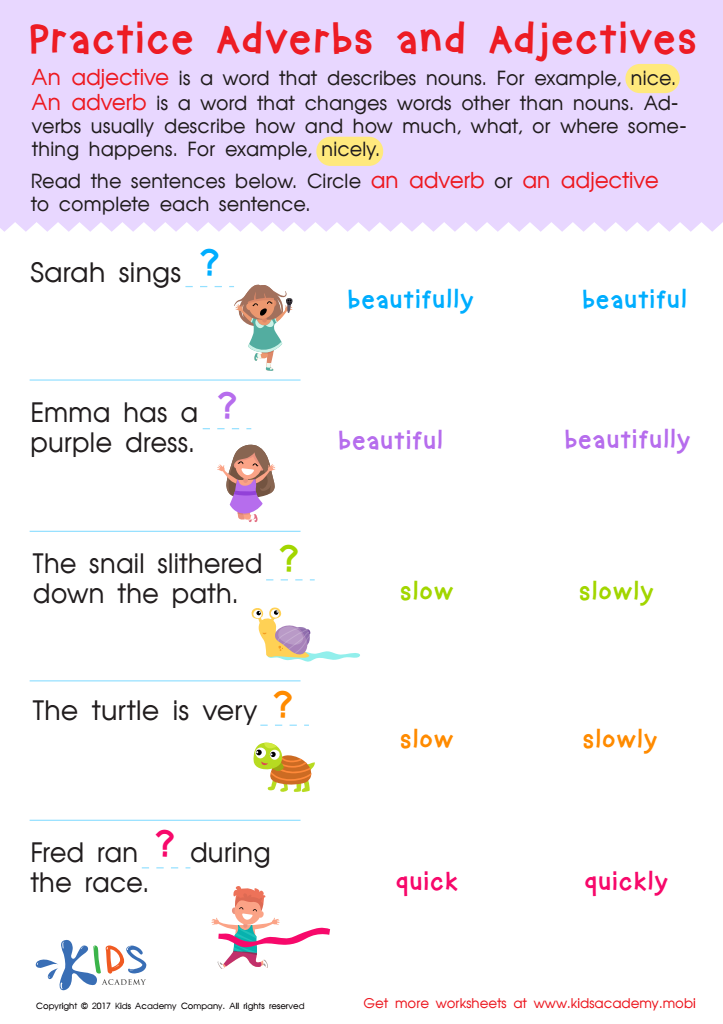
Adverbs and Adjectives Worksheet


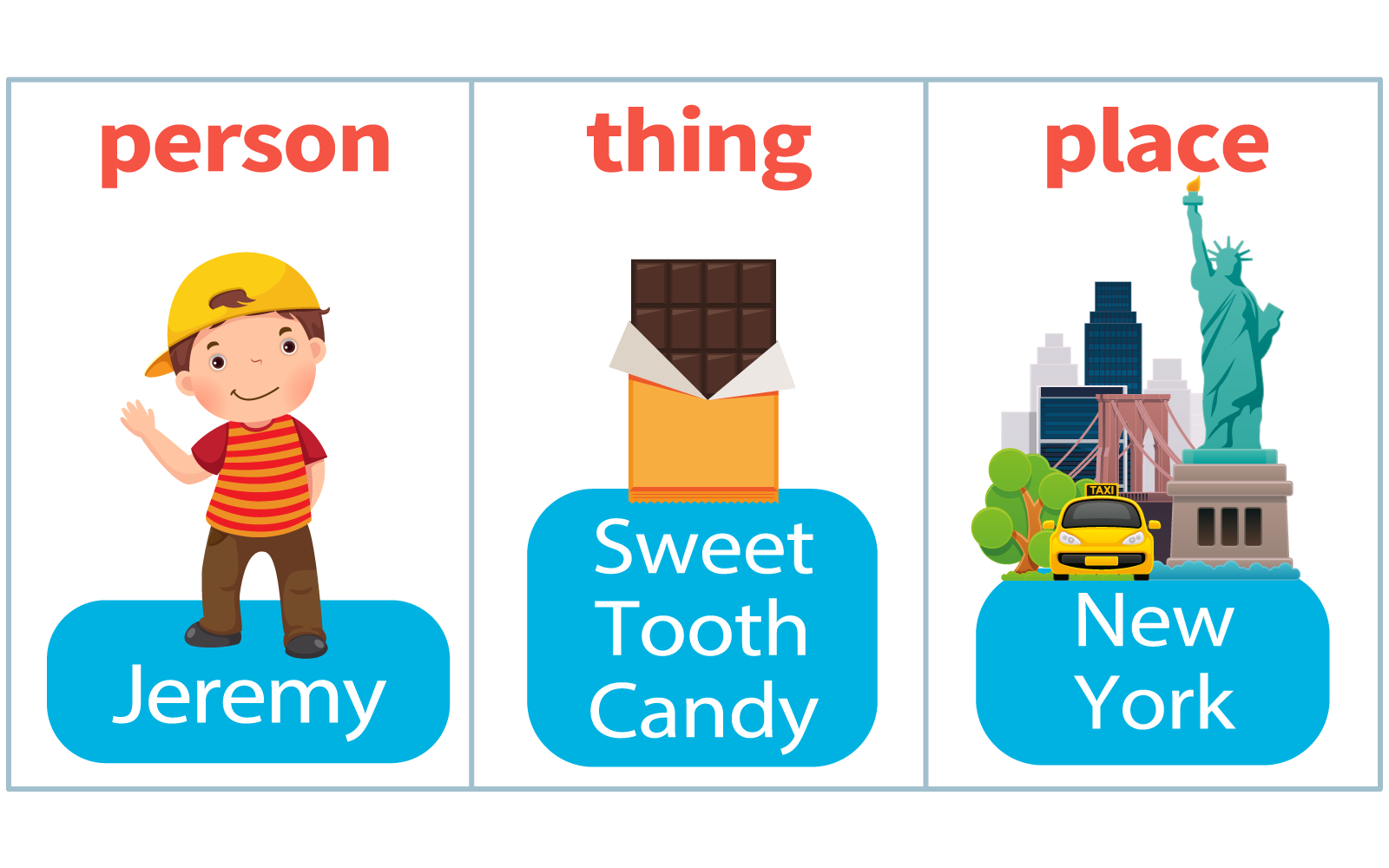
.jpg)


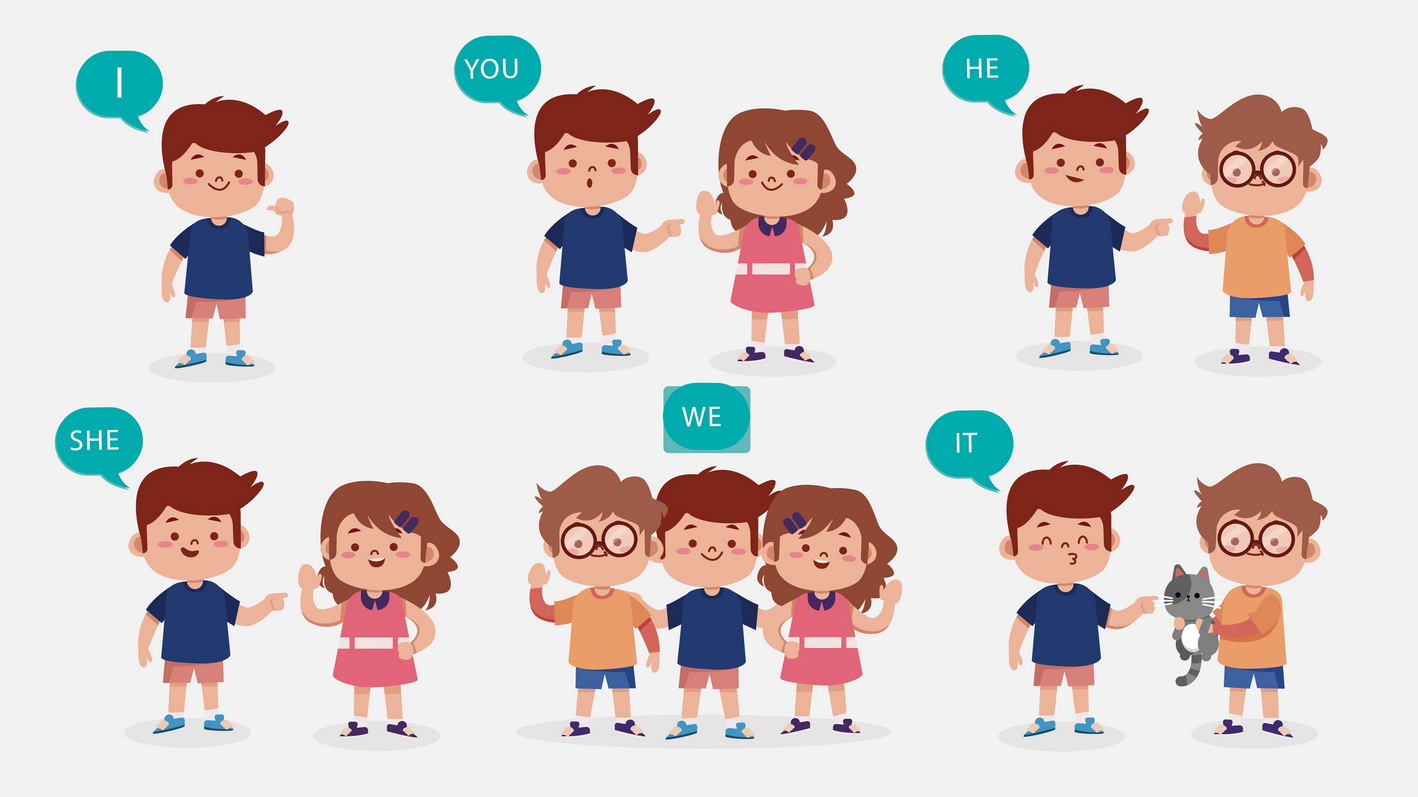

Understanding adjectives is crucial because it marks a foundational stage in children's language development. When parents and teachers emphasize adjective identification for children ages 4-8, they play a significant role in enhancing their descriptive language capabilities. Adjectives help kids learn to describe people, places, and things more vividly and accurately, thereby enriching their communication skills. It's not just about making their sentences colorful; it’s about teaching them to be precise and articulate in their expressions.
Moreover, an early grasp of adjectives can improve reading comprehension and writing skills. When children can identify and use adjectives, they better understand the texts they read, allowing them to visualize scenes and characters more vividly. This also enables them to express their thoughts and ideas more clearly in their own writing, setting a strong foundation for future academic success.
Additionally, identifying adjectives enhances critical thinking by encouraging children to categorize and analyze the attributes of different objects and experiences in their environment. This cognitive skill is transferable to other areas of learning too. Overall, focusing on adjectives during these formative years not only boosts linguistic abilities but also fosters overall cognitive development. Parents and teachers should view this as an essential part of their educational toolkit.








