English grammar practice Grammar Worksheets for Ages 4-8
3 filtered results
-
From - To
Enhance your child's writing skills with our engaging English grammar practice worksheets, specially designed for ages 4-8. These interactive resources offer a fun and effective way to teach young learners the fundamentals of grammar, from basic sentence structures to proper punctuation. Each worksheet features colorful illustrations and age-appropriate activities that foster critical thinking and creativity. Perfect for teachers and parents alike, our grammar worksheets encourage hands-on learning, reinforcing concepts through play. Give your child the confidence to express themselves clearly and accurately in writing. Explore our collection today and watch your young writer flourish!
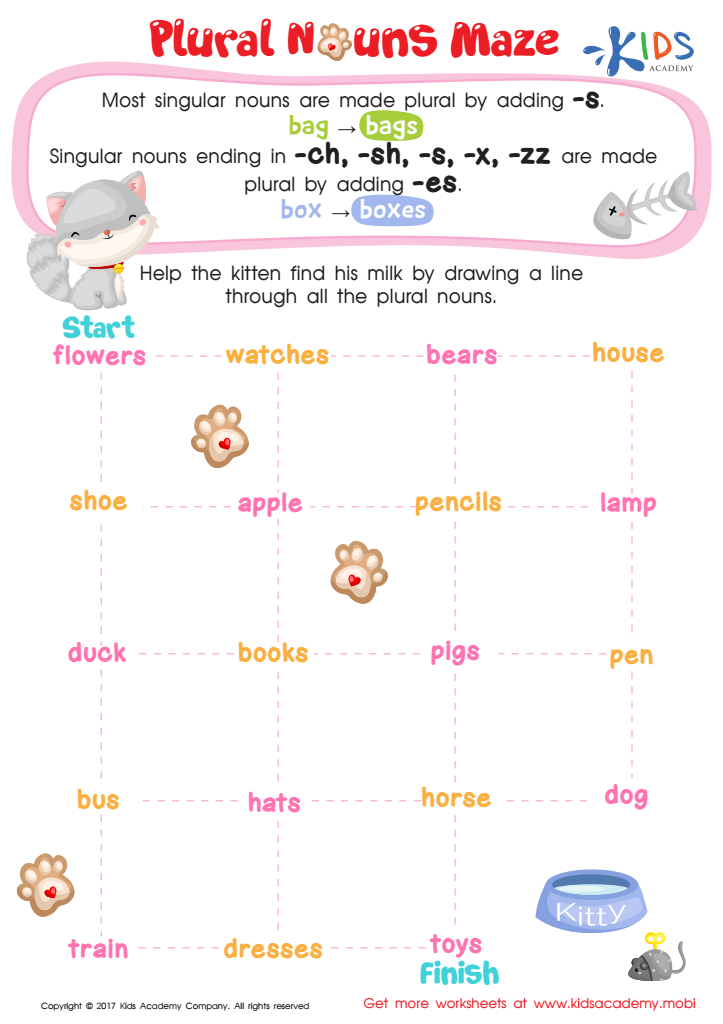
Plural Nouns Maze Worksheet
 Assign to My Students
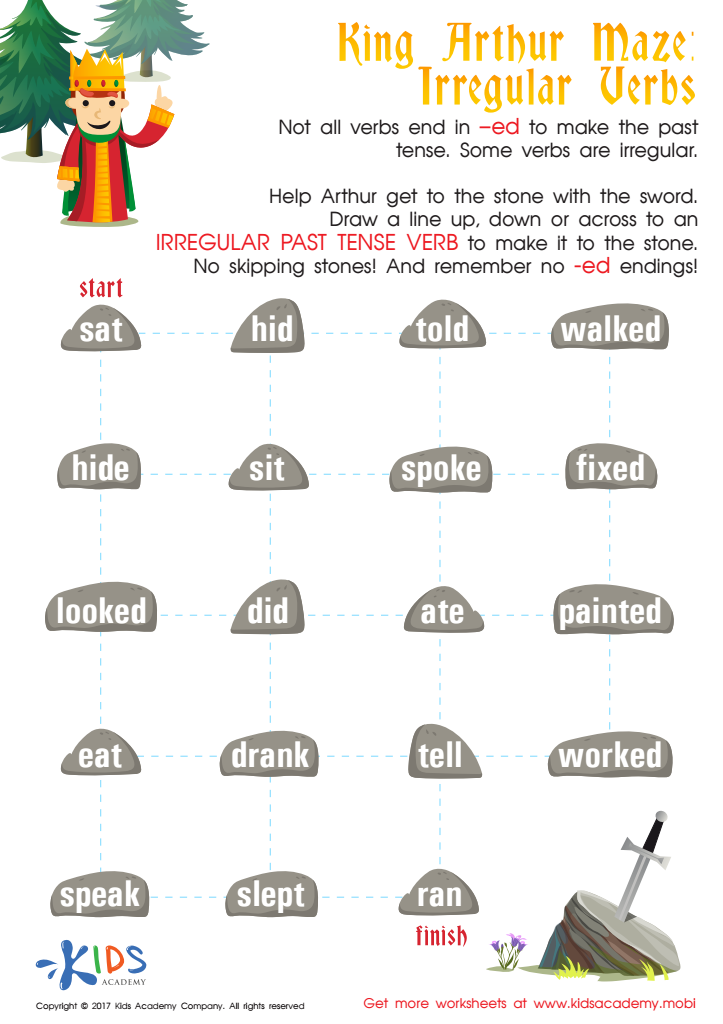
Irregular Verbs: Stones Worksheet
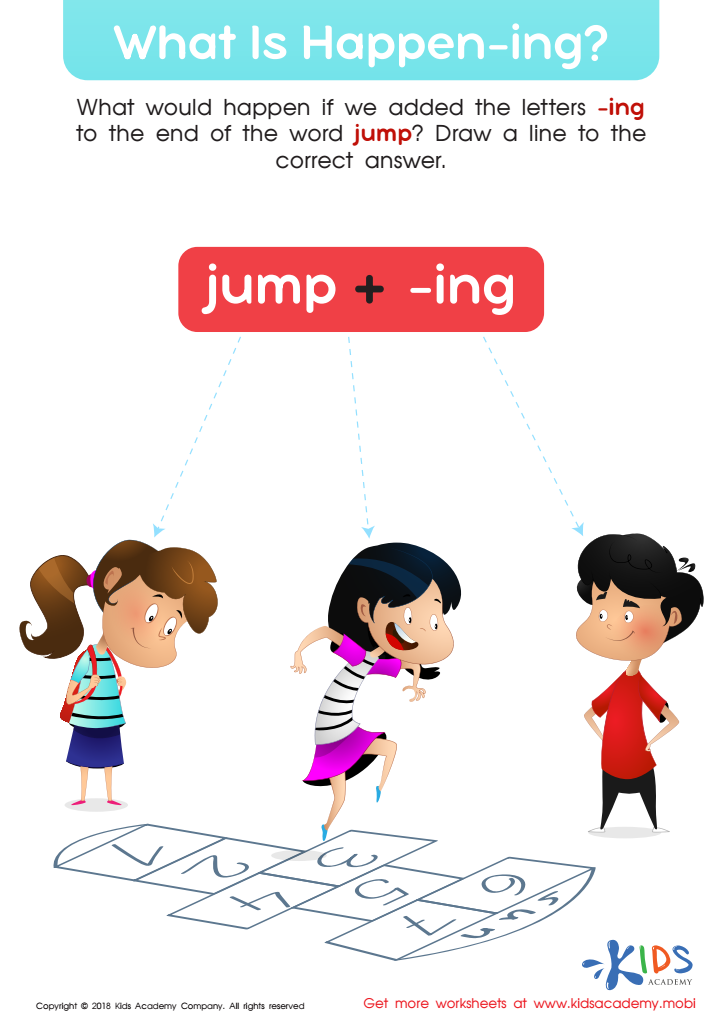
What Is Happen-Ing? Worksheet






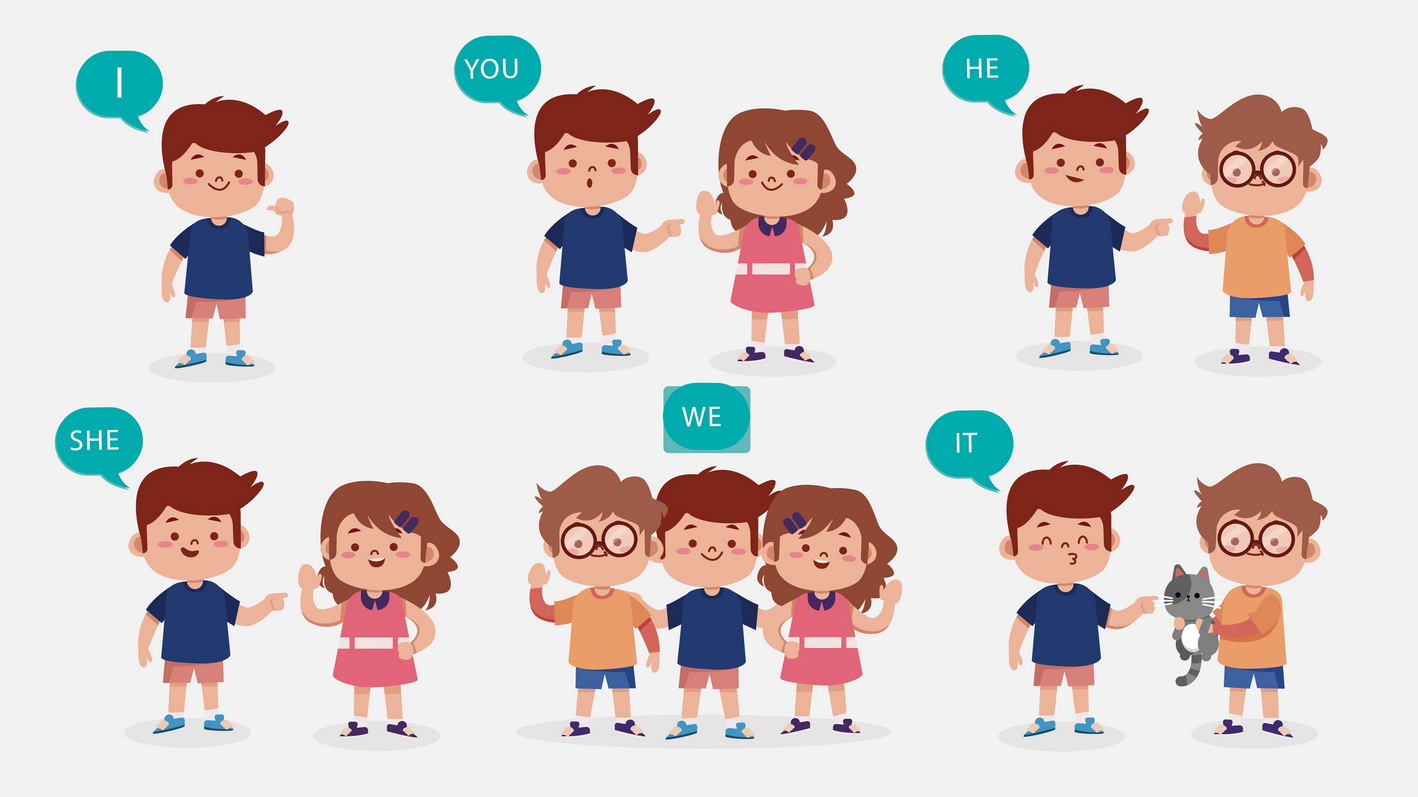

Parents and teachers play a crucial role in the early development of children's literacy skills, and English grammar practice for ages 4-8 is an essential part of this journey. At this age, children are formulating the foundational skills they will build upon throughout their academic lives. Grammar is the framework of language; understanding it helps youngsters improve their reading, writing, and speaking abilities.
When children grasp basic grammar rules, such as sentence structure, punctuation, and verb tenses, they become more confident communicators. This comprehension enhances their ability to express thoughts clearly and creatively, fostering better engagement with peers and adults. Moreover, early exposure to grammar lays the groundwork for more advanced literacy skills they will encounter later.
Quality grammar practice stimulates cognitive development, allowing children to categorize and analyze language more effectively. Additionally, it supports their emotional growth by allowing them to articulate feelings and ideas more effectively.
In fostering a keen understanding of English grammar, parents and teachers empower children to navigate both academic and social settings with confidence, ensuring their success in life beyond the classroom. Thus, investing time in grammar practice at this critical age yields long-term benefits for children's communication skills.








