Improving vocabulary Grammar Worksheets for Ages 4-8
6 filtered results
-
From - To
Enhance your child's language skills with our "Improving Vocabulary Grammar Worksheets" designed specifically for ages 4-8. These engaging worksheets provide fun and interactive exercises that help young learners expand their vocabulary while developing crucial grammar skills. From identifying parts of speech to constructing simple sentences, each activity encourages creativity and language expression. Ideal for both home and classroom use, our worksheets foster a love for learning and help children build essential foundational skills. Empower your child’s communication abilities and make learning enjoyable with these thoughtfully designed resources aimed at early literacy development. Explore our collection and watch their confidence soar!
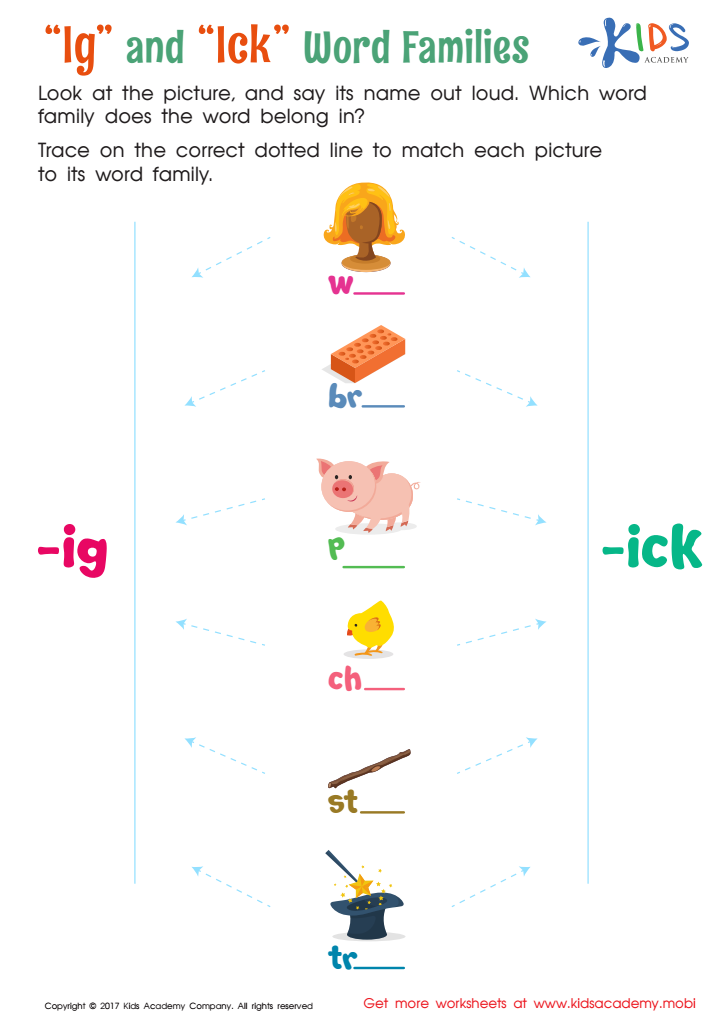
Words Families "ig" and "ick" Spelling Worksheet
 Assign to My Students
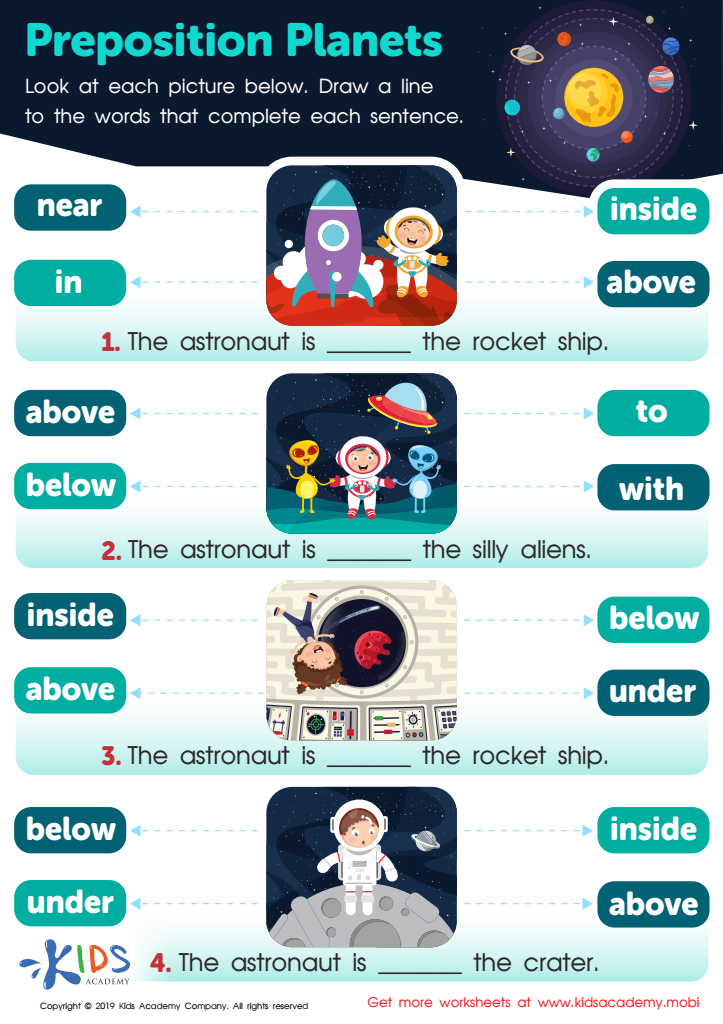
Preposition Planets Worksheet
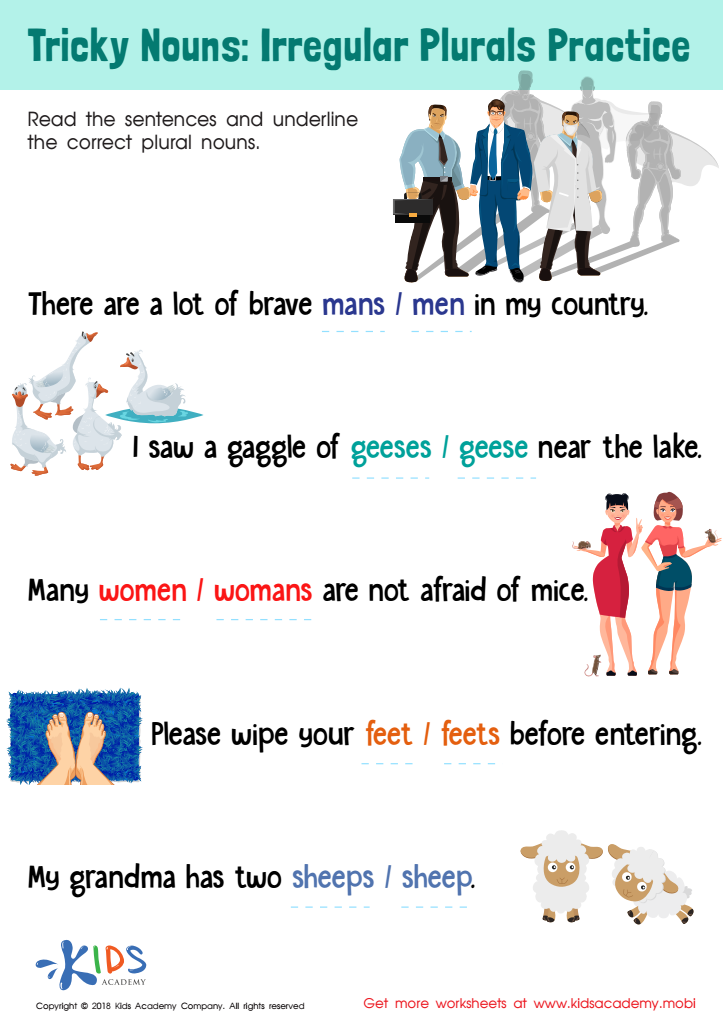
Tricky Nouns: Irregular Plurals Practice Worksheet
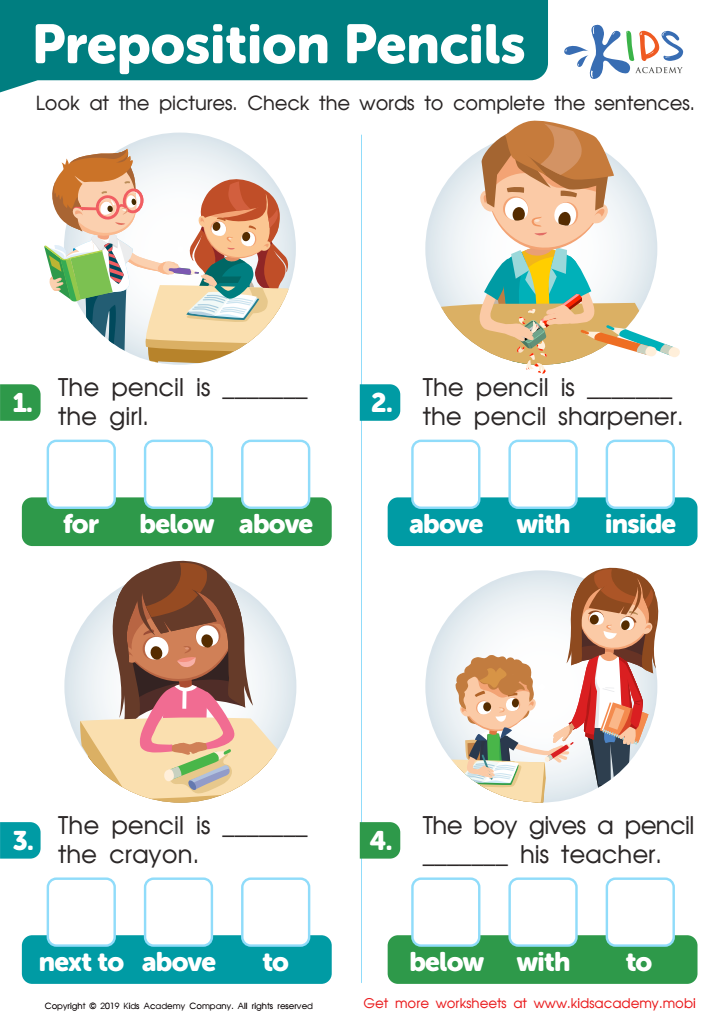
Preposition Pencils Worksheet
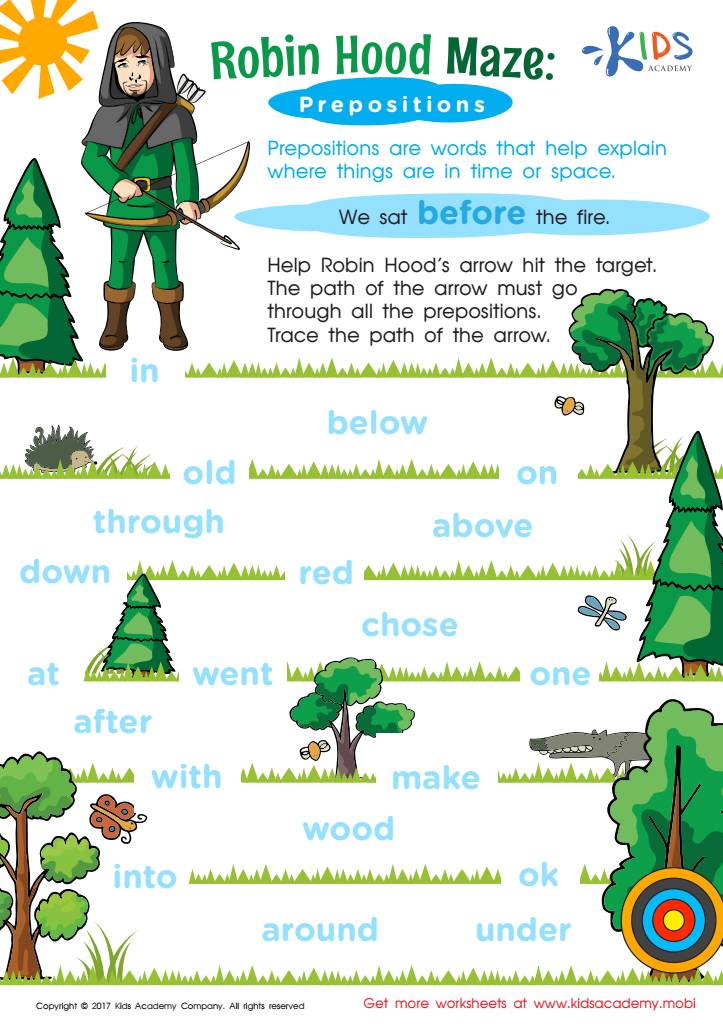
Prepositions Worksheet
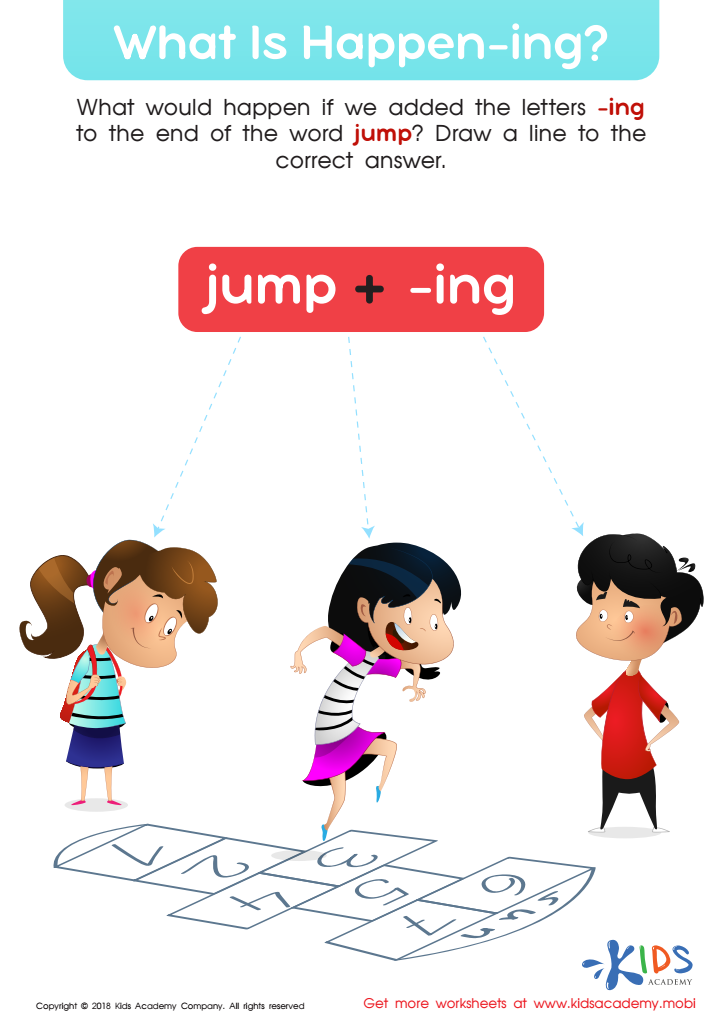
What Is Happen-Ing? Worksheet



.jpg)

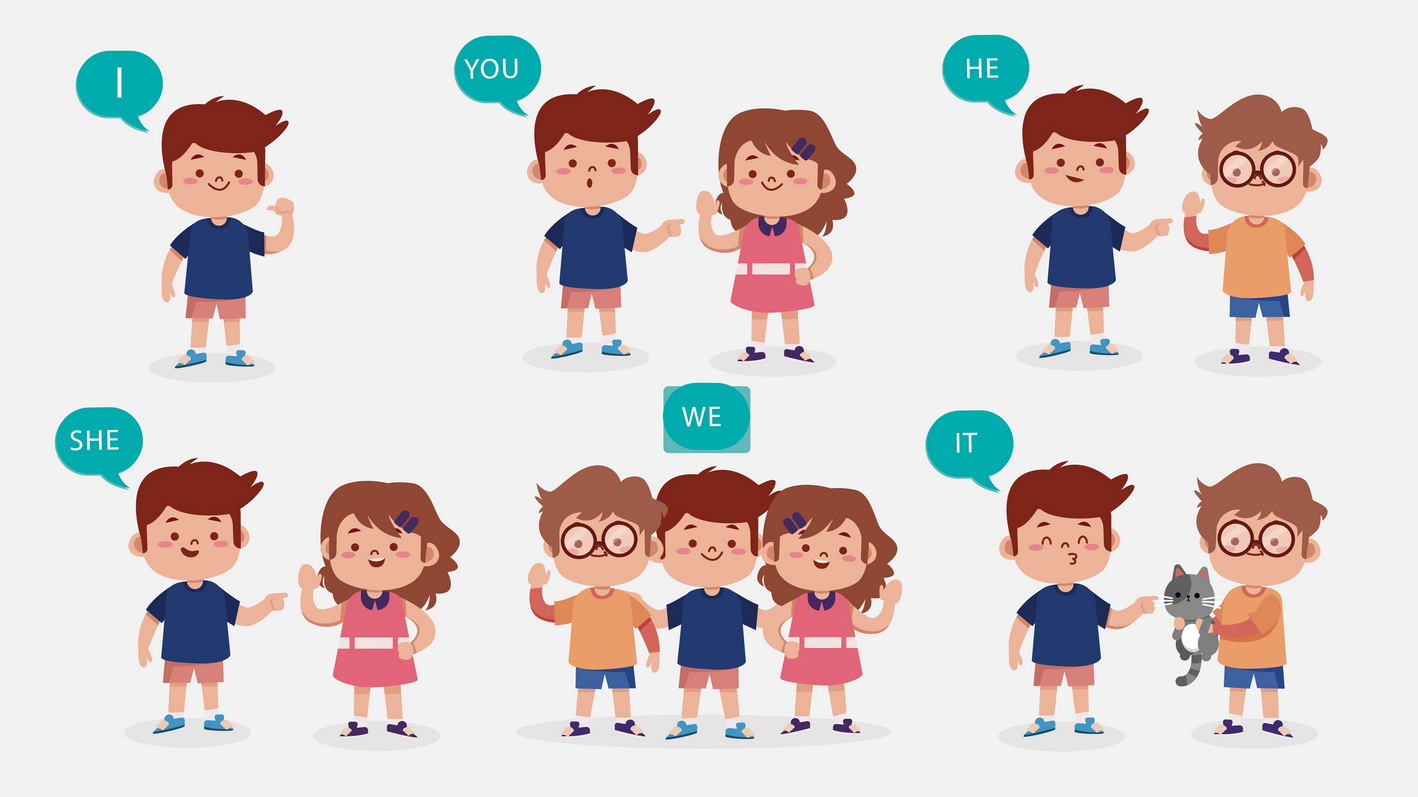
Improving vocabulary and grammar in children aged 4-8 is fundamental for their cognitive and social development. During this critical early phase, kids are like sponges—absorbing language skills that shape their communication abilities and overall literacy. A robust vocabulary enhances comprehension, enabling children to express their thoughts and emotions more clearly, fostering effective interaction with their peers and adults.
Furthermore, grammar serves as the framework of language, helping children understand how words interact and construct meaningful sentences. Mastery of basic grammar paves the way for writing skills and academic success. Early competency in these areas encourages confidence when reading and speaking, which can enhance academic performance across subjects.
Beyond academics, a strong vocabulary and grasp of grammar provide children with the tools to navigate social situations better. They can articulate their needs and negotiate relationships more effectively, promoting emotional intelligence and resilience. For teachers and parents, prioritizing vocabulary and grammar improvement also aligns with educational standards, setting a solid foundation for lifelong learning and adaptability in an ever-evolving world. Ultimately, supporting language development in young learners is an investment in their future—empowering them to communicate, comprehend, and connect more effectively throughout their lives.








