Spelling practice Writing Worksheets for Ages 4-8 - Page 3
51 filtered results
-
From - To
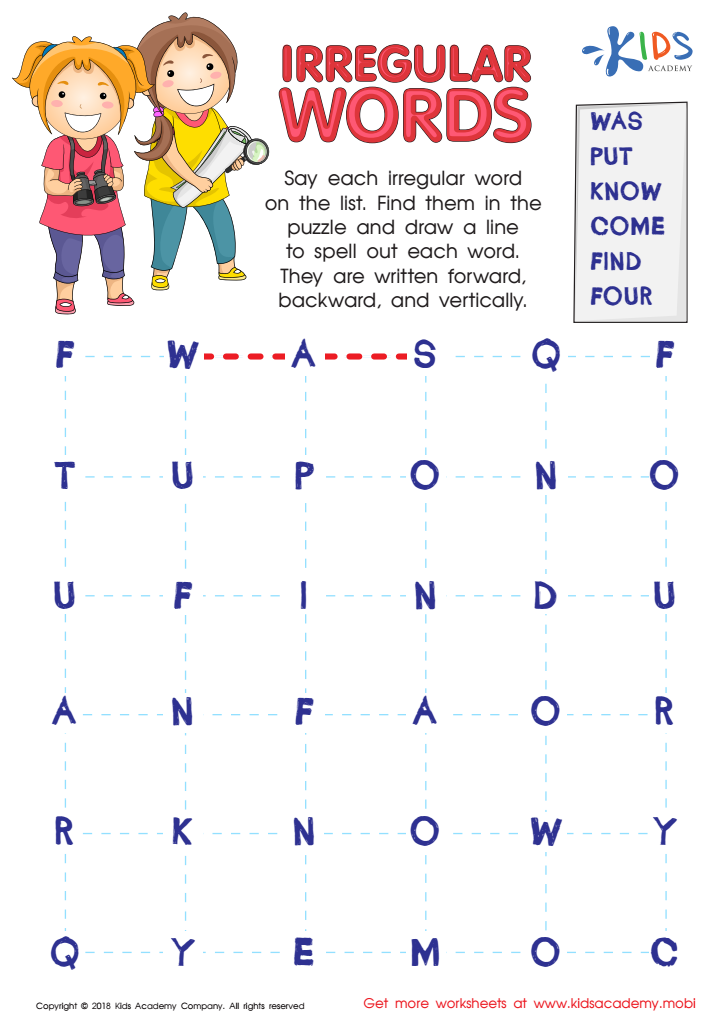
Irregular Words Worksheet
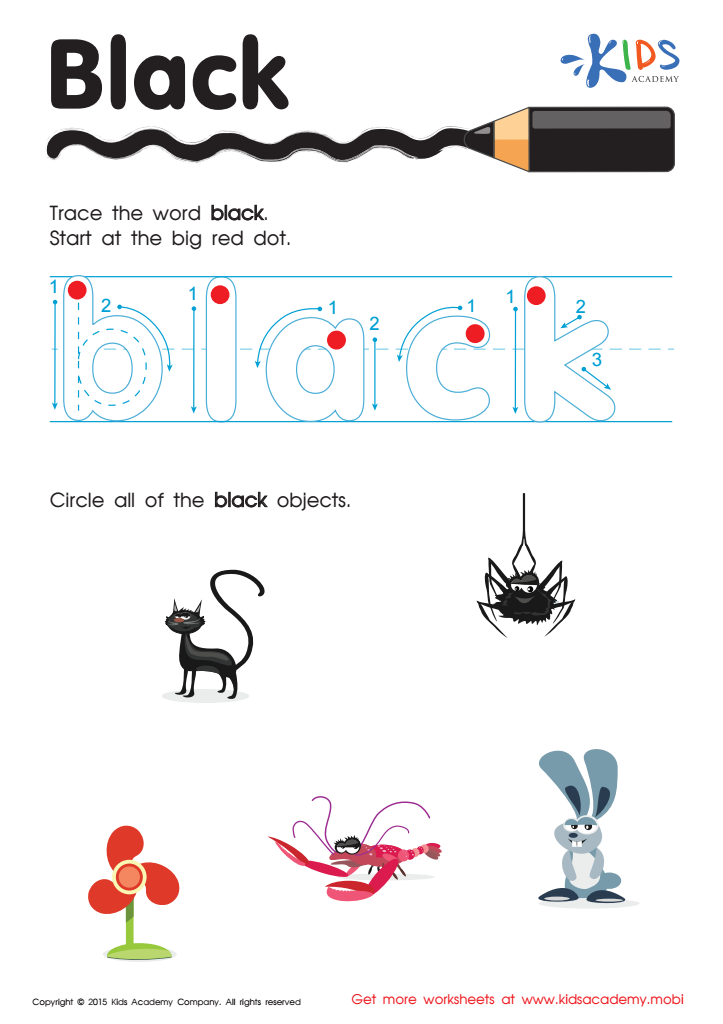
Black Tracing Color Words Printable
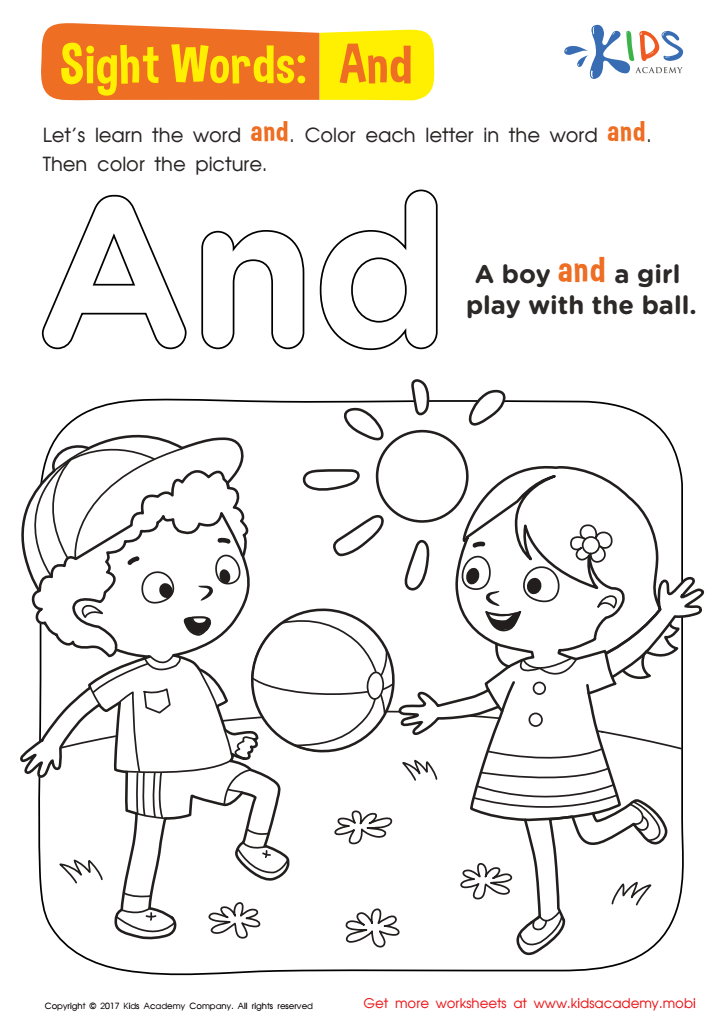
And Worksheet Sight Words Worksheet
 Assign to My Students








Spelling practice writing for ages 4-8 is integral to foundational language development and academic success. At this critical stage, children are building the basic blocks of literacy, and strong spelling skills are essential for reading and writing fluency. Engaging in spelling exercises helps young learners recognize patterns in words, aiding their ability to decode unfamiliar words and improve overall reading comprehension.
For parents, investing time in spelling practice can enhance parent-child bonding and provide insight into their child’s learning styles and challenges. Teachers benefit by fostering an inclusive learning environment where children can communicate more effectively, boosting their confidence and participation in class activities.
Consistent spelling practice encourages fine motor skills improvement through writing, cognitive development by requiring children to remember and apply spelling rules, and linguistic awareness through the exploration of word structures. Furthermore, these activities lay the groundwork for lifelong literacy, critical thinking, and effective communication skills.
Studies show that early intervention in spelling significantly predicts later reading achievements, underpinning its importance in early childhood education. Ultimately, ensuring that children engage in regular spelling practice prepares them for future academic endeavors and enhances various cognitive processes essential for holistic development.








