Alphabet Learning ABC Letters Worksheets for Ages 4-9
3 filtered results
-
From - To
Discover our engaging Alphabet Learning ABC Letters Worksheets designed specifically for children aged 4-9! These fun and interactive worksheets help reinforce letter recognition, phonetics, and early writing skills, making learning enjoyable and effective. From coloring and tracing activities to matching and sounding out letters, each worksheet is crafted to cater to diverse learning styles. Perfect for parents and educators, our resources ensure a solid foundation in literacy, promoting confidence in young learners as they explore the world of letters. Visit us today and equip your child with the essential skills needed for reading and writing success!
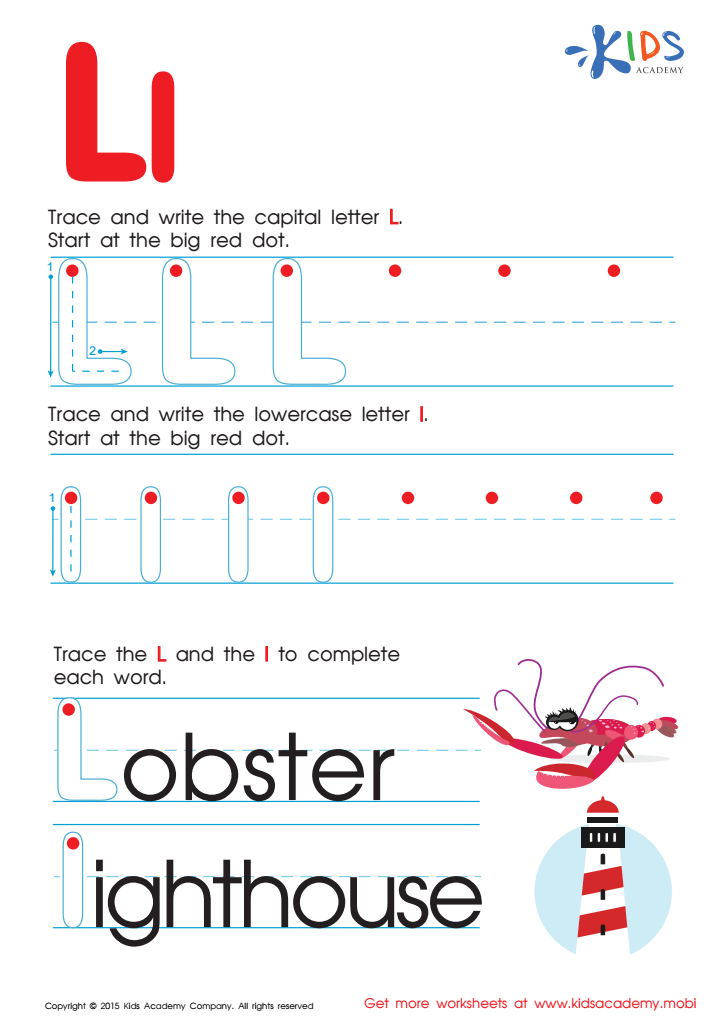
Letter L Tracing Page

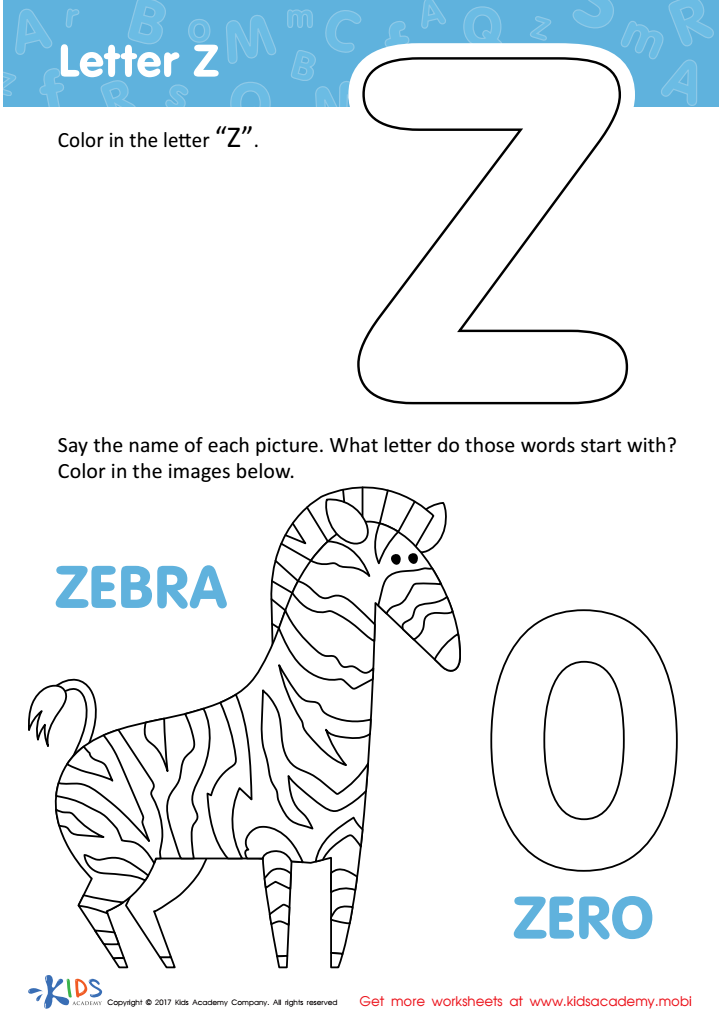
Letter Z Coloring Sheet
 Assign to My Students
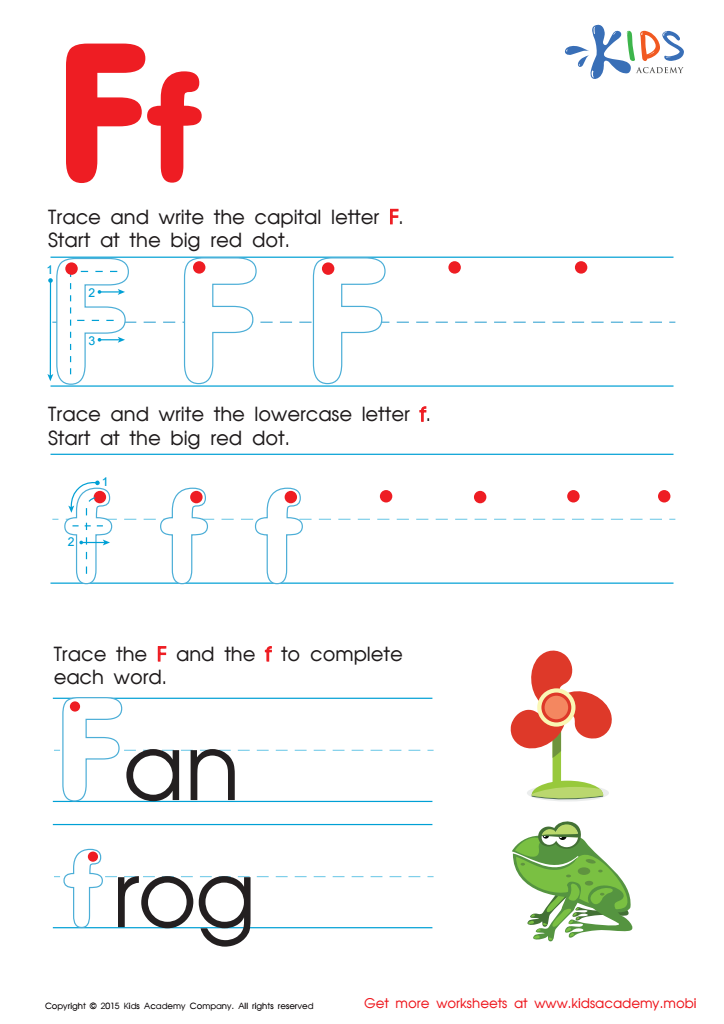
Letter F Tracing Page







Alphabet learning is a foundational skill for children aged 4-9, making it crucial for both parents and teachers to prioritize this stage in development. Mastering the ABCs enables children to recognize letters, understand phonetic sounds, and build essential reading and writing skills. Early exposure to letters promotes vocabulary growth, making it easier for children to express themselves effectively.
Caring about alphabet learning also reinforces cognitive development. Engaging children with interactive activities, songs, and games not only enhances their memory retention but also fosters a positive attitude toward learning. When educators and parents collaborate in teaching the letters of the alphabet, they create a supportive environment that encourages curiosity and exploration.
Moreover, early literacy lays the groundwork for a child’s future academic success. Proficient letter recognition aids in decoding words, enabling smoother transitions into more advanced reading activities. This early optimization in skills can prevent long-term reading difficulties, ensuring children stay on track with their peers.
Ultimately, investing in ABC learning paves the way for lifelong learning. It opens the door to a world of knowledge, making it essential for parents and teachers to actively participate in nurturing young learners' literacy skills.







